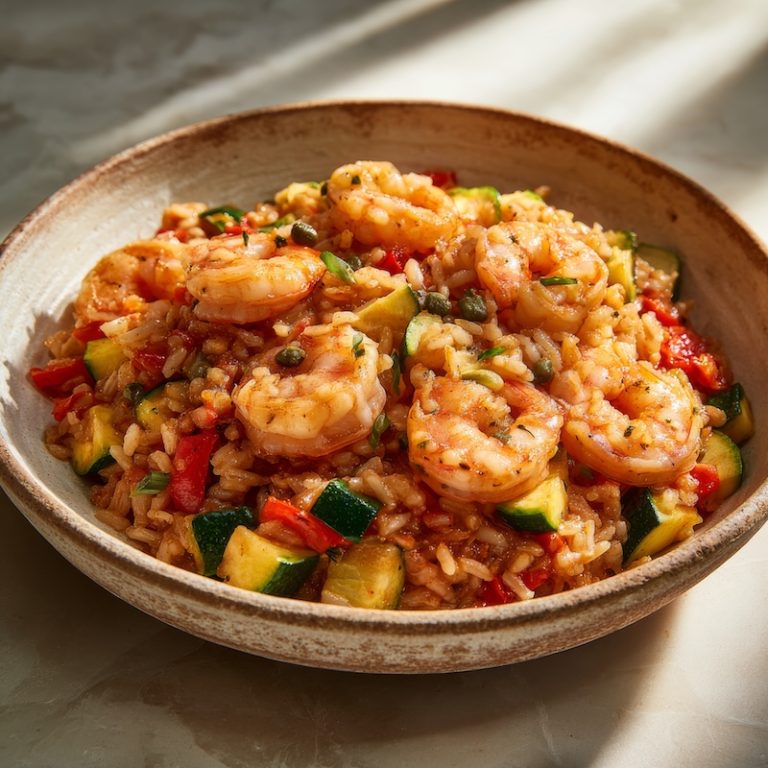
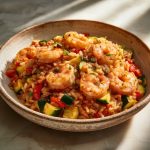
Spanish shrimp and rice isn’t just dinner—it’s a fiesta in a pan. Juicy shrimp, vibrant spices, and perfectly cooked rice come together in a dish that’s bold, flavorful, and shockingly easy. Ready to ditch boring weeknight meals and serve something that wows? Ole! 🍤
Why This Recipe Works
- Layered flavor from aromatics: Sautéing onion, garlic, and paprika builds a smoky, savory base that infuses the rice.
- Balanced stock absorption: Toasting the rice before adding broth helps each grain capture rich flavor without becoming mushy.
- Quick-cooking shrimp: Adding the shrimp near the end ensures they stay tender and juicy instead of rubbery.
- One-pan simplicity: Everything cooks in a single skillet or pan, meaning fewer dishes and better flavor cohesion.
- Customizable heat and seasoning: Smoked paprika and optional red pepper let you dial the spice to your taste while preserving classic Spanish character.
Spanish Shrimp Rice: One-Pan, Flavor-Packed Dinner
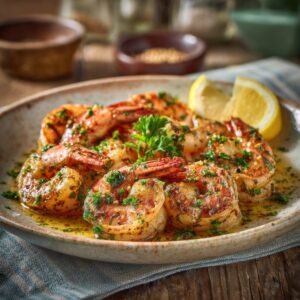
Spanish shrimp rice is a vibrant, one-pan dish that brings the bold flavors of Spain straight to your kitchen. This easy shrimp and rice recipe layers tender shrimp with smoky paprika, garlic, and sautéed onions, all absorbed into perfectly cooked rice.
Inspired by traditional paella but simplified for home cooks, it delivers rich, restaurant-quality flavor without requiring complex techniques. You’ll learn how to toast the rice, build deep aromatics, and finish the shrimp so every bite is tender, juicy, and full of Spanish flair.
Common Mistakes to Avoid
- Overcooking the shrimp: Shrimp cook very quickly. Add them near the end of cooking to stay tender and juicy.
- Skipping the rice toast: Not toasting the rice before adding liquid can result in bland, mushy grains.
- Using too much liquid: Adding too much stock or water will make the dish soupy. Follow the recipe ratios carefully.
- Ignoring seasoning layers: Season aromatics, rice, and shrimp properly. Each layer contributes to deep, balanced flavor.
- Cooking at too high heat: Flames that are too high can burn aromatics or overcook shrimp before the rice finishes.
Spanish Shrimp and Rice Recipe
Ingredients
- 2 cloves garlic
- 2 scallions
- 1 tablespoon capers
- 4 ounces sweet peppers
- 1 zucchini
- 10 ounces shrimp uncooked, peeled and de-veined if necessary.
- 1 tablespoon Spanish spice blend see above
- olive oil
- ½ cup rice short or medium grain
- 2 tablespoons tomato paste
- 2 tablespoons mayonnaise
- 1 tablespoon sherry vinegar
Instructions
Prep the Ingredients
- Be sure to wash and dry all the fresh produce. I am much more careful about this these days. Not sure if it's because I read more about the pesticides they are using or because I'm getting older and want to be more careful.
- Peel the garlic cloves and finely mince or better yet zest them with zester. I like using my Microplane for zesting.
- Cut the roots off the end on the scallions and then thinly slice them. Separate the white bottoms from the hollow green tops and reserve both.
- Chop the capers and medium dice the zucchini.
- Pull off the stems from the sweet peppers and toss, cut the peppers in half long ways, remove the cores and medium dice the peppers.
- In a small bowl, add the white bottoms of the scallion, diced zucchini, chopped capers, diced peppers and ¾ of the zested garlic.
- Wash the shrimp and pat try with paper towels. Remove the tails if not already done.
- Add the shrimp to a small bowl, season with salt & pepper and half the spice blend (½ tablespoon). Stir to combine ingredients.
Saute the Vegetables
- Heat your saute pan (frying pan), large enough to cook the vegetables and shrimp, over medium high heat. Add a drizzle of olive oil to the pan and when hot, add the vegetables from the bowl. Saute for 5 minutes until the vegetables slightly soften. Stir frequently so the garlic doesn't burn.
Cook the Rice
- In the same pan as the sauteed vegetables, add the rice and stir to combine with the other ingredients.
- Add the tomato paste and the remaining ½ tablespoon of Spanish spice blend. Again, stir constantly for about a minute to combine all the ingredients.
- Add 2½ cups of water to the pan and stir to combine. Reduce the heat to medium or medium-low and loosely cover the pan with aluminum foil.
- Cook the rice for about 20 minutes being sure to give it a stir every once in a while. When the rice has absorbed all the water and the rice is al dente, turn off the heat and add the sherry vinegar. Stir to combine.
- Taste and season with salt and pepper if necessary.
- Transfer the rice to a bowl large enough to all it all and cover with the same aluminum foil to keep warm.
Make the Aioli Topping
- While the rice is cooking, prepare the aioli by combining the mayonnaise with the remaining zested garlic.
- Season with salt and pepper, to taste and reserve to top the shrimp at the end.
Pan Fry the Shrimp
- In the same pan as you cooked the rice, add a little more olive oil over medium or medium-heat and let it get hot. The reason I suggest medium OR medium-high heat is because everyone's stove top is different. I find my medium-high heat on my gas range is often too hot so I use medium heat instead.
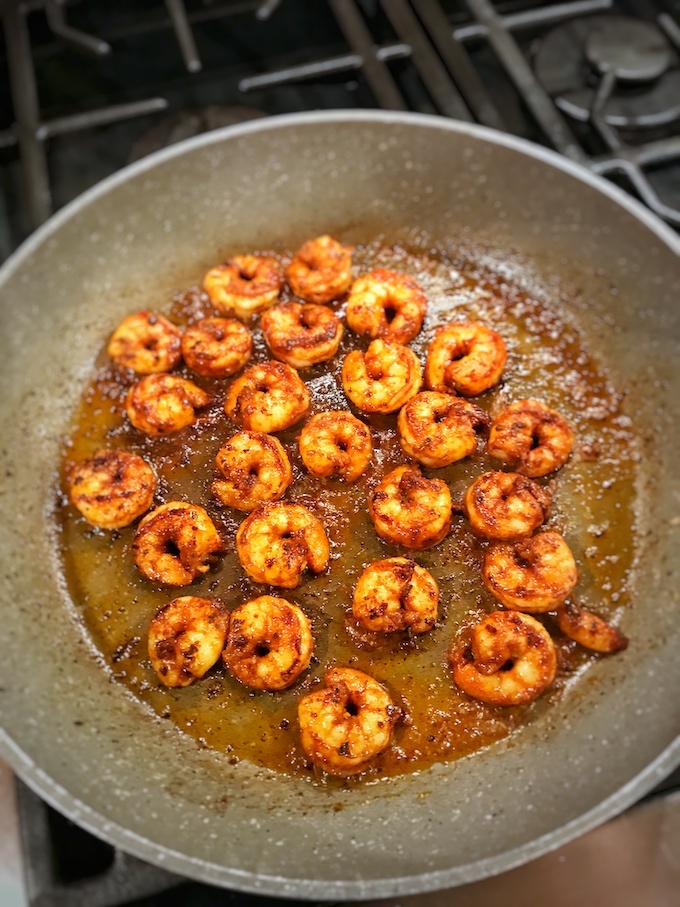
- When the oil is hot, add the seasoned shrimp in one single layer. Let this cook for about 3 minutes without stirring and believe me you will be tempted to stir them around. After 3 minutes, stir and cook for another minute or two until they are cooked through and opaque.
- Turn off the heat and remove pan.
Plate & Serve
- Add the rice and cooked vegetables to your plates, top with the cooked shrimp, add a dollop of the aioli topping and finish with some of the sliced green tops of the scallion.
- Serve and enjoy this very easy to prepare meal. I know I will make this again and would be thrilled to serve it to guests.
Commercial Spanish Rice Seasonings
The most popular search result for “Spanish rice seasonings” was for a product called Bolner’s Fiesta Brand Spanish Rice Seasoning and used “Salt, Onion, Garlic, Spices, Chicken Flavor (Hydrolyzed Corn Protein, Yeast Extract, Sunflower Oil, Thiamine Hydrochloride, Dextrose, Disodium Guanylate and Disodium Inosinate) and Calcium Stearate (Free Flow Agent).”
I’m not thrilled with any product whose #1 ingredient is salt followed up by a number of ingredients I can’t even pronounce.
Another very popular brand is Sazon Goya but again when you look at their ingredients, they start with monosodium glutamate (MSG) and then salt. I’m sure it makes any dish taste good, but do I really want all that extra salt?
I did find an interesting commercial product from Nomu called Spanish Aromatics seasoning. It is a blend of 13 herbs & spices including smoked paprika (21%), iodated salt, sugar, chilli (6%), parsley, oregano, garlic, onion, mustard, turmeric, black pepper, cumin, cinnamon and no MSG.
Make Your Own Seasoning
If you’re like me and have a spice drawer loaded with spices including most of those listed above, why not make your own? Well, for one reason it takes time. And who wants to spend time grinding up their own spice blends if you can purchase one already made?
Then there is quantity. Most of the time recipes don’t require using that much. This recipe is for two people and you only need 1 tablespoon of the seasoning.
So either you are going to start with the smallest amounts of spices or you are going to make a batch that would work for 6 or more meals. Personally, I would choose the later and use up some of those spices in my drawer.
Contradictory to most common beliefs, those herbs and spices sitting in you cupboard do not last indefinitely. From everything I’ve read, they won’t make you sick if they hang out in the spice cupboard for a few years, but they do start to loose their potency. So use them or loose flavor.
Preparing the Rice
The Blue Apron recipe has you making the rice in the pan you are eventually going to saute the shrimp and that’s how we did it. Next time, I may try making it in my rice cooker with the seasoning and see how it turns out.
They have you use sushi rice, a white, short grained rice with a high percentage of starch compared to other rices and what makes it sticky. I would use any short or medium grained rice but stay away from long grain rice because it doesn’t contain as much starch as the other two.
Spanish Shrimp & Rice FAQ
What is Spanish shrimp rice?
Spanish shrimp rice is a one-pan dish inspired by traditional Spanish paella. It combines rice, shrimp, and aromatics like onion, garlic, and paprika to create a savory, flavor-packed meal that’s simple enough for home cooks.
Can I use frozen shrimp?
Yes, but thaw them completely and pat dry before cooking. Frozen shrimp that are wet can release excess water, making the rice mushy and preventing the shrimp from searing properly.
Can I make this dish vegetarian?
You can replace shrimp with hearty vegetables like mushrooms, bell peppers, or artichokes, and use vegetable broth instead of seafood stock. Adjust cooking times to avoid overcooking delicate veggies.
What type of rice is best?
Medium-grain or short-grain rice works best because it absorbs flavors without turning mushy. Long-grain rice tends to stay separate and won’t capture the sauce as well.
Do I need a special pan?
A wide, heavy-bottomed skillet or sauté pan works best. It allows the rice to cook evenly and the shrimp to sear properly. A paella pan is optional but not necessary.
How do I avoid overcooking the shrimp?
Add the shrimp near the end of the cooking process. They cook quickly—usually 2–3 minutes per side—until they turn pink and opaque. Overcooking will make them rubbery.
How do I prevent mushy rice?
Toast the rice in oil or butter before adding the broth. Add liquid gradually and keep heat moderate to ensure even absorption without overcooking.
Can I make this ahead of time?
You can prepare the base (rice and aromatics) ahead, but add the shrimp just before serving. Fully cooked shrimp reheated can become rubbery.
How can I adjust the spice level?
The recipe uses smoked paprika for depth and optional red pepper flakes for heat. Adjust the red pepper to your taste, or leave it out for a milder dish.
How should leftovers be stored?
Cool leftovers quickly, store in an airtight container in the refrigerator, and consume within 1–2 days. Reheat gently on the stovetop or in the microwave with a splash of stock or water to keep the rice from drying out.