
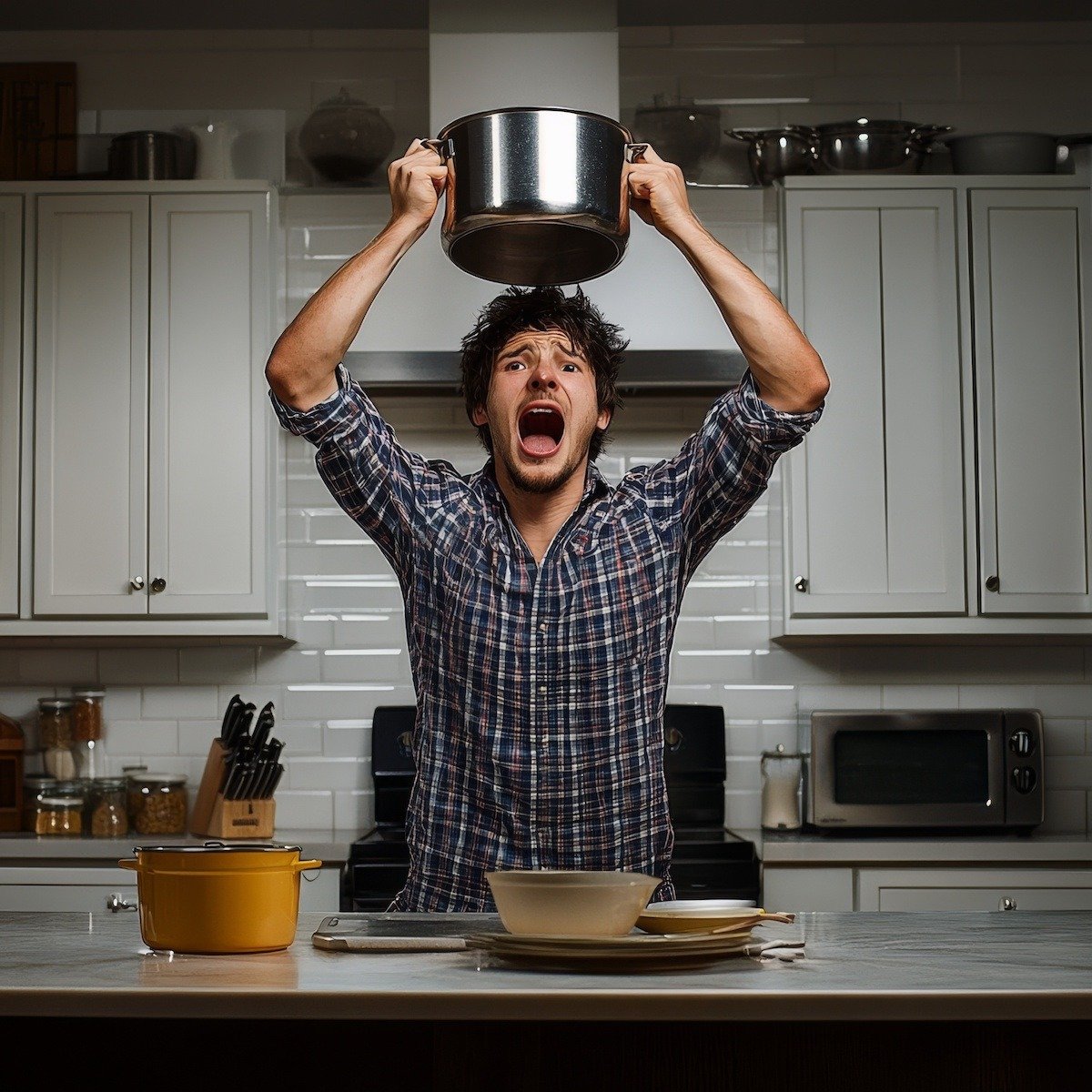

Why Cooking at Home Is Becoming a Dying Art: Key Factors Explored
In today’s fast-paced world, the kitchen can feel more like a battleground than a sanctuary. Many home cooks shy away from cooking at home, and the reasons behind this trend are varied and complex. We’re not alone in this struggle.
Numerous factors discourage home cooking, from the demands of a busy lifestyle to the allure of convenience foods. The time constraints of juggling work, family, and social commitments leave little room for preparing meals, leading many to opt for takeout or pre-packaged options that require minimal effort.
Additionally, the perception that cooking is a daunting task—requiring culinary expertise, time, and extensive planning—can deter even the most enthusiastic food lovers. But remember, every great chef started as a beginner.
Furthermore, the rise of social media and cooking shows has set high standards, creating a fear of failure for those who feel they don’t measure up. But these standards are not unattainable; they’re challenging to grow and learn.
This post will explore the psychological, social, and practical aspects of why many choose to forgo home cooking. By understanding these barriers, we can address them and inspire a renewed passion for cooking at home, transforming it from a chore into an enjoyable and rewarding experience.
So Why Don't We Cook at Home?
Cooking at home can be enjoyable and rewarding, allowing one to experiment with flavors and create nourishing meals for oneself and loved ones. However, many people do not like to cook at home, preferring to order takeout or dine out at restaurants. There are several reasons why this may be the case, which we will explore in this essay.
Time Consuming
Cooking can be time-consuming and labor-intensive. After a long day at work or school, the last thing many people want to do is spend hours in the kitchen preparing a meal.
This is especially true for those working long hours or busy schedules. Cooking requires planning, ordering ingredients, and following recipes, which can take time and effort. For people with hectic lifestyles, the convenience of ordering takeout or dining out can be an appealing alternative.
Confidence
Another reason people may not like to cook at home is their lack of confidence in their cooking abilities. Cooking is a skill that takes practice and patience to develop, and many people may feel intimidated by the idea of cooking.
Additionally, cooking requires knowledge of ingredients, techniques, and equipment, which can overwhelm beginners. Without proper guidance or training, people may feel unsure about their ability to create tasty and nutritious meals.
Messy
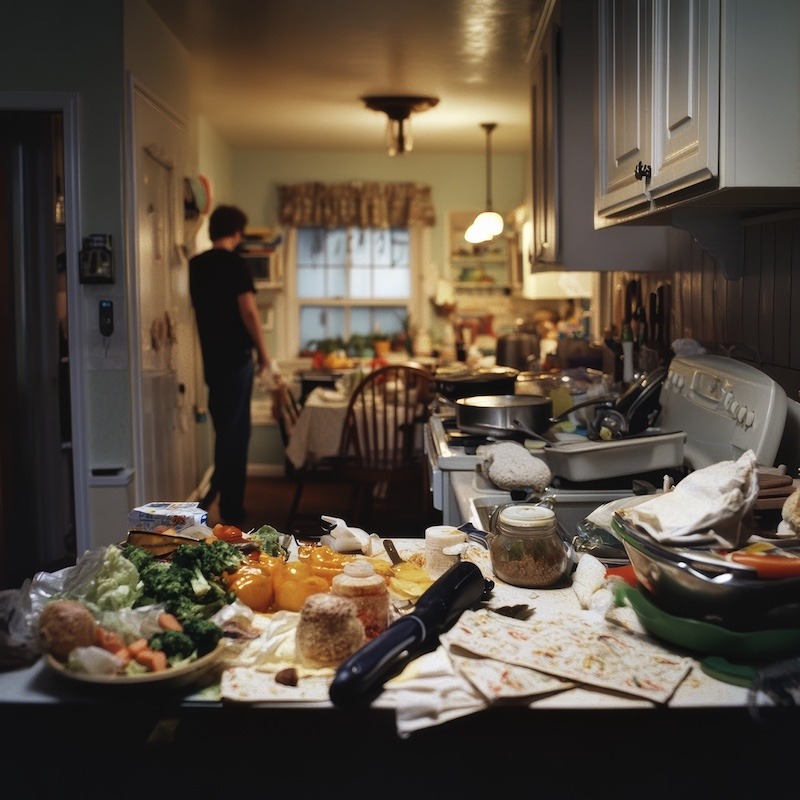
Some people may not enjoy cooking because of the mess it can create. Preparing a meal can involve chopping vegetables, marinating meat, and using various cooking utensils and appliances, all of which can leave a trail of dirty dishes and kitchen surfaces. Cleaning up after cooking can take as much time and effort as preparing the meal, which may discourage people from cooking at home.
Take-Out Options
Lorem ipsum dolor sit amet, consectetur adipiscing elit. Ut elit tellus, luctus nec ullamcorper mattis, pulvinar dapibus leo.
Don't Enjoy Cooking
Some people may not enjoy cooking because they simply do not enjoy it. Cooking requires a certain level of interest and passion; not everyone may share this enthusiasm. For some, cooking may be viewed as a chore rather than a pleasurable activity, discouraging them from doing it regularly.
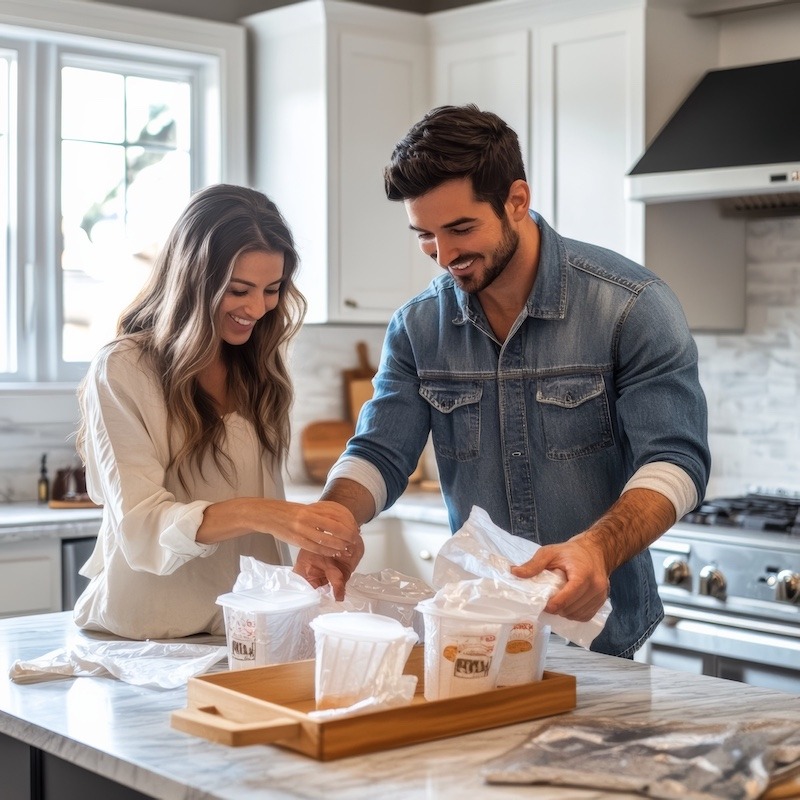
Why Do So Many People Not Like Their Own Cooking?
While some people love to cook and take pride in their culinary creations, others may not be as confident in their abilities and may not like their own cooking. This essay will explore several reasons why this may be the case.
| Reason | Description |
|---|---|
| High Expectations | People may not like their cooking because they have high expectations. Cooking is a creative process, and like any art form, it has a subjective element. If the food doesn't match what they imagined, especially after a previous success, it can feel disappointing. |
| Lack of Experience | Without much practice or knowledge of techniques and flavor combinations, people may struggle to produce the results they want. Inexperience can make it difficult to know how to bring out desired flavors, leading to unsatisfying outcomes. |
| Way Too Critical | Some are perfectionists and focus on flaws instead of strengths. This self-criticism can overshadow the positive aspects of their cooking, making it harder to appreciate their own efforts. |
| Others' Opinions | Past negative feedback from others can shape a person's view of their cooking. If someone has been criticized, they might feel insecure or assume their food isn't good enough, even if it is. |
| Not Interested | Some people simply don’t enjoy cooking. If it feels like a chore instead of a passion, it can be hard to engage fully in the process or take pride in the results. |
Why Do Some People Fear Cooking for Others?
Fear of failure: Some people may worry that their cooking skills are not good enough or that their food will not meet the expectations of others. This fear of failure can be a significant barrier to cooking for others, and it may lead to feelings of anxiety and self-doubt.
Perfectionism: Some people may have very high standards for their cooking and feel pressure to create the perfect meal for their guests. This pressure can lead to anxiety and fear of not meeting their standards or the expectations of others.
Lack of experience: For some people, cooking may be a relatively new or unfamiliar activity, and they may feel insecure about their abilities. This lack of experience can lead to feelings of anxiety and fear when cooking for others.
Fear of criticism: Some people may worry about receiving negative feedback or criticism from their guests about their cooking. This fear of judgment can be a significant barrier to cooking for others, and it may lead to feelings of self-doubt and anxiety.
Social anxiety: For some people, cooking for others may trigger feelings of social anxiety or fear of rejection. This fear of social interaction can be a significant barrier to cooking for others, and it may lead to feelings of anxiety and avoidance.
Mageirocophobia - the Fear of Cooking
Mageirocophobia is a specific phobia, or an irrational fear, of cooking or preparing food. It is a relatively rare phobia, but it can have a significant impact on a person’s life and well-being. People with mageirocophobia may feel extreme anxiety or panic when faced with the prospect of cooking or handling food, and they may avoid cooking or eating altogether as a result.
The causes of mageirocophobia are not fully understood, but like many phobias, it may stem from past traumatic experiences, genetic factors, or a combination of both. It may also be related to anxiety disorders, obsessive-compulsive disorder (OCD), or other mental health conditions.
Symptoms of mageirocophobia can range from mild anxiety to full-blown panic attacks, and they can be triggered by a variety of factors, such as the sight or smell of raw meat or the thought of cooking for a group of people. Treatment for mageirocophobia may include exposure therapy, cognitive-behavioral therapy, or medication to manage anxiety symptoms.
If you or someone you know experiences severe anxiety or avoidance related to cooking or handling food, it is essential to seek professional help from a mental health provider. With the proper treatment and support, overcoming mageirocophobia and enjoying the many benefits of cooking and preparing food at home is possible.







4 Responses
When I was a little kid, cooking used to be considered an art or a favorite pasttime such as painting, crochet, gardening, and pottery. There were even bread makes nearby. Now, to most men, it’s nothing but a dirty, thankless job that most people hate with a vengeance. If you’re a man who loves to cook, more power to you. Probably you come from a family of male chefs, and that’s fine. It’s something that you have to really have a love of the kitchen and strong passion for if you want to feel comfortable about being in the kitchen near a hot oven and all the fire on the stove. Otherwise, it will feel like an ongoing jail sentence. For the average man, a recipe looks as though it’s written in Greek or Hebrew. Even the word “cook” has a vulgar sound to it, like removing an organ or something. Sorry to say, but I really detest cooking. I may even be one of those men who has mageiriciphobia. My culinary skills remain severely challenged. It’s worse now that I have to cook for my 89-year-old mother who has dementia and is recovering from a fall. But what do I do? It’s hard to find any professional volunteer cooks who service elderly people at no cost.
Billy, I disagree with you when you say “most men” hate to cook. It may be true that many men have not learned to cook growing up, but that doesn’t mean they can’t learn to enjoy cooking. What a great gift to be able to help your mother by providing her with meals every day. Yes, it is work, but if you shift your perspective and appreciate what a gift you are providing, your feelings may change.
But you see, Mr. Jones? I wholeheartedly have to disagree with you. To many of us men, being a good cook is like being a professional singer. Someone either has the right voice to be a professional singer or they sound horrible insofar as all the singing lessons in the world are not going to turn them into the next Neil Diamond. It’s the same with cooking. If a man simply doesn’t have the knack for it or the ability to learn how to do it, he’s going to feel like it’s this never-ending chore that never seems to go away. A couple of times that I have put in a request for Lasagna Love to deliver pre-cooked lasagna and the likes to my residence, I felt as though an entire ton of bricks had been lifted off my back. Also, everything tasted so much better than when I had to cook something myself. Sorry, Mr. Jones, but I cannot change my opinion about this. Once I find someone to come into my mother’s residence on a regular basis to do the cooking for her, it will be a day of celebration for me, because then I’ll be able to utilize the time for other more constructive things that I have to do around the house. If “American Idol” were a show about cooking talent instead of singing talent, Simon Cowell would likely agree with me on my points.
Bill, I appreciate you sharing your perspective, and I think many people feel the same way after a few frustrating experiences in the kitchen. Where I respectfully disagree is in comparing cooking to something like professional singing. Cooking at home isn’t about natural talent or performance; it’s about learning a handful of basic skills and building confidence over time. No one is born knowing how to season properly, control heat, or time a meal—those are learned skills that improve quickly with the right approach. It’s also completely fair to say you don’t enjoy cooking, and there’s nothing wrong with choosing to outsource it when you can, but that’s different from not being able to learn. Most people who feel they “can’t cook” have simply never been taught in a way that makes it easier or more approachable. And yes, meals made by others often taste better, especially when they’re experienced, but that’s because they’ve developed those skills over time, not because they were born with them. My goal with this site is to help people who feel overwhelmed in the kitchen realize that cooking doesn’t have to be complicated, stressful, or talent-based. With a few simple techniques, it becomes much more manageable—and even enjoyable.