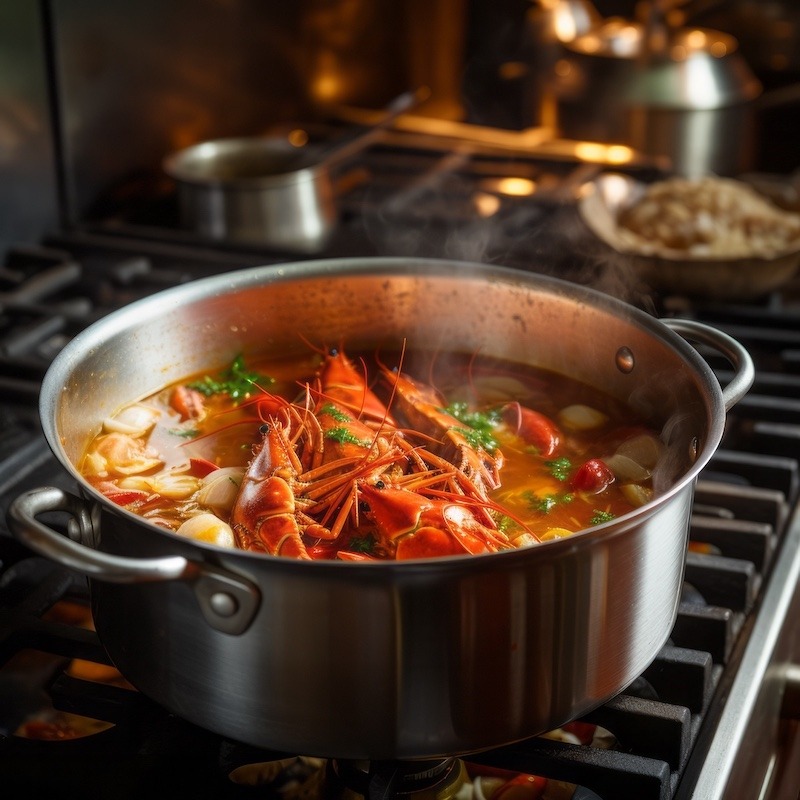


How to Make Classic Lobster Stock at Home
Lobster stock is a flavorful liquid made by simmering lobster shells and other ingredients in water. It is a critical ingredient in many seafood dishes, including soups, stews, and sauces, and it is prized for its rich seafood flavor.
To make lobster stock, you will need a few pounds of lobster shells, which can be obtained by cooking and removing the meat from live lobsters. Place the shells in a large pot or stockpot and add enough water to cover them by about an inch. Bring the water to a boil, reduce the heat, and simmer the shells for about 30 minutes.
While the shells are simmering, you can prepare the other ingredients for the stock. These might include vegetables such as onions, carrots, celery, and herbs and spices like parsley, thyme, and bay leaves. Some recipes also call for white wine or tomato paste to add depth of flavor.
Add the vegetables and other ingredients to the pot once the shells have simmered for about 30 minutes. Simmer the stock for another hour until the vegetables are tender and have a rich lobster flavor.
After the stock has finished simmering, strain it through a fine-mesh sieve to remove the shells and vegetables. Press down on the solids with a spoon to extract as much liquid as possible. The resulting lobster stock can be used immediately or cooled and stored in the refrigerator or freezer for later use.
Lobster Stock Recipe
Ingredients
- lobster shells several pounds
- olive oil
- tomato paste
- 2 onions chopped
- 2 carrots peeled and chopped
- 2 stalks celery cut into large chunks
- 7 cloves garlic peeled and chopped
- ½ fennel bulb chopped
- 8 peppercorns
- 2 bay leaves
- 4 sprigs of fresh parsley
- 2 sprigs fresh thyme
- 2 cups dry white wine
- water
Instructions
- Crush the shells with a hammer or meat mallet (or skillet). Brush with some olive oil and roast in a 400° F oven until they are bright red - about half an hour. They will smell awful, so make sure your exhaust fan is on or that you can open a window.
- Brush some tomato paste on the shells during the last fifteen minutes of roasting.
- Put the roasted shells in a stock pot along with the rest of your ingredients. Cover with cold water, and slowly increase the temperature to a simmer. Adjust heat to maintain a slow simmer. Simmer for about 1½ to 2 hours: strain and chill.
- You can reduce the stock by half by gently boiling it on the stove to save storage space. Either way, store it in the refrigerator for a week or in the freezer for three months.
Important Tips For Preparing Lobster Stock at Home
Use Fresh Lobster Shells
Save shells from cooked or raw lobster; fresh shells give the stock the sweetest, most intense flavor.
Don’t rinse off any residual meat or juices—they add extra depth.
2. Roast the Shells
Lightly roast shells in the oven before simmering.
This caramelizes natural sugars, adding a rich, golden color and deeper flavor to the stock.
3. Start with Cold Water
Begin with cold water to extract maximum flavor from the shells gradually.
This prevents the stock from becoming cloudy.
4. Add Aromatics
Classic aromatics: onion, carrot, celery, garlic, and leeks.
Fresh herbs like thyme, bay leaf, and parsley enhance complexity without overpowering the lobster flavor.
5. Simmer, Don’t Boil
Keep the stock at a gentle simmer to avoid breaking down proteins, which can make it cloudy or bitter.
30–45 minutes is usually enough; longer simmering can extract bitterness.
6. Deglaze Your Pan
After roasting shells, deglaze the pan with a splash of white wine before adding water.
This captures all caramelized flavors and enriches the stock.
7. Strain Carefully
Use a fine-mesh strainer or cheesecloth to remove solids.
Press gently on solids to extract liquid but avoid pressing too hard, which can cloud the stock.
8. Cool Quickly
Chill the stock quickly in an ice bath to prevent bacterial growth.
Store in the fridge for up to 3 days or freeze in portions for future use.
9. Don’t Oversalt
Season lightly; it’s easier to adjust salt later in the dish.
Lobster stock is often used as a base for recipes that already have seasoning.
10. Enhance with Butter or Shell Fat
Optional: add a small knob of lobster tomalley (the liver) or butter at the end to enrich flavor.
Adds luxurious mouthfeel without overpowering the natural sweetness.
Dishes That Pair Well With Lobster Stock
| Dish | Description | Why It Pairs Well |
|---|---|---|
| Lobster Risotto | Creamy arborio rice slow-cooked with butter, onions, and Parmesan cheese. | The lobster stock enhances the rice with deep seafood umami, adding richness and complexity that complements the delicate lobster meat. |
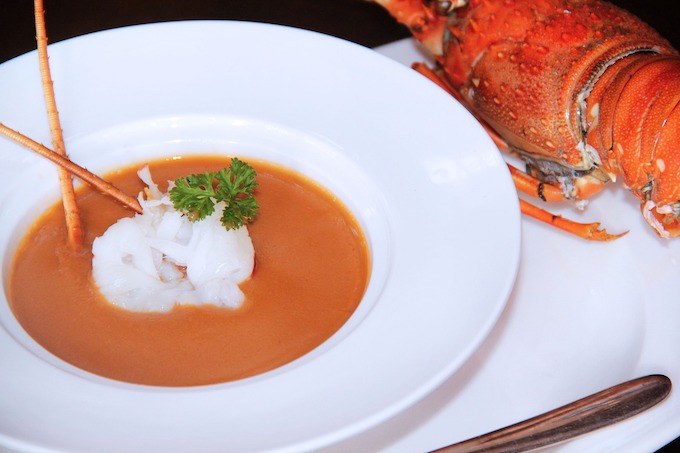
| Seafood Bisque | A smooth, creamy soup with lobster, shrimp, and crab. | Using lobster stock intensifies the seafood flavor, creating a luxurious, aromatic base for the bisque. |
| Poached Fish | White fish like cod or halibut gently poached in lobster stock. | The stock adds subtle oceanic flavors and moisture, elevating the fish without overpowering it. |
| Lobster Pasta | Pasta tossed in a lobster-infused sauce with cream, garlic, and herbs. | The stock enriches the sauce, providing depth and a natural lobster flavor that complements pasta perfectly. |
| Seafood Paella | Saffron rice cooked with shrimp, mussels, and other shellfish. | Replacing water with lobster stock infuses every grain with seafood essence, enhancing the overall flavor profile of the paella. |
| Lobster Pot Pie | Chunks of lobster in a creamy sauce, baked under a golden pastry crust. | The stock deepens the filling’s flavor, balancing the richness of the cream and pastry. |
| Shellfish Stew | A medley of clams, mussels, and shrimp in a tomato and wine base. | Lobster stock amplifies the natural brininess of the shellfish, making the stew more flavorful and cohesive. |
A Versatile Ingredient
Lobster stock is a versatile ingredient that can be used in various dishes. It is a critical component in many seafood soups and stews and adds flavor to sauces and risotto.
It is particularly delicious when paired with other seafood, such as shrimp, scallops, and mussels, and it can also be used to add depth of flavor to pasta dishes and grain bowls.
Lobster stock is an essential ingredient in any seafood kitchen. It is relatively easy to make and adds a rich seafood flavor to various dishes. Whether you’re making a classic lobster bisque or a simple pasta sauce, a little bit of lobster stock can add depth and complexity to your dishes.
If we start thinking of stock as more of a frugal technique and less of a high art, more people would make stock, and our food would taste better. It’s why it is one of the first techniques they teach new students in culinary schools nationwide.
While this “recipe” is for lobster stock, you can substitute almost anything for the lobster: shrimp shells, fish bones, turkey wings, veal bones, and roasted vegetables to make flavorful stocks.









2 Responses
Do u use the head? It must have a lot of flavour?
Yes! The lobster head is packed with flavor and is great for making lobster stock. The head and body (or carapace) contain a lot of the rich, briny essence that gives the stock depth. Just make sure to remove the gills and any dark, mushy parts inside, as they can make the stock bitter.