The Maillard Reaction in Cooking?
The Maillard Reaction transforms simple ingredients into rich, complex flavors. It is the secret behind golden-brown crusts on bread, seared steaks, roasted vegetables, and even coffee.
When heat is applied to protein and sugar, a chemical reaction occurs. This reaction creates hundreds of flavor compounds. These compounds give food its depth, aroma, and irresistible taste.
Understanding the Maillard Reaction can elevate everyday cooking. It allows home cooks to achieve restaurant-quality results.
Temperature plays a crucial role. Too low, and the reaction slows. Too high, and food burns before flavors develop. Moisture matters, too. Excess water prevents browning.
That’s why patting meat dry or roasting vegetables in a hot oven works so well. Timing also impacts flavor. Patience creates a perfect crust, rich aroma, and savory taste.
Chefs rely on the Maillard Reaction to build layers of flavor. From caramelized onions to golden-brown pastries, this reaction embodies the essence of delicious cooking.
By mastering it, you can make every dish more flavorful. Whether you’re searing, roasting, or baking, understanding the Maillard Reaction is essential. It’s the science that makes food taste extraordinary.
The Maillard Reaction is a chemical reaction between amino acids (the building blocks of proteins) and sugars that happens when food is heated. This reaction produces brown color, complex flavors, and appetizing aromas that make cooked food taste and smell amazing.
Examples of the Maillard Reaction
| Cooking Instance | Description | Why It’s Important |
|---|---|---|
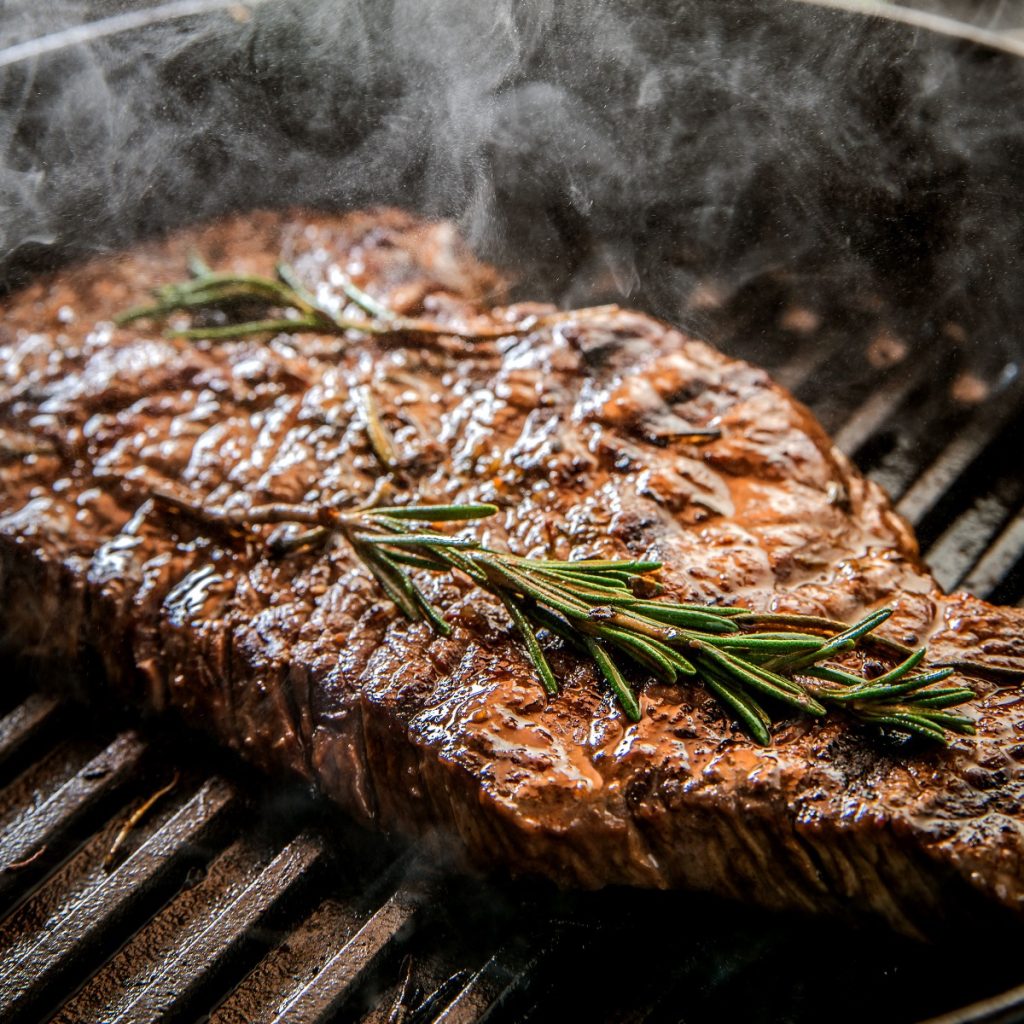
| Searing Steak | Cooking the surface of beef at high heat until it turns brown. | Develops a rich, savory crust and deep flavor that enhances the overall taste. |
| Roasting Vegetables | Cooking vegetables like carrots, potatoes, and Brussels sprouts until browned. | Creates caramelized edges and complex sweetness, improving flavor and texture. |
| Baking Bread | Heating dough in an oven until the crust turns golden brown. | Generates a flavorful crust and appealing color, enhancing aroma and taste. |
| Toasting Nuts | Heating nuts lightly to brown their surfaces. | Enhances nutty flavor, aroma, and crunch, making them more flavorful. |
| Roasting Coffee Beans | Applying heat to green coffee beans until they brown. | Develops complex flavor compounds and rich aroma critical to coffee. |
| Grilling Burgers | Cooking ground beef patties on a hot grill until browned. | Forms a savory crust and smoky flavor that makes burgers delicious. |
| Pan-Frying Onions | Cooking onions in oil until golden brown. | Transforms sweetness and adds depth of flavor to dishes. |
| Roasting Meat | Cooking whole cuts of meat at high heat until the exterior browns. | Locks in flavor, adds visual appeal, and creates aromatic compounds. |
| Baking Cookies | Heating cookie dough until lightly browned on the edges. | Enhances sweetness, aroma, and texture for a more satisfying treat. |
| Making Pretzels | Baking dough after briefly boiling in a baking soda solution. | Produces a deep brown crust and signature flavor through browning. |
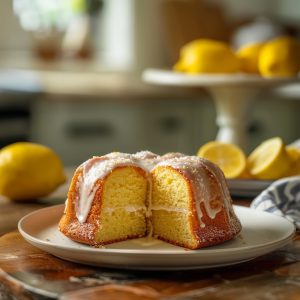
| Roasting Coffee Cake | Baking the cake until a golden crust forms on top. | Enhances the sweetness and adds a nutty, caramelized flavor. |
| Sautéing Mushrooms | Cooking mushrooms in fat over high heat until golden brown. | Concentrates natural umami flavors and creates aromatic richness. |
| Frying Bacon | Cooking bacon strips in a pan until browned and crispy. | Generates a savory, smoky flavor and a satisfying texture. |
| Grilling Chicken | Cooking chicken breasts or thighs over high heat until browned. | Creates flavorful crust while sealing in juices for tender meat. |
| Roasting Nuts for Granola | Heating nuts with sugar or honey until golden brown. | Deepens flavor and adds crunch, making granola more aromatic. |
| Caramelizing Garlic | Slowly cooking garlic in fat until golden and sweet. | Transforms sharp raw garlic into mellow, rich flavor for sauces. |
| Browning Butter | Heating butter until milk solids turn brown. | Adds nutty aroma and complex flavor to baked goods and sauces. |
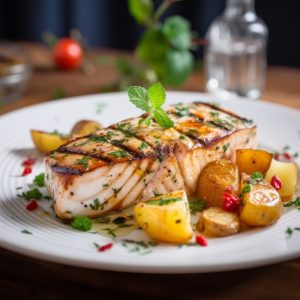
| Grilling Fish | Cooking fish fillets on a hot surface until lightly browned. | Enhances texture and adds a subtle roasted flavor without overcooking. |
| Roasting Coffee Substitutes (Cacao, Chicory) | Heating beans or roots until brown. | Creates rich aroma and deep flavor similar to coffee. |
| Toasting Spices | Heating whole spices in a dry pan until lightly browned. | Releases essential oils and intensifies aroma for cooking. |
| Cooking French Fries | Frying potatoes until golden brown. | Develops crisp exterior and rich, roasted potato flavor. |
| Roasting Peppers | Charring peppers under high heat until skin browns. | Enhances sweetness and adds smoky, complex flavor. |
| Baking Pizza Crust | Cooking pizza dough until the edges turn golden. | Creates flavor, aroma, and a crisp yet tender texture. |
Maillard Reaction Process
The Maillard reaction is a complex process that involves many different chemical reactions, and it requires both heat and moisture to occur. The reaction begins when the heat causes the proteins in the food to denature or uncoil. This exposes the amino acids in the protein, which can then react with the sugars in the food. As the reaction progresses, the Maillard products continue to form, and the food becomes brown and develops new flavors and aromas.
The Maillard reaction is an important part of the culinary arts, and it is widely used in the cooking and baking of many different foods. In baking, the Maillard reaction helps to give bread its golden crust and contributes to the flavor and aroma of the bread. The Maillard reaction is used in cooking to sear meats, roast coffee beans, and fry foods. It is also used to produce many different types of food, including beer, chocolate, and caramel.
Maillard Reaction History
The Maillard Reaction has a fascinating history that links science to everyday cooking. It was first discovered in 1912 by French chemist Louis-Camille Maillard. While studying how proteins and sugars interact under heat, he noticed that they produce brown pigments and complex flavors. Initially, his research focused on the chemistry itself, not culinary applications.
For decades, the reaction was mainly of interest to chemists and food scientists. In the mid-20th century, researchers began to understand its crucial role in flavor development in cooking, baking, and roasting. By the 1950s, food technologists were studying how it affects everything from bread crusts to roasted coffee beans.
Over time, chefs and home cooks started recognizing the practical importance of the Maillard Reaction, even without knowing the science behind it. Searing meat, toasting nuts, and baking cookies all rely on this reaction to develop rich flavors and appealing color. Today, the Maillard Reaction bridges science and culinary art. It is celebrated not just as a chemical process, but as a key to creating taste, aroma, and texture in countless dishes worldwide.
Heat Effect
One of the key factors that affect the Maillard reaction is the temperature of the food. The higher the temperature, the faster the reaction will occur, and the more Maillard products will be formed. This is why it is important to use high heat when searing meats or frying foods – the higher heat helps to promote the Maillard reaction, which gives the food a desirable brown color and flavor.
The Maillard reaction is also affected by the pH of the food. Foods with a high pH (such as baking soda) will tend to brown more quickly than foods with a low pH (such as lemon juice). This is because the Maillard reaction requires an alkaline environment to occur, and the higher the pH of the food, the more alkaline the environment will be.
Sugars
In addition to temperature and pH, the Maillard reaction is also affected by the types of sugars and amino acids present in the food. Different sugars and amino acids react differently with each other, and this can affect the flavor and aroma of the food. For example, the Maillard reaction in bread is influenced by the type of flour used, as different types contain different types of sugars and amino acids.
The Maillard reaction is an important part of the culinary arts, and it plays a key role in the flavor and aroma of many different foods. Understanding the Maillard reaction can help you better control the flavors and aromas of your cooking and create dishes full of depth and complexity.