Nuvola di Pecora Cheese

Nuvola di Pecora - An Italian Sheep's Milk Cheese

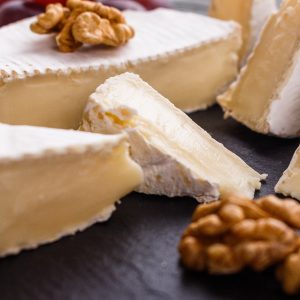
Nuvola di Pecora is a rare Italian sheep’s milk cheese with a soft, cloud-like texture and delicate flavor. Cheese lovers seek it out for its mild tang and creamy mouthfeel.

This artisanal pecorino comes from Sardinia, where small farms use traditional methods. Fresh sheep’s milk and natural aging create a cheese that feels both rustic and refined.

I love how Nuvola di Pecora melts easily on warm bread and pairs beautifully with honey or jam. It brings subtle grassy notes and a clean finish.

You taste the quality of the milk and the skill of the cheesemaker in every bite. Its airy, pillowy interior makes each slice feel luxurious, yet approachable for everyday cheese boards.

This post explores what makes Nuvola di Pecora unique. We talk about how it’s made, what it tastes like, and the best ways to serve it. You’ll find pairing ideas with wine, fruit, and charcuterie. We will also cover storage tips to keep its texture perfect.

If you enjoy discovering specialty cheeses, Nuvola di Pecora is well worth adding to your list. It’s a beautiful example of Italian craftsmanship and a delicious addition to any cheese experience.

Nuvola di Pecora Characteristics

Milk Source: 100% sheep’s milk

Fat Content: High-fat content typical of pecorino-style cheeses (exact % varies by producer)

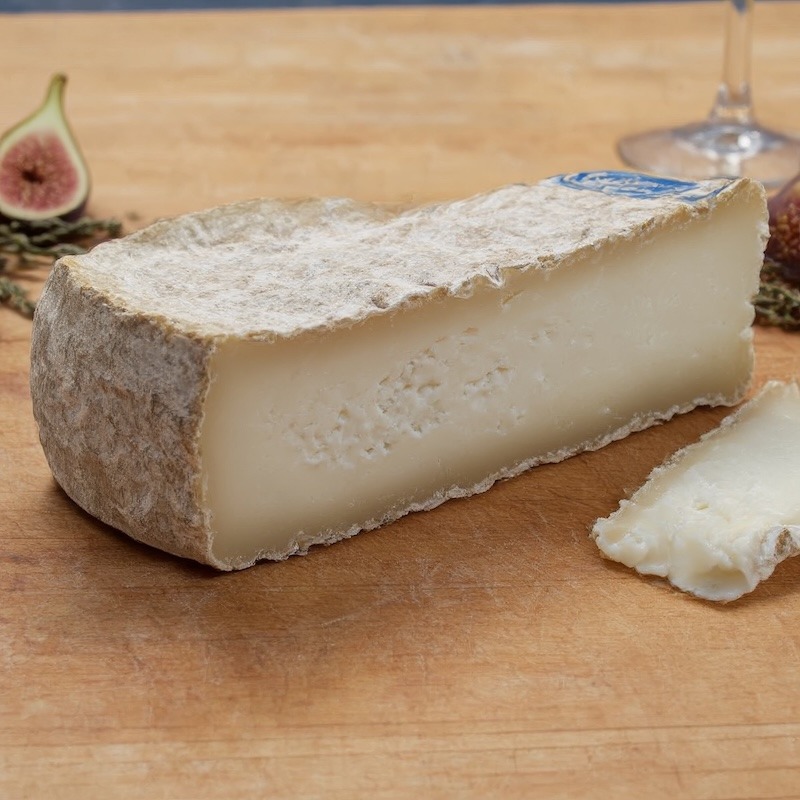
Texture: Soft, creamy, cloud-like interior; delicate and spreadable when warmed

Aging: Young cheese; generally aged from 20–60 days

Flavor: Mildly tangy, milky, slightly sweet with gentle grassy notes

Aroma: Fresh dairy scent with clean, subtle herbal tones

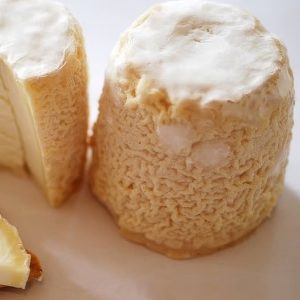
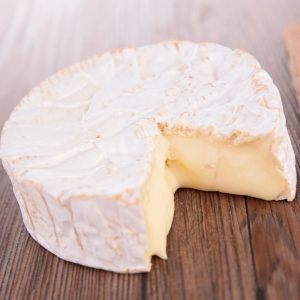
Rind: Thin, natural, often slightly bloomy or pliable

Interior: Pale and smooth with a uniform, airy structure

Size: Usually sold as small to medium wheels (varies by artisan producer)

Versatility: Excellent for cheese boards, melting, and pairing with fruit, honey, or charcuterie

Region: Sardinia, Italy

AOC/Protected Status: Not officially DOP/AOP, but traditionally produced in Sardinian regions

Milk Treatment: Can be raw or pasteurized depending on maker and export rules

Coagulation Type: Typically animal rennet

Shape: Round wheels or small discs

Color (Interior/Rind): Interior: white to ivory; Rind: light beige to off-white

Shelf Life: Best consumed within a few weeks of purchase; texture declines as it ages

Serving Temperature: Serve at room temperature for optimal creaminess

Traditional Season: Spring and early summer when sheep’s milk is at peak richness

Diet of Sheep: Natural pasture grasses and regional herbs, contributing to flavor complexity

Culinary Uses: Spread on bread, melted on crostini or vegetables, paired with fresh fruit, honey, light reds or crisp whites
Nuvola di Pecora Cheese

Nuvola di Pecora History

Nuvola di Pecora is a relatively modern expression of a very old Sardinian cheesemaking tradition. Sardinia has relied on sheep’s milk for thousands of years.

Archaeological evidence shows that shepherd communities on the island were already producing early forms of pecorino during the Nuragic civilization (1800–500 BCE). Sheep thrived on the rocky, aromatic landscapes, and milk preservation through cheesemaking became essential to survival.

Over centuries, Sardinian cheesemakers developed countless local styles of pecora (sheep) cheeses—some firm and salty for travel, others soft and fresh for immediate enjoyment. Nuvola di Pecora belongs to the latter lineage.

Its name means “Sheep Cloud”, highlighting its soft texture compared to more famous, harder pecorinos like Pecorino Romano or Fiore Sardo.

The cheese emerged as artisans began reviving gentle, minimally aged cheeses, aiming to showcase the pure flavor of fresh spring milk rather than extended aging. Small dairies adapted traditional techniques—raw milk, natural rennet, careful hand-molding—to create a cheese that captures the fleeting season when sheep’s milk is richest.

Today, Nuvola di Pecora is still produced in small batches by Sardinian cheesemakers dedicated to preserving heritage while appealing to modern tastes for creamy, delicate cheeses. It’s both a nod to the island’s history and a delicious evolution of it.

Leave a Reply

Your email address will not be published. Required fields are marked *

This site uses Akismet to reduce spam. Learn how your comment data is processed.