
Unlocking the Fresh Flavors and Health Benefits of Parsley

All About Parsley

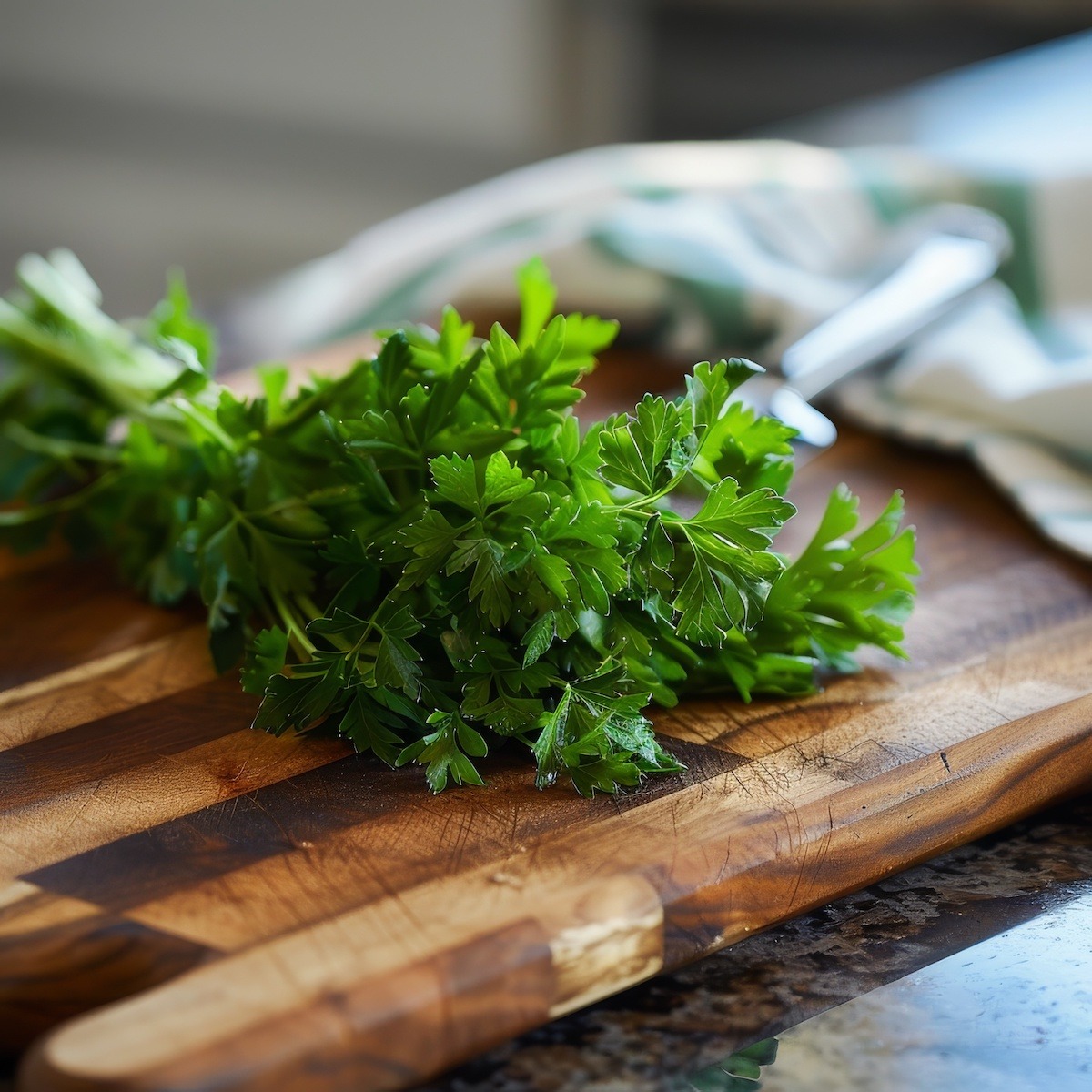
Parsley, with its vibrant green leaves and fresh, crisp flavor, is not just a garnish but a culinary powerhouse that has been prized for centuries. Belonging to the Apiaceae family, parsley (Petroselinum crispum) is a versatile herb used in cuisines worldwide, adding depth and brightness to dishes.

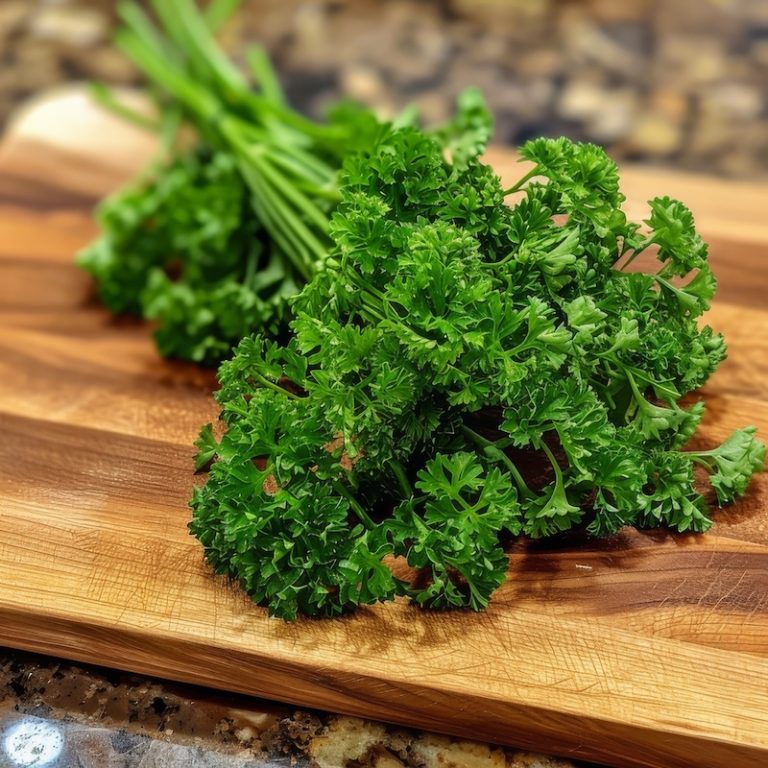
There are two main parsley types: curly and flat-leaf (Italian). Curly parsley is often used as a garnish for its decorative appearance, while flat-leaf parsley is favored for its stronger flavor and is commonly used in cooking. Both varieties boast an earthy, slightly peppery taste that can enhance a wide range of dishes.

One of the most appealing aspects of parsley is its nutritional value. It is rich in vitamins A, C, and K, iron, and folate. Additionally, parsley contains antioxidants such as flavonoids and volatile oils, which may have various health benefits, including reducing inflammation and supporting heart health.

Parsley is incredibly versatile in the kitchen. It can be used fresh or dried, and its flavor pairs well with numerous ingredients. From soups and salads to sauces and marinades, parsley adds a fresh and herbaceous element to dishes. In Mediterranean cuisine, it is a staple ingredient in tabbouleh, a refreshing salad made with parsley, bulgur wheat, tomatoes, and other herbs. In Italian cuisine, flat-leaf parsley is a key component of salsa verde, a zesty green sauce typically served with grilled meats or fish.

Beyond its culinary uses, parsley has also been valued for its medicinal properties throughout history. Traditional medicine has been used to aid digestion, freshen breath, and even alleviate symptoms of certain ailments. While modern science continues exploring its potential health benefits, parsley remains a beloved herb that is appreciated for its flavor and potential contributions to well-being.

Whether adding a finishing touch to a dish or taking center stage in a recipe, parsley’s bright flavor and nutritional profile make it a must-have in any kitchen. Its versatility and health benefits ensure that it will continue to be cherished by cooks and food enthusiasts for generations to come.

Tips for Cooking With Parsley

  • Choose fresh bunches – Look for vibrant green leaves with no yellowing; fresh parsley has the best flavor.

  • Rinse and dry well – Grit often hides in the leaves; wash thoroughly and dry with a towel or salad spinner.

  • Trim the stems – Use tender stems in cooking for added flavor, but remove the tougher lower stems.

  • Chop just before using – Parsley wilts and loses aroma once cut; prep it last for maximum freshness.

  • Use a sharp knife – A dull knife bruises the leaves, releasing moisture and dulling flavor.

  • Add at the right time – Flat-leaf parsley (Italian) is more robust and can be cooked briefly; curly parsley is better as a garnish.

  • Layer flavors – Add stems to stocks, soups, or braises for depth, and sprinkle fresh leaves at the end for brightness.

  • Balance your dish – Use parsley to cut richness in buttery, cheesy, or meaty dishes.

  • Don’t overdo it – Too much parsley can overwhelm; use it as a complement, not the main flavor.

  • Store correctly – Keep stems in a glass of water in the fridge, loosely covered with a bag, to extend freshness.

Curly Leaf Parsley
Curly Leaf Pasta
Curly-Leaf vs Flat-Leaf Pasta – Comparison Table

Curly-Leaf vs Flat-Leaf Pasta

Facet Curly-Leaf Pasta Flat-Leaf Pasta
Appearance Long ribbons with wavy, ruffled edges that create a frilled “leaf” look; thickness is usually even across the center with decorative edges. Smooth, flat ribbons or sheets with straight edges; width varies from narrow (tagliatelle) to very wide (pappardelle, lasagna).
Flavor Neutral wheat flavor like other durum pastas; ruffles trap more sauce, which can amplify perceived savoriness and seasoning. Clean wheat flavor and silky bite; even surface gives a more uniform sauce coating and a purer noodle-forward taste.
Culinary Uses Great with chunky ragùs, vegetable pieces, or creamy sauces that benefit from extra cling (e.g., lamb ragù, mushroom cream); visually striking for baked pastas and special presentations. Versatile: ideal for butter-or-oil based sauces, Bolognese, seafood sauces, and layered dishes (lasagna). Wide ribbons suit rich, slow-cooked sauces; narrower cuts match lighter sauces.
Availability Moderately available; common in specialty aisles and Italian markets, less common in basic pantry sets; fresh versions are occasional. Widely available in most groceries worldwide in both dry and fresh forms; multiple brands, sizes, and price points.

History

Parsley (Petroselinum crispum) has a rich history that spans thousands of years and is intertwined with various cultures and traditions worldwide.

  1. Ancient Roots: Parsley is believed to have originated in the Mediterranean region, with its cultivation dating back to ancient times. It was revered by civilizations such as the ancient Greeks, Romans, and Egyptians, who used it not only as a culinary herb but also for its medicinal properties and as a symbol of celebration and remembrance.
  2. Symbolism and Folklore: In Greek mythology, parsley was associated with the god of the underworld, Persephone, and was often used to adorn tombs and symbolize death and rebirth. In ancient Greece, athletes were crowned with parsley during the Olympic Games as a sign of victory and achievement. Similarly, in Roman culture, parsley was used to decorate banquet tables and was believed to ward off intoxication.
  3. Medicinal Uses: It has been valued throughout history for its medicinal properties. Ancient civilizations used it to aid digestion, freshen breath, and treat ailments such as arthritis and kidney stones. In medieval Europe, parsley was considered a potent diuretic and was used to treat urinary tract infections and other urinary disorders.
  4. Culinary Importance: It has been a staple herb in Mediterranean, Middle Eastern, and European cuisines for centuries. It is commonly used fresh as a garnish and as a flavoring agent in soups, stews, sauces, and salads. In Italian cuisine, flat-leaf parsley is a key ingredient in dishes like salsa verde and gremolata, while curly parsley is often used for decorative purposes.
  5. Modern Cultivation: Today, it is cultivated worldwide and is readily available in fresh and dried forms. It continues to be a popular herb in both home kitchens and professional culinary settings, prized for its fresh flavor, versatility, and nutritional benefits.


Why Do I See It In So Many Recipes?

Parsley’s ubiquity in recipes across various cuisines stems from its versatility, flavor profile, and nutritional benefits. Here are a few reasons why parsley frequently appears in recipes:

  1. Freshness and Vibrancy: Parsley’s vibrant green color and fresh flavor add visual appeal and brightness to dishes. Whether sprinkled over a finished dish or incorporated into a recipe, it can elevate the overall presentation and make the dish more appetizing.
  2. Balanced Flavor: Parsley has a balanced flavor profile complements various ingredients and dishes. Its slightly peppery and herbaceous taste adds depth without overpowering other flavors, making it a versatile herb that can be used in various cuisines and dishes.
  3. Enhanced Taste and Aroma: Parsley can enhance the taste and aroma of dishes. Its fresh and aromatic qualities can help round out flavors and create a more well-rounded culinary experience.
  4. Nutritional Benefits: Parsley is not just a garnish; it’s also packed with nutrients. It is rich in vitamins A, C, and K, iron, and folate. Additionally, it contains antioxidants and other beneficial compounds that may contribute to overall health and well-being. Including parsley in recipes is a simple way to boost the nutritional content of dishes.
  5. Culinary Versatility: Parsley can be used in various forms, including fresh, dried, or as part of a seasoning blend. It can be added to salads, soups, stews, sauces, marinades, and more, making it a versatile ingredient that can be incorporated into various recipes.
Some of My Favorite Ingredients

Leave a Reply

Your email address will not be published. Required fields are marked *

This site uses Akismet to reduce spam. Learn how your comment data is processed.