Pomegranates aren’t just beautiful—they’re packed with bright flavor, vibrant color, and surprising versatility. From salads and sauces to desserts and drinks, those ruby-red arils add sweetness, tartness, and texture in one small burst. Understanding how to select, cut, and use pomegranates properly helps you unlock their full potential in everyday cooking.
🍎 What’s So Great About Pomegranates?
- Sweet-Tart Flavor Pop: Each ruby-red aril bursts with bright juice that balances sweetness and tang, adding contrast to both savory and sweet dishes.
- Nutrient-Dense Superfruit: Pomegranates are rich in antioxidants, fiber, and vitamin C, making them as nourishing as they are beautiful.
- Incredible Visual Appeal: The jewel-like seeds instantly elevate salads, grain bowls, yogurt, desserts, and holiday platters.
- Versatile in the Kitchen: Eat the arils fresh, juice them, simmer into syrup, or reduce into pomegranate molasses for savory depth.
- Long Seasonal Window: In the U.S., pomegranates are typically in season from fall through early winter, right when festive cooking ramps up.
- Surprisingly Easy to Prep: With the right cutting method, removing the seeds is simple and far less messy than most people expect.
What Is a Pomegranate?
Pomegranates captivate with their jewel-like seeds, vibrant color, and sweet-tart flavor that instantly elevates any dish. Whether you’re looking to add a pop of freshness to salads, boost your morning yogurt, or create a stunning holiday centerpiece, knowing how to pick, cut, and use pomegranates makes all the difference.
This ancient superfruit, prized for antioxidants, fiber, and vitamin C, thrives in fall and winter, making it a seasonal favorite. In this guide, you’ll discover step-by-step methods to remove seeds without the mess, learn how to enjoy both arils and juice, and explore creative ways to incorporate pomegranates into your cooking, including a pomegranate molasses.
From kitchen tips to health benefits, this post turns the intimidating fruit into a must-have ingredient that’s fun, easy, and rewarding.
🍹 Pomegranate Flavor, Edibility & Juice Potential
- Sweet-Tart Flavor: Pomegranate arils burst with a vibrant balance of sweetness and tang, offering a refreshing pop with every bite.
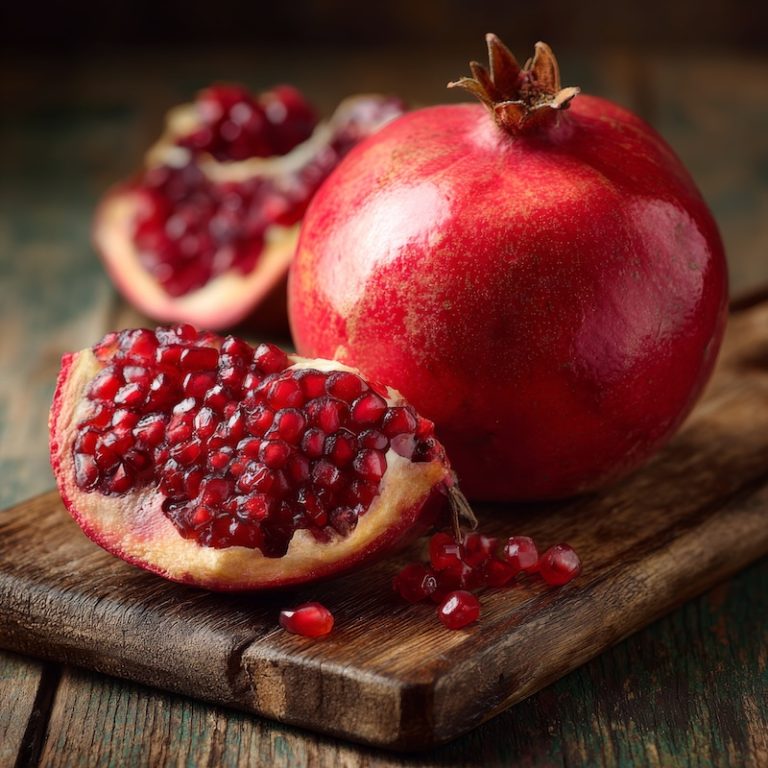
- What Can Be Eaten: The edible part is the juicy seed (aril) surrounding a small seed core. The white membrane and thick rind are bitter and usually discarded.
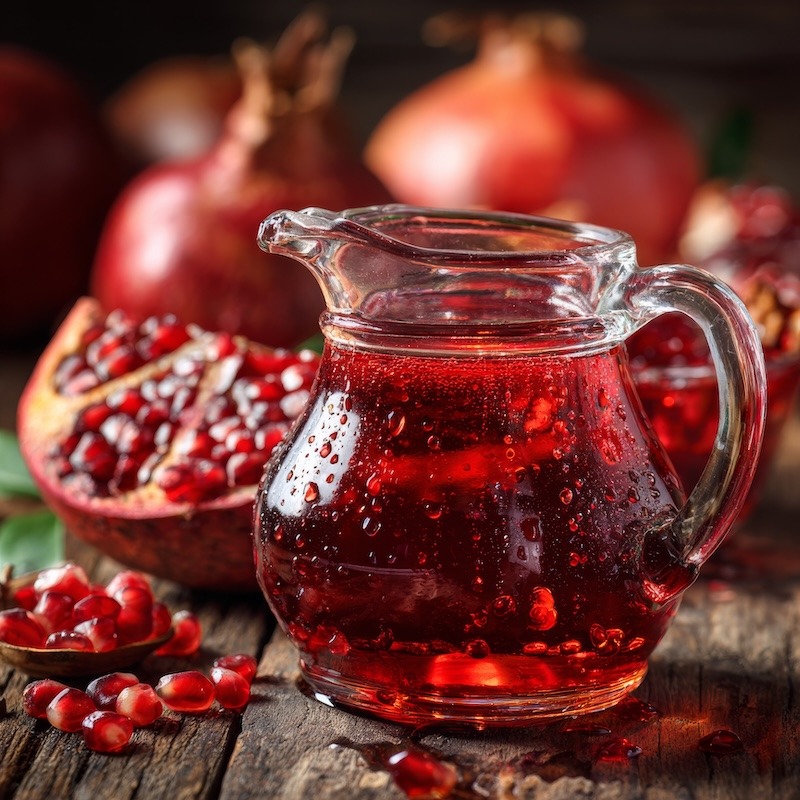
- Juice Potential: Each fruit yields rich, ruby-red juice perfect for drinking, cooking, or reducing into sauces, syrups, and pomegranate molasses.
❤️ Why People Love Pomegranates
- Superfruit Status: Packed with antioxidants, fiber, and nutrients, pomegranates deliver both flavor and health benefits.
- Visual Appeal: Their bright color and jewel-like seeds instantly elevate salads, desserts, and garnishes.
- Rich History & Culture: Pomegranates have old-world roots, appearing in ancient myths, religious texts, and global cuisine for thousands of years.
How to Use Pomegranates In Cooking
| How to Use Pomegranates | Description | Why It Works |
|---|---|---|
| Fresh in Salads | Sprinkle pomegranate arils over green salads, grain bowls, or roasted vegetable salads. | The sweet-tart burst balances savory ingredients and adds bright color and texture contrast. |
| Yogurt & Breakfast Bowls | Add seeds to yogurt, oatmeal, smoothie bowls, or chia pudding. | The juicy pop enhances creamy textures and adds natural sweetness without refined sugar. |
| Garnish for Meats | Scatter arils over roasted chicken, lamb, pork, or grilled fish. | The acidity cuts through rich proteins and adds visual appeal to plated dishes. |
| Pomegranate Juice | Press or blend arils to extract fresh juice for drinks or cooking. | The concentrated sweet-tart flavor works beautifully in cocktails, marinades, and glazes. |
| Pomegranate Molasses | Reduce juice into a thick syrup for sauces and dressings. | The deep, tangy sweetness adds complexity to Middle Eastern and Mediterranean dishes. |
| Desserts | Use arils in cakes, tarts, pavlova, or chocolate desserts. | The bright acidity balances sweetness and adds fresh texture. |
| Salsas & Relishes | Mix seeds with herbs, citrus, and chilies for a fresh topping. | The juicy crunch pairs well with grilled meats and seafood. |
| Freezing for Later | Freeze arils in a single layer and store for later use. | Maintains flavor and texture so you can enjoy pomegranates beyond their season. |
The Myth and History of the Pomegranate
Pomegranates trace their roots to ancient Persia and the Mediterranean, where people prized them for food, medicine, and symbolism. Civilizations across the Middle East cultivated the fruit for thousands of years, and cultures from Egypt to China celebrated its vibrant seeds as symbols of fertility, abundance, and life.
Ancient Greeks wove pomegranates into mythology, including the story of Persephone and the underworld. Biblical texts mention them repeatedly, and some scholars even suggest the “forbidden fruit” may have been a pomegranate. Romans called it the “Punic apple,” and Spain embraced it so fully that the city of Granada takes its name from the fruit.
Spanish missionaries later carried pomegranates to the Americas, where they flourished in California’s climate. Today, this once-mythic fruit continues to captivate cooks with its jewel-like seeds, bold sweet-tart flavor, and centuries-old culinary legacy.
Pomegranate FAQ
What is a pomegranate?
A pomegranate is a round fruit with a thick red rind filled with hundreds of edible seeds called arils. Each aril contains sweet-tart juice surrounding a small edible seed. Pomegranates grow best in warm climates and are typically in season from fall through early winter.
What do pomegranates taste like?
Pomegranates taste bright and sweet-tart. The juicy arils deliver refreshing acidity balanced by natural sweetness, making them versatile for both savory and sweet dishes.
Can you eat pomegranate seeds?
Yes, you can eat the entire aril, including the inner seed. The white membrane and outer rind are bitter and should be discarded.
How do you cut a pomegranate without making a mess?
Slice off the crown, score the skin into sections, and gently pull the fruit apart. Submerge the sections in a bowl of water and loosen the seeds. The arils sink while the membrane floats, making cleanup easy.
When are pomegranates in season?
In the United States, pomegranates are typically in season from September through January, with peak availability in October and November.
How do you know if a pomegranate is ripe?
Choose a fruit that feels heavy for its size, has firm skin, and shows deep, rich color. A slightly squared shape often indicates the seeds inside are fully developed.
How long do pomegranates last?
Whole pomegranates can last up to two months in the refrigerator. Removed arils stay fresh in an airtight container for about five days.
Can you freeze pomegranate seeds?
Yes. Spread the arils in a single layer on a baking sheet, freeze until solid, then transfer to a freezer-safe bag. They keep well for several months.
How much juice does one pomegranate yield?
One large pomegranate typically yields about ½ to ¾ cup of juice, depending on ripeness and variety.
What are the health benefits of pomegranates?
Pomegranates provide antioxidants, fiber, and vitamin C. Their antioxidant compounds, particularly punicalagins and anthocyanins, support overall health when included as part of a balanced diet.
What is pomegranate molasses?
Pomegranate molasses is a thick syrup made by reducing pomegranate juice. It delivers concentrated sweet-tart flavor and is commonly used in Middle Eastern and Mediterranean cooking.
Are pomegranate seeds and arils the same thing?
Not exactly. The aril is the juicy red outer coating, and the seed sits inside it. Most people eat the entire aril, including the seed.







2 Responses
the seeds in my pomegranate tree are very tart. I have eaten fruit that is sweet. Is this typical if some varieties or do I need to fertilize improve the sweetness?
The tartness of your pomegranate seeds could be due to the variety you have, as some naturally produce more acidic fruit. Varieties like ‘Wonderful’ tend to be more tart, while ‘Angel Red’ or ‘Eversweet’ are known for their sweetness.
However, soil conditions, watering, and fertilization can also impact sweetness. Ensure your tree gets enough potassium and phosphorus, which help with fruit development. Too much nitrogen can lead to lush growth but less sweet fruit. Also, allowing fruit to fully ripen on the tree before harvesting can improve sweetness.