
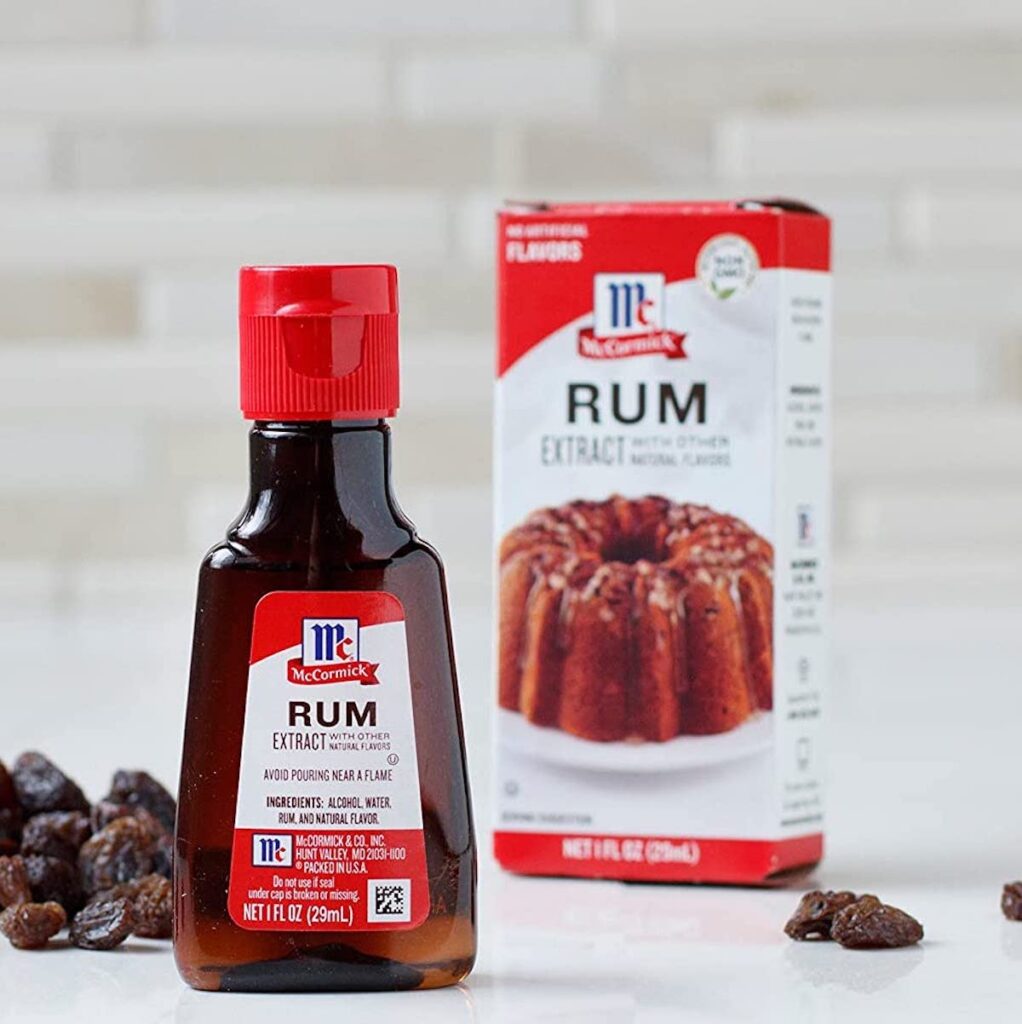

Rum extract isn’t just a pantry filler—it’s a concentrated flavor boost that can transform baked goods, sauces, and cocktails without the alcohol. Understanding how to use it properly ensures your recipes pop with that signature sweet, warm rum taste. Learn the tips and tricks to get maximum flavor with minimal effort.
Alcohol-Free Rum Alternatives for Flavorful Cooking and Cocktails
If you’re cooking or mixing drinks but don’t consume alcohol, you don’t have to skip recipes that call for rum. There are plenty of easy, delicious ways to substitute for rum — whether you’re making a rich dessert, a savory glaze, or a tropical mocktail. The key is understanding what rum brings to a dish: sweetness, warmth, depth, and sometimes a bit of spice.
For cooking, you can replace rum with common pantry ingredients like fruit juices, extracts, or even brewed teas. These mimic rum’s flavor profile without the alcohol. For cocktails, today’s growing market of alcohol-free spirits and rums offers even more options, delivering authentic taste and complexity.
In this guide, you’ll find simple substitutions for different types of rum — light, dark, spiced, and aged — along with tips on how to balance flavors in both food and drinks. Whether you’re avoiding alcohol for health, religious, or personal reasons, you can still enjoy your favorite recipes with a little creative tweaking. Read on for practical ideas that will help you cook and sip with confidence — no rum required!
Do Rum Extracts Work for Cooking & Cocktails?
For Cooking – Yes
- Great Flavor Substitute: Rum extract works well in baked goods, glazes, marinades, and sauces when you want rum flavor without alcohol.
- Concentrated Flavor: Because it’s potent, about ½–1 teaspoon of extract can replace 1–2 tablespoons of rum.
- Best Uses: Ideal for cakes, cookies, bread puddings, caramel sauces, and other recipes where rum adds aroma and background sweetness.
- Alcohol-Free Option: Alcohol-free extracts deliver the flavor profile of rum—sweet, slightly woody, and spiced—without adding alcohol.
For Cocktails – Not Really
- Lacks Body: Rum extract doesn’t provide the warmth, texture, or complexity of real rum.
- Mixing Issues: Many alcohol-free extracts are water-based and don’t blend well in drinks.
- Better Alternatives: Use a non-alcoholic rum substitute or build rum-like flavors with juices, syrups, spices, and a quality NA spirit.
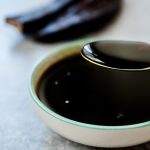
Alcohol Free Rum
Ingredients
- ⅔ cup water boiling
- ¼ cup raisins
- 2 tablespoons butter
- 4 teaspoons molassis
- 1 tea bag black tea
Instructions
- Add the raisins, butter, and molasses to a bowl containing the boiling water. Stir to combine.
- Add the tea bag of black tea to the water mixture and steep for 4 minutes.
- Refrigerate the mixture for 1 hour to let flavors combine.
- Strain the liquid through a fine strainer or coffee filter and use it as a substitute for dark rum.
Alcohol-Free Rum Substitutions
If you’re looking for a nonalcoholic substitute for rum in your favorite recipe, there are several options to choose from. Here are a few common nonalcoholic substitutes for rum:
When looking for a nonalcoholic substitute for rum in your favorite recipe, there are several options. Apple cider, pineapple juice, coconut milk, vanilla extract, and almond extract are all good options that can add a similar flavor to your dish. Just be sure to adjust the amount used based on the strength of the substitute.
| Substitute | Flavor Profile | How Much to Use (per 1 tbsp rum) | Best Uses in Cooking |
|---|---|---|---|
| Almond Extract | Sweet, nutty, strong flavor | ¼ to ½ teaspoon | Baked goods, desserts, fillings, sauces |
| Apple Cider | Sweet, fruity, similar to rum | 1 tablespoon | Glazes, marinades, sauces, braised dishes |
| Coconut Milk | Sweet, creamy, tropical | 1 tablespoon | Curries, sauces, baked goods, seafood dishes |
| Pineapple Juice | Sweet, tropical, citrus and vanilla notes | 1 tablespoon | Sweet & sour sauces, pork dishes, marinades |
| Vanilla Extract | Sweet, fragrant, strong flavor | ½ to 1 teaspoon | Baked goods, custards, desserts, sauces |
Do Extracts Contain Alcohol?
Rum extract typically contains between 35% and 40% alcohol by volume, about the same as some distilled spirits. This high alcohol content helps dissolve the vanillin and other aromatic compounds from the vanilla bean, making it a concentrated flavoring agent.
Despite its alcohol content, vanilla extract can be sold in grocery stores as non-alcoholic because it’s classified as a “flavoring” or “food product,” rather than an alcoholic beverage.
The FDA and other regulatory bodies recognize that rum extract is intended for cooking and baking, where it’s generally used in small amounts, and the alcohol essentially evaporates during cooking.
Since it’s not meant for drinking, it’s regulated differently from liquor and doesn’t fall under the same laws as alcoholic beverages for sale or consumption.
The Ever Growing Non-Alcoholic Beverage Market
The non-alcoholic beverage market has exploded in recent years, and rum alternatives are riding that wave. More consumers — from sober-curious drinkers to those avoiding alcohol for health, religious, or lifestyle reasons — want great-tasting options that deliver the same experience as traditional spirits. This demand has pushed brands to develop sophisticated non-alcoholic rums that go far beyond sugary syrups.
Today’s alcohol-free rums often use advanced techniques like botanical blending, vacuum distillation, and natural flavor extractions. These methods replicate the deep, complex character of rum — whether light, dark, spiced, or aged — without the alcohol. They provide the sweetness, spice, and warmth that bartenders and home mixologists rely on to craft balanced drinks.
This growing market has also influenced the cooking world. More recipes now recommend non-alcoholic rums for glazes, marinades, or desserts, making it easier for everyone to enjoy bold, rum-infused flavors without compromise.
As the industry continues to innovate, expect to see even more refined alcohol-free rums and wider availability at bars, restaurants, and retailers. Whether you’re making a classic Daiquiri or a rum-soaked cake, the new wave of non-alcoholic rums ensures you won’t miss out on flavor.
How Are They Made?
Non-alcoholic rum alternatives are crafted using a variety of techniques to mimic the flavors, aromas, and mouthfeel of traditional rum without the alcohol. Here’s how they are typically made:
| Technique/Aspect | Description | Common Ingredients/Methods | Key Differences from Traditional Rum |
|---|---|---|---|
| Distillation & De-alcoholization | Starts with real rum, removes alcohol using advanced methods | Vacuum distillation, reverse osmosis | No fermentation difference; process is more complex and costly |
| Botanical Blending & Flavor Extraction | Creates flavors from scratch using natural extracts | Molasses & cane sugar extracts, vanilla, caramel, toffee, spices (cinnamon, clove, nutmeg, ginger), oak extracts, smoke essences | No fermentation; relies on flavor building instead of natural rum development |
| Fermentation-Free Formulas | Skips yeast fermentation; builds complexity with extracts | Plant-based extracts, fruit distillates, spice infusions | No natural alcohol production; no fermentation |
| Mouthfeel & Texture Enhancers | Adds body, weight, and warmth to mimic alcohol mouthfeel | Glycerin, xanthan gum, plant-based thickeners, capsaicin, pepper extracts | No alcohol “burn”; mimicked using additives |
| Aging & Maturation Simulation | Replicates depth from aging | Oak extracts, charred wood infusions, short barrel-resting | No true aging; limited simulation of barrel effects |
Alcohol-Free Rum Substitutes FAQ
1. What is the best alcohol-free substitute for rum in cooking?
The best substitutes depend on the recipe. For sweetness and depth, try rum extract, molasses mixed with water, apple juice, pineapple juice, or vanilla extract. These options mimic rum’s sweet, caramel-like flavor without alcohol.
2. Can I use rum extract instead of rum in recipes?
Yes. Rum extract works well in baked goods, sauces, and desserts where rum provides flavor rather than liquid volume. Because it’s concentrated, about ½–1 teaspoon of extract can replace a tablespoon or two of rum.
3. What can replace rum in cocktails without alcohol?
Non-alcoholic rum alternatives are the closest option. You can also build rum-like flavor using pineapple juice, lime juice, brown sugar syrup, molasses, vanilla extract, and warm spices such as cinnamon or nutmeg.
4. Are there non-alcoholic rum spirits available?
Yes. Several brands produce alcohol-free rum alternatives designed specifically for cocktails. These products replicate the flavor profile of rum with notes of caramel, vanilla, and spice.
5. Can fruit juice replace rum in cooking?
Yes. Apple juice, pineapple juice, white grape juice, or orange juice can replace rum in many recipes, especially desserts, marinades, and sauces. They add sweetness and acidity similar to rum’s flavor balance.
6. What is a good substitute for dark rum in recipes?
Dark rum has deeper caramel and molasses flavors. Molasses mixed with water, brown sugar syrup, or apple juice with a splash of vanilla extract can mimic that rich flavor.
7. What can I substitute for rum in rum cake?
Rum extract combined with water or milk works well. Some recipes also use apple juice, pineapple juice, or a mix of brown sugar and vanilla extract to replicate rum’s sweetness and aroma.
8. Can I cook with rum substitutes without changing the recipe too much?
Yes. Most substitutes work best when replacing rum for flavor rather than volume. When a recipe uses rum primarily for moisture, replace it with juice, broth, or water along with flavoring like vanilla or molasses.
9. Do alcohol-free rum substitutes taste like real rum?
They capture many of the flavor notes such as caramel, vanilla, spice, and sweetness, but they usually lack the warmth and depth that alcohol provides.
10. Are alcohol-free rum substitutes suitable for baking?
Absolutely. They work especially well in cakes, cookies, sauces, glazes, and desserts where rum contributes flavor rather than alcohol.
11. What flavors define rum that substitutes should replicate?
Rum typically has notes of caramel, vanilla, molasses, tropical fruit, and warm spices. Good substitutes try to recreate some combination of these flavors.
12. Can molasses replace rum in cooking?
Yes, especially for dark rum. Mix a small amount of molasses with warm water to thin it out and add sweetness and depth to sauces, marinades, and baked goods.
13. Are alcohol-free rum substitutes safe for kids?
Yes. Most substitutes such as juices, molasses, or alcohol-free extracts contain little or no alcohol, making them suitable for family-friendly recipes.
14. What substitute works best for rum in marinades?
Apple juice, pineapple juice, or orange juice mixed with brown sugar, garlic, and spices works well to mimic rum’s sweet and slightly acidic flavor.
15. Can I make my own rum substitute at home?
Yes. A simple mixture of pineapple juice, apple juice, a small amount of molasses, and vanilla extract can create a rum-like flavor that works well in both cooking and mocktails.
Commercial Products
After doing a little research, I found a few rum substitutes that say they are alcohol-free. These include:


15 Responses
Where can I buy 1 gallon of rum extract?
That’s a lot of extract. I would do a search for institutional rum extract and see what comes up. Anyone else have an idea?
My recipe ask for 1/4 cup of rum,how much rum extract will I use to substitute the rum?
Hi Elton, I’m not sure but according to About.com,
• 2 Tablespoon rum = 1/2 to 1 teaspoon rum extract. If the liquid is an important part of the recipe, add enough water or apple juice to make up the difference.
• 1 Tablespoon dark rum = 2 Tablespoon rum extract.
• 5 Tablespoon light rum = 1 Tablespoon rum extract.
You’ll have to do the math.
Actually flavoring extracts, be they pure or imitation, contain alcohol unless specified otherwise (for example I’ve seen alcohol-free vanilla extract) so flavoring extracts still couldn’t be used by someone who’s trying to avoid alcohol altogether. I use the same brand of extract as the one you have pictured (which they have a good deal on at Walmart) and if you look on the back label on the ingredients list you’ll see “alcohol (25%)” listed (after propylene glycol and water) so I’m just saying you might want to update your blog o reflect that information more clear, lest someone get the idea that they’re avoiding alcohol altogether by using extracts.
Not everyone is old enough to buy rum, just saying.
But ANYONE of ANY AGE can buy RUM EXTRACT which is the point being made. *eye roll*
That was the point being made? Really?
I didn’t get that from any of the comments. I think maybe the eyeroll was a bit over the top.
IMO her response was to the poster saying there is alcohol in extract as well. The tone seemed belittling to those choosing not to use real rum.
I don’t want ANY alcohol used in recipes. Is a different extract available?
Sorry, more specific. Another flavor to be used in this recipe?
Not that I know of Julie.
To get a rum flavor without the alcohol, you can mix molasses with water until you get a similar taste to rum (it will be sweeter than rum, so you may have to cut the amount of sugar in the recipe). Rum is fermented molasses, and gets its flavor from the molasses.
Well, what do you know. I learned something today! Thank you?
Thank you ❤️
Vanilla extract and almond extract have as much alcohol as rum extract. Rum extract is not alcoholic because it has rum. It has alcohol because that’s how extracts are made.