

Shrimp Sauce Made Simple: Flavor Tips and Wine Pairings for Seafood

How to Prepare Shrimp Sauce for Some of Your Favorite Dishes

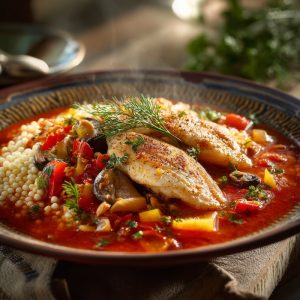
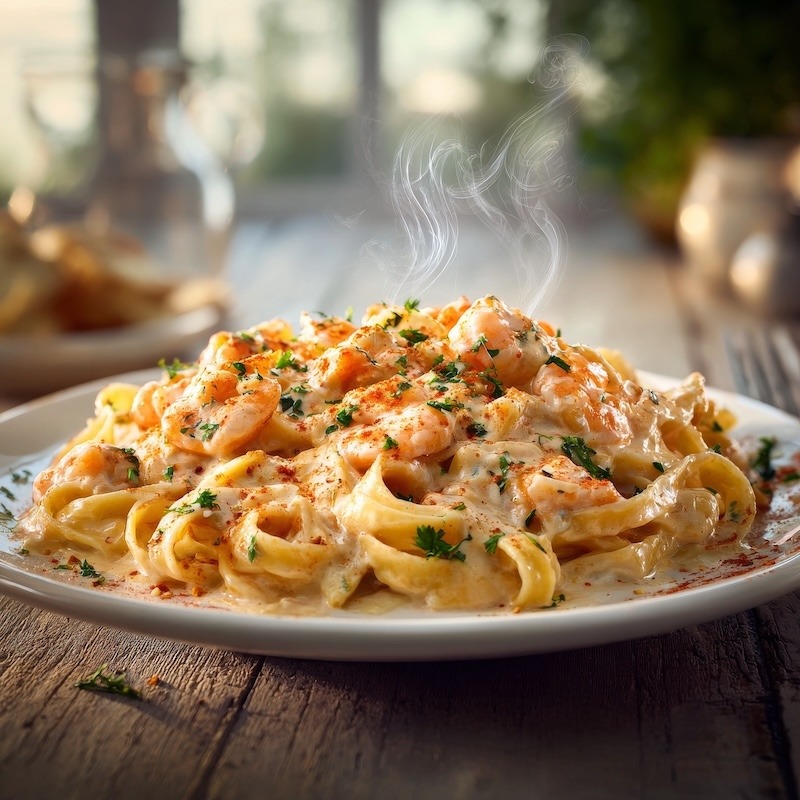
Shrimp sauce adds rich flavor and transforms simple dishes into something special. Home cooks love it because it is quick, versatile, and easy to prepare.

This sauce works well with pasta, rice, vegetables, and seafood. It also pairs beautifully with steak or chicken, making it a true kitchen staple. When you learn how to make shrimp sauce at home, you gain control over the ingredients and the flavor.

The best shrimp sauce balances savory depth with a touch of creaminess. Fresh garlic, butter, and spices bring out the natural sweetness of shrimp.

Many recipes also include cream or tomato for a smooth, velvety base. By experimenting with seasonings, you can tailor the sauce to your favorite dishes. Shrimp sauce is perfect for weeknight dinners or special occasions.

It cooks in minutes yet tastes like something from a fine restaurant. With the right techniques, anyone can master it.

In this post, you’ll learn how to make shrimp sauce step by step, discover tips for achieving the best flavor, and explore serving ideas. Once you try it, shrimp sauce will become a go-to recipe in your kitchen.

Shrimp Sauce Recipe

Learn how to prepare a sauce for all your favorite shrimp dishes.
Prep Time5 minutes
Cook Time15 minutes
Total Time20 minutes
Course: Sauces
Cuisine: American
Keyword: sauce
Servings: 6 servings

Ingredients

Instructions

  • In a medium-sized saucepan, heat the butter and quickly sauté the shrimp. Remove the shrimp and reserve.
  • Add the fish Velouté, heavy cream, and fish stock.
  • Reduce the sauce to the desired thickness, being sure to stir consistently.
  • Return the shrimp to the sauce.
  • Season with salt and peppers, and serve.

Cooking Tips for Shrimp Sauce

Ingredient Tip Why it matters
Butter Use unsalted butter and finish sauce with a knob of cold butter (monté) for shine. For nuttier depth, brown the butter first and add it near the end. Clarified or browned butter adds richness and a smooth mouthfeel without making the sauce greasy.
Shrimp Pat shrimp dry, season lightly, and sear in a hot pan until just opaque. Remove shrimp before finishing the sauce to avoid overcooking; return at the end to warm. Searing creates fond for flavor. Removing shrimp prevents rubbery texture and keeps them tender.
Fish Velouté Sauce Start with a properly made velouté (light roux + fish stock). Warm it gently and whisk into the sauce base to add body without heaviness. Velouté gives a silky, savory backbone that complements shrimp and supports the cream without thinning the sauce.
Heavy Cream Stir in cream over low heat and simmer very gently; do not boil. If you need a thicker sauce, reduce the stock first or finish with a small beurre manié. Gentle heat prevents splitting. Cream adds richness and smooth texture that balances acidity and spice.
Fish Stock Use a good-quality, reduced fish stock to deglaze the pan and build flavor. Reduce by simmering to concentrate taste before adding cream. Concentrated stock adds deep umami and a clean seafood character that lets the shrimp shine.
Cayenne Pepper Add cayenne in small increments near the end of cooking. Taste as you go; a pinch goes a long way. Balance with lemon or cream if heat gets strong. Cayenne provides bright heat without altering the sauce color or masking shrimp flavor when used sparingly.

Veloute Sauce

Velouté sauce is one of the five mother sauces in classical French cuisine, alongside béchamel, espagnole, hollandaise, and tomato sauce. Known for its smooth texture and rich flavor, velouté sauce is a versatile base that can be used in various dishes.

The name “velouté” is derived from the French word for “velvety,” which aptly describes its luxurious consistency.

This versatile sauce is commonly used as a base for soups, stews, and sauces, and it can also be served as a standalone sauce to accompany roasted meats, poultry, or vegetables. Whether used as a foundational element or a finishing touch, velouté sauce adds depth, richness, and a velvety texture to a wide array of culinary creations, making it a staple in professional kitchens and home cooking.

I’ve searched for commercial sources of Velouté sauce and found many commercial fish stocks available, but none were specifically for Velouté sauce. I’ll keep looking, but if you have a source, please share it below in the Comments section.

Wines That Pair Well With Shrimp Sauce

Wine Description Why it Works
Sauvignon Blanc Crisp, citrus-driven white wine with notes of lime, green apple, and fresh herbs. The bright acidity cuts through the richness of butter and cream, while citrus flavors echo the lemon in shrimp sauce.
Chardonnay (Unoaked) Clean, medium-bodied white with apple, pear, and mineral notes. Unoaked styles keep the sauce light and refreshing, matching the creaminess without overwhelming the shrimp.
Chablis Classic French Chardonnay from Burgundy with steely minerality and high acidity. Its minerality highlights the delicate seafood flavors, and the acidity balances the velouté and cream base.
Pinot Grigio Light, zesty white with flavors of lemon, pear, and almond. The crisp profile keeps the sauce lively, preventing heaviness and enhancing subtle spice from cayenne.
Champagne or Sparkling Wine Effervescent with bright acidity and notes of citrus, brioche, and apple. The bubbles refresh the palate, lift the richness of cream, and add elegance to shrimp dishes.
Rosé (Dry) Fresh, berry-driven wine with crisp acidity and light floral notes. Provides a versatile match that handles spice, balances richness, and adds a fruity contrast to shrimp sauce.

Cayenne Pepper

Cayenne pepper, scientifically known as Capsicum annuum, is a popular chili pepper renowned for its spicy flavor and vibrant red color. Named after the city of Cayenne in French Guiana, cayenne pepper is widely used in cuisines worldwide and is prized for its versatility and culinary benefits.

The heat of cayenne pepper comes from a compound called capsaicin, which is found in the seeds and white membranes of the pepper. Capsaicin is responsible for the burning sensation experienced when consuming spicy foods and has been associated with various health benefits, including pain relief, improved metabolism, and enhanced cardiovascular health.

In culinary traditions worldwide, cayenne pepper plays a central role in dishes ranging from Mexican salsas and Indian curries to Southeast Asian stir-fries and Caribbean jerk marinades.

Its bold flavor and fiery heat make it a beloved and indispensable ingredient in kitchens worldwide. It is cherished for its ability to add excitement and depth to a wide range of culinary creations.

Leave a Reply

Your email address will not be published. Required fields are marked *

Recipe Rating


This site uses Akismet to reduce spam. Learn how your comment data is processed.