
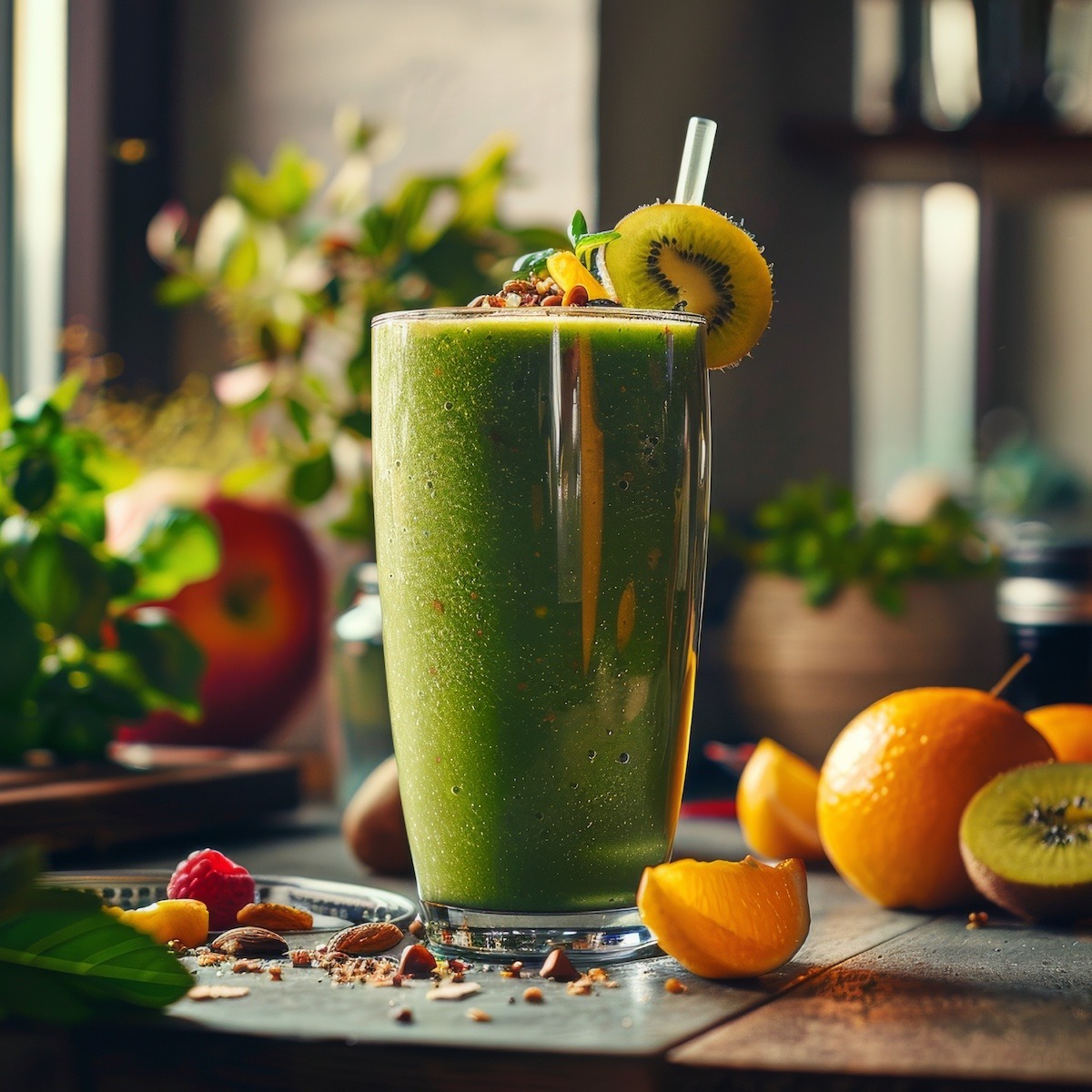

What Is A Smoothie and How Healthy Are They?
A smoothie is a thick, blended beverage made primarily from fruits and vegetables. It is often combined with other ingredients like dairy, non-dairy milk, yogurt, or protein powder. Blending until all ingredients are thoroughly mixed and no chunks remain typically achieves its consistency, which is typically smooth and creamy.
The origins of smoothies date back to the early 20th century, influenced by the invention of the electric blender. However, their widespread popularity surged in the 1960s and 1970s, with the health food movement emphasizing natural and unprocessed foods. The term “smoothie” is a nod to the drink’s texture.
A typical smoothie starts with a base, liquid like water, milk (dairy or plant-based), or fruit juice. This base helps the blender process the solid ingredients more efficiently. The main components of a smoothie are fruits and vegetables. Common choices include bananas, berries, mangoes, spinach, and kale, which contribute to the flavor and provide essential vitamins, minerals, and fiber.
Additional ingredients are often included to enhance the nutritional value and taste. Yogurt or kefir can add probiotics and protein, while nut butter and seeds (like chia or flax) contribute healthy fats and protein. Sweeteners such as honey, maple syrup, or agave can be added for extra sweetness, although the natural sugars in fruit are usually sufficient for most palates. Ice is sometimes added for a chilled, refreshing quality.
Examples of Some Popular Smoothies
These smoothies can be customized to suit dietary preferences and nutritional goals, making them versatile options for a healthy diet.
| Smoothie Name | Ingredients | Benefits |
|---|---|---|
| Green Smoothie |
Spinach or kale, Banana, Green apple, Greek yogurt or non-dairy alternative, Almond milk, Chia seeds (1 tbsp) |
Packed with vitamins, minerals, and fiber; a great way to add leafy greens. |
| Berry Blast Smoothie |
Mixed berries (strawberries, blueberries, raspberries, blackberries), Banana, Greek yogurt, Orange juice or water, Honey (optional) |
Rich in antioxidants and vitamin C; delicious and nutritious. |
| Tropical Mango Smoothie | Mango, Pineapple, Banana, Coconut milk, Lime juice, Flax seeds (1 tbsp) | High in vitamins A and C; flax seeds add omega-3 fatty acids. |
| Peanut Butter Banana Smoothie |
Banana, Peanut butter, Greek or non-dairy yogurt, Almond milk, Oats (1 tbsp), Cinnamon |
Great source of protein and healthy fats; ideal for breakfast or post-workout. |
| Chocolate Protein Smoothie |
Banana, Chocolate protein powder, Almond milk, Almond butter (1 tbsp), Spinach (optional), Vanilla extract |
Satisfies chocolate cravings while providing protein and nutrients. |
| Avocado Spinach Smoothie | Avocado (½), Spinach, Banana, Greek yogurt, Coconut water, Hemp seeds (1 tbsp) | Creamy and rich in healthy fats; supports heart health and provides fiber. |
| Strawberry Banana Smoothie | Strawberries, Banana, Greek or non-dairy yogurt, Milk or non-dairy milk, Honey (optional) | Tasty and nutritious classic; high in vitamins and great any time. |
| Detox Green Smoothie |
Cucumber, Celery, Green apple, Spinach, Lemon juice, Water or coconut water, Ginger |
Low-calorie, hydrating, and full of detoxifying ingredients. |
| Orange Creamsicle Smoothie |
Oranges or orange juice, Banana, Greek yogurt, Vanilla extract, Almond milk |
Tastes like dessert; packed with vitamin C and protein. |
| Oatmeal Smoothie |
Rolled oats, Banana, Greek or non-dairy yogurt, Almond milk, Cinnamon, Chia seeds (1 tbsp) |
Balanced with carbs, protein, and fiber; great for breakfast. |
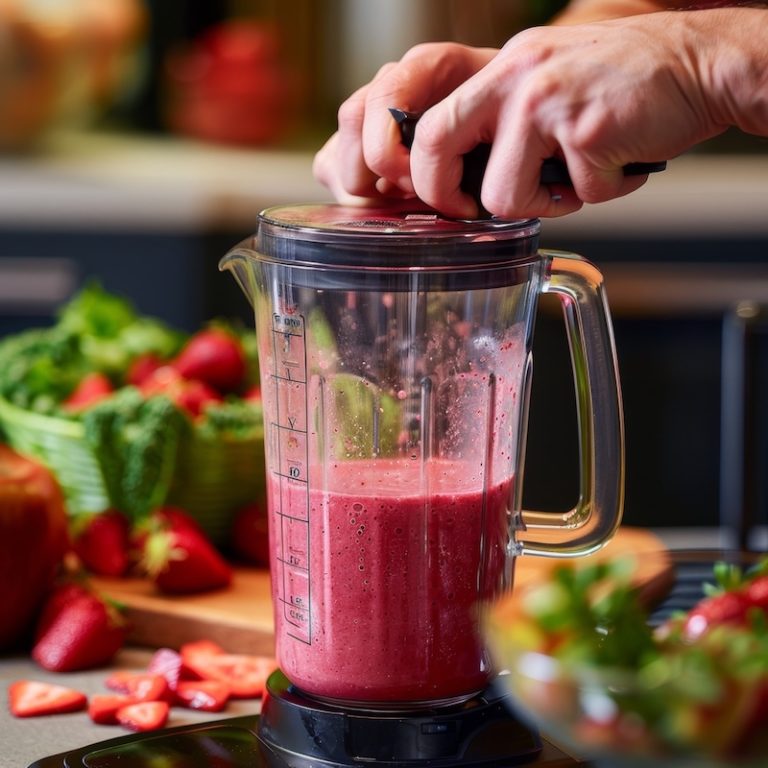
Are Smoothies Really That Good For You?
Smoothies can be very healthy, but their health benefits depend mainly on the ingredients used and how they fit into an individual’s diet. Here are several factors that determine the healthiness of smoothies:
Nutritional Content
Smoothies made with whole fruits and vegetables contain vitamins, minerals, fiber, and antioxidants. Ingredients like leafy greens (spinach, kale), berries, bananas, and avocados provide essential nutrients that can support overall health. For example, leafy greens are rich in vitamins A, C, and K, while berries contain antioxidants and fiber.
Added Ingredients
The healthiness of a smoothie can be compromised by adding certain ingredients. Sweeteners like sugar, honey, or flavored syrups can significantly increase the calorie content and lead to spikes in blood sugar levels. Similarly, high-fat ingredients like ice cream or excessive amounts of nut butter can turn a smoothie into a calorie-dense treat rather than a healthful snack or meal.
Portion Sizes
Portion control is essential. Even healthy ingredients can contribute to weight gain if consumed in large quantities. A smoothie intended as a snack should be smaller than one meant to be a meal replacement.
Balance of Macronutrients
A balanced smoothie contains a mix of carbohydrates, proteins, and fats. This balance helps to maintain energy levels, promote satiety, and support muscle repair and growth. Adding protein sources such as Greek yogurt, protein powder, or tofu can make smoothies more nutritionally complete, especially for those using them as meal replacements or post-workout recovery drinks.
Fiber Content
Whole fruits and vegetables retain their fiber content when blended, which aids in digestion and helps to keep you feeling full. However, juicing these ingredients removes most of the fiber, which can reduce the feeling of fullness and cause quicker spikes in blood sugar.
Individual Dietary Needs
The healthiness of a smoothie also depends on individual dietary needs and goals. For instance, those managing blood sugar levels must be cautious about the types and amounts of fruits they include. Similarly, someone aiming to increase protein intake for muscle building may need to add specific protein sources.
Homemade vs. Store-Bought
Homemade smoothies are typically healthier than store-bought versions, as they allow for control over the ingredients and portions. Many store-bought smoothies contain added sugars, preservatives, and artificial flavors, which can diminish their health benefits.

When Is A Smoothie Not Healthy?
While smoothies can be a healthy addition to one’s diet, they may be less beneficial in some circumstances. Here are some scenarios in which smoothies can be unhealthy:
| Concern | Description |
|---|---|
| High Sugar Content |
Added Sugars: Ingredients like honey, agave, or syrups raise calories and blood sugar. Fruit Juices: Juices add sugar without fiber, causing blood sugar spikes and potential weight gain. |
| Calorie-Dense Ingredients |
High-Fat Additives: Ice cream, full-fat yogurt, and coconut cream raise calorie levels. Overuse of Healthy Fats: Too much avocado, nuts, or seeds can work against weight goals. |
| Lack of Balance |
Missing Macronutrients: All-fruit smoothies lack protein and fat, leading to hunger. Too Much Fruit: Natural sugars from excess fruit may cause imbalanced nutrition. |
| Store-Bought Smoothies |
Preservatives & Additives: Many contain artificial flavors and preservatives. Hidden Ingredients: Extra sugars and fats can reduce the smoothie’s health value. |
| Portion Sizes | Large smoothies may contain more calories and sugar than intended, especially as a snack. |
| Dietary Restrictions | People with conditions like IBS or lactose intolerance should avoid certain ingredients like dairy or high-FODMAP foods. |
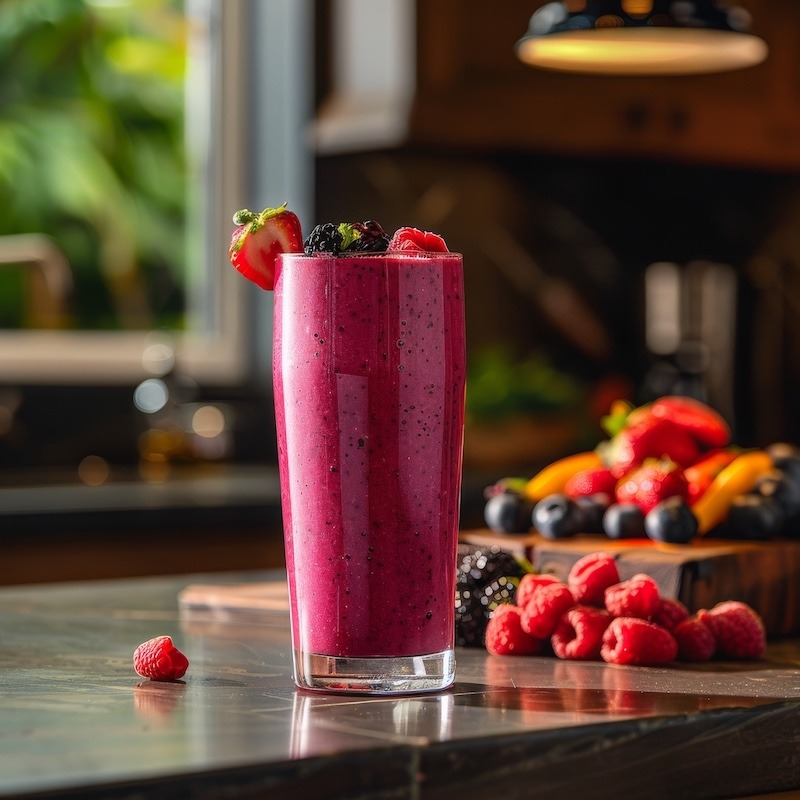
Benefits and Considerations When Adding Protein Powder to a Smoothie
Adding protein powder to a smoothie can be beneficial, depending on your dietary needs and health goals. Here are some reasons why it might be a good idea and what to consider:
| Category | Description |
|---|---|
| Increased Protein Intake | Protein supports muscle repair, growth, and overall body function. Protein powder helps meet daily protein needs, especially if your diet is lacking. |
| Enhanced Satiety | Protein keeps you feeling full longer. Adding it to smoothies can reduce snacking and help with weight management. |
| Convenient Nutrition | Protein powder offers a quick and easy way to boost nutrient intake, ideal for busy lifestyles. |
| Post-Workout Recovery | Protein aids muscle recovery and growth. A protein-rich smoothie after workouts supports muscle tissue repair. |
| Dietary Flexibility | Various types of protein powder (whey, casein, soy, pea, hemp) suit different diets, including vegan and lactose-free options. |
| Quality of Protein Powder | Some powders contain added sugars, fillers, or artificial ingredients. Choose high-quality products with minimal additives. |
| Caloric Content | Protein powders add calories. Be mindful if you're tracking your daily intake to avoid exceeding your goals. |
| Digestive Issues | Whey and other animal-based proteins may cause bloating or discomfort for some. Plant-based options are gentler for sensitive stomachs. |
| Balanced Nutrition | Don’t rely solely on protein. Include healthy fats, carbs, and fiber in your smoothie for a complete meal or snack. |
| Taste and Texture | Some protein powders affect flavor or consistency. Try different types to find one that blends well with your smoothies. |
Nutrition
Smoothies are not just a tasty treat but a powerhouse of nutrition. They are a convenient way to consume various nutrients, making them a top choice among health-conscious individuals and those with busy lifestyles.
The drink can be tailored to fit specific dietary needs or preferences, such as vegan, paleo, or gluten-free diets. Protein powders, superfoods (like spirulina or maca powder), and supplements can be added to boost specific nutritional profiles, catering to fitness enthusiasts or those seeking to address particular health concerns.
You can get a wide range of essential vitamins, minerals, and fiber by including smoothies in your diet.
Smoothies are not just healthy; they’re also incredibly convenient. They can be prepared in minutes, making them an ideal breakfast or snack option for busy people.
Many people use smoothies as a meal replacement or post-workout recovery drink thanks to their ability to provide a balanced mix of carbohydrates, proteins, and fats. With smoothies, you can enjoy a nutritious meal or snack on the go without compromising taste or health benefits.
Smoothies are a beverage, a canvas for creativity, and a gateway to a healthier lifestyle. They are a versatile, nutritious, and convenient way to enjoy a wide range of healthy ingredients in a delicious, easily consumable form.
Smoothies offer endless possibilities, whether for a quick breakfast, a nutrient-dense snack, or a meal replacement. You can experiment with different fruits, vegetables, and add-ins to create your unique blend.
Smoothies have carved out a significant niche in modern dietary habits, and with their endless variety, they’re here to stay.