

How to Make a Delicious Tarragon Sauce at Home
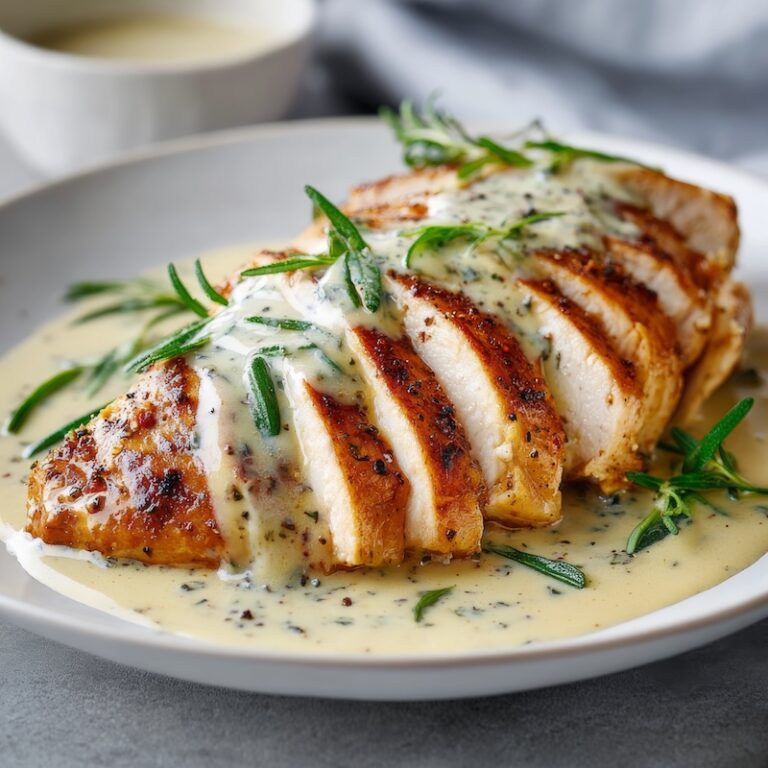
Tarragon sauce transforms simple dishes into gourmet delights. Its rich, herby flavor pairs perfectly with chicken, fish, or vegetables.
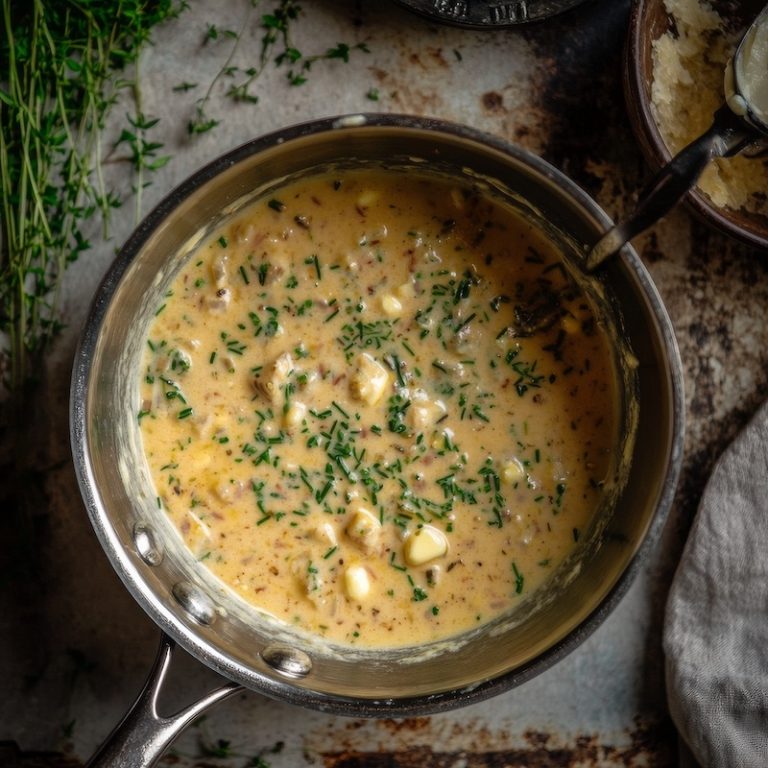
The secret? Fresh tarragon, shallots, and a touch of white wine. This sauce combines creamy butter with the depth of demi-glace for an exquisite finish.
Best of all, it’s quick and easy to make. You’ll need just a few ingredients: butter, shallots, white wine, demi-glace, and tarragon.
Each plays a key role: butter gives the sauce its silky texture, shallots add a mild, sweet onion flavor, white wine brings brightness, and demi-glace adds depth and richness. Finally, fresh tarragon provides the signature flavor that makes this sauce shine.
This recipe comes together in minutes. First, you’ll sauté the shallot in a bit of butter. Then, deglaze the pan with white wine to lift the flavors. Next, stir in demi-glace for a luxurious base. Finally, finish the sauce with fresh tarragon and a little more butter for smoothness.
Whether you’re impressing guests or treating yourself, this tarragon sauce will elevate your meal. It’s simple enough for a weeknight but sophisticated enough for a dinner party. Let’s dive in and create a sauce you’ll want to make again and again!
Tarragon Sauce Recipe
Ingredients
- 3 tablespoons butter divided
- 1 shallot minced
- ½ cup white wine
- 1 cup demi glace
- 1 tablespoon tarragon chopped
- salt and pepper to taste
Instructions
- Melt 2 tablespoons of the butter in a saucepan and sauté the shallot for approximately 2 minutes (or until transparent).
- Deglaze the pan with the wine and reduce for 2-3 minutes.
- Add demi glace, stir and simmer until the sauce is thick enough to coat a spoon.
- Add the tarragon and finish with the remaining tablespoon of butter.
- Season to taste with salt pepper and serve.
What Pairs Well with Tarragon Sauce
| Food | Description | Why It Works with Tarragon Sauce |
|---|---|---|
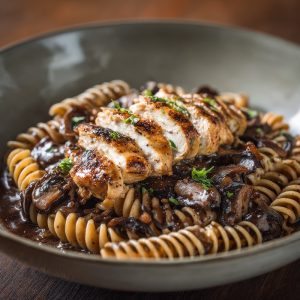
| Chicken | Roasted, poached, or pan-seared poultry | Tarragon’s gentle anise note highlights chicken’s mild flavor without overpowering it. |
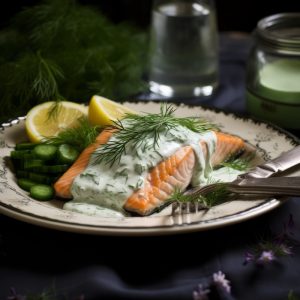
| Salmon | Grilled or baked fatty fish | The herb cuts through richness while adding a fresh, aromatic lift. |
| Halibut or Cod | Lean white fish with a clean flavor | Tarragon adds complexity and elegance to otherwise delicate fish. |
| Eggs | Scrambled eggs, omelets, or poached eggs | The herb’s subtle sweetness pairs naturally with eggs’ creamy texture. |
| Asparagus | Steamed or roasted spears | Both share grassy, green notes that reinforce each other. |
| Mushrooms | Sautéed button, cremini, or wild mushrooms | Earthy mushrooms balance tarragon’s brightness for a rounded flavor. |
| Potatoes | Boiled, roasted, or mashed potatoes | Neutral starch absorbs the sauce, letting tarragon shine. |
| Veal | Cutlets or roasted veal | Classic French pairing where tarragon enhances veal’s delicate savoriness. |
| Shrimp | Poached or sautéed shrimp | The sauce adds herbal depth without masking shrimp’s sweetness. |
| Green Beans | Blanched or sautéed haricots verts | Tarragon reinforces fresh, vegetal flavors while adding perfume. |
About Tarragon

Tarragon is a flavorful herb with a unique, slightly sweet, and anise-like taste. Cooks often use it to enhance chicken, fish, and egg dishes. Its delicate leaves release their aroma when chopped or cooked, making it a popular choice in French cuisine.
The herb belongs to the sunflower family. It grows best in sunny areas with well-drained soil. There are two main types of tarragon: French and Russian. French tarragon is the star in the kitchen. Its flavor is more refined and consistent. Russian tarragon, on the other hand, has a harsher taste and is less commonly used for cooking.
Tarragon pairs well with creamy sauces, vinegars, and mustard. It’s a key ingredient in béarnaise sauce and tarragon vinegar. Fresh tarragon offers the best flavor, but dried tarragon works well in recipes with longer cooking times.
Besides its culinary uses, tarragon has a long history in traditional medicine. People have used it to aid digestion, improve appetite, and even soothe toothaches.
Whether you’re seasoning a dish or crafting a special sauce, tarragon adds depth and complexity. It’s a small herb with big culinary potential, bringing a touch of elegance to any meal.


2 Responses
This looks good.
Thanks for reaching out.