

Petit Basque (P’tit Basque)
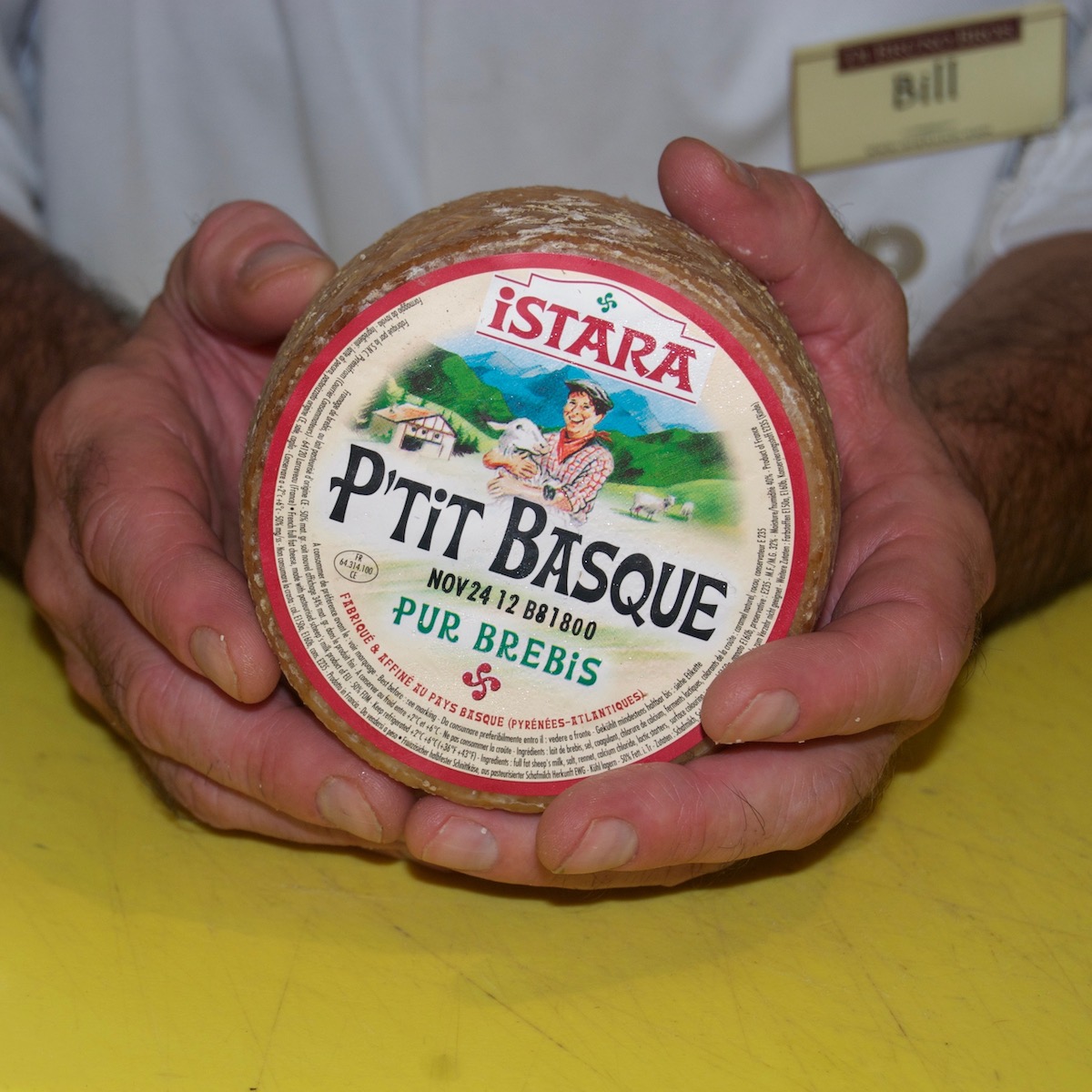
P’tit Basque is a traditional, semi-hard cheese from the Basque region of France, known for its rich flavors and rustic charm. Made entirely from sheep’s milk, it has gained popularity worldwide for its smooth, mild taste and delicate texture, offering a unique alternative to the more commonly found cow’s milk cheeses.
Aged for approximately 70 days, this cheese develops a subtle, earthy aroma and a creamy, nutty flavor profile that pairs beautifully with various dishes. Despite its name, which means “little Basque,” P’tit Basque is full of robust character.
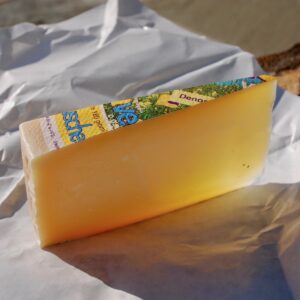
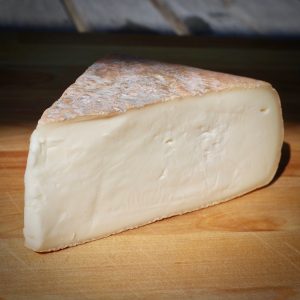
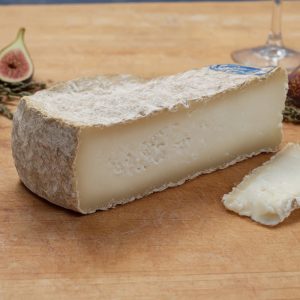
Its golden rind and smooth, pale interior make it visually appealing on any cheese board, while its versatility in cooking makes it a favorite among home chefs. Whether served with fresh fruits, cured meats, or melted into a hearty recipe, this cheese brings the flavors of the French countryside to the table.
In this post, I’ll explore the origins of P’tit Basque, delve into its unique production process, and offer tips on how to enjoy it best, whether you’re hosting a gathering or indulging in a quiet evening snack. Get ready to discover why this small but mighty cheese has captured the hearts of food lovers worldwide.
Characteristics
Here are the key characteristics of P’tit Basque cheese. This cheese is perfect for those seeking a mild, approachable sheep’s milk cheese that complements a variety of culinary applications.
| Characteristic | Description |
|---|---|
| Milk Source | Pasteurized sheep’s milk |
| Texture | Semi-hard, smooth, and supple |
| Aging | Aged about 70 days |
| Flavor | Mild, nutty, creamy, with hints of caramel and grass |
| Aroma | Pleasantly milky with a hint of lanolin |
| Rind | Natural brown-orange rind, often ridged from the mold |
| Interior | Pale ivory, compact, smooth |
| Size | Small drum; approx. 1.25 lb (600 g), 10 cm diameter |
| Versatility | Great for cheese boards, grating, melting, or snacking |
| Region | French Basque Country (Pyrenees) |
| AOC/Protected Status | Not AOC, but inspired by traditional Ossau-Iraty methods |
| Milk Treatment | Pasteurized |
| Coagulation Type | Enzymatic (rennet-set) |
| Shape | Small cylindrical wheel |
| Color (Interior/Rind) | Ivory interior; orange-brown natural rind |
| Shelf Life | Several weeks refrigerated; best within 1–2 weeks of opening |
| Serving Temperature | Room temperature |
| Traditional Season | Available year-round; peak in late spring to early fall |
| Culinary Uses | Sliced on bread, melted on vegetables or meat, cheese plates |
What to Serve With
Since Petit Basque is a relatively mild sheep milk cheese, it is a good one to start with if you are unfamiliar with sheep milk cheeses. The flavor is mildly “sheepy,” nutty, and somewhat fruity.
I typically serve cheese with whatever wine I drink, but I have read that Petit Basque goes well with most red wines, including Beaujolais, Merlot, and Viognier.
| Serving Method | Description | Why It Works |
|---|---|---|
| Cheese Board | Sliced into wedges or small cubes alongside fruits, nuts, and charcuterie. | The firm texture and nutty flavor complement other cheeses and snacks, making it perfect for sharing. |
| Melting on Vegetables | Grated or sliced over roasted or steamed vegetables, then briefly broiled or baked. | The creamy, mild flavor enhances vegetables without overpowering them, and it melts smoothly. |
| Sandwiches & Paninis | Thinly sliced and added to sandwiches or grilled paninis. | Adds a nutty, slightly sweet flavor and creamy texture that balances meats and bread. |
| Grated Over Pasta | Freshly grated Petit Basque sprinkled on pasta dishes instead of Parmesan. | Its firm texture and subtle nutty notes enrich sauces and pasta without being too salty. |
| Snacking | Served in small cubes or slices as a simple snack with crackers or bread. | Easy to enjoy on its own; the texture and flavor are satisfying without additional accompaniments. |
| Baking | Used in quiches, tarts, or savory pastries. | Maintains its shape when baked, adding flavor and richness to dishes without becoming greasy. |
What To Expect
When tasting P’tit Basque, you can expect a delightful blend of mild yet distinctive flavors and textures. Here’s what you’ll notice:
- First Impression: The aroma is subtle yet earthy, typical of sheep’s milk cheeses, but without being overwhelming.
- Texture: Upon the first bite, the semi-hard texture feels smooth and firm, yet it melts gently in the mouth. The cheese is creamy without being overly soft.
- Flavor: The taste is mild and slightly sweet, making it more approachable than some stronger sheep’s milk cheeses. Nutty and buttery notes dominate, with a hint of grassiness or earthiness that reflects its rustic origins. A pleasant balance of sweetness and a slight tang enhances its complexity without overpowering your palate.
- Finish: The aftertaste is clean and smooth, leaving behind a gentle, lingering creaminess with a faint salty kick that elevates its overall flavor profile.
P’tit Basque offers a rich, nutty flavor with just enough sweetness and earthiness to make it versatile and memorable. It is ideal for both casual snacking and more gourmet pairings.
The Rest of the Story
Many of the world’s great cheeses have existed for hundreds of years. Interestingly, although Petit Basque (sometimes spelled P’tit Basque) is made using traditional methods, it is a new cheese, first produced in 1997 by the large French dairy corporation Lactalis.
If you think you’ve never heard of Lactalis, think again. Have you ever heard of the Sorrento, President, or Rondele cheese brands? All of these brands are under the Lactalis umbrella.
So, why this new sheep milk cheese when plenty of well-known cheeses are on the market (Spanish Manchego comes to mind immediately)? Often, sheep milk cheese is a bit of an acquired taste. It can be quite assertively “sheepy.”
Lactalis most likely wanted to produce a more accessible sheep milk cheese that would appeal to a broader segment of the American market.” Almost half of the Petit Basque produced is marketed in the United States.
A Little History
P’tit Basque has a relatively modern history compared to many traditional cheeses. Still, its roots are deeply connected to the Basque region’s long-standing sheep farming and cheese-making tradition. French dairy producers developed the cheese in the early 1990s, seeking to create a product that captured the essence of the region’s sheep’s milk cheeses but with a more accessible, milder flavor suitable for broader markets.
The Basque region in the Pyrenees Mountains between France and Spain has been known for centuries for its pastoral lifestyle, where sheep have long been central to agricultural practices. Cheeses like Ossau-Iraty, another famous Basque sheep’s milk cheese, inspired P’tit Basque. While traditional Basque cheeses tend to have strong, bold flavors, P’tit Basque was explicitly created to appeal to a wider audience by offering a softer, sweeter profile.
The cheese’s name, “P’tit Basque” (meaning “little Basque”), refers to its small size and its connection to the Basque cultural heritage. Though relatively new, P’tit Basque has quickly become popular worldwide, admired for its blend of traditional craftsmanship and modern, approachable taste.

34 Responses
What is the best method to store after cutting?
Great question and one I’ve asked Cheeseman Jack. He said to wrap it up in plastic wrap or better yet, wrap it up in the paper it was sold in, that is if you purchase a chunk of cheese and not a whole piece, and then wrap that up in plastic wrap.
I have been using a Food Savor system at home and find my cheeses last much longer. It is a little bit more effort to take out the appliance but I am not throwing out as much cheese.
May the rind of the P’tit Basque cheese be eaten. Of course, the wax coating has been removed. Thanks Earl
Yes, the rind of Petit Basque cheese is edible. It is a natural, brown-orange rind formed during the aging process and often has a slightly firmer texture than the interior. While it is safe to eat and contains flavor, some people find it a bit stronger or earthier than the creamy, nutty cheese inside. Eating the rind can add a rustic, slightly tangy note to the cheese experience, especially when paired with bread, fruit, or charcuterie. However, if the texture or flavor isn’t to your liking, it’s perfectly fine to trim it off and enjoy just the interior.
Yummy!
I think the rind is FINE to eat.
I always eat the rind. It doesn’t taste that different from the cheese itself. It certainly doesn’t taste like the icky rind on St. Andre et al.
Am American born from a French family. I was always chastised for not eating the rind…until I asked my French cousins & a hotelier there… they don’t eat it either although a majority of French probably do eat it. If you like the taste of the rind, then eat it and if you don’t, then don’t. Hard core cheesies may say you have to but its OK to ignore them.
Hi Marc, thanks for your input. Great advice! – RG
Label on Costco Petit Basque states that milk was pasteurized.
You are correct and thank you for pointing this out. I went back and did a little research and learned Petit Basque does come from pasteurized milk. – RG
I just discovered this cheese today – it’s absolutely wonderful! My nine-year-old really likes it, too. Thank you for sharing your serving tips.
You are very welcome Rikke – RG
About a month ago I was told to avoid all cow’s milk products–very distressing as I LOVE cheese. I found one or two goat cheeses that were ok, but not great, I found this cheese yesterday at Costco and it is wonderful! Trying to pace myself but after a month without cheese it isn’t easy. Any other suggestions for good non-cow cheese would be most appreciated.
Hi KP, I’ll post some more of my favorite non cow cheeses soon. Thanks for your interest. – RG
Try the Bermuda Triangle, it’s a wonderful ash rind goats’ milk cheese
P’tit Basque is one of my all-time favorite cheeses! I usually buy it at Costco but recently found it at Fresh and Easy. Costco’s price is approx. $5 less per lb, but you have to buy a whole wheel. At Fresh and Easy it is packaged in smaller wedges which is good if you want to buy just a little to try it.
Love this cheese. Goes very well with roasted chicken, thin slices honey glazed ham as a grilled cheese sandwich. I have goats and sheep which I do milk and play with making cheese, any clue as to the culture used in the make for this cheese?
The best cheese I have ever had!
Having some now with a Louis Jadot Beaujolais Villages. Very nice.
Best cheese ever!! $10.99/lb at trader joes; sold in small wedges. So mad they were out of stock as of this morning. Next best price is Costco at $12.99/lb sold as a whole wheel. I’ve been pairing it with my fave Cab wine of the week. Willing to try manchego and Comte next. Who knew I was a cheese snob?:)
What is the rennet used for P’tit Basque?
What type of rennet is used in P’tit Basque? I do not use animal rennet and just saw this cheese, but the label doesn’t specify.
Hi Katey, Petit Basque cheese is traditionally made using animal rennet, specifically calf rennet, which is used to coagulate the sheep’s milk. This enzymatic rennet helps develop the firm texture and characteristic flavor of the cheese during its aging process.
My wife fell in love with Petit Basque Yogurt while in Provence, are you able to import ? I have been unable to find any French yogurt around NYC, but did find it in Aruba. Do you know of anyone selling in the USA ?
I serve my P’tit Basque on my wooden cheese curler. It makes a beautiful presentation and the cheese flowers go beautifully on crackers of choice. I recommend using a plastic dome to keep the cheese fresh, even when cleaning the knife. Bosca of Holland sells several styles of cheese curlers and the dome. Enjoy!
You can find an amazing Basque cheese at Trader Joes. It’s called Mini Basque at $11.99 a pound and an average size of 3 quarters of a pound. It is very delicious! I just bought it and am savoring it for the first time with a glass of dry buttery French wine. Very much recommend this cheese.
Found this great cheese at Costco. Great price and took it to our cabin. Dog loves the rind and just amazing how Costco is so much cheaper than anyone else!
We received this cheese as a gift in the mail! Does it need to be refrigerated?
I would refrigerate it.
I too stumbled upon P’tit Basque at Costco and now consider it my all-time favorite. I’m one of the people who enjoy the taste of the rind. One question…has anyone found an easy way to remove the wax coating while leaving the rind intact? I’ve purchased a few wheels where the plastic peeled off smoothly, in large sheets, but generally it’s bound rather tightly to the rind and requires a great deal of scraping. Regards
Hi M Lipcsik, yes, you can remove the wax coating from Petit Basque while keeping the natural rind intact, but it requires a gentle approach. One easy method is the warm water technique: briefly dip the cheese in warm (not hot) water for 10–20 seconds. The wax softens slightly, making it easier to peel away with a thin knife or your fingers. Another option is the scoring method, where you lightly score the wax around the edges and then carefully pull it off in small sections.
You can also try the room temperature approach by letting the cheese sit out for 30–60 minutes. As the wax warms and becomes more pliable, it can be removed without cracking or damaging the rind. The key is to work slowly and carefully, removing only the wax and preserving the firm, flavorful rind beneath. This way, you can enjoy the full taste and texture of Petit Basque without the interference of wax.
Costco P’tit Basque comes in rounds about 1.25 pounds each. The wax is very thin so you should use a small chef’s pairing knife to help to get it off. We would NOT run warm water on the cheese to remove the wax. Cut a wedge from the top to the bottom of the round. It’s easier to get the wax off that way. Let the chesse come to room temperature a little to get the wax to loosen. DO wrap in plastic wrap the portion that is exposed and place it in the cheese section of your fridge. The rind is very tasty. See if you can get used to it as it’s a pretty expensive cheese. Just paid $20 for a round last Friday.
I tried this beautiful chesse to which is absolutely amazing and even better it was on promotion in my local Waitrose.
Does the cheese melt easily?
If you slice it thin or coarsely grate it, it will melt just fine.
Hi Natalie, thanks for that warning. Not only was it too much salt, it was just too much chili for home cooks. The original recipe would have feed a small Olympic team. I found this recipe online from Zane that is more manageable for home cooks. Thanks for your comments. One way to make it less salty is to add a starch like a potato or even a little bit of flour. You can also try adding some cream.
Its vital to always eat cheese at room temperature. If it’s cold the flavor is suppressed. This is obvious, but I just wanted to mention it.