

Best Beef Stew Recipe | How to Make Classic Beef Stew at Home

These Ingredients Changed My Beef Stew Forever

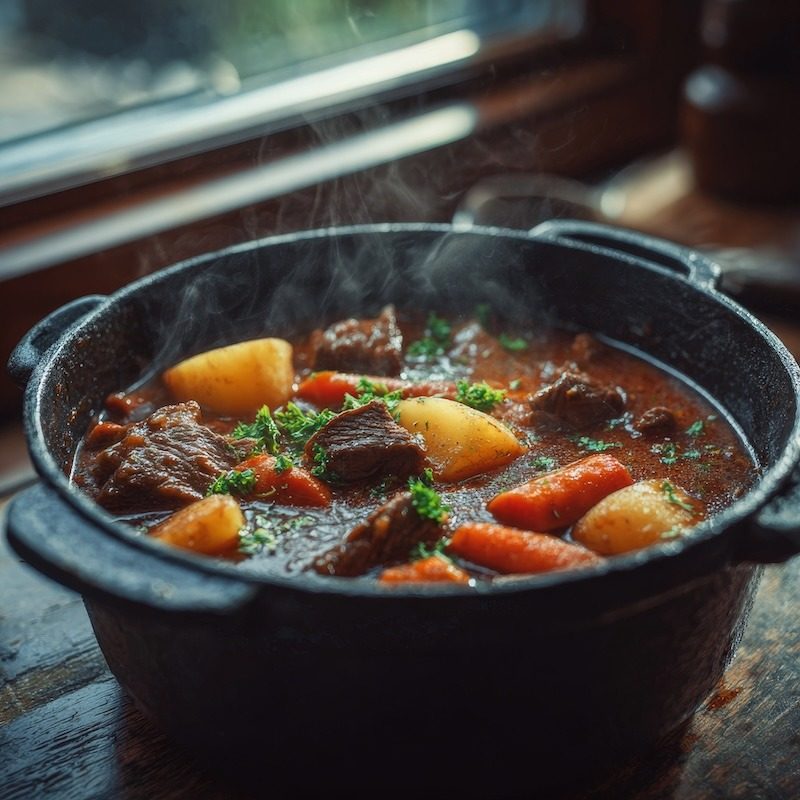
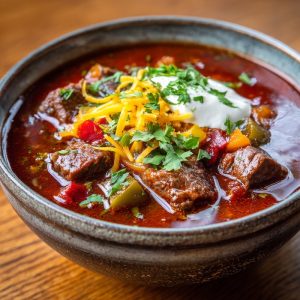
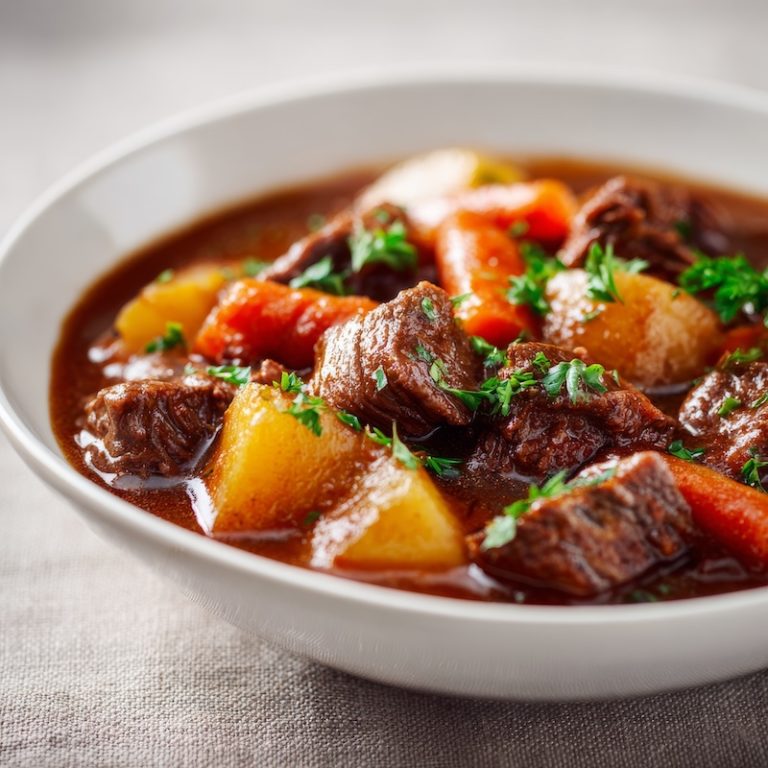
This classic beef stew recipe brings comfort to the table and confidence to your kitchen. It delivers rich flavor, tender beef, and a deeply satisfying broth. Every bite tastes like slow cooking done right. This is the kind of homemade beef stew that fills the house with warmth and makes dinner feel special.

This recipe uses simple ingredients and time-tested techniques. You brown the beef for bold flavor. You build layers with aromatics, herbs, and hearty vegetables. You let the stew simmer low and slow until the meat turns fork-tender and the broth turns rich and savory. No shortcuts. No bland results.

If you want the best beef stew recipe for home cooking, this is it. It works for weeknight dinners and lazy weekends. It freezes well. It reheats beautifully. The flavor improves overnight, making it perfect for meal prep and make ahead meals.

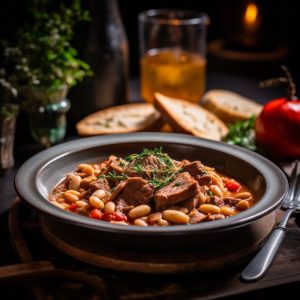
This beef stew is thick, hearty, and packed with comfort. It pairs perfectly with crusty bread or creamy mashed potatoes. Whether you are learning how to make beef stew from scratch or refining your go to recipe, this dish delivers dependable results every time.

Grab your pot. Let’s cook a stew worth remembering.

The Secret Ingredients

Ingredient Description Why It Works
Fish Sauce or Anchovy Paste Just a small splash adds umami and complexity. Boosts depth of flavor without tasting fishy.
Soy Sauce or Worcestershire Sauce Dark, fermented sauces with layered savory flavors. Provides salty, savory complexity and umami.
Tomato Paste Concentrated tomatoes caramelized with vegetables. Adds sweetness, acidity, and richness.
Mushroom Powder or Dried Mushrooms Earthy, concentrated mushroom essence. Creates a deep, savory backbone in the sauce.
Red Wine Used to deglaze after browning ingredients. Adds acidity, complexity, and helps release fond.
Marmite or Vegemite Yeast extracts rich in glutamates. Enhances savory and umami flavors naturally.
Star Anise Just one point adds subtle aromatic depth. Enriches background flavor without tasting like licorice.
Bone Marrow Slowly melts into the stew or sauce. Adds collagen, richness, and luxurious texture.
Beef Stew Recipe
Print Recipe
5 from 2 votes

Perfected Beef Stew

The secret ingredients and techniques for incredible beef stew
Prep Time30 minutes
Cook Time2 hours
Overnight Rest8 hours
Total Time10 hours 30 minutes
Course: Main Course
Cuisine: American
Keyword: beef stew
Servings: 8 servings

Equipment

  • Large Dutch Oven

Ingredients

For the Stew Base

  • 3 pounds beef chuck cut into 1 ½ inch cubes
  • 2 tablespoons vegetable oil
  • 1 tablespoon butter
  • 2 medium onions diced
  • 3 stalks celery diced
  • 2 carrots diced (first batch for flavor)
  • 4 cloves garlic minced
  • 2 tablespoons tomato paste
  • 1 teaspoon anchovy paste (or 1 tablespoon Worcestershire sauce)
  • 1 cup red wine (preferably dry, like Cabernet Sauvignon)
  • 4 cups beef stock
  • 1 tablespoon soy sauce
  • 1 teaspoon dried mushroom powder optional
  • 1 small star anise point (just one arm of the star)

Bouquet Garni - Tied in cheesecloth or bundled with kitchen twine

  • 3 sprigs thyme
  • 2 bay leaves
  • 6 black peppercorns
  • 1 sprig rosemary

For Later Addition

  • 3 large carrots cut into 1-inch chunks
  • 2 parsnips cut into 1-inch chunks
  • 8 ounces cremini mushrooms quartered
  • 1 pound baby potatoes halved
  • 1 teaspoon red wine vinegar (for finishing)
  • fresh parsley chopped, for garnish
  • salt & freshly ground black pepper

Instructions

Day 1. Building the Base

  • Prepare the meat: Pat beef chunks completely dry with paper towels. Season generously with salt and pepper.
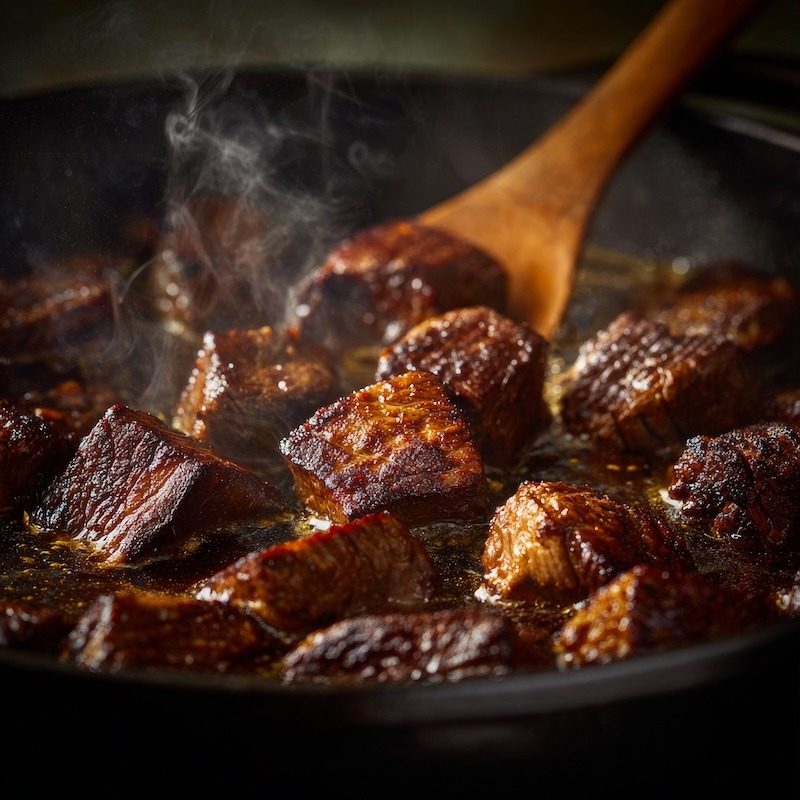
  • Brown in batches: Heat oil in a large Dutch oven over medium-high heat until shimmering. Working in small batches (about 1/3 of the meat at a time), sear the beef until deeply browned on all sides, about 3-4 minutes per batch. Transfer to a plate.
  • First deglaze: Pour about 1/4 cup of the red wine into the hot pot, scraping up the fond (browned bits) with a wooden spoon. Pour this liquid over the reserved meat.
  • Sauté aromatics: Reduce heat to medium. Add butter to the pot, then add onions, celery, and first batch of diced carrots with a pinch of salt. Cook until softened, about 5-7 minutes.
  • Build umami base: Add garlic and cook for 30 seconds until fragrant. Add tomato paste and anchovy paste, stirring constantly for 2-3 minutes until paste darkens and caramelizes slightly.
  • Second deglaze: Add remaining red wine, scraping up any new fond. Simmer until reduced by half, about 5 minutes.
  • Combine and simmer: Return meat with its juices to the pot. Add beef stock, soy sauce, mushroom powder, and star anise point. Add the bouquet garni. Bring to a bare simmer, then reduce heat to low.
  • Low and slow cook: Cover and maintain at lowest possible simmer for 2 hours, checking occasionally. The meat should be starting to become tender.
  • Rest overnight: Let cool completely, then refrigerate overnight in the pot.

Day 2: Finishing the Stew

  • Remove fat: Skim any solidified fat from the surface of the stew.
  • Begin reheating: Bring stew back to a gentle simmer over medium-low heat.
  • Add fresh vegetables: Add carrots, parsnips, mushrooms, and potatoes. Simmer gently until vegetables are tender but not mushy, about 30-40 minutes.
  • Final touches: Remove and discard bouquet garni and star anise. Stir in red wine vinegar. Taste and adjust seasoning with salt and pepper.
  • Serve: Ladle into bowls and garnish with fresh parsley.

Notes

The overnight rest is crucial for flavor development
If you don't have mushroom powder, grind dried porcini mushrooms in a spice grinder
For even more richness, add 1-2 tablespoons of bone marrow during the last 30 minutes of cooking
Stew will keep refrigerated for up to 5 days, and the flavor continues to improve
This recipe incorporates all the secret techniques: proper browning, double deglazing, low-and-slow cooking, two-stage vegetable addition, overnight rest, bouquet garni, and final acid balance—along with the umami-rich secret ingredients.​​​​​​​​​​​​​​​​
Beef Stew Recipe

Beef Stew FAQ

What cut of beef is best for beef stew?

Chuck roast is the gold standard for beef stew. It has enough fat and connective tissue to become tender during long, slow cooking. Avoid lean cuts like sirloin, which can turn dry and chewy.

Why is my beef stew meat tough?

Tough stew meat usually means it hasn’t cooked long enough. Beef stew improves with time. Low heat and patience allow collagen to break down into gelatin, giving you tender meat and a richer broth.

Should I brown the beef before simmering?

Yes. Browning the beef adds deep flavor through caramelization. This step builds the foundation of the stew and makes a noticeable difference in taste, even though it only takes a few extra minutes.

Can I make beef stew ahead of time?

Absolutely. Beef stew often tastes better the next day. Cooling and reheating allows the flavors to meld. Store it in the refrigerator for up to 4 days, or freeze it for longer storage.

How do I thicken beef stew?

You can thicken beef stew by simmering it uncovered, adding a flour or cornstarch slurry, or mashing some of the potatoes directly into the broth. Each method works without altering the flavor.

Can I make this beef stew in a slow cooker?

Yes. Brown the beef and aromatics first, then transfer everything to a slow cooker. Cook on low for 7 to 8 hours or on high for 4 to 5 hours until the beef is fork-tender.

What vegetables work best in beef stew?

Classic vegetables include carrots, potatoes, onions, and celery. Root vegetables hold their shape well and absorb flavor. You can also add parsnips, turnips, or mushrooms for variation.

How long should beef stew simmer?

Most beef stew recipes need at least 1½ to 2½ hours of gentle simmering. The exact time depends on the cut of beef and the size of the pieces, but longer cooking almost always improves texture.

Can I freeze leftover beef stew?

Yes. Beef stew freezes very well. Let it cool completely, store it in airtight containers, and freeze for up to 3 months. Thaw overnight in the refrigerator and reheat gently.

How can I add more flavor to beef stew?

Use good beef stock, brown the meat well, season in layers, and don’t rush the cooking. A splash of wine, a bay leaf, or a small amount of tomato paste can also deepen the flavor.

Easy beef stew for home cooks
Browning Beef

Best Cuts of Beef for Beef Stew

When making beef stew, choosing the proper cut of beef is crucial for achieving tender, flavorful results. Here are some of the best cuts to consider:

  1. Chuck roast or chuck steak is a popular choice for beef stew. It’s well-marbled with fat and connective tissue, which breaks down during slow cooking, resulting in tender, juicy meat and a rich broth.
  2. Bottom round or top round are leaner cuts of beef that can still be used for stew, though they may require longer cooking times to become tender. They offer a leaner option while still providing good flavor.
  3. Brisket is another flavorful cut that benefits from slow cooking. It has a good amount of fat, which adds richness to the stew, but it can be a bit tougher, so it’s essential to cook it low and slow until it becomes tender.
  4. Beef short ribs are a decadent option for beef stew. When braised, they offer incredibly rich flavor and a meltingly tender texture. They’re typically cut into smaller pieces for stew, adding a luxurious touch to the dish.
  5. Beef shank is a less common but wonderfully flavorful cut that works well in stew. It’s a bit tougher and contains a lot of connective tissue, but it becomes incredibly tender when simmered, adding depth to the stew’s broth.


Ultimately, the best cut of beef for your stew depends on personal preference and the availability of the cut. Experimenting with different cuts can also add variety to your stew-making repertoire.

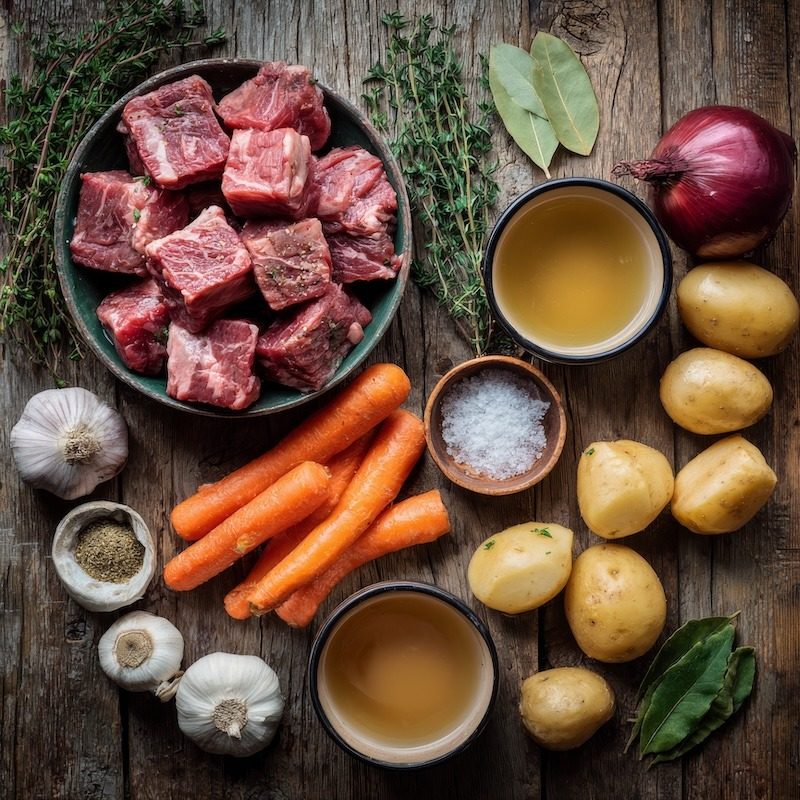
Classic Beef Stew Ingredients
Beef Stew Ingredients

Tips for Tender Beef and Deep Flavor

Technique Description
Proper Browning Sear the meat in small batches until deeply browned (almost mahogany) without crowding the pan. This triggers the Maillard reaction, building deep, complex flavor.
Double-Deglazing Deglaze first with a splash of wine or brandy to lift the fond, then again with stock after sautéing aromatics to capture all the flavor layers.
Low and Slow Cooking Simmer gently—never boil—for several hours. This breaks down collagen and keeps the meat fork-tender without drying out.
Two-Stage Vegetable Addition Add some root vegetables early to flavor the broth (discard later), then fresh ones in the final hour for the best texture and color.
Overnight Rest Letting the stew rest overnight in the fridge allows flavors to meld and deepen. It tastes even better the next day.
Bouquet Garni Removal Use a tied bundle of herbs to infuse flavor during cooking. Remove easily before serving to avoid woody bits in the dish.
Final Acid Balance Just before serving, add a small splash of vinegar or lemon juice to brighten and lift all the other flavors.

History of Classic Beef Stew

Beef stew is a culinary staple with a rich history that spans cultures and centuries. It evolved into the beloved dish we know today.

Its origins can be traced back to ancient times, when early humans discovered the benefits of slow-cooking meat and vegetables over a fire, enhancing flavors and tenderizing tougher cuts of meat.

The concept of stew is universal, and many cultures have developed their own versions. In medieval Europe, stews were common among peasants, who simmered meats with available vegetables and grains.

The French boeuf bourguignon, a sophisticated stew with beef braised in red wine, exemplifies how stew evolved into a gourmet dish. Meanwhile, Irish stew, traditionally made with lamb or mutton, potatoes, onions, and sometimes carrots, became a national dish symbolizing simplicity and heartiness.

In the Americas, beef stew gained popularity among early settlers and pioneers who relied on it as a nourishing and practical meal. The dish’s adaptability enabled it to incorporate regional ingredients, resulting in various local versions.

For instance, a thickened beef stew known as “Yankee pot roast” became a traditional Sunday dinner staple in New England.

Throughout its history, beef stew has remained a symbol of comfort and sustenance, cherished for its ability to bring people together and its versatility in accommodating diverse ingredients and cooking methods. This enduring popularity underscores the stew’s role as a cultural and culinary mainstay in kitchens worldwide.

4 Responses

  1. 5 stars
    This beef stew is really great but so are all of the recipes and ideas you dispense. I have been visiting this site for some time now and I love sharing your Facebook posts to my fan page, my fans get to see all your posts.
    I am in the process of creating my blog and I sincerely hope I can get it to the standard you maintain here at The Reluctant Gourmet. I’m a big FAN!

Leave a Reply

Your email address will not be published. Required fields are marked *

Recipe Rating


This site uses Akismet to reduce spam. Learn how your comment data is processed.