How to Enhance Flavor: Key Ingredients and Cooking Techniques
Flavor matters. It decides whether a dish tastes good or unforgettable. Home cooks often follow recipes exactly. However, the real magic lies in learning how to enhance flavor with confidence.
You do not need fancy tools or rare ingredients. You only need the proper techniques and a few powerful flavor boosters.
Flavor boosters pack a punch. They add depth, richness, and excitement to your cooking. Fresh herbs brighten a dish.
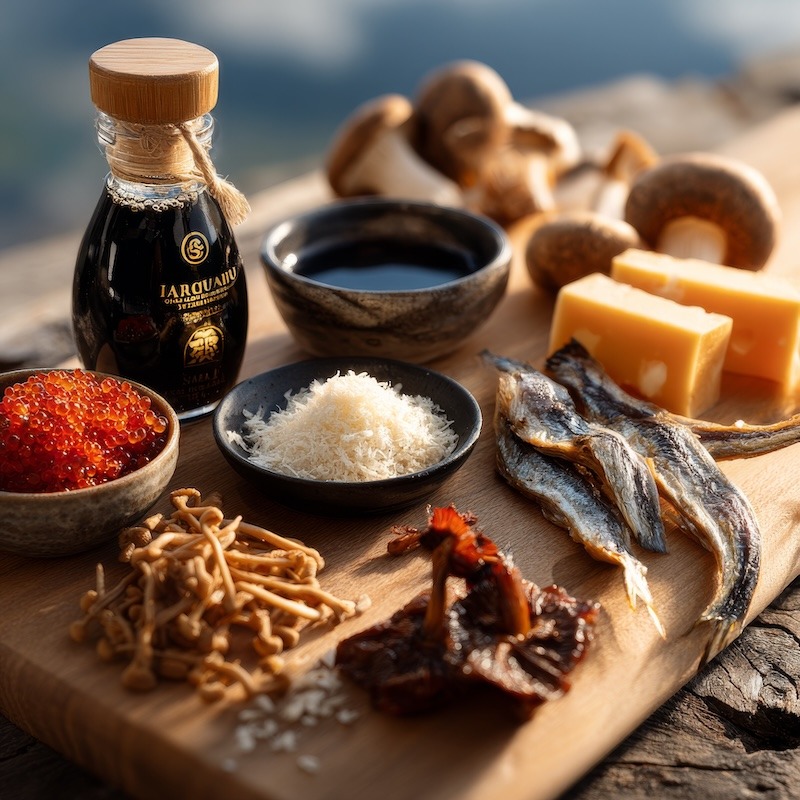
Umami ingredients like Parmesan or soy sauce amplify flavors. Acids like lemon juice and vinegar balance and wake up the palate. Aromatics such as onion and garlic lay a strong foundation. These ingredients turn simple meals into restaurant-quality dishes.
Flavor techniques matter just as much. Toasting spices unlocks aroma. Browning meat creates savory complexity. Seasoning in layers builds balance.
Reducing liquids concentrates flavor. A finishing splash of acid or fresh herbs adds a final lift. Each technique gives you control.
You can master flavor. You can start small and taste as you go. In this post, we explore the best flavor booster ingredients and guide their use. We focus on practical tips.
I’d like to highlight strategies you can apply today. Cook boldly. Trust your taste. Let these flavor boosters transform every bite.
Flavor Boosters Defined
They change flavor perception — They don’t just add taste, they affect how we experience the entire dish.
They balance and enhance — They amplify other flavors rather than overpower them.
They work in small amounts — Unlike main ingredients, they deliver big impact with minimal quantity.
Flavor Booster Ingredients & How They Work
| Category | What They Do | Ingredient Suggestions | How It Works |
|---|---|---|---|
| Acids | Brightness; lifts and sharpens flavor | Lemon, lime, vinegars, yogurt, tomatoes | Acids activate taste buds and increase saliva. They clarify flavors and add a fresh finish, especially when added at the end. |
| Umami | Depth & savory richness | Soy sauce, miso, Parmesan, anchovies, fish sauce, dried mushrooms, tomato paste | Glutamates enhance savory perception and make dishes feel fuller and more satisfying. |
| Sweetness | Balance; rounds harsh notes | Honey, sugar, maple syrup, caramelized onions, roasted root vegetables | Sweetness softens acidity and bitterness, creating a smoother flavor experience. |
| Fresh Herbs | Aroma and lift | Basil, parsley, cilantro, mint, dill, chives | Herbs release aromatic oils that add freshness. Add near the end to protect delicate flavors. |
| Heat | Warmth and excitement | Chiles, chile flakes, hot sauce, black pepper, Sichuan peppercorns | Heat compounds stimulate receptors and boost perceived overall flavor. Use for contrast and energy. |
| Salt & Brines | Enhances all flavors | Sea salt, kosher salt, soy sauce, brined ingredients | Salt enhances natural flavors, balances sweetness and acidity, and can also improve texture when used in brining. |
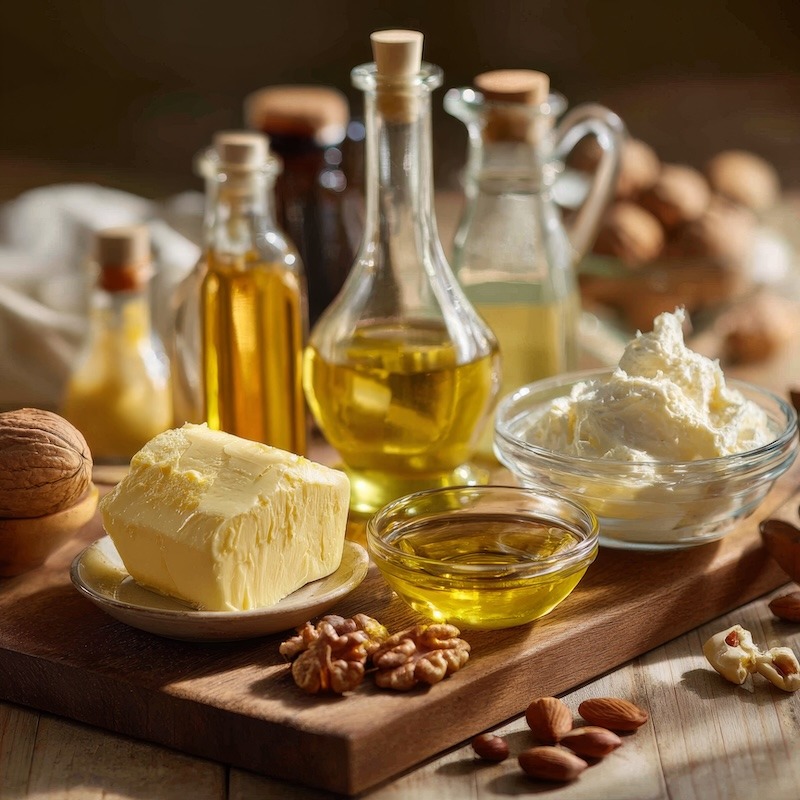
| Fat | Richness, mouthfeel, flavor carrier | Butter, olive oil, cream, animal fats, nut oils | Fat coats the tongue, delivering flavor molecules more evenly and creating a satisfying mouthfeel. |
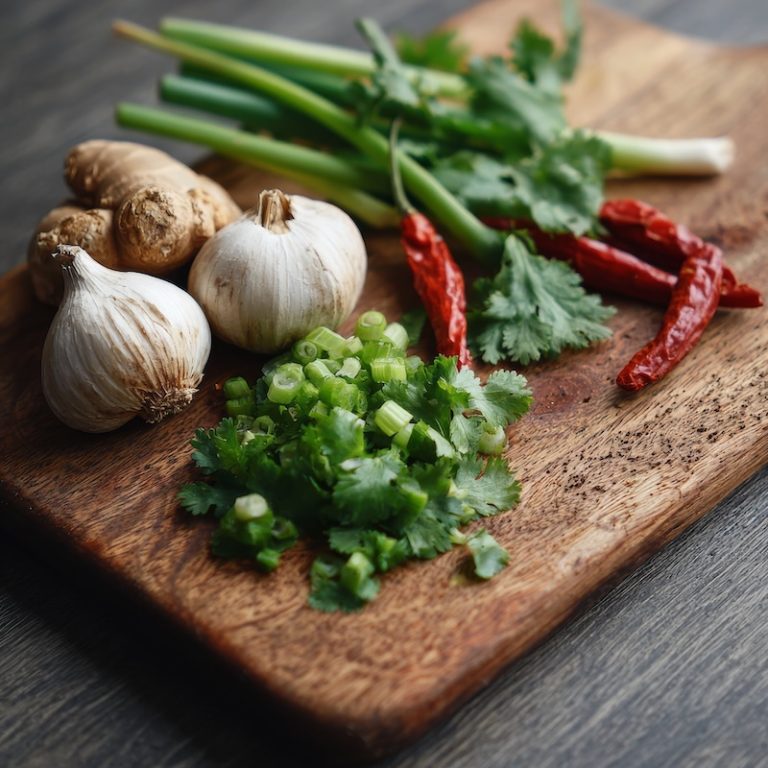
| Aromatics | Base flavor layers | Onion, garlic, shallot, ginger, celery, carrot | Sautéed or roasted aromatics release flavorful compounds that form a strong foundation for the dish. |
| Fermentation | Complexity, umami, tang | Miso, yogurt, kimchi, pickles, fermented sauces | Fermentation develops acids, umami, and unique aromas that increase flavor depth and interest. |
| Texture / Crunch | Contrast and excitement | Toasted nuts, seeds, croutons, crispy vegetables, fried shallots | Crunch adds sensory contrast, which enhances perception of flavor and keeps each bite interesting. |
Flavor Boosting Cooking Techniques
| Technique | Description | How It Works |
|---|---|---|
| Seasoning in Stages | Add salt, spices, and aromatics at different points during cooking. | Layering seasoning allows flavors to build gradually. Early seasoning penetrates ingredients, while finishing touches sharpen and lift the final taste. |
| Browning / Maillard Reaction | Sear meat, toast spices, or caramelize vegetables until golden brown. | Heat triggers chemical reactions that produce complex, savory flavors, enhancing depth and umami. |
| Deglazing | Add liquid (wine, broth, or vinegar) to a pan after browning to lift browned bits. | Deglazing dissolves flavorful caramelized bits and incorporates them back into the dish, boosting richness. |
| Reduction | Simmer sauces or liquids to evaporate water and concentrate flavor. | Evaporation intensifies taste and thickens texture, creating richer, more flavorful sauces. |
| Finishing Acids | Add lemon juice, vinegar, or citrus zest at the end of cooking. | Acids lift and brighten flavors, balancing richness and enhancing freshness without cooking off delicate notes. |
| Herb and Spice Infusions | Infuse oils, broths, or sauces with fresh or dried herbs and spices. | Heat releases aromatic oils and flavor compounds, distributing them evenly throughout the dish. |
| Layering Umami | Combine multiple umami-rich ingredients (cheese, soy, mushrooms, tomatoes). | Each umami source amplifies savory perception, making flavors deeper and more satisfying. |
| Balancing Sweet, Sour, Bitter, and Salt | Taste and adjust throughout cooking using sugar, acids, bitterness, and salt. | Balancing tastes ensures harmony. Adjusting mid-cook enhances complexity and prevents one note from dominating. |
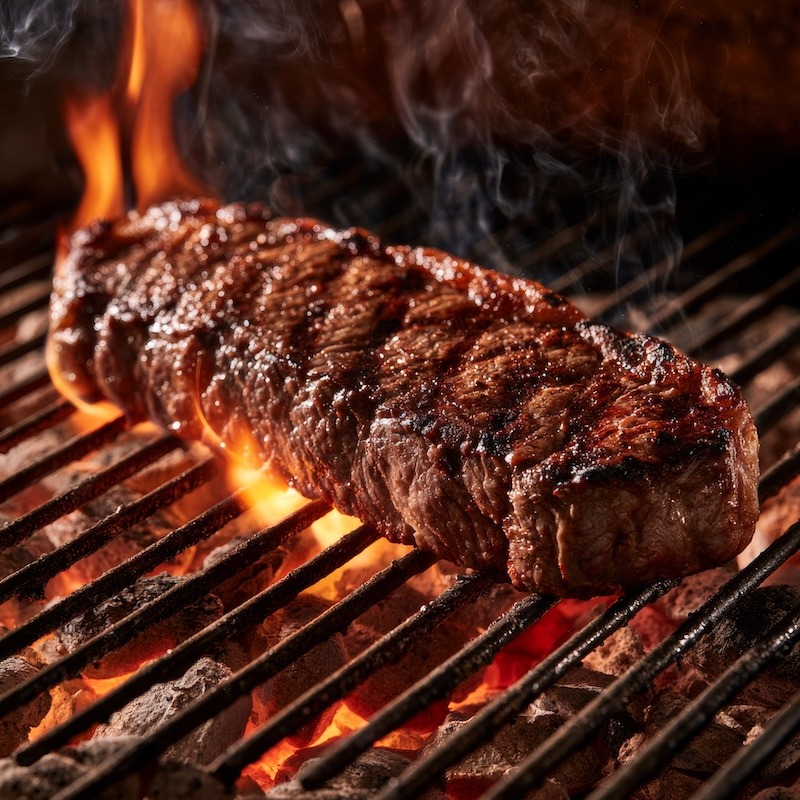
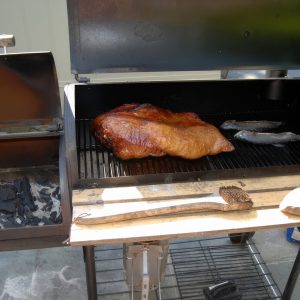
| Smoking / Grilling | Cook over wood, charcoal, or high heat for flavor and aroma. | Smoke and char introduce aromatic compounds, enhancing depth and creating savory, slightly bitter contrast. |
| Resting and Marinating | Let proteins or vegetables sit in marinades or after cooking before serving. | Time allows flavors to penetrate, meld, and harmonize, resulting in a more intense, cohesive taste. |