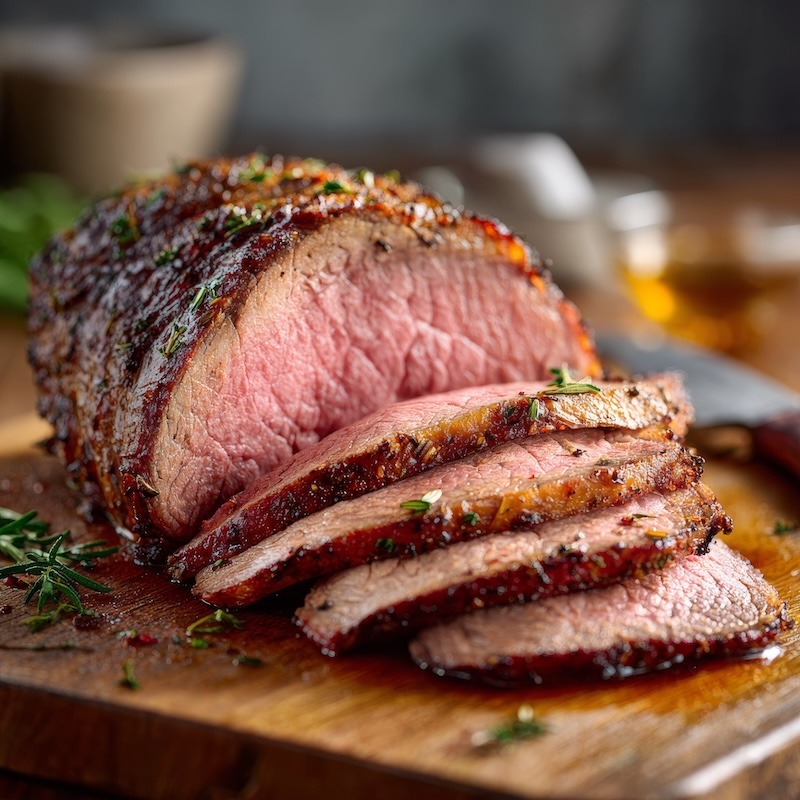
Roast beef doesn’t have to be your grandma’s dry Sunday special. This recipe keeps it juicy, flavorful, and shockingly easy—even if you’ve never touched a roast before. Perfect for impressing guests or just feeding your inner carnivore, it’s time to bring this classic back with a whole lot more swagger.
Basic Roast Beef Recipe – Juicy Results Without Guesswork
Roast beef intimidates many home cooks, but it should not. When you understand what actually controls the outcome, roast beef becomes one of the most reliable meals you can make. This recipe focuses on decisions, not guesswork, so you can cook with confidence from start to finish.
This method shows you how to roast beef by controlling the temperature instead of watching the clock. Time varies. Temperature tells the truth. When you cook to a target internal temperature, you decide exactly how rare or medium your roast will be. You also learn how to build a browned crust without drying out the meat.
The technique works with common cuts such as sirloin, ribeye, and top round. It adapts easily to weeknight dinners, holiday meals, and everything in between. You can scale the roast up or down without changing the process, which makes this recipe useful long after your first try.
Dry roast beef usually has a clear cause. The oven stayed hot for too long. The meat never rested. The cut did not match the goal. This recipe helps you avoid those mistakes by explaining the reasoning before you cook. When you follow this method, you slice with confidence and serve roast beef that looks good, tastes juicy, and delivers consistent results every time.
Key Roast Beef Decisions
1. Choosing Your Cut
- Ribeye – rich, forgiving, best for juicy results
- Sirloin – leaner, faster-cooking, good for weeknights
- Top Round – budget-friendly, slice thin for tenderness
2. Oven Strategy
- High Heat Start – optional 450°F sear for a browned crust
- Steady Roast – 325–350°F to reach internal temp without overcooking
3. Doneness Target
- Rare: 120–125°F
- Medium-Rare: 130–135°F
- Medium: 140–145°F
- Medium-Well: 150–155°F
4. Resting & Slicing
- Rest 15–20 minutes after roasting
- Juices redistribute → meat stays moist
- Slice against the grain for tenderness
5. Timing vs Temperature
- Thermometer rules, not the clock
- Carryover cooking adds 5–10°F after removing from oven
6. Avoiding Common Mistakes
- Skipping rest → dry roast
- Cooking too fast or too long → tough meat
- Choosing the wrong cut for your goal → unsatisfying results
Basic Roast Beef Recipe
Equipment
- large bowl
- roasting pan
Ingredients
- 12 small potatoes halved or quartered
- 12 Brussels sprouts cut in half
- 3 small onions coarsely chopped
- 3 carrots peeled & quartered
- 6 garlic cloves peeled
- olive oil
- salt & pepper to taste
- 3 pounds rump roast
- 3 sprigs fresh rosemary
Instructions
Prepare the Roast
- Remove the rump roast from the refrigerator at least 1 hour before cooking to bring it close to room temperature. This ensures even cooking.
- Pat the roast dry with paper towels. Moisture on the surface prevents browning.
- Generously season all sides with salt and pepper.Optional tip: Make small slits in the meat and insert garlic slivers for extra flavor.
Prep the Vegetables
- About 15 minutes before roasting, preheat your oven to 450°F (232°C).
- In a large bowl, toss potatoes, Brussels sprouts, onions, carrots, and garlic with olive oil, salt, and pepper until evenly coated.Optional tip: Use your hands for better coating and a little fun in the kitchen.
Arrange Roast & Vegetables
- Place the roast fatty side up in a roasting pan. A pan large enough for both meat and vegetables is ideal.
- If your pan is small, split the vegetables between two pans.Optional tip: For even air circulation, you can place the roast directly on the oven rack with a pan below to catch drippings, but cleaning is easier with a pan.
- Nestle the vegetables around the roast.
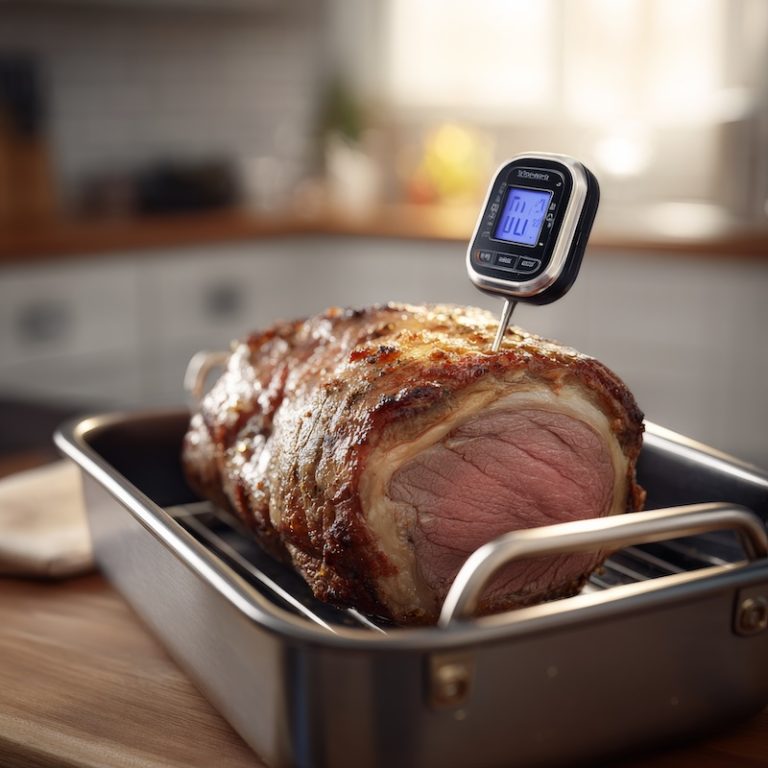
- Insert a meat thermometer into the thickest part of the roast.
- Lay sprigs of rosemary on and around the meat.
Intial High-Heat
- Roast at 450°F (232°C) for 20 minutes to create a caramelized crust on the beef.Tip: This step locks in juices and develops flavor.
Lower Heat & Continue Roasting
- Reduce oven temperature to 300°F (149°C).
- Continue roasting until the meat reaches your desired doneness:Medium rare: 135°F (57°C)Medium: 145°F (63°C)Well done: 160°F (71°C)Cooking time varies based on roast size, oven type, and vegetable quantity. Use the thermometer, not just time, for accuracy.
Manage Vegetables & Resting Meat
- If meat is done but vegetables need more time: Remove roast, loosely cover with foil, and return vegetables to oven until tender.
- If vegetables are done but meat is still cooking: Transfer vegetables to a bowl and cover, then continue roasting the meat.
- Rest roast 5–10 minutes under foil before slicing. This allows juices to redistribute.
Serve
- Slice roast thinly against the grain.
- Plate with roasted vegetables and enjoy a perfectly balanced meal.
Notes
Extra Tips:
For more flavor, toss vegetables with a teaspoon of fresh herbs or garlic powder. Turn vegetables halfway through roasting for even caramelization. Reserve pan drippings for a simple gravy.Step-By-Step Instructions
| Detail | Description |
|---|---|
| Type of Meat | Rump Roast, Top Round, Sirloin Tip Roast, Ribeye Roast — choose based on budget and desired tenderness/flavor. |
| Seasoning | Generously season meat with salt, pepper, garlic, rosemary, and olive oil. Optional: marinate 2–12 hours for more flavor. |
| Oven Preheat | Preheat oven to 450°F (for initial sear), then reduce to 325°F–350°F for roasting. |
| Oven Position | Place roast on rack in roasting pan, in center of oven for even heat circulation. |
| Cooking Temperature | Start 450°F for 10–15 mins to brown, then roast at 325°F–350°F until desired doneness. |
| Internal Temp for Doneness | Medium Rare: 130–135°F; Medium: 135–145°F; Medium Well: 145–150°F; Well Done: 155°F+. Use a meat thermometer. |
| Resting Time | Rest 15–20 minutes after roasting, loosely tented with foil. This lets juices redistribute. |
| Slicing Thickness | Slice thinly across the grain (about 1/8–1/4 inch thick) for tender, juicy servings. |
| Serving Suggestions | Serve with pan juices or gravy, alongside roasted potatoes, carrots, Brussels sprouts, and onions. |
| Storage | Refrigerate leftovers up to 4 days. Reheat gently to retain moisture. Slices are great for sandwiches! |
Basic Roast Beef FAQ
How do I make roast beef juicy every time?
Control the internal temperature instead of relying on cooking time. Roast to your target temp, then rest 15–20 minutes. Resting lets juices redistribute, keeping the meat moist.
What cut of beef is best for roasting?
Ribeye delivers rich flavor and forgiveness, sirloin cooks faster and is leaner, and top round is budget-friendly. Choose the cut that matches your goal for tenderness and serving style.
Do I need to sear the roast first?
Searing at high heat (450°F for 10–15 minutes) creates a flavorful crust, but it isn’t mandatory. You can skip it if you prefer a slower, steady roast.
How do I know when my roast beef is done?
Use a meat thermometer. Rare: 120–125°F, Medium-Rare: 130–135°F, Medium: 140–145°F, Medium-Well: 150–155°F. Carryover cooking will raise the temp slightly after removing from the oven.
Why is my roast beef dry?
Common causes: overcooking, skipping resting, or choosing the wrong cut. Follow temperature targets, rest the meat, and slice against the grain for the best results.
Can I cook roast beef ahead of time?
Yes. Roast, cool, and store in the fridge up to 3 days. Reheat gently to preserve juiciness. Slice cold for sandwiches or reheat in a low oven with foil.
How should I slice roast beef?
Slice against the grain in thin slices. This shortens the muscle fibers and ensures each bite is tender.
What should I do with leftovers?
Use for sandwiches, salads, or stir-fries. You can also freeze slices in portioned containers with a label for easy meal prep.
Roasting Times By Weight
These are estimated roasting times by weight and desired doneness. This assumes you’re roasting at 325°F after the initial 10–15 minute sear at 450°F:
Always use a meat thermometer for accuracy—ovens can vary!
Check temp about 10 minutes before expected doneness to avoid overcooking.
Rest the roast 15–20 min before slicing for the juiciest results.
| Roast Weight | Medium Rare (130–135°F) | Medium (135–145°F) | Medium Well (145–150°F) | Well Done (155°F+) |
|---|---|---|---|---|
| 2 lbs | 35–45 min | 45–55 min | 55–65 min | 65–75 min |
| 3 lbs | 50–65 min | 65–75 min | 75–85 min | 85–95 min |
| 4 lbs | 65–80 min | 80–95 min | 95–105 min | 105–115 min |
| 5 lbs | 80–100 min | 100–115 min | 115–125 min | 125–135 min |
| 6 lbs | 100–120 min | 120–135 min | 135–145 min | 145–155 min |
Best Cuts of Beef to Roast
Several cuts of beef work well for making roast beef, but each delivers a slightly different texture and flavor. The best cuts strike a balance between tenderness, beefy flavor, and affordability. Here are a few top choices:
Rump Roast — Cut from the top of the hindquarters, the rump roast offers excellent flavor and a fine grain. It’s leaner than some other cuts but remains tender when roasted properly. Its uniform shape makes it easy to slice thin, which is ideal for roast beef. This is one of the best choices for a classic, no-fuss roast beef dinner.
Top Round (London Broil) — Another lean, affordable cut. It’s slightly less tender than rump but still flavorful, especially when cooked medium rare and sliced thin.
Sirloin Tip Roast — Taken from the round, near the sirloin, this cut has a nice beefy flavor and stays juicy if not overcooked.
Ribeye Roast — Rich, tender, and well-marbled, ribeye produces a luxurious roast beef. It’s more expensive, but worth it for special occasions.
Chuck Roast — Best for pot roast or slow braising. It’s flavorful but contains more connective tissue, making it less suited to traditional roast beef slicing.
Rump roast stands out because it’s affordable, flavorful, and slices beautifully for serving—perfect for a classic roast beef meal.
Shopping Tip – When Meat Is On Sale
When you spot a great deal on meat or chicken at the store, take advantage of it—but shop smart. Always check the labels carefully, and if you have any questions, ask the butcher. Most of the time, these sales happen because the “Best Sold By Date” is coming up soon or the store ordered too much and needs to sell the extra inventory.
Sometimes markets also run sales because they got a good deal from the distributor or are offering certain items as a loss leader to draw you into the store. Regardless of why the price is low, handle your purchase wisely: either cook it right away or vacuum seal and freeze it for later use.
Freezing meats while they are still fresh locks in flavor and texture, so you’ll have high-quality options ready for future meals. By shopping this way, you can stock your freezer and save money without sacrificing quality.
Cooking Tip – Under-Cook the Vegetables
Start roasting the meat in a hot oven for 20 minutes to brown it, then lower the heat to finish cooking. I waited until the second phase of roasting to add the vegetables, thinking they would have enough time to cook—but they didn’t. After checking other roast beef recipes, I learned that many cooks parboil the potatoes, carrots, and Brussels sprouts before adding them to the pan.
Next time, I’ll place the vegetables in the pan during the first phase of roasting. If they still need more time, I’ll consider parboiling—but I prefer to keep things simple and avoid that extra step.
Roast Beef Gravy
I didn’t make gravy the night I served this to my daughter—she was hungry, it was getting late, and she still had homework to finish. She wanted to eat right away. But if you have a few extra minutes, you can quickly prepare a delicious pan sauce from the drippings.
While many recipes tell you to make the sauce directly in the roasting pan, I prefer to use a saucepan. Yes, it means one more pan to wash, but it gives me better control and makes the process easier.
To make the sauce, scrape any drippings from the roasting pan into a saucepan set over medium-high heat. Once the drippings are hot, take the pan off the heat and deglaze it with a splash of red wine, stirring to loosen the flavorful bits.
Let the wine cook down until it’s reduced to an essence. Then add beef stock or demi-glace and simmer until the sauce thickens enough to coat the back of a spoon. To finish, whisk in a couple of tablespoons of butter for a silky texture and beautiful sheen.
Season to taste with salt and pepper, and serve alongside your roast beef.
Slicing Tip – Cut the Roast Thin
Always slice roast beef thinly—about 1/8 to 1/4 inch thick—across the grain. Cutting it thin helps keep each bite tender, even with leaner cuts like rump roast or top round.
Thick slices can become chewy, while thin slices highlight the roast’s flavor and make it easier to enjoy, especially when paired with pan juices or sauce. Use a sharp carving knife or slicing knife for the best results.
Look at the surface of the roast. Do you notice the lines running in one direction? That’s the grain. You want to slice across those lines, not along them. Cutting across the grain shortens the muscle fibers, making each bite more tender and easier to chew.


10 Responses
Just cooked this for our Christmas lunch and it worked a treat, even the kids enjoyed it. Thanks for posting onlinr!
Made the mistake of overlooking. Thought I’d cook this RUMP roast at 300°F just like I do a Chuck Roast. We’ll I was wrong.It got purdy tough. So I took the meat out and cut it up into small pieces. That really helped and now it’s really good. Just a trick I wanted to share with all you overcookers.
Hi,
Just cooked this for our Christmas lunch and it worked a treat, even the kids enjoyed it.Thanks for posting onlinr! I’ll be back to see what other tasty recipes you come up with!
I would think you would want to add some water to the pan while the roast is cooking if you use a roasting pan. I tried this and then since it wasn’t quite done before I wanted to go to bed, I put it in a crockpot to finish cooking; today I will re-add the veggies and let them sit under low in the crockpot for a few minutes.
Made this last night for dinner……BEST MEAL EVER…., ! ! Reminded me of my grandmother’s Sunday roasts
YUM YUM
Thanks Penny for letting me know.
We went out for a nice breakfast and a little shopping this morning so we skipped lunch. I will be making this roast for our Sunday dinner. To remind myself how to make a good roast with carrots & potatoes,(like Mom), I went online and picked this recipe based on the photo (this one looked exactly like the ones my Mom used to make for Sunday dinner). When I saw that brussel sprouts were suggested it was even better, something my Mom didn’t add to the potatoes and carrots, (however, I have a bag of fresh brussel sprouts that need to be cooked). Well, I will let you know how it turns out. P.S. I am going to add the vegetables in the first phase. Thanx, for all the suggestions, maybe I will be able to skip the “mistakes” phase.
Thanks for letting me know and look forward to hearing about your results.
140 is rare. 130 is raw.
I did mine.. Browned beef in glass baking dish.. This seems to make meat juicier in my opinion.. And as well I usually get a late dinner start and the meat is still frozenish… Believe it or not.. Really keeps the meat moist/ more tender. Then cut veggies.. Added corn? starch stirred veggies, put veggies in Dutch oven then topped with meat and meat juices( made up of water, Warchestershire sauce, chili sauce, dash of black coffee and some melted butter) so it makes it’s own gravy as it all finishes cooking at the same time. Thanks for posting. I was double checking half of the way through!