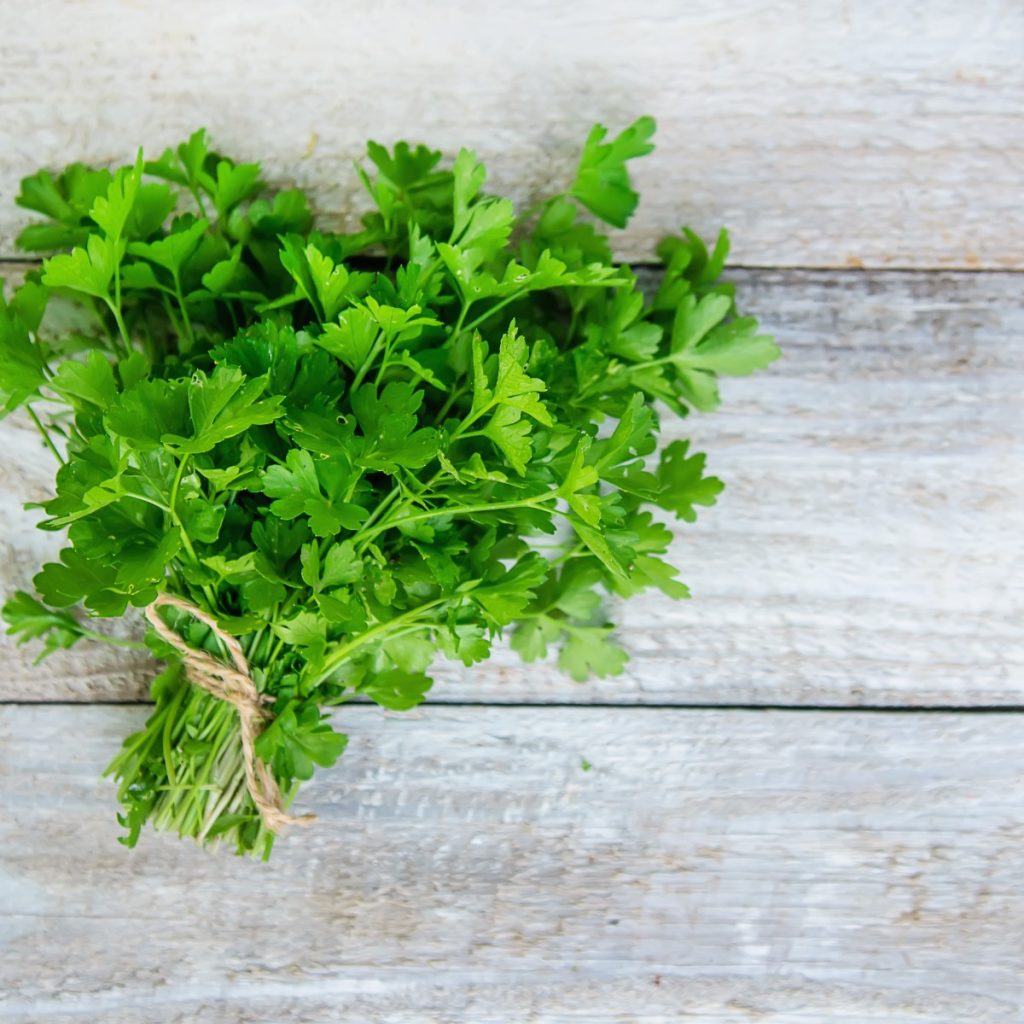
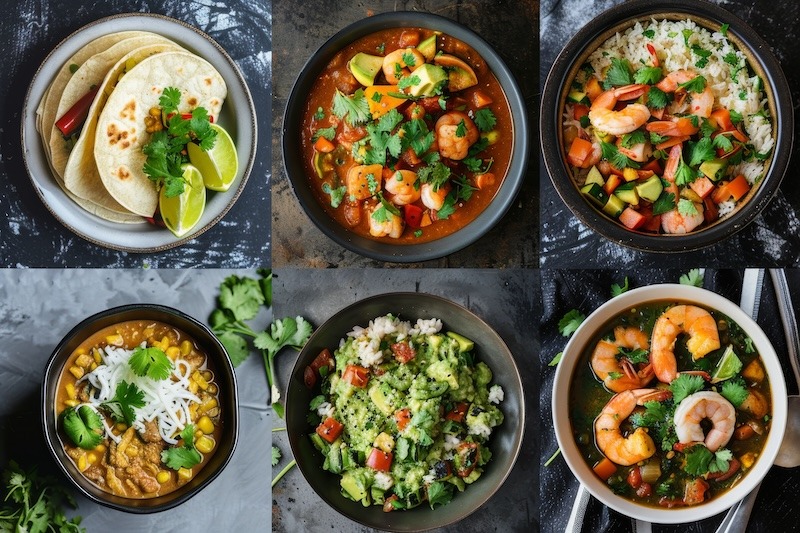
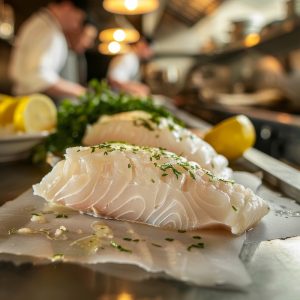
Cilantro: people either love it or think it tastes like soap—and understanding how to use it can make all the difference in your cooking. This guide breaks down when to add it, how to pair it, and how to make the most of its bright, fresh flavor without overpowering your dish. Ready to turn cilantro from confusing to confident?
Why Cilantro Works
Cilantro works because it adds freshness at the exact moment a dish needs contrast. Its bright, citrusy notes cut through richness, soften heat, and lift heavier flavors without adding weight.
- Balances richness: Cuts through fatty meats, oils, and creamy sauces.
- Tames heat: Softens spicy dishes without dulling flavor.
- Adds lift: Brings freshness to slow-cooked or heavily seasoned foods.
- Works best when added late: Preserves aroma and prevents bitterness.
- Fails when overused: Too much overwhelms rather than enhances.
Cook’s Insight: Use cilantro as a finishing herb, not a background flavor. Think brightness, not bulk.
How to Use Cilantro in Cooking (Without Wasting Its Flavor)
Cilantro is one of the most misunderstood herbs in the kitchen.
Some cooks scatter it everywhere. Others avoid it entirely. Both approaches miss the point.
Cilantro isn’t about quantity or tradition. It’s about timing, balance, and intent. Used well, it brightens a dish and pulls flavors forward. Used carelessly, it overwhelms everything else on the plate.
The difference isn’t skill. It’s knowing when cilantro helps and when it hurts.
In this guide, you’ll learn how to use cilantro the way experienced cooks do. When to add it. How to prep it. Which dishes benefit from its fresh, citrusy bite and which ones don’t. You’ll also learn how to store it so it stays vibrant instead of wilting into waste.
Once you understand cilantro’s role, it stops being confusing and starts becoming a quiet advantage in your cooking.
How to Use Cilantro in Cooking
- Add it late: Cilantro loses aroma when cooked too long. Finish dishes with it.
- Use it for contrast: It brightens rich, spicy, and slow-cooked foods.
- Chop, don’t crush: Gentle chopping preserves clean flavor.
- Start small: Too much cilantro overwhelms quickly.
- Pair with acid: Lime, vinegar, and tomatoes help cilantro shine.
Cook’s Rule: Cilantro works best when it feels intentional, not automatic. Use it to lift a dish, not to fill space.
| Use | Country/Cuisine of Origin | Description |
|---|---|---|
| Ceviche | Peru | Chopped cilantro brightens the citrus-marinated seafood and balances the heat of chili. |
| Chimichurri Sauce | Argentina (with variations) | Often used in place of or alongside parsley, cilantro adds bold flavor to this herb-garlic sauce for grilled meats. |
| Chutneys | India | Ground with mint, chili, and lemon juice for a bright, spicy green chutney served with snacks and grilled meats. |
| Cilantro Butter or Compound Butter | Global / Modern Fusion | Softened butter mixed with finely chopped cilantro, lime zest, and garlic—great melted over grilled corn, steak, or fish. |
| Cilantro Chimichurri for Fish | Latin American / Fusion | A variation of chimichurri made with extra cilantro, lemon, and green onion—perfect with grilled white fish. |
| Cilantro Hummus | Middle East / Modern Fusion | A twist on classic hummus, adding fresh cilantro to chickpeas, tahini, and lemon juice for an herbal, green dip. |
| Cilantro in Kimchi | Korea / Modern Variations | Some non-traditional kimchi recipes include cilantro for a fragrant, unexpected twist in fermentation. |
| Cilantro Lime Rice | Mexico / Tex-Mex | Cooked rice tossed with chopped cilantro and lime juice for a zesty, fragrant side. Often served with grilled meats or in burrito bowls. |
| Cilantro Oil or Drizzle | Global / Restaurant-Style | Cilantro blended with oil and strained creates a vibrant green finishing oil for soups, plates, or grilled meats. |
| Cilantro Pesto | Fusion / Modern Global | Used in place of basil, cilantro makes a bold pesto paired with lime, peanuts, or cashews for a fresh spin on pasta or grilled meats. |
| Cilantro Pizza Garnish | Global / California-Style | Fresh cilantro added after baking, especially on pizzas with chicken, avocado, or spicy sauces. |
| Cilantro-Infused Broths | Southeast Asia / Global | Cilantro stems and roots are simmered in broths for depth—especially in Thai, Cambodian, and fusion soups. |
| Cilantro-Mint Tea or Juice | India / Wellness Trend | Cilantro blended with mint and lemon is used in herbal detox drinks and coolers. Refreshing and aromatic. |
| Coriander Rice or Pilaf | Middle East / South Asia | Cilantro is stirred into warm rice or blended into a green rice paste for a flavorful side. |
| Fresh Garnish for Tacos | Mexico | Chopped cilantro adds a bright, fresh finish to tacos, especially when paired with onion, lime, and salsa. |
| Garnish for Dal or Curry | India | Fresh cilantro is sprinkled over lentils, stews, and curries to balance rich, spiced flavors. |
| Green Curry Paste | Thailand | Cilantro stems and roots are often pounded with lemongrass, ginger, and green chili for a deeply aromatic paste. |
| Guacamole | Mexico | Cilantro adds an essential freshness and bite that complements avocado, lime, and chili. |
| Herbed Yogurt Sauce (Raita) | India / Middle East | Chopped cilantro mixed into yogurt with cumin and cucumber for a cool, creamy side or dip. |
| Pho Garnish | Vietnam | Cilantro leaves and stems are added fresh to steaming bowls of pho, enhancing the broth's complexity. |
| Salsa Verde or Pico de Gallo | Mexico | Blended or chopped cilantro is essential for fresh, herbaceous flavor in Mexican salsas. |
| Sofrito | Caribbean / Latin America | Cilantro is blended with garlic, onion, and bell pepper to create a flavorful cooking base for rice, beans, and meats. |
| Tamarind-Cilantro Sauce | India / Southeast Asia | A tangy, sweet, and spicy sauce used with samosas, chaat, or grilled meats. Cilantro provides the herbal base. |
| Thai Salads (Yum) | Thailand | Fresh cilantro leaves are tossed with fish sauce, lime juice, and chili for vibrant, spicy salads. |
What does it smell like?
Cilantro doesn’t whisper. It announces itself the moment you touch it.
To many cooks, cilantro smells bright and green, with a citrus snap and a clean, herbal edge that wakes up a dish before it ever hits the pan. Its aroma mirrors its flavor, which is why a small handful can make food taste suddenly alive.
But not everyone gets that experience. For some people, cilantro veers into soapy territory or takes on a sharp, almost chemical note. A few even swear it smells like stink bugs. That reaction isn’t imagination or drama. It comes down to genetics. Certain smell receptors flip cilantro’s fresh compounds into something unpleasant, turning “zesty herb” into “why does my salsa smell like this?”
Love it or loathe it, cilantro’s aroma matters. It shapes how the herb tastes, how dishes feel, and why it shows up boldly in cuisines that rely on contrast and freshness. Cilantro doesn’t try to please everyone. It plays its role loudly and leaves the decision to you.
What does it taste like?
Cilantro has a unique and distinctive taste that is difficult to describe. It has a fresh, citrusy, and slightly bitter flavor with a hint of sweetness. Cilantro’s taste can vary depending on its use and the dish it is paired with.
History and Origin of Cilantro
Cilantro is believed to have originated in the Mediterranean and has been used for over 5000 years. The ancient Egyptians, Greeks, and Romans used cilantro for medicinal and culinary purposes. Spanish and Portuguese traders introduced the herb to Asia and the Americas during the 16th century.
Cilantro is a fast-growing herb that can be grown in most climates. It is a cool-season annual that grows well in light, well-draining soil. It is commonly grown for its leaves, which are used as a culinary herb, but the plant also produces seeds used as a spice.
Health Benefits
Cilantro has several health benefits and has been used in traditional medicine for centuries. The herb contains vitamins and minerals, including vitamins A, C, calcium, and iron. It also contains antioxidants, which help to protect the body against oxidative stress and may reduce the risk of chronic diseases such as cancer and heart disease.
Cilantro is also believed to have anti-inflammatory properties and may help to reduce inflammation in the body. In addition, the herb has been shown to have antimicrobial properties and may help to fight bacterial and fungal infections.
| Use | Description |
|---|---|
| Salsa and Guacamole | Cilantro is a staple ingredient in many Mexican-style salsas and guacamole. Finely chop fresh cilantro leaves and mix them with tomatoes, onions, jalapenos, and lime juice for a flavorful salsa or add them to mashed avocados to make guacamole. |
| Curry and Rice Dishes | Cilantro is commonly used in Indian and Southeast Asian curries and rice dishes. Add chopped cilantro leaves to curry sauces or sprinkle them over rice dishes to add a fresh, herbaceous flavor. |
| Soups and Stews | Cilantro can be added to soups and stews to add a burst of flavor. Add fresh cilantro leaves at the end of cooking to preserve their flavor, or use dried cilantro leaves to add a milder, more subtle flavor. |
| Salads | Cilantro can add a fresh, herbaceous flavor to salads. Chop cilantro leaves and mix them with salad greens, vegetables, and dressing for a refreshing and flavorful salad. |
| Marinades and Dressings | Cilantro can add flavor to marinades and dressings. Mix chopped cilantro with oil, vinegar, and other herbs and spices to create a flavorful marinade or dressing for meats, vegetables, or salads. |
| Tacos and Wraps | Cilantro is a popular topping for tacos, burritos, and other wraps. Finely chop cilantro leaves and sprinkle them over the top of these dishes for added flavor and freshness. |
Frequently Asked Questions
What does cilantro taste like?
Cilantro tastes bright, fresh, and citrusy with a light herbal bite. Many people experience a clean, almost lemony flavor that lifts savory dishes. Others perceive a soapy or pungent taste due to genetic differences in taste and smell receptors. The flavor you experience largely depends on how your brain interprets cilantro’s natural compounds.
Why does cilantro taste like soap to some people?
Cilantro contains aldehydes that are also found in soaps and certain insects. Some people have a genetic variation that makes these compounds taste unpleasant or smell soapy. This reaction is biological, not picky eating, and it explains why cilantro can be polarizing.
Does cilantro really smell like stink bugs?
To some people, yes. Cilantro shares aromatic compounds with stink bugs and certain soaps. If your smell receptors are sensitive to those compounds, cilantro can smell sharp, chemical, or bug-like instead of fresh and citrusy.
When should I add cilantro while cooking?
Add cilantro at the end of cooking or just before serving. Heat dulls its aroma and can push its flavor toward bitterness. Using it fresh preserves its brightness and keeps dishes tasting balanced.
Can cilantro be cooked, or is it only for garnish?
Cilantro can be cooked, but it works best as a finishing herb. Prolonged heat weakens its aroma and flavor. If you cook it, add it briefly or pair it with ingredients that benefit from a softer herbal note.
What foods pair best with cilantro?
Cilantro pairs well with spicy dishes, fatty meats, citrus, tomatoes, beans, rice, seafood, and grilled vegetables. It shines in cuisines that rely on contrast, such as Mexican, Indian, Thai, and Vietnamese cooking.
How much cilantro should I use?
Start small. A little cilantro goes a long way. You can always add more, but too much quickly overwhelms a dish. Think of cilantro as a bright accent, not the main flavor.
What’s the difference between cilantro and coriander?
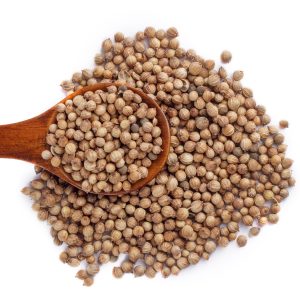
Cilantro refers to the fresh leaves and stems of the plant. Coriander usually means the dried seeds, which taste warm, nutty, and citrusy. They come from the same plant but play very different roles in cooking.
How do I store cilantro so it lasts longer?
Trim the stems and store cilantro upright in a glass with a little water, loosely covered with a plastic bag in the refrigerator. Alternatively, wrap it gently in a damp paper towel and place it in a sealed container.
Can I freeze cilantro?
Yes. Chop cilantro and freeze it in small portions, often with a bit of oil or water in an ice cube tray. Freezing preserves flavor for cooking, though the texture won’t be suitable for garnish.
Is cilantro healthy?
Cilantro contains vitamins A, C, and K, along with antioxidants. While it’s usually used in small amounts, it still contributes freshness and nutritional value to a dish.
What can I use instead of cilantro?
If you dislike cilantro, try flat-leaf parsley, basil, mint, or a combination of herbs depending on the dish. Each brings freshness without the polarizing flavor compounds found in cilantro.
Why do so many cuisines rely on cilantro?
Cilantro cuts through richness, softens heat, and brightens heavily seasoned foods. Its ability to balance bold flavors makes it a staple in cuisines built around spice, acidity, and contrast.
What cuisines use a lot of cilantro?
Cilantro is used in many different cuisines worldwide but is particularly prevalent in Latin America, the Caribbean, and Southeast Asia.
- Mexican Cuisine: Cilantro is a staple ingredient in many Mexican dishes, including salsas, guacamole, tacos, and enchiladas.
- Thai Cuisine: Cilantro is commonly used in Thai curries, soups, and noodle dishes, as well as in the popular condiment known as nam prik.
- Vietnamese Cuisine: Cilantro is used in many Vietnamese dishes, such as pho noodle soup, bánh mì sandwiches, and fresh spring rolls.
- Indian Cuisine: Cilantro is a common ingredient in many Indian curries and rice dishes, as well as in the popular coriander chutney.
- Caribbean Cuisine: Cilantro is used in many Caribbean dishes, including jerk chicken, rice and peas, and conch fritters.
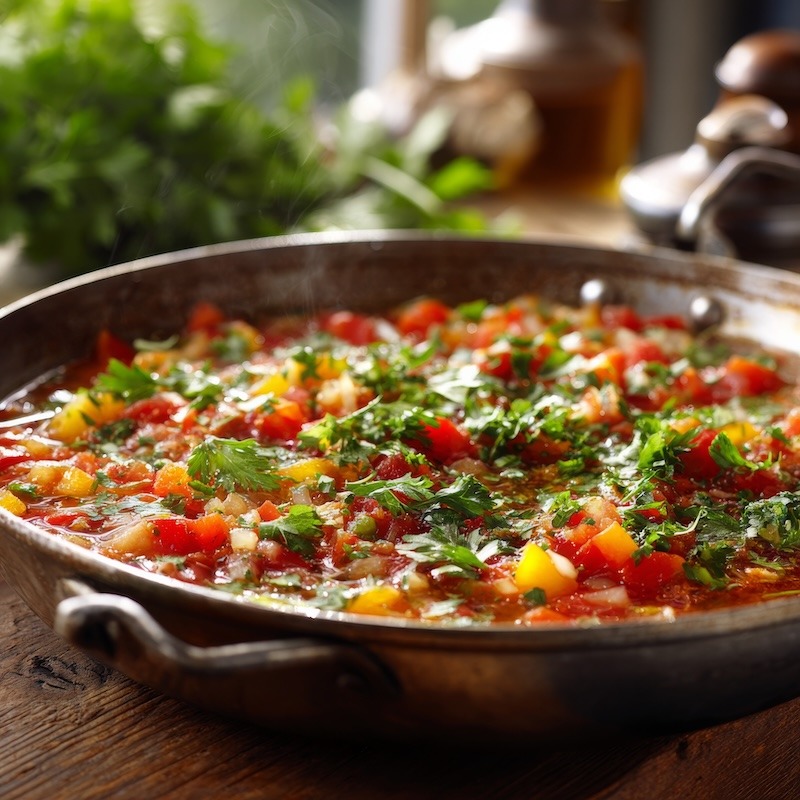
It comes down to planning and using your imagination. The other day my wife decided to make some gazpacho, a delicious uncooked soup served cold and featuring tomatoes, onion, cucumbers, and other fresh ingredients. I like it because you can change the recipe to suit your tastes. If you searched the Internet, you would find dozens of variations. You can just pick the one that has the ingredients you like best.
The recipe we like for gazpacho is here and is adapted from the Moosewood Restaurant Cookbook. This recipe calls for 1/4 cup of fresh parsley, but my wife made it with fresh cilantro.
Since we didn’t use all the cilantro for this recipe, what did we do with the rest? I used it the next night to make a simple mango salsa to serve on some grilled fresh tuna that was on sale. If we didn’t use it to make mango salsa, we could have made my favorite Homemade Salsa, a more traditional Mexican-style salsa you can find here.
Another way I like to use up leftover fresh herbs is to make your herb butter. It’s easy to serve it on grilled steaks, chicken, fish, or vegetables. It’s an easy way to add a layer of flavor to your meal. Here’s a simple recipe for a quick Cilantro Herb butter that you may want to try.
Coriander Seeds

Most of us are more familiar with coriander seeds that are not seeds but the dried fruit of the coriander plant. Coriander seeds look like tiny little balls and only smell that good once dried. As they dry, they develop a more pleasant scent that resembles a combination of lemon, sage, and caraway.
Besides whole seeds, you will often find ground coriander sold at your supermarket. It is frequently used in baking; many curry and soup recipes call for it. In addition, it is trendy in Chinese and Thai cooking to add a little citrus quality to the dishes. The leaves from the plant are called cilantro, but you may have heard them called Chinese parsley. They have an extremely pungent smell, and the taste is one you either like or dislike.
Update:
Because of all the great emails I received from my cilantro newsletter, I wanted to share with you some additional ideas. First, I received several emails from home cooks who had a great idea for leftover cilantro…freeze it. Here’s what one of them said,
“I am a huge lover of cilantro and use it on fish, chicken, pinto beans, and other things. I have been freezing it for years and chopping off just what I need. It has worked great!! I leave it in the plastic bag I put in from the grocery, stick it in the freezer, and use it as needed. Doesn’t work so well for salsas, but for anything you cook, it’s great.”
Secondly, my wife reminded me of another of her favorite recipes featuring this herb, Cilantro Shrimp. It’s a recipe I adapted from a local restaurant in Park City.


9 Responses
TIP: Fresh cilantro properly bagged will keep for a good number of days! Unpack a large bunch from the store (it’s usually a little wet) and gently separate the delicate twigs just a bit to roll it out over a foot or two of paper towel.
Then carefully, evenly scroll the paper towel around the cilantro, and place it in a clear vegetable bag to lay it in the fridge. I am surprised this herb can last over a week when I do this; the paper towel regulates the moisture very well so the cilantro stays crisp but doesn’t rot from moisture or wilt.
Why doesn’t cilantro dry well?
Cilantro doesn’t dry well because its delicate leaves and bright, citrusy compounds are very sensitive to heat and air. Drying makes the leaves shrink, crumble, and lose most of their fresh flavor, often leaving them flat or slightly bitter. That’s why chefs usually add cilantro at the end of cooking, using it fresh to preserve its aroma and vibrant taste.
You could also grow your herbs in a small pot or mini house garden right in the kitchen. You won’t have to worry about those leftovers spoiling and its greener too!
Can you cook cilantro with the meat? Or after the meal is cook
You can cook cilantro with meat, but it loses much of its fresh flavor and aroma when exposed to heat. For the brightest, most vibrant taste, it’s best to add cilantro after cooking, sprinkling it over the finished dish so it retains its freshness and citrusy lift.
I would like to know can you bake or roast cilantro until it’s dried up and then put it in a like salt shaker or a seasoning shaker and it last a long time?
You can bake or roast cilantro until dry, but it loses most of its bright, citrusy flavor and often turns flat or bitter. The leaves crumble, making a weak, powdery seasoning that won’t taste like fresh cilantro. A better option is to freeze chopped cilantro in ice cube trays with a little water or oil—this preserves the flavor and lets you add it to dishes later, giving you long-lasting freshness without the bitterness of oven-dried leaves.
I make it easy on myself: I buy the Dorot frozen cilantro and other herbs in their own trays. They are sold where the frozen veggies are. I know not every supermarket has them, but if a number of customers request them, they probably will bring them in.