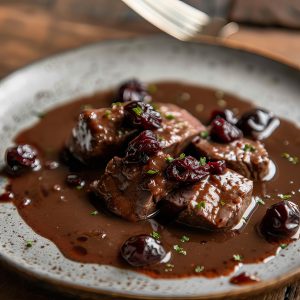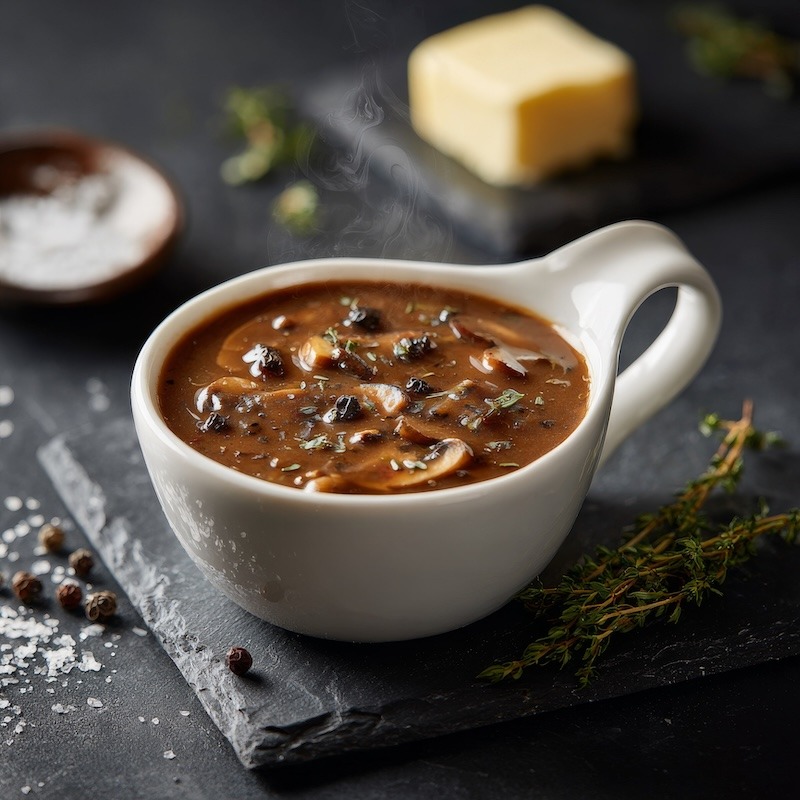
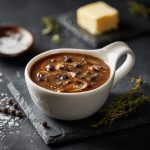
Madeira sauce isn’t just a fancy drizzle—it’s rich, silky, and packed with deep, savory flavor that transforms steak, chicken, or mushrooms into something extraordinary. Forget boring weeknight meals; this sauce makes any dish taste restaurant-worthy. Ready to elevate your cooking with minimal effort?
Why This Recipe Works
- Balanced flavors: Sweet or dry Madeira wine adds depth without overpowering.
- Rich texture: Butter and optional cream create a smooth, silky finish.
- Quick and easy: Ready in 15–20 minutes, perfect for weeknight dinners or impressing guests.
- Versatile pairing: Complements steak, chicken, pork, or mushrooms effortlessly.
- Flavor control: Adjust sweetness or dryness of Madeira to suit your palate.
What Is Madeira Sauce?
Madeira Sauce turns everyday meals into memorable dishes. It adds richness, depth, and a subtle sweetness that elevates steak, chicken, or pork. You don’t need a professional kitchen to make it. With a few simple ingredients, you can create a sauce that tastes as if it came from a fine restaurant.
Start with butter and shallots. Sauté until fragrant. Add Madeira wine. Reduce it to concentrate the flavor. Pour in stock. Simmer until slightly thickened. Finish with cream for a smooth, velvety texture. Each step gives you control. You decide the sweetness, the thickness, and the intensity.
Choosing the right wine matters. Sweet Madeira brings a richer, softer flavor. Dry Madeira adds sharper, more complex notes. Stock choice matters too. Beef gives bold depth. Chicken keeps it lighter. Even small tweaks change the outcome.
Madeira Sauce is forgiving. You can adjust, taste, and tweak. It’s perfect for last-minute dinner parties or a quiet weeknight meal. Follow this guide, and you’ll have a sauce that impresses every time. Take control of flavor, and make your meals unforgettable.
How to Make Madeira Sauce
- Melt butter in a skillet over medium heat.
- Add minced shallots. Cook until soft and fragrant.
- Pour in Madeira wine. Simmer and reduce by half.
- Add beef or chicken stock. Simmer gently.
- Reduce until the sauce lightly coats a spoon.
- Stir in cream, if using, for a smooth finish.
- Season with salt and pepper. Serve immediately.
Timing: 15–20 minutes
Best with: Steak, chicken, pork, mushrooms
Flavor control:
- Use sweet Madeira for richness
- Use dry Madeira for sharper depth
Madeira Sauce Recipe
Ingredients
- 1 oz butter or 1/4 stick
- 3 tablespoons shallots finely chopped
- ½ pound mushrooms white or crimini, sliced
- ½ teaspoon black cracked peppercorns
- 1 bay leaf
- 1 sprig fresh thyme 1/4 teaspoon dried
- ¼ cup red wine
- ¾ cup Madeira wine
- 1 cup demi glace
- ¼ cup heavy cream optional
- salt and pepper to taste
Instructions
- Heat a medium-sized saucepan over medium heat. Once hot, add butter and then the shallots.
- Sauté the shallots until translucent, about 2 minutes.
- Add the mushrooms and cook until they release their moisture and become tender. This should take about 3 minutes.
- Add the peppercorns, thyme and bay leave to the saucepan and cook for 30 seconds to 1 minute.
- Now, add the red wine and reduce it by half. This could take 3 - 5 minutes.
- Add the Madeira wine and bring the sauce to a boil. When the wine comes to a boil, reduce the heat to a simmer.
- Add the demi glace to the sauce and whisk until well blended.
- Add the optional heavy cream if you are using it. This will add some extra richness as well as calories.
- Reduce this sauce until it is thick enough to coat the back of a metal spoon.
- Taste and adjust the seasoning with salt and pepper.
- Serve over your favorite meats and poultry.
FAQ
What is Madeira Sauce best used for?
Madeira Sauce pairs best with steak, chicken, pork, and mushrooms. The wine reduction adds depth and slight sweetness, making it ideal for proteins that benefit from rich, savory flavors.
Should I use sweet or dry Madeira wine?
Use sweet Madeira for a richer, rounder sauce with gentle sweetness. Use dry Madeira for a sharper, more complex flavor. Both work. The choice depends on the dish and your preference.
Can I make Madeira Sauce ahead of time?
Yes. Make it up to two days in advance. Cool completely, then refrigerate in an airtight container. Reheat gently over low heat, adding a splash of stock if needed.
How do I thicken Madeira Sauce?
Reduce it longer over gentle heat. For faster thickening, add a small amount of cream or a cold butter finish. Avoid boiling after adding cream.
What stock works best?
Beef stock creates a bold, classic steakhouse sauce. Chicken stock produces a lighter, more versatile version. Choose based on the protein you’re serving.
Can I freeze Madeira Sauce?
Yes. Freeze in small portions for up to two months. Thaw overnight in the refrigerator and reheat slowly to preserve texture.
Popular Dishes Featuring Madeira Sauce
| Dish | Description | Wine Pairing |
|---|---|---|
| Beef Tenderloin | Tender, juicy beef filet served with a rich Madeira sauce that enhances its natural flavors. | Cabernet Sauvignon |
| Veal Scaloppine | Thinly sliced veal sautéed and topped with Madeira sauce for a delicate, flavorful finish. | Pinot Noir |
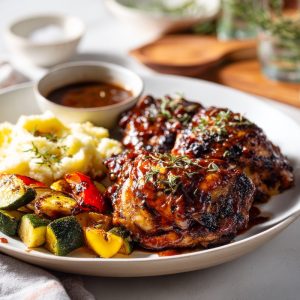
| Roast Chicken | Roasted chicken breast or thighs glazed with Madeira sauce for a savory, slightly sweet touch. | Chardonnay |
| Pork Medallions | Seared pork medallions complemented by the deep, robust notes of Madeira sauce. | Merlot |
| Mushroom Risotto | Creamy risotto infused with mushrooms and finished with a drizzle of Madeira sauce. | Sauvignon Blanc |
| Lamb Chops | Grilled or pan-seared lamb chops served with Madeira sauce to balance the meat’s richness. | Syrah / Shiraz |
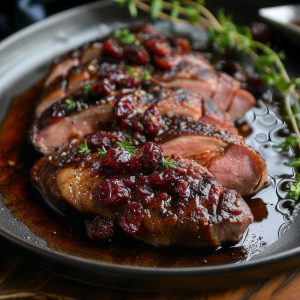
| Duck Breast | Crispy-skinned duck breast paired with Madeira sauce for a rich, fruity complement. | Zinfandel |
| Beef Wellington | Classic beef Wellington served with Madeira sauce adds an elegant depth to the dish. | Bordeaux Blend |
Let’s start with Madeira, a wine from Portugal first made in the 1400s for export, mainly to France. There, it was part of “their daily diet.” The Portuguese used Madeira wine to withstand a ship’s constant motion.
Winemakers added a little cane sugar and distilled alcohol during fermentation, resulting in sweet to dry wine with a tannish color.
The old way of making classic Madeira sauce took many steps and an extremely long time.
Start with a roux of butter and vegetables like onions, carrots, and celery. Then add beef stock and other vegetables, including mushrooms and tomatoes. Simmer, stir, and skim for hours. Finally, pour through a fine strainer, only to have the whole process start over again with the addition of Madeira wine.
When the winemakers were done, they had an intensely flavorful Madeira sauce, but they may have been frustrated by the time they had spent making it.
Good news! I have a commercial demi-glace product recipe that makes preparing this sauce take 20 minutes or less.
Alternative - Madeira Peppercorn Sauce
For those who love a nice “au Poivre” or peppercorn sauce, you can quickly adapt the Madeira sauce recipe above to make your own. Substitute 1/2 teaspoon of black cracked peppercorns with one teaspoon of coarsely chopped drained green peppercorns in brine.
Depending on your preferences, you can leave or exclude the mushrooms. Then, you have a delightful Madeira Peppercorn Sauce. This sauce goes incredibly well with game meats like elk or venison.


19 Responses
Excellent recipe! I want to copy it when I get home.
J. Pepin made a coffee sauce with Madeira wine.
With a slotted spoon perhaps.
I know what I ask changes your recipe completely but will this work substituting the Madeira with Marsala and omitting the pepper? Thanks.
I’m sure it would work, but I wouldn’t call it Madeira Sauce.
Thank you! I am going to try this recipe at home. I tried the Pasta da Vinci @ Cheesecake Factory for the first time – LOVED the madeira sauce so I’ll enjoy trying to recreate at home.
Thanks for reaching out and please let me know how it works out for you.
Where is everyone finding Madeira wine? My mom is in love with the Pasta DaVinci from Cheescake factory and i cannot find the wine anywhere.
Megan, you should be able to find it in any liquor store or state store. It is readily available.
Megan :
Maderia is classified as a “ fortified “ wine – ie, one to which a distilled spirit is added ; in this case “ Poncha “ is used. ( it is the traditional alcoholic drink from the island of Madeira, distilled from sugar cane to which lemon juices & honey & sugar are added ). That said, your liquor store may display Maderia near Port, Sherry, Marsala or Vermouth, as they too are “ fortified “.
Kind Regards,
Brenda
PS: if you “ luck in “ to getting hold of the recipe from the Cheesecake Factory, go crazy & share it with us !
Hi my name is Keith and I would love to know how to order your book can you please help me?
Hi Keith, if you are referring to How to Make Restaurant Quality Sauces, the entire ebook is posted on my website. The directory is at https://www.reluctantgourmet.com/restaurant-quality-sauces/page/2/
I Loved This recipe And Want To Try It, But Busy Your Recipe Makes Me Hungry, I Want To Eat It
Recipe was a flop on my end. After reducing the 1/4 cup red wine by half, adding the 3/4 cup madeira and 1 cup of demi glace it was way too thick. It calls for too much demi glace. I must have added at least another cup of wine/madeira to thin this down, but the overall taste is overtaken by the bold demi glace. Something is off here.
Sorry to hear this JohnM. I have made this sauce many times and have not had the same issue. Can you tell me what demi-glace product you used and how did you reconstitute it? Thanks.
Madeira wine ranges from very dry to sweet. Which one should I use for the Madeira sauce?
Hi Marilyn, I prefer using dry Madeira for cooking and making sauces.
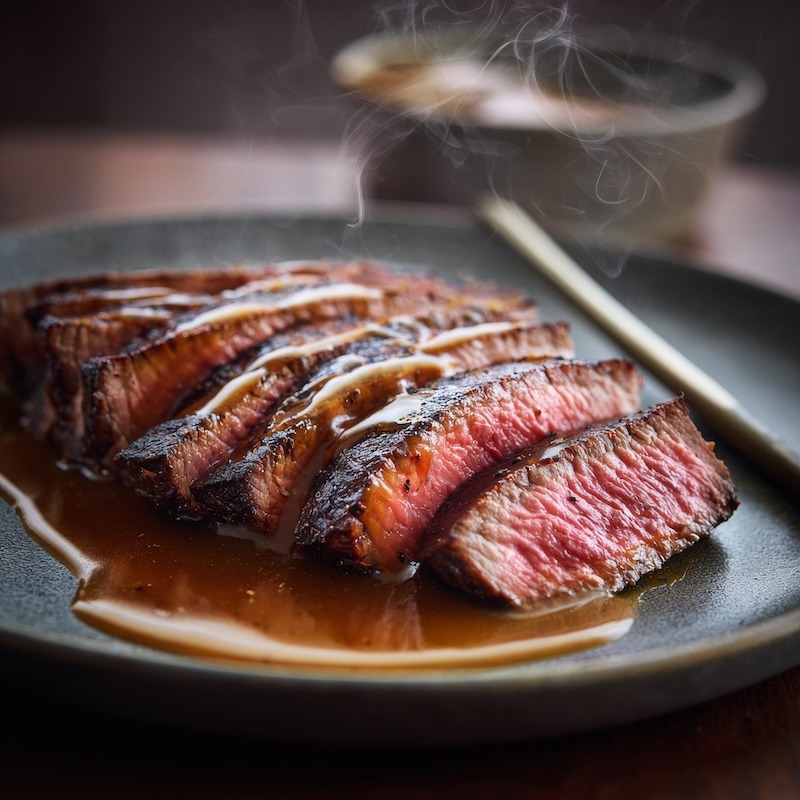
Your recipe looks worth making. However I will say that I wish you did not use AI generated photos for the food. It definitely reduces my trust in the recipe and puts me off wanting to make it. I would prefer any quality of authentic photo over use of AI. I mean no offense, just to say that many people will see that the photo of the food is fake and go elsewhere for their recipes.
Hi Miranda, thank you so much for your honest feedback—I really appreciate you taking the time to share your thoughts. I completely understand your perspective on AI-generated images. I use them when I’m not able to capture the food perfectly myself, but I hear you that authenticity matters most.