

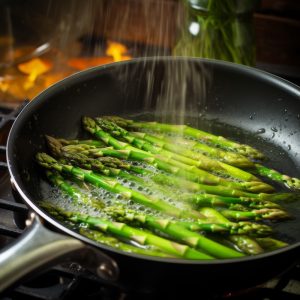
Basics & Cooking Techniques
How do I boil an egg perfectly?
Place eggs in cold water, bring to a gentle boil, then cool quickly in ice water. Timing determines yolk firmness: 4–5 minutes soft, 7–8 minutes medium, 10–12 minutes hard. Read my full guide for tips and peeling tricks.
What’s the best way to cook pasta?
Use a large pot with plenty of salted water. Stir occasionally and cook until al dente. Reserve some pasta water for sauces. See my step-by-step pasta guide here.
What’s the difference between poaching, simmering, and boiling?
Boiling = vigorous bubbles, fast cooking. Simmering = gentle bubbles, ideal for soups/stews. Poaching = gentle, for eggs/fish. Learn more about these water-based techniques.
What’s the difference between baking powder and baking soda?
Baking soda is pure sodium bicarbonate and needs an acid to activate it, producing rise in recipes. Baking powder contains both an acid and a base, so it can leaven on its own. Use the one specified in your recipe for proper texture.
How do I cook rice so it’s fluffy?
Rinse rice to remove excess starch, then use the proper water-to-rice ratio. Bring to a boil, reduce to a simmer, cover, and cook without stirring. Let it rest off the heat before fluffing with a fork. See our step-by-step rice guide.
How do I melt chocolate without burning it?
Melt chocolate gently over a double boiler or in short bursts in the microwave, stirring frequently. Avoid steam or water contact, which can seize the chocolate. Learn our safe chocolate melting techniques.
How long can a Crock-Pot be on warm?
Most Crock-Pots can safely stay on the warm setting for two to four hours after cooking, as long as the food remains above 140°F to prevent bacterial growth. For best quality and food safety, avoid leaving food on warm all day, since texture and flavor can begin to decline even if the temperature stays safe. Learn more about slow cookers.
How do you peel a pineapple?
Slice off the top and bottom so the pineapple sits flat, then stand it upright and carefully cut downward along the curve to remove the skin in strips. Trim away any remaining “eyes,” cut the pineapple into quarters, remove the tough core, and slice or cube as desired.
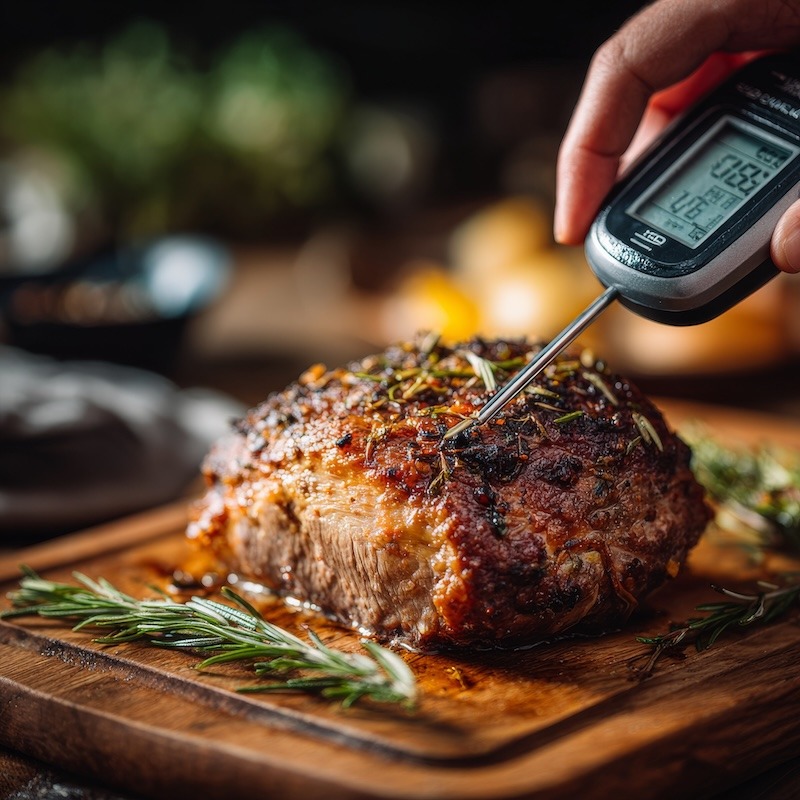
Cooking Times & Temperatures
How long should I cook chicken and at what temperature?
Chicken should reach an internal temperature of 165°F (74°C) to be safe. Cooking time varies by cut: breasts usually take 20–30 minutes at 350°F (175°C), while thighs and drumsticks may need 35–45 minutes. Always check with a meat thermometer for accuracy. Read our full chicken cooking guide.
What temperature should beef or pork be cooked to, and how long does it take?
Beef steaks are often cooked to 125–160°F depending on doneness, while pork should reach 145°F with a 3-minute rest. Times vary with thickness and oven method, so using a thermometer is the most reliable way to ensure perfect results. See our detailed beef and pork cooking tips.
How do I know when meat is done (using temperature vs time)?
The safest method is using a kitchen thermometer to check internal temperature rather than relying solely on cooking time. Different meats reach safe temperatures at different rates, so temperature ensures both safety and optimal texture. Learn more about using a thermometer for cooking meat.
What’s the safe internal temperature for fish and seafood?
Fish and shellfish should reach 145°F (63°C) for safe consumption. Cooking gently prevents dryness and preserves flavor. Thicker fillets may need slightly longer; check the center with a thermometer. Read our seafood cooking tips.
How do I adjust cooking time if I change the oven temperature?
Increasing or decreasing oven temperature affects both cooking time and final texture. A general rule: for every 25°F change, adjust cooking time by roughly 5–10%. Always monitor with a thermometer and check for doneness early. See our guide to adjusting cooking times.
Measurements & Conversions
How many ounces are in a cup?
In the United States, 1 cup equals 8 fluid ounces. When measuring dry ingredients, weight can vary (for example, 1 cup of flour won’t weigh the same as 1 cup of sugar). Use a kitchen scale for precision when baking or following weight‑based recipes. Learn more about common kitchen conversions.
How many tablespoons are in a teaspoon?
There are 3 teaspoons in 1 tablespoon. This is one of the most useful small conversions to remember for both cooking and baking, especially when scaling recipes. See more conversion tips.
How do I convert grams to cups?
Grams measure weight, and cups measure volume, so the conversion depends on what you’re measuring (flour, sugar, butter, etc.). A kitchen scale and a conversion chart for common ingredients make this straightforward. Get my ingredient‑specific conversion charts.
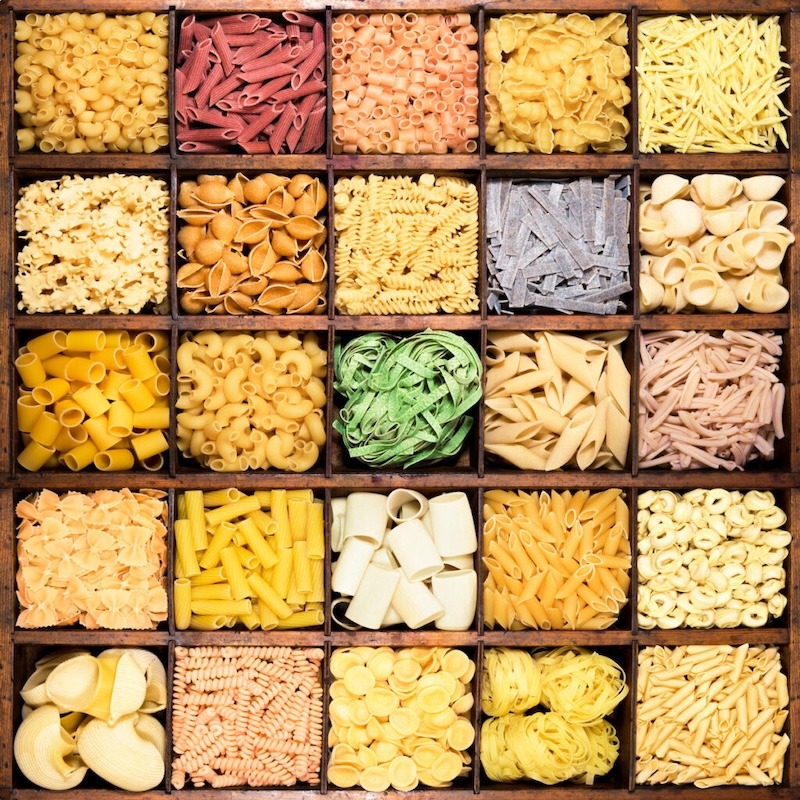
Ingredients & Substitutions
What can I use instead of eggs in baking?
Common egg substitutes include unsweetened applesauce (¼ cup per egg), mashed banana, or commercial egg replacers. Choose based on whether the recipe needs binding, moisture, or leavening.
How can I substitute butter in recipes?
You can replace butter with oils, margarine, or even yogurt, depending on the recipe. Keep in mind that texture and flavor may vary slightly, especially in baked goods.
What are good alternatives for milk?
Milk alternatives include almond, soy, oat, or coconut milk. Use unsweetened versions for cooking and baking unless you want sweetness. Adjust consistency as some plant milks are thinner than cow’s milk.
Can I substitute one type of flour for another?
Yes, but flours differ in protein content and absorbency. For example, bread flour has more gluten than all-purpose flour, and whole wheat flour absorbs more liquid. Adjust liquids and mixing times accordingly.
What can I use instead of sugar?
Options include honey, maple syrup, agave, or coconut sugar. Adjust liquids and sweetness carefully, as liquid sweeteners can affect the texture of baked goods.
What is the difference between a stock and a broth?
Stock is typically made by simmering bones, often with a small amount of vegetables, which gives it a richer body and more gelatin. Broth is usually made with more meat than bones and is seasoned to be sipped or used as is, resulting in a lighter flavor and thinner texture. Read my post on chicken stock vs broth here.
Kitchen Problems & Fixes
How do I fix burnt food?
If only the bottom is burnt, carefully remove the unburnt portion immediately and transfer it to a clean pan. Avoid stirring in burnt bits, as they will affect the flavor. For sauces or soups, straining can help remove burned flavor.
What can I do if I oversalted a dish?
Add a neutral ingredient, such as water, unsalted broth, or diced potatoes, to balance the saltiness. Dairy, such as cream or yogurt, can also soften overly salty flavors in sauces and soups.
How do I fix undercooked meat or vegetables?
Return the food to heat and cook gently until the desired doneness is reached. For meat, always check internal temperature with a thermometer to ensure safety. For vegetables, steaming or sautéing can quickly finish cooking without overcooking.
How do I thicken a sauce that’s too thin?
Use a slurry of cornstarch or flour mixed with cold water, or reduce the sauce over low heat. Adding pureed vegetables or cream can also thicken sauces naturally. Learn how to thicken sauces with slurries & roux.
Why does my sauce or dressing separate, and how do I fix it?
Most emulsions separate due to temperature changes or incorrect technique. Whisk vigorously and slowly reintroduce the fat while continuously mixing. Adding an emulsifier such as mustard or egg yolk, can stabilize the mixture.
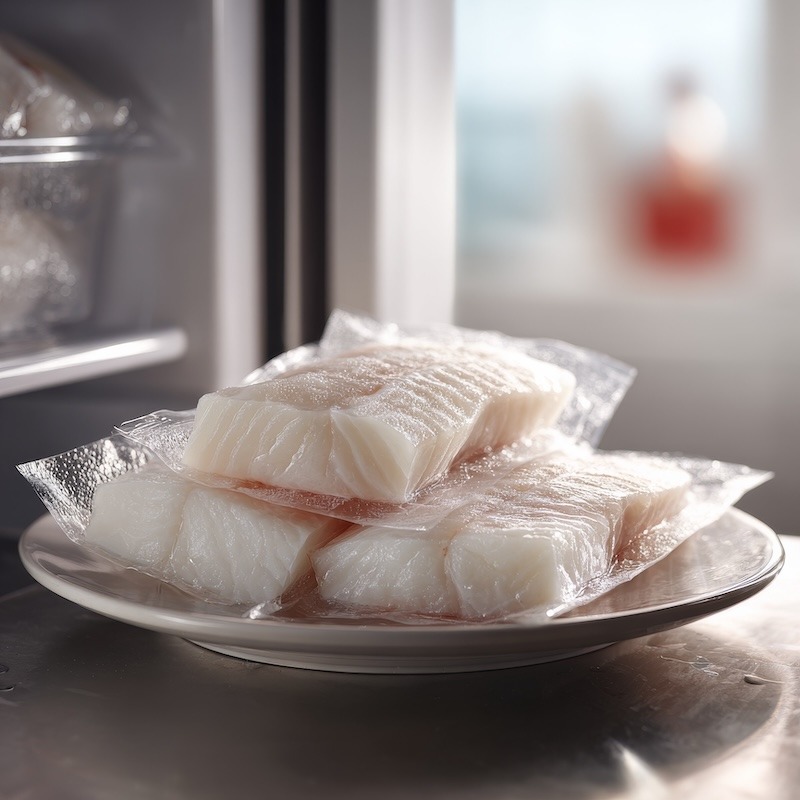
Food Safety & Storage
How long can I safely store food in the refrigerator?
Most cooked foods last 3–4 days in the fridge at 40°F (4°C) or below. Store in airtight containers and label with the date to ensure freshness.
How long can I keep food in the freezer?
Freezing extends food safety but not always quality. Most meats, poultry, and baked goods keep 3–12 months when properly wrapped. Always label and rotate items for best results. Read more about freezing food safely.
What is the safest way to thaw frozen food?
Thaw in the refrigerator, in cold water (sealed), or in the microwave if cooking immediately. Avoid leaving food at room temperature to prevent bacterial growth.
How do I prevent cross-contamination in the kitchen?
Keep raw meat, poultry, and seafood separate from ready-to-eat foods. Use separate cutting boards and wash hands, utensils, and surfaces thoroughly.
Can I eat leftovers after a certain time?
Leftovers should generally be eaten within 3–4 days if stored in the fridge. Reheat thoroughly to 165°F (74°C) and discard any food that smells off or has an unusual texture.
Can I Eat Food After the Date on the Package?
In most cases, yes, but it depends on the type of food and the date listed. “Sell by” and “best by” dates usually indicate peak quality, not safety, while a true “use by” date is more closely tied to food safety. Many shelf-stable and properly refrigerated foods remain safe beyond the printed date if stored correctly and show no signs of spoilage, such as sour odors, mold, or unusual texture. Understanding what these labels actually mean can help you avoid unnecessary waste while still protecting your health.
Why Did My Garlic Turn Blue, and Is It Safe to Eat?
Garlic can turn blue or green when its natural sulfur compounds react with acids or trace minerals, especially when exposed to vinegar, lemon juice, or certain cookware. The color change is a harmless chemical reaction and does not usually mean the garlic is spoiled. As long as it smells fresh and shows no signs of mold or rot, it is safe to use. The unexpected color may appear dramatic, but it is due to chemistry rather than a food safety concern.
Recipes
What is the most searched for ice cream?
Across the U.S., Google search data shows that classic Neapolitan ice cream (vanilla, chocolate, and strawberry together) has the highest search volume among specific ice cream flavor queries, followed closely by searches for plain vanilla ice cream and other favorites like mango and Rocky Road.