How to Cook With Red Chili Peppers
Red chili peppers are the fiery gems of the kitchen, capable of transforming the most straightforward dish into an explosion of flavor. Whether you’re a seasoned chef or a home cook, mastering the art of cooking with chili peppers can elevate your culinary game and unlock endless possibilities.
These vibrant pods, ranging from mild to scorching hot, add heat, complexity, and a subtle sweetness that can be balanced with various other ingredients.
In this post, I’ll explore the versatility of red chili peppers in the kitchen, from fresh chilies that brighten up salsas and stir-fries to dried varieties that lend a smoky depth to soups and sauces. Along the way, we’ll dive into different pepper varieties, including cayenne, Fresno, and Thai chilies, and share tips on controlling their heat levels for your desired flavor profile.
Whether craving a gentle kick or something that makes your taste buds tingle, understanding how to handle and cook with red chili peppers is key to creating bold and exciting dishes. Ready to spice up your meals? Let’s dive into the vibrant world of red chili peppers and discover how this simple ingredient can pack a punch!
Cooking Tips For Red Chili Peppers
- Choose the Right Pepper: Chili peppers have varying heat levels and flavors. Milder varieties like red bell peppers or Fresno peppers are great for those who want more flavor than heat, while cayenne or Thai chilies pack a spicier punch.
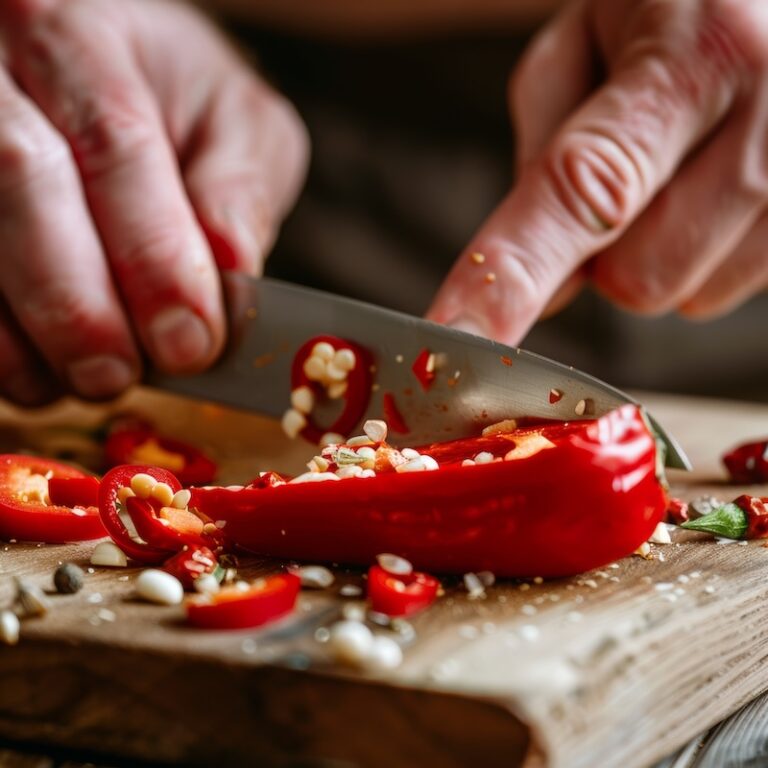
- Handle with Care: Capsaicin, the compound responsible for the heat, can irritate skin and eyes. Always wear gloves when cutting or handling hot chili peppers, and avoid touching your face. Wash hands thoroughly after handling them.
- Remove Seeds and Membranes: Red chili peppers’ seeds and inner membranes contain the most heat. Removing them can help control the spiciness and create a milder flavor while retaining the pepper’s essential taste.
- Use Heat to Adjust Flavor: Cooking red chili peppers can mellow their heat and bring out the sweetness. Roasting or sautéing peppers add a smoky depth while using them raw, keeping their sharp, fresh heat intact.
- Balance with Other Ingredients: Chili peppers pair well with ingredients that balance or cool their heat, like dairy (yogurt, cream), lime juice, coconut milk, or even a bit of sugar or honey.
- Test the Heat First: Taste a small piece of the pepper to gauge its heat level before adding it to your dish. This can prevent your meal from becoming too spicy.
Ideas for Cooking with Red Chili Peppers
| Idea / Dish | Description | Why It Works |
|---|---|---|
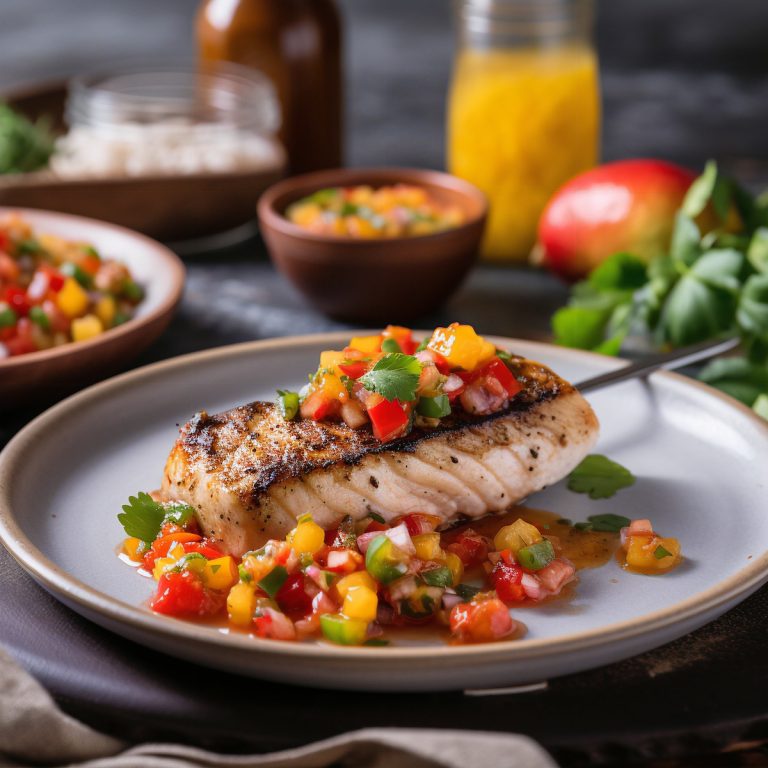
| Fresh Salsa | Diced chilies with tomatoes, onion, cilantro, and lime. | Heat brightens tomatoes and cuts richness in grilled meats and tacos. |
| Chili Oil | Gently heat sliced chilies with garlic in neutral oil; strain or leave bits. | Infuses fat with spice for drizzling on noodles, eggs, pizza, or dumplings. |
| Chili Crisp | Fried chili, garlic, shallot, and crunchy seeds in oil. | Adds heat plus texture; turns simple bowls and veggies into craveable bites. |
| Quick Pickled Chilies | Thinly slice; cover with warm vinegar, sugar, and salt; chill. | Acid tempers heat and adds snap for sandwiches, tacos, and salads. |
| Arrabbiata Sauce | Sauté chilies in olive oil, add garlic and tomatoes; simmer. | Heat balances sweet tomato and boosts simple pasta or seafood. |
| Harissa Paste | Blend roasted red chilies with garlic, cumin, coriander, and olive oil. | Smoky, complex heat marinates meats and enriches stews or grain bowls. |
| Stir-Fry Aromatic | Flash-fry sliced chilies with garlic/ginger before adding vegetables or protein. | Blooming chilies in hot oil spreads heat evenly through the dish. |
| Spicy Mayo | Mash minced chilies into mayo with lemon or lime. | Creaminess mellows burn for balanced sandwiches, sushi, and fry dips. |
| Chili-Lime Butter | Stir minced chilies, lime zest, and salt into softened butter. | Melts over corn, steak, or fish, delivering heat plus citrus aroma. |
| Roasted Veg Toss | Toss chopped chilies with vegetables and olive oil; roast until caramelized. | Roasting sweetens veg while chili adds lively contrast. |
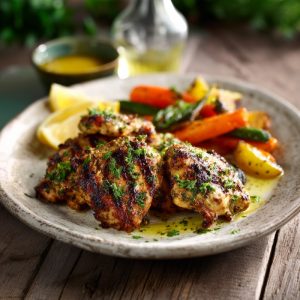
| Chili-Garlic Marinade | Blend chilies, garlic, herbs, citrus, and olive oil; marinate proteins. | Acid penetrates while chili provides flavor and a gentle burn. |
| Eggs with Chilies | Fold sautéed chilies into scrambled eggs, omelets, or shakshuka. | Rich eggs love spicy lift; heat wakes the dish without overpowering. |
| Chili-Infused Honey | Warm honey with sliced chilies; steep and strain. | Sweet-heat glaze for fried chicken, pizza, roasted carrots, and cheese. |
| Ceviche Kick | Minced fresh chilies stirred into citrus-cured fish or shrimp. | Heat and acidity amplify seafood freshness and balance sweetness. |
| Bean Chili Booster | Toast chopped chilies with spices before simmering beans or chili. | Toasting unlocks deeper flavors and a rounder, warmer heat. |
What Are Red Chili Peppers?
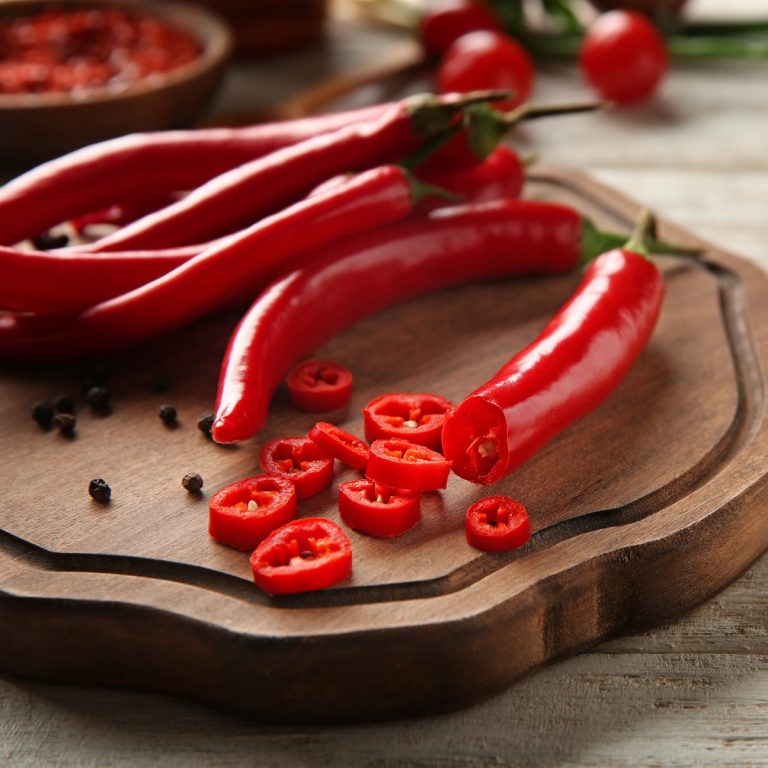
Red chili peppers are the mature, ripened version of chili peppers, known for their vibrant color and spicy heat. They belong to the Capsicum genus, part of the nightshade family (Solanaceae), and are widely used in various cuisines worldwide to add flavor, heat, and color to dishes.
These peppers come in various shapes, sizes, and heat levels, ranging from mild to extremely hot. The red color in these peppers develops as they ripen, typically intensifying their flavor and sweetness compared to their green, less mature counterparts.
Common varieties of red chili peppers include cayenne, Fresno, red jalapeño, bird’s eye, and Thai chilies. The heat in chili peppers comes from capsaicin, a naturally occurring compound that can range from a slight tingle to intense burning, depending on the pepper’s variety and preparation.
Red chili peppers are used fresh and can be dried, ground into powders (like paprika or cayenne), or made into pastes and sauces, making them a versatile ingredient in cooking. Besides their culinary use, they are packed with vitamins A and C and are often noted for their metabolism-boosting and anti-inflammatory properties.
Advantages of Cooking with Red Chili Peppers
- Flavor Enhancement: Red chili peppers bring a complex flavor profile that includes heat, sweetness, and even a touch of fruitiness. Their versatility allows them to complement various dishes, from savory to sweet.
- Heat Control: You can adjust the level of spiciness by choosing different types of chili peppers or using certain parts of the pepper. For example, seeds and membranes carry the most heat, while the flesh can add a milder flavor.
- Nutritional Benefits: Red chili peppers are rich in vitamins A and C, powerful antioxidants. They also contain capsaicin, a compound linked to various health benefits like boosting metabolism and reducing inflammation.
- Versatility: Chili peppers can be used fresh or dried or as powders and pastes. They can enhance everything from sauces, marinades, and salsas to soups, stews, and stir-fries.
- Preservative Qualities: Chili peppers’ heat and acidity can act as natural preservatives, helping to prolong the shelf life of foods like pickles, chutneys, and fermented sauces.
Five Fun Facts
Ancient Origins: Chili peppers have been cultivated for over 6,000 years, with their origins traced to Central and South America. They were one of the first crops to be domesticated in the Americas.
Heat Ranking: The heat of red chili peppers is measured on the Scoville Scale, created in 1912 by pharmacist Wilbur Scoville. This scale measures the concentration of capsaicin, the compound responsible for their spiciness. Some varieties, like the Carolina Reaper, rank over 2 million Scoville Heat Units (SHU)!
Pepper vs. Capsicum: While we call them “peppers,” red chili peppers aren’t related to black pepper. Christopher Columbus coined the term “pepper” when he encountered chilies in the New World, confusing them with the black pepper spice from India.
Pain Relief Properties: Capsaicin in red chili peppers is known to trigger the release of endorphins, the body’s natural painkillers. Capsaicin creams are even used to treat conditions like arthritis and nerve pain.
Pepper Lovers, Beware: Birds can eat the hottest chili peppers without feeling the burn! Unlike mammals, birds are immune to capsaicin’s effects, making them important seed dispersers for wild chili plants.


One Response
Roasting peppers in their skins gives a lovely sweet flavor as the juice collects inside, so I’m guessing the same for this Chili recipe. Pasta with garlic and chili oil sounds fine to me.