
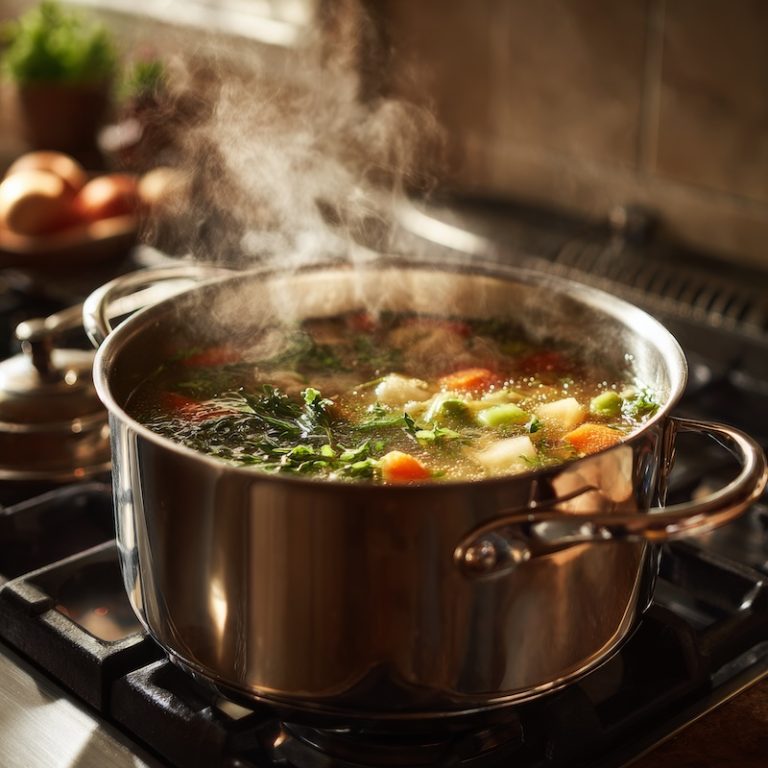
Choosing the right soup pot isn’t just about picking a big metal bowl. A well‑made pot becomes a trusty kitchen companion that helps your soups cook evenly, prevents scorching and makes stirring simple.
Pick the Perfect Soup Pot 🥣
- Size: 6–8 quarts for everyday use, 10+ quarts for families or meal prep.
- Material:
- Stainless steel – all-purpose, even heat
- Enameled cast iron – slow simmer, heat retention
- Handles & Lid: Sturdy, heat-safe handles + tight-fitting or glass lid
- Features to Watch: Induction-ready base, oven-safe, smooth interior
- Budget Tip: Invest in quality for long-term use — a good pot lasts decades
Quick takeaway: Choose a pot that matches your cooking style, stove type, and batch size. Perfect soups start with the right pot!
How to Pick the Best Soup Pot: Sizes, Materials, and Key Features Explained
Choosing the right soup pot isn’t just about picking a big bowl—it’s about finding a tool that makes cooking easier, safer, and more enjoyable. In this post, we’ll break down everything you need to know: the ideal sizes for different households, the pros and cons of materials like stainless steel and enameled cast iron, and the little features that make a big difference, from sturdy handles to tight-fitting lids.
But we won’t stop at soup—your pot can do so much more. From simmering stocks and braising meats to steaming vegetables, cooking grains, or even deep-frying small batches, a versatile pot can become the workhorse of your kitchen. By the end, you’ll know exactly which pot suits your cooking style and needs.
Other Ways to Use a Soup Pot
| Use | Description | Why It Works |
|---|---|---|
| Making Stocks & Broths | Simmer bones, vegetables, and aromatics to create flavorful bases for sauces, soups, or risottos. | Large capacity and even heat make long, slow cooking easy without evaporation issues. |
| Steaming Vegetables or Seafood | Use a steaming basket inside the pot to gently cook vegetables, shellfish, or dumplings. | The pot holds enough water for steam, and the lid traps heat for consistent cooking. |
| Braising Meats | Brown meat on the stovetop, then cover and cook slowly in liquid until tender. | Thick walls retain heat and allow even cooking; tight lid locks in moisture. |
| Cooking Pasta or Grains | Boil pasta, rice, or quinoa in large batches without overflow or sticking. | High capacity prevents spilling, and thick bottoms reduce scorching. |
| One-Pot Meals | Combine protein, vegetables, grains, and sauces in one pot for easy meals. | Even heat and depth allow layered cooking without overcrowding ingredients. |
| Poaching or Boiling Eggs | Gently cook eggs in water for soft, medium, or hard-cooked results. | Wide base and even heat prevent hot spots that can crack eggs. |
| Blanching Vegetables | Quickly cook vegetables in boiling water before shocking in ice water for freezing or salads. | Large volume of water maintains temperature and prevents overcooking. |
| Deep Frying Small Batches | Fry items like chicken, potatoes, or donuts safely in oil. | Heavy pot retains heat and high sides reduce oil splatter. |
| Canning & Preserving | Boil jars of jams, pickles, or sauces for home preservation. | Large capacity accommodates multiple jars and ensures even boiling. |
What to look for in a good soup pot?
| Quality | Description | Why It Matters |
|---|---|---|
| Material | Stainless steel, enameled cast iron, copper, or aluminum with non-reactive lining | Impacts heat conductivity, durability, reactivity with acidic foods, and ease of cleaning |
| Size/Capacity | Ranges from 4 to 12+ quarts depending on household size and batch cooking | Determines how much soup you can make—larger pots are great for stocks, batch cooking, or entertaining |
| Weight | Heavier pots (like cast iron or multi-ply stainless) vs. lighter aluminum | Heavy pots retain heat better; lighter ones are easier to handle and store |
| Base Thickness | Thick, layered base (often aluminum core in stainless) | Promotes even heating and prevents scorching at the bottom |
| Handles | Large, sturdy, riveted or welded handles | Important for safe lifting, especially when full; should be heat-resistant or oven-safe if needed |
| Lid Fit | Tight-fitting lid made of same material or tempered glass | Helps retain moisture and heat, especially for long simmers |
| Interior Finish | Smooth, non-reactive finish—polished stainless or enameled | Prevents sticking and makes for easy cleaning and monitoring browning |
| Oven-Safe Temperature | Range of oven safety (typically 350°F to 500°F) | Adds versatility for finishing soups or braises in the oven |
| Ease of Cleaning | Dishwasher-safe or easy to clean by hand | Reduces maintenance hassle; enameled interiors or polished stainless are best |
| Compatibility | Induction-compatible base if using an induction cooktop | Expands usability on all cooktops—gas, electric, induction |
| Shape & Design | Taller sides with a wider base | Helps reduce evaporation while giving enough surface for sautéing ingredients |
| Pouring Lip or Spout | Some pots include a slight lip or spout for pouring | Makes transferring soup or broth cleaner and easier |
| Reputable Brand/Warranty | Backed by a trusted brand with a good warranty | Ensures long-term durability and support in case of defects or issues |
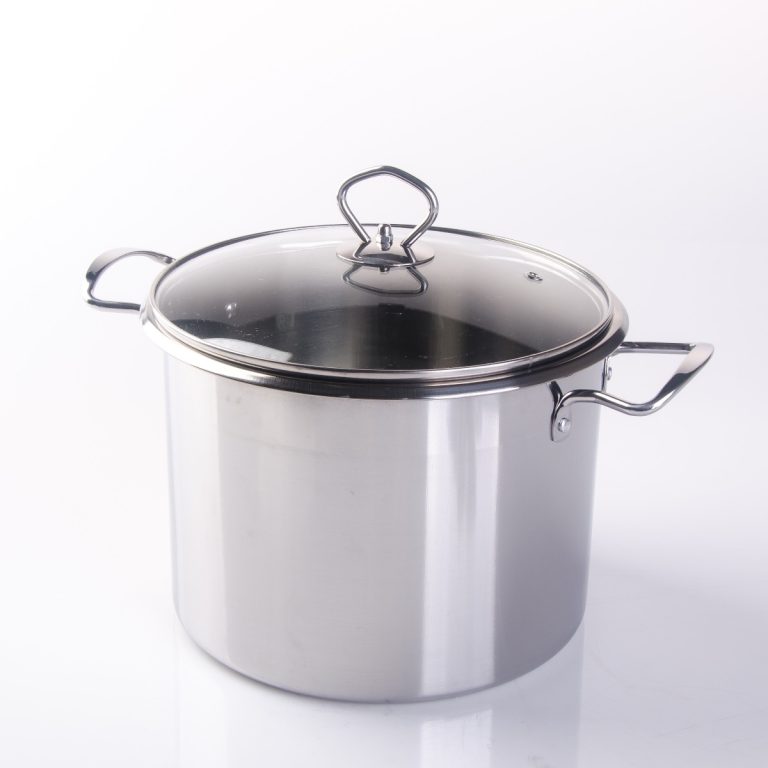
What to Consider When Choosing a Soup Pot 🥣
- Size: 6–12 quarts is versatile for soups, stocks, and other dishes.
- Shape: Round base with deep straight sides; works for soups, stocks, or reductions. Large saucepans can work for smaller batches.
- Structure: Thick, heavy bottom prevents scorching during long simmering sessions.
- Materials: Stainless steel, cast iron, aluminum, or multi-materials; choose based on conductivity, budget, and comfort. Hard-anodized aluminum is durable and non-reactive.
- Conductivity: Even heat across bottom and sides ensures soups cook consistently.
- Handles: Sturdy, riveted handles; cool-touch is convenient, but always use mitts when oven-roasting.
Quick Tip: Prioritize size, structure, and heat performance — the right soup pot will become your kitchen workhorse!
Buying a Soup Pot
What to Look For: Choose a pot with ample capacity (6–12 quarts), sturdy handles, and a tight-fitting lid. Heavy-bottom construction helps distribute heat evenly and prevents scorching.
Material Matters: Stainless steel is durable and easy to maintain, while enameled cast iron offers excellent heat retention for slow-simmered soups and stews.
Where to Shop: Kitchenware stores and specialty cooking shops let you check weight, balance, and lid fit before buying.
Amazon Convenience: Amazon offers a wide range of soup pots in various sizes and materials. Compare reviews, features, and prices, with easy home delivery.
Versatile Use: Perfect for soups, stocks, stews, pasta, and batch cooking. A reliable soup pot is a cornerstone of any well-equipped kitchen.
🛒 Check Prices for Soup Pots on AmazonAvailable on Amazon
Soup Pot FAQ
1. What size soup pot do I need?
Most home cooks do well with a 6–8 quart pot for everyday soups and stews. For families, meal prep, or entertaining, a 10–12 quart pot is ideal. Smaller pots may overflow, while overly large ones waste energy.
2. Which material is best for soup pots?
- Stainless steel (multi-ply): Durable, non-reactive, and heats evenly.
- Enameled cast iron: Excellent heat retention, perfect for slow-simmering soups and braises.
- Aluminum/clad pots: Fast heating; make sure interior is non-reactive.
3. Can I use my soup pot for other cooking?
Yes! Soup pots are versatile: braising meats, making stocks, steaming vegetables, cooking grains, blanching, poaching, or even deep-frying small batches.
4. Do I need a glass lid?
A glass lid lets you monitor cooking without lifting the lid, keeping heat and moisture locked in.
5. Can soup pots be used on all stovetops?
Check the manufacturer. Many are compatible with gas, electric, and induction, but induction requires a magnetic base.
6. Are soup pots oven-safe?
Many are, especially stainless steel or enameled cast iron. Avoid high-heat exposure for pots with plastic handles unless specified as oven-safe.
7. How do I clean and maintain my soup pot?
- Stainless steel: Warm soapy water; soak stubborn bits. Avoid steel wool on polished surfaces.
- Enameled cast iron: Wash gently; avoid metal scrubbers to protect the enamel. Dry completely to prevent rust on rims.
8. How much should I spend on a good soup pot?
A well-made pot can last decades. Expect to spend $80–$200 for quality materials. Budget options exist, but longevity and performance improve with investment.
9. What features should I look for?
Look for: sturdy handles, tight-fitting lids, thick bottoms for even heating, oven-safe materials, and induction compatibility if needed.
10. Can I stack or store soup pots easily?
Large soup pots are bulky. Consider nesting smaller pots inside larger ones, or using lid organizers to save cabinet space.

11 Responses
I became really annoyed with this piece when I realized you didn’t link the article you suggest in the following sentence (never mind the grammar): “For a good article on cookware material from a professional chef, check out contributing chef Mark Vogel’s, How to Choose Cookware.”
Hi Andrea, please do not be annoyed. My site is the hobby of one and has changed from html to Joomla and now to WordPress. Each time the site gets switched, links are lost and pages missing. Just seems to happen. I appreciate your letting me know and I will fix the link and the grammar too. I also appreciate help from my visitors letting me know when I’ve made mistakes and sorry to cause you any annoyance.
This is unnecessarily aggressive lol
Thanks for the article, I’m looking for a pot for my daughter’s house warming gift. Can’t decide between s.s. or enameled cast iron. Also, I’m sorry for the earlier comment from the annoyed woman, doesn’t take much to set some people off, esp. if they have mental issues. You seemed to take it seriously and owe no one an apology.
Hi Wendy, thanks for your comments. Is there any way you can get some ideas from your daughter without letting on your motives? If you just happen to be in a cookware store, maybe you can look at some different brands and get her opinion. I love the enameled cast iron. Besides being great to cook in, they look great too but they are heavy.
I would like to know where I can purchase a soup pot that is the heavy duty stainless steel rthat flares out from the base allowing the movement of the vegetables/beans/pasta/rice/meat to be in a continuous rolling motion that prevents scorching and running of the solids. I had seen this pot/pan a number of years ago but the company went out of business. Thank you. Sincerely, Nancy
Made In 8‑Qt 5‑Ply Stainless Clad Stock Pot
5-ply construction all the way through—aluminum core sandwiched by stainless steel—ensures super-even heat from the bottom up. Highly praised by Bon Appétit and Food & Wine for its wide, squat shape that promotes a gentle “rolling boil” perfect for soups and chowders
All‑Clad™ Stainless Steel Stockpot
Fully-clad stainless construction, flared sides and rim for drip-free pouring, double-riveted handles, oven-safe to 600 °F. Celebrated by Bon Appétit for even heating and wide profile ideal for searing and simmering in the same pot
bonappetit.com
HexClad 8‑Qt Hybrid Stock Pot
Hybrid stainless/aluminum design with nonstick durability and easy cleanup, built to handle soups, stews, and pasta with smooth release and even heat.
Well, this is ridiculous ! I have spent twenty minutes trying to find a place to order a soup. Twenty minutes. All I get is a picture of a red soup pot and the article. No matter what I place in the search box, all I get is a picture of a red soup pot and the article.
Twenty minutes I spent running around your website. I have been shopping on line for 10 years. Is it me or your website???
Hi Marilyn, not sure what you are looking for but this post is to learn more about soup pots so you can go out to your favorite cookware store or online shop to purchase one. I don’t sell any from my site. Sorry for the confusion.
I would like to know which type of pot is best for making cream or milk based soups like New England Clam Chowder. Something that is least likely to burn the product even with frequent stirring
Hi JoAnna, For cream- or milk-based soups like New England Clam Chowder, a heavy-bottomed stainless steel pot is your best bet. Here’s why:
Even Heat Distribution: Stainless steel pots with a thick, layered (often aluminum-core) base prevent hot spots, so your creamy soup won’t scorch or stick on the bottom.
Non-Reactive Surface: Unlike aluminum or copper alone, stainless steel won’t react with dairy or acidic ingredients, keeping the flavor pure and preventing discoloration.
Easy to Stir: The smooth interior surface makes stirring cream soups easier, helping to prevent curdling or burning.
Durability and Versatility: Stainless steel pots are durable, dishwasher-safe, and can be used from stove to oven if your recipe calls for finishing in the oven.
Avoid pots made solely of aluminum or cast iron for cream soups, as they can cause the dairy to react or burn more easily.
If you prefer nonstick, choose a high-quality one with a heavy base; however, stainless steel is generally the safest and most reliable choice for silky smooth chowders.