
Fast Answer
Start with a good jarred sauce — Classico, Rao's, or whatever you keep in the pantry — and add one or two things that make it yours. Browned sausage, a parmesan rind, a splash of cream, caramelized onions. You're not cheating. You're improving.
Not Cheating. Improving.
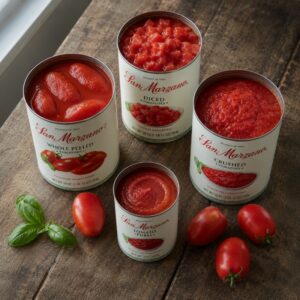
Making sauce from scratch means different things to different cooks. Some people grow their own San Marzanos. Some use imported Italian plum tomatoes because it’s February and fresh ones aren’t worth buying. Some open a jar on a Tuesday because dinner needs to happen. All three are valid. This post is about the third one.
A good jarred sauce is a foundation, not a finished dish. What you add to it — and how — is where your cooking actually shows up. The ideas below are what I reach for when I want something that tastes like I spent more time on it than I did. Which is the point.
Before You Start
- Pick a sauce worth doctoring. The better the base, the better the result. We keep Classico Tomato and Basil from Costco for weeknights. Rao's — made with naturally ripened southern Italian tomatoes, no paste or added sugar — is worth the extra cost when you want the result to be genuinely good.
- You don't need to add much. One or two additions is usually enough. More than that and you're making a different sauce entirely — which is also fine, but know what you're going for.
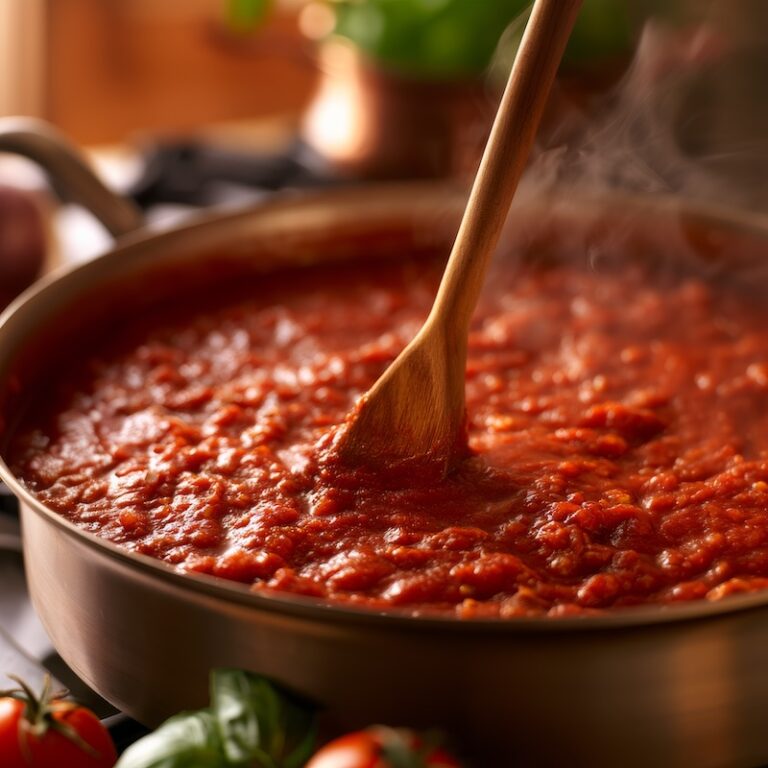
- Heat the sauce low and slow once you've added your extras. Ten to fifteen minutes over low heat lets everything come together. Rushing it on high heat just scorches the bottom.
Start Here — The Sausage Sauce
Before we get to the full list, this is the one I make most often and the one I’d recommend to anyone who’s never doctored a jarred sauce before.
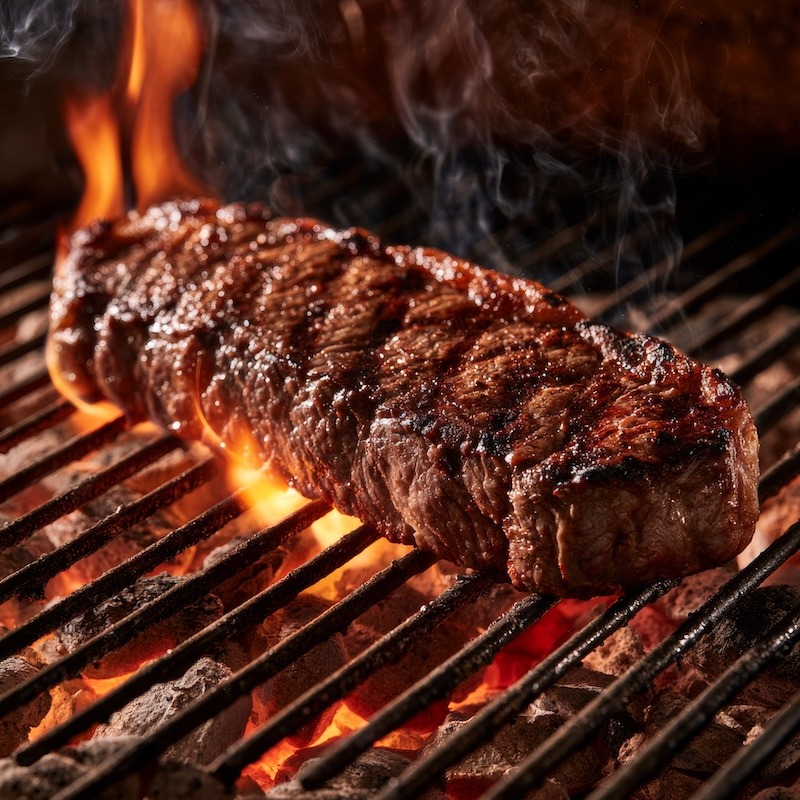
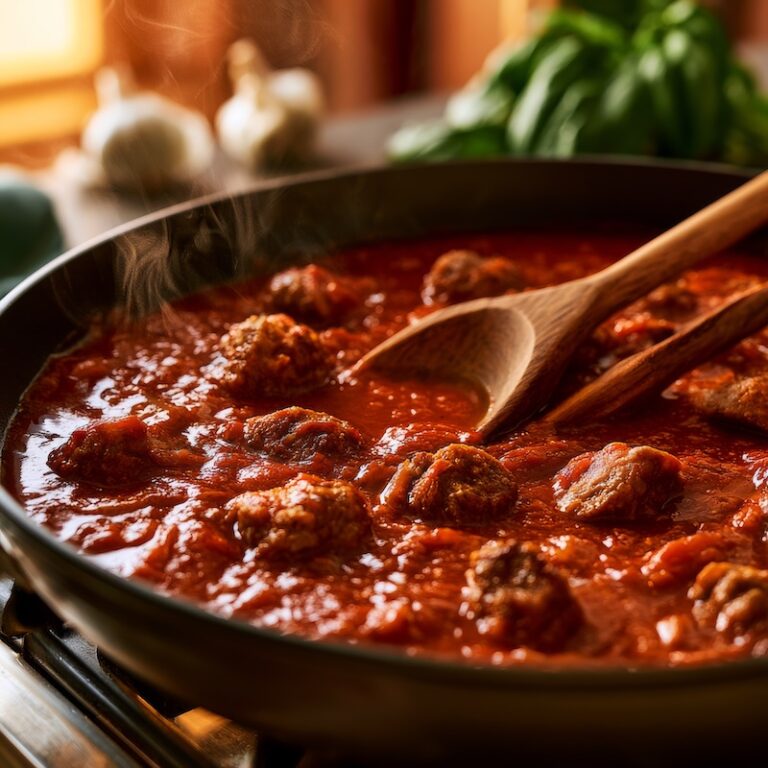
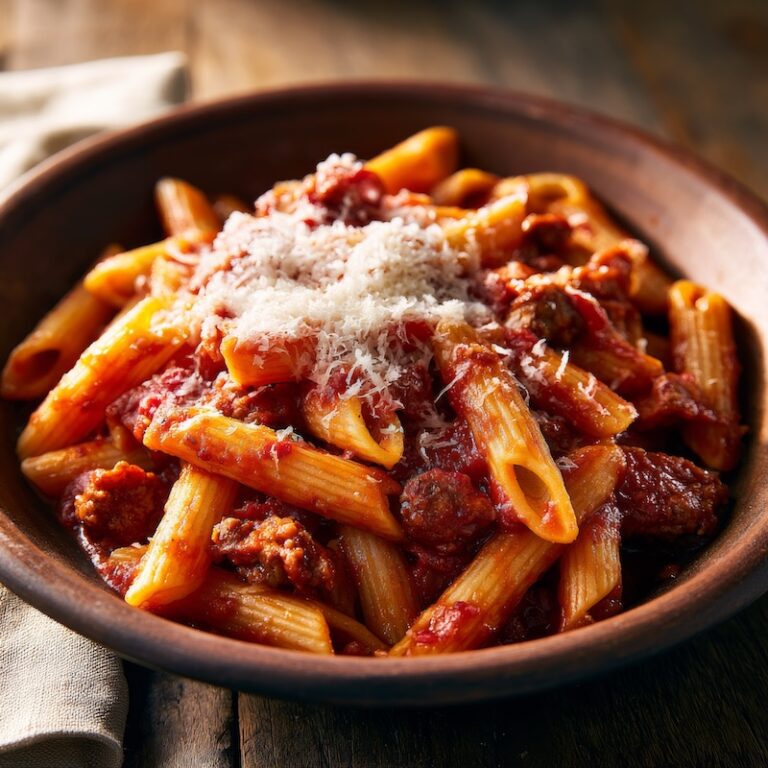
When the kids were little and I didn’t feel like cooking, I made sausage sauce. Boiled up some penne, opened a jar, browned some sausage meat, combined them. They loved it. I could give it to them the next day for lunch. It works because it works — the fat from the sausage enriches the sauce, the meat gives it body, and the whole thing comes together in about twenty minutes.
Remove the sausage meat from the casing — sweet, mild, or hot depending on your preference — break it up, and brown it in a wide pan. Add your sauce. Let it simmer for ten minutes. A little Parmesan and some hot pepper flakes if you want them. That’s it. If someone asks for the recipe, you can decide how much detail to share.
What to Add — Five Categories
Below is everything I reach for when I’m working with a jarred sauce. Some of these I use almost every time. Some I’ve tried once and kept coming back to. A few I’m still not entirely sure about, but I’ve included them anyway because they work.
Proteins
- Browned sausage meat — sweet, mild, or hot. Remove from the casing, break it up, brown it first, then add the sauce to the pan. See above.
- Leftover chicken, beef, lamb, or pork — whatever you have. Slice or shred it, add it to the simmering sauce, and let it warm through. This is also how leftover roast becomes tomorrow's pasta.
- Chopped canned anchovies or anchovy paste — don't skip this one because you think you don't like anchovies. They dissolve completely and add a depth the sauce can't get any other way. Nobody will know they're there.
- Bacon — you can add bacon to almost anything and it tastes better. Pasta sauce is not an exception.
Dairy
- A few tablespoons of heavy cream or half and half — stir it in at the end. Takes the edge off an acidic sauce and adds richness without making it taste like an Alfredo.
- A couple of tablespoons of butter — same logic as cream, slightly different result. I use butter in my pan sauces all the time for exactly this reason.
- Soft cheeses — ricotta, mascarpone, cream cheese, sour cream, or crème fraîche stirred in at the end. Each one adds creaminess in a slightly different way. Ricotta keeps it light. Mascarpone makes it indulgent.
- Hard cheese rinds — Parmesan or Romano rinds dropped into the simmering sauce and removed before serving. This is one of those things that seems fussy and isn't. The rind dissolves slowly and adds a nuttiness you can't replicate any other way. Save your rinds.
- Grated Parmesan or Romano — stirred in at the end, off the heat. Adds salt, depth, and a thin coating on every strand of pasta.
Vegetables
- Caramelized onions — nothing is better. Takes time, but not attention. Low heat, don't rush them, add them to the sauce when they're done.
- Sautéed vegetables — mushrooms, carrots, asparagus, broccoli, broccoli rabe, broccolini. Cook them separately first, then add to the sauce. They hold their texture better that way.
- Canned or frozen vegetables — corn, peas, artichoke hearts. We use them in risotto all the time. There's no reason they don't belong in pasta sauce.
- Leftover greens that are about to turn — don't throw them out. Throw them into the sauce. They wilt down to nothing and disappear into the background, which is exactly where they belong at that point.
- Fresh tomatoes — chopped and added in, especially if you have them on hand in summer. Brightens the whole sauce and makes it taste less like it came from a jar. Which is the goal.
Pantry Additions
- Tomato paste — a spoonful or two deepens the tomato flavor and thickens the sauce. Cook it in the pan for a minute before adding the jarred sauce to take the raw edge off.
- Reserved pasta water — the starchy cooking water gives the sauce body and helps it cling to the pasta. See the pasta mistakes post for why this matters.
- Balsamic vinegar or balsamic glaze — a small amount adds sweetness and depth without tasting like a salad dressing. Go easy — a teaspoon is usually enough.
- A touch of good extra virgin olive oil — stirred in at the very end, off the heat. Adds richness and a slight fruitiness. Don't cook it; just finish with it.
- Lemon zest or a little lemon juice — brightens everything. Particularly good with seafood-based additions or lighter sauces.
- Chopped pitted olives — adds a briny, slightly bitter note. Works especially well with sausage or anchovy.
Fresh Herbs and Spices
- Fresh garlic — sauté it in olive oil before adding the jarred sauce. This is the single most effective thing you can do to make a jarred sauce taste like you made it yourself.
- Fresh basil, oregano, rosemary, or mint — whatever you have growing. Add hardy herbs like rosemary early; add basil at the very end so it doesn't turn black.
- Hot pepper flakes — adjustable heat, added whenever you want. A standard addition in our house.
- Dried spices — Italian seasoning, fennel seeds, dried oregano. Bloom them in olive oil for thirty seconds before adding the sauce and they'll contribute more than if you just sprinkle them in.
What My Readers Add — And My Reactions
I put this question to my Facebook group, What I Cooked For Dinner Last Night, and the responses were more creative than anything on my list. I’m sharing them here exactly as submitted, with my honest reactions.
From Kim F.: We just had a jarred sauce this last week and I always add a block of cream cheese, applesauce (my French grandmother’s method), copious amounts of Oregano, a few pepper flakes. It seems to give the jarred sauce a “from scratch” feel on a busy night. Oh, if I have fresh tomatoes on hand, I chop them up and add them in as well.
I’ve been cooking for thirty years and I genuinely cannot picture what cream cheese and applesauce do to a tomato sauce. I’m not saying it’s wrong — Kim’s French grandmother clearly knew something I don’t. I’m saying I need to sit with this for a while.
From Cathy M.: My mom Dorothy G. will win this challenge in a heartbeat. The spoon stands up in her spaghetti sauce, and you will never have better. She will correct me if I mess up her process.
Brown a pound of ground pork and a pound of ground beef. Drain, and set aside. Sauté a healthy handful of pepperoni. Drain, and set aside. Sauté up some garlic, onions, and green peppers — however many you want. I do an onion and two peppers and 4-5 cloves of garlic. Throw all the meat back in the pot with the veggies. Add three jars of drained button mushrooms. Then add a jar of your fave sauce, 2 big cans of tomato sauce, and a can of tomato paste. Now add Texas Pete to your liking. Finally, add Italian seasoning to your liking. You’ll probably be freezing some unless you’re feeding 20 people. You are welcome.
Texas Pete, for the uninitiated, is a hot sauce — vinegary, medium heat, widely beloved in the American South. Why it shows up in Dorothy G.’s Italian-American Sunday gravy I have no idea. But any sauce that can stand a spoon up is fine by me. I’m not asking questions.
From Linda S.: Recently I only had a small amount of jarred Rao’s Marinara on hand. I needed to stretch it so added what was on hand — garlic hummus. It was delicious! Added a nice creaminess to the sauce which coated the pasta beautifully!
Garlic hummus. In marinara. I don’t know what to call the resulting cuisine, but Linda says it added a nice creaminess and I believe her. Greek-Italian fusion, achieved accidentally on a Tuesday. Stranger things have worked.
From Amanda G.: Epicurious has a recipe where you sauté a fennel bulb, onion, and sweet Italian sausage. Deglaze with white wine and then add a jar of marinara (2 cups). It is fantastic. Haven’t made it in ages and now I am going to!
This one I’d make on purpose. Fennel and sweet Italian sausage with a white wine deglaze is practically a different dish from where it started.
Frequently Asked Questions
What’s the best store-bought tomato sauce to doctor?
Start with something you’d be willing to eat straight from the jar — the doctoring improves it, it doesn’t rescue it. We keep Classico Tomato and Basil for weeknights and Rao’s when we want the result to be genuinely impressive. Whatever your pantry staple is, stick with it.
How do I make jarred tomato sauce taste homemade?
Sauté fresh garlic in olive oil first, then add the sauce to the pan rather than the other way around. Add a parmesan rind while it simmers. Finish with a splash of pasta water and a touch of butter off the heat. Nobody will know where it started.
Can I add wine to store-bought tomato sauce?
Yes — a splash of red wine added early and cooked down for a few minutes adds depth. White wine works better with lighter sauces or when you’re adding seafood. Don’t add so much that it needs a long time to cook off; a quarter cup is usually enough.
How long should I simmer doctored jarred sauce?
Ten to fifteen minutes over low heat is enough for most additions. Long enough for flavors to come together, short enough that you haven’t turned a Tuesday night shortcut into a Sunday project.
Can I freeze doctored tomato sauce?
Yes, with a few caveats. Sausage sauce and meat-based versions freeze well. Cream or dairy-based additions don’t — they tend to separate when reheated. Freeze before adding dairy, then stir it in when you reheat.
What’s the single best thing to add to jarred tomato sauce?
Sautéed fresh garlic. It’s the one addition that most reliably makes a jarred sauce taste like you made it yourself. Everything else is optional.
Do I need to add sugar to jarred tomato sauce?
Usually not — most commercial sauces already contain added sugar. If yours tastes acidic, a small pinch of sugar can balance it, but try a parmesan rind or a splash of cream first. Both add sweetness without making it taste like you added sugar.
What’s the difference between doctoring a sauce and making it from scratch?
About forty-five minutes, mostly. Both are valid depending on what Tuesday night looks like.
What do you add to jarred tomato sauce to make it yours? I'm especially curious about the ones that sound wrong but work anyway — Kim F.'s applesauce has me genuinely unsettled and I'd like to know if anyone else has tried it.