
Fast Answer
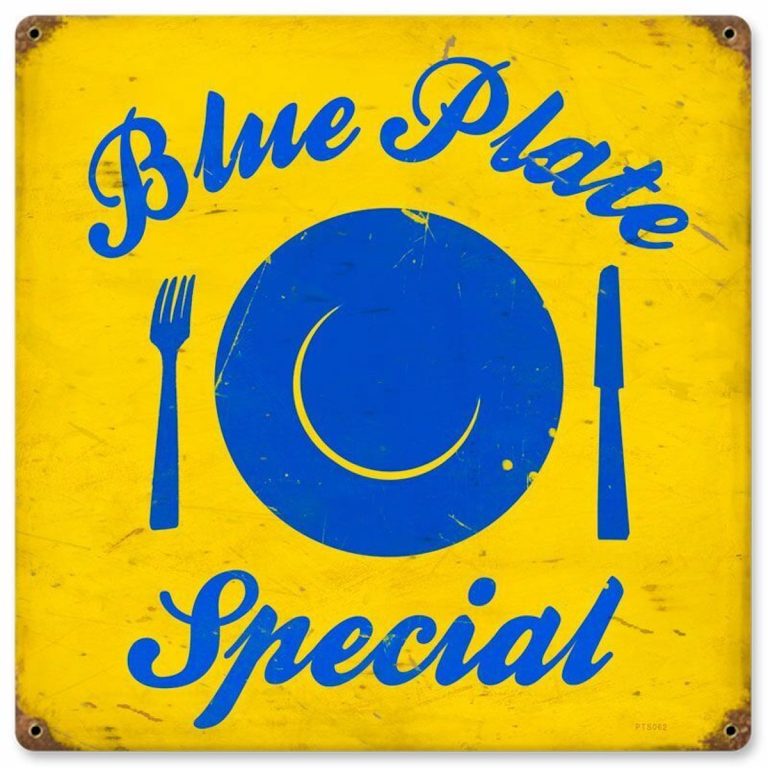
A blue plate special was a fixed-price, one-plate meal — a meat, a couple of sides, sometimes bread and dessert — sold cheap at American diners from the 1920s through the 1950s. The name comes from the divided, Blue Willow-pattern earthenware many diners served it on, which kept the food from running together.
The Last Decade of the Blue Plate Special, From the Back Seat
That Howard Johnson’s stop wasn’t technically a blue plate special — HoJo’s had its own named “plates,” not that specific phrase — but it was the same idea, worn down to its road-trip essentials: one fixed price, one plate, no decisions required, and you were back in the car in twenty minutes. The actual blue plate special has a real, documented history behind it, and most of what gets repeated about it online — including what used to be on this page — gets the “blue” part wrong. Here’s what’s actually known.
Where Did the Blue Plate Special Actually Come From?
The honest answer is that nobody can pin down an exact birthplace, but there’s a real paper trail. One food writer has claimed the phrase first appeared on an October 1892 Fred Harvey Company menu on the Atchison, Topeka and Santa Fe Railroad—a claim that’s often repeated but never independently verified.
The solid documentation starts later: a 1915 announcement from the Seaboard Air Line Railway describing a daily special of meat or fish with two vegetables served on one plate, and a “Blue Plate” luncheon reference in print by 1916. Diners and railroad dining cars both get credit as likely originators, and by the late 1920s the term was common enough that it didn’t need explaining.
Why Was It Called a “Blue” Plate?
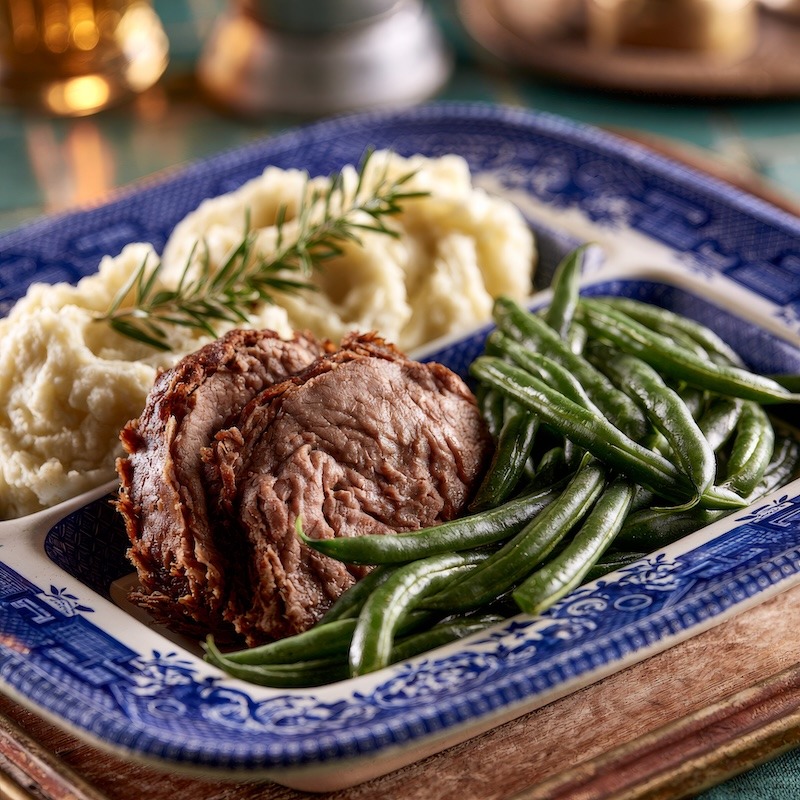
Not for the reason you’d guess, and not for the reason previously on this page. The plates were blue because of the plates themselves — mass-produced earthenware in the Blue Willow pattern, divided into compartments by small raised dividers.
That divided design was the actual point: it kept gravy, sauces, and juices from running into the vegetables or dessert, which mattered when a restaurant was plating a fixed, no-substitutions meal fast and cheap for a lot of people at once.
Webster’s still defines “blue plate” this way — a restaurant plate divided into compartments for serving several kinds of food as a single order. It wasn’t a marketing color choice. It was a functional plate that happened to come in blue.
What Was Typically on a Blue Plate Special Menu
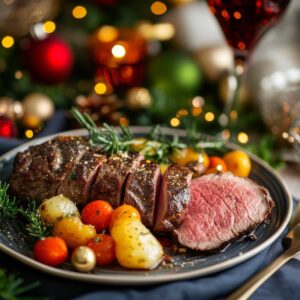
- Meat: roast beef, fried chicken, pork chops, meatloaf
- Vegetables: mashed potatoes and gravy, green beans, corn, carrots
- Starch: rice, pasta, or potatoes done a second way
- Soup or salad: chicken noodle, beef stew, split pea, coleslaw, or a simple tossed salad, sometimes offered as a choice
- Dessert: pie, cake, pudding, or ice cream
- Extras: usually bread and butter or a roll, plus coffee, tea, or soda
Why It Boomed During the Depression
The blue plate special’s real golden age was the 1930s. A full plate typically ran 35 to 50 cents — a real bargain even accounting for the era’s prices — and for restaurants competing for budget-strapped diners, a single advertised price with no menu-reading required was a fast, honest sales pitch.
Diners posted the day’s special on a sign out front and counted on regulars coming back to see what it was.
One Kid’s Version: Howard Johnson’s, Not a Diner
By the time I was riding in the back seat on those Jersey-to-Florida trips, the classic diner blue plate special was already fading — the real decline started in the 1960s as fast food chains expanded and pulled traffic away from sit-down diners.
What I actually remember is Howard Johnson’s: the orange roof, a kids’ menu, and a fixed plate that let my parents feed four people and get back on the road without much fuss. HoJo’s didn’t call it a blue plate special by name, but it solved the exact same problem for the exact same kind of traveler the original diners were built for.
Do Diners Still Serve It?
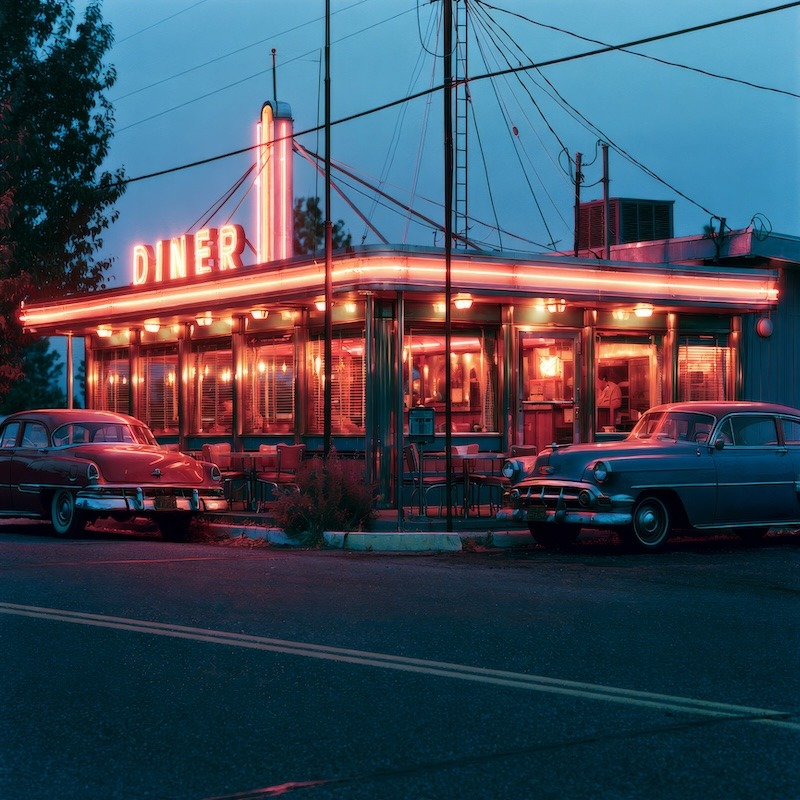
Yes, in pockets — mostly in New Jersey, New York, New England, and Pennsylvania, where independently owned diners are still relatively common. A handful even keep the name and the blue plate itself as a nostalgia play. But it’s a genuinely vanishing tradition at this point, not a current standard menu feature.
- Another piece of restaurant history and economics, updated with current numbers: Restaurant Wine Markups.
- For the other side of the restaurant experience: Restaurant Pet Peeves.
Frequently Asked Questions
What is a blue plate special? A fixed-price meal — typically a meat and one or two sides — sold at a set low price, common at American diners from the 1920s through the 1950s.
Why is it called a “blue plate” special? It was served on divided, Blue Willow-pattern earthenware plates. The compartments kept different foods from touching, which mattered for fast, cheap, no-substitutions service.
When did the blue plate special start? The documented trail starts around 1915–1916, with the term going mainstream in diners and restaurants by the late 1920s. An earlier 1892 claim exists but has never been independently verified.
Why did the blue plate special disappear? It began declining in the 1960s as fast food chains expanded and pulled customers away from sit-down diners, which had been the format’s main home.
Do any restaurants still serve blue plate specials? A small number of independently owned diners, mostly in the Northeast, still offer them under that name — sometimes even on an actual blue plate — but it’s a rare, nostalgic offering rather than a common one today.
Was the blue plate special the same as a Howard Johnson’s fixed-price plate? Not by name, but functionally similar — both were a single fixed-price plate meant to feed someone quickly and cheaply with no decisions required.