
Food Pairing Secrets: Perfect Matches and Awkward Flavors
Most cooks learn pairings by accident — you make caprese enough times that tomato and basil just becomes obvious. But there's actual logic underneath these combinations, and once you understand it, you can make better decisions on the fly without needing to look anything up.
Flavor pairings work through three mechanisms: contrast, harmony, and bridging. Contrast is prosciutto and melon — salt against sweet, each making the other more distinct. Harmony is rosemary and lamb — two robust flavors that operate in the same register without competing. Bridging is what olive oil does in a caprese — it sits between the acid of the tomato and the creaminess of the mozzarella and connects them.
The tables and tools on this page are organized around those three ideas. Use the quiz to test what you already know. Use the ingredient finder when you're standing in the kitchen with something in your hand and need a direction. Use the tables as a reference when you're planning a dish from scratch.
Classic Food Pairings: The Short Answer
The most reliable food pairings work through contrast (salt amplifies sweet — prosciutto and melon), harmony (two robust flavors in the same register — rosemary and lamb), or bridging (an ingredient that connects two others — olive oil between tomato and mozzarella). Once you understand which mechanism a pairing uses, you can predict new combinations and adapt recipes with confidence.
What's on This Page
- Why food pairings work
- Test your pairing knowledge
- Ingredient pairing finder
- Classic two-ingredient pairings
- Flavor conflict chart
- Herb and protein pairings
- Herb and vegetable pairings
- Spice and vegetable pairings
- Fruit and cheese pairings
- Three-ingredient combinations
- Four-ingredient combinations
- Pairings that don't work
Why Food Pairings Work
- Contrast. Opposite flavors make each other more vivid. Salt sharpens sweetness — which is why chocolate and sea salt works, and why prosciutto makes melon taste more like melon. Acid cuts fat — which is why lemon transforms a rich piece of salmon.
- Harmony. Similar intensity levels playing the same note. Rosemary and lamb are both robust and slightly gamey. Thyme and mushrooms are both earthy and savory. They reinforce rather than fight each other.
- Bridging. A third ingredient that connects two that wouldn't naturally reach each other. Olive oil bridges tomato and mozzarella. Brown butter bridges sage and squash. Balsamic bridges strawberries and black pepper.
- Aromatics do most of the heavy lifting. Herbs and spices pair with proteins and vegetables not because of taste alone but because of aromatic compounds they share. Dill and salmon share delicate, grassy volatiles. Cinnamon and apple share warm, sweet-spiced ones. This is why some pairings feel inevitable.
Test Your Pairing Knowledge
Classic food pairings every cook should want to know
Ingredient Pairing Finder
Choose any ingredient (herb, spice, veg, fruit, cheese, or protein) to see classic pairings.
Choose a category and ingredient to see classic pairings.
Classic Food Pairings & Why They Pair So Well
| Classic Pairing | Why they pair so well |
|---|---|
| Tomatoes + Basil | Bright acidity from tomatoes meets basil’s fresh, peppery herb notes. The flavors lift each other and feel balanced. |
| Tomato + Mozzarella (Caprese) | Juicy, acidic tomato contrasts creamy, mild mozzarella. Olive oil and salt bridge the two for harmony. |
| Lemon + Fish | Acid from lemon cuts fatty richness and brightens delicate fish flavors. It refreshes the palate. |
| Garlic & Oil | Garlic infuses savory aromatics into oil. The oil carries flavor and softens garlic’s bite. |
| Beef + Rosemary | Robust beef stands up to rosemary’s piney, resinous notes. The herb adds a savory, fragrant lift. |
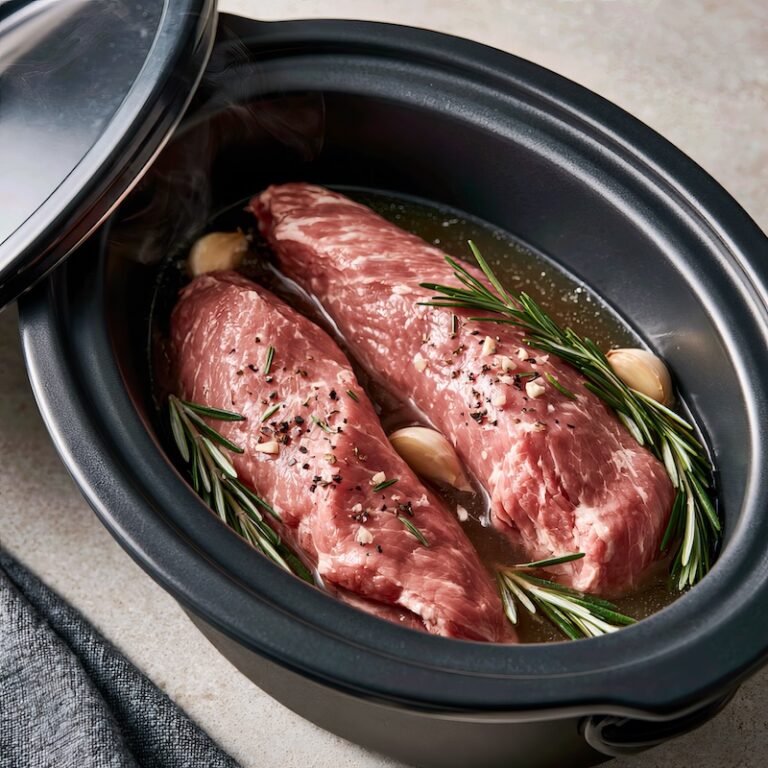
| Pork + Apple | Sweet-tart apples cut pork’s richness. The contrast refreshes and echoes autumnal flavors. |
| Chocolate + Sea Salt | Salt sharpens chocolate’s sweetness and uncovers deeper cocoa notes. The contrast intensifies flavor. |
| Strawberries + Balsamic | Balsamic’s sweet acidity amplifies strawberry fruitiness. The tang adds complexity and depth. |
| Prosciutto + Melon | Salty, umami prosciutto contrasts the melon’s sweet juiciness. Texture and taste create perfect balance. |
| Peanut Butter + Chocolate | Nutty, savory peanut butter complements chocolate’s sweetness. Fat and sugar meld into creamy satisfaction. |
| Apples + Cinnamon | Cinnamon emphasizes apple’s sweetness and warmth. The spice adds aromatic depth and comfort. |
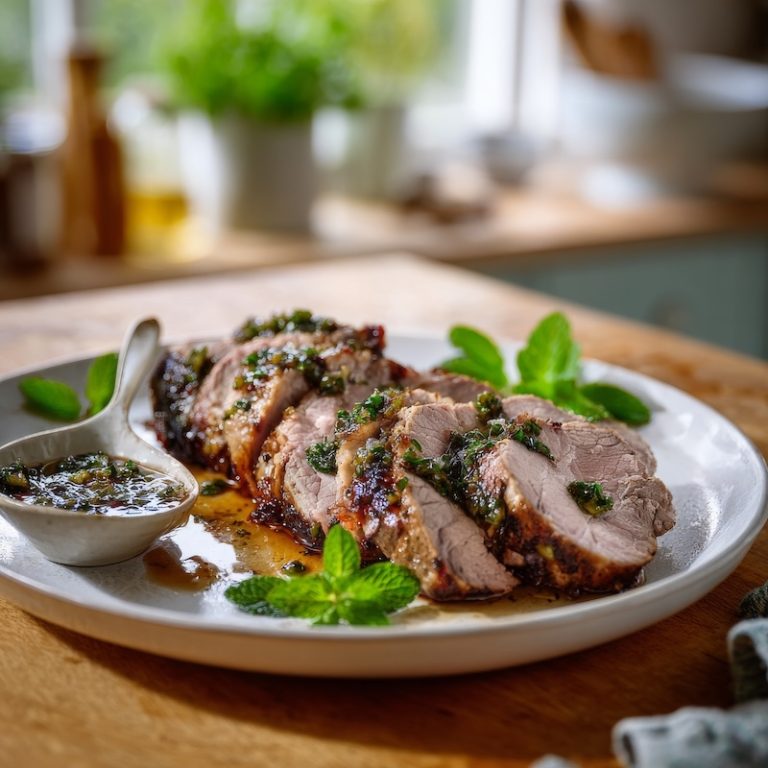
| Lamb + Mint | Mint cuts lamb’s gamey richness with bright, cooling notes. The pairing refreshes and balances heavy meat. |
| Cheese + Wine | Acidity, tannin, or sweetness in wine contrasts or complements cheese fat and salt. Each enhances the other’s flavors. |
| Mushrooms + Thyme | Mushrooms’ earthy umami blends with thyme’s savory, herbal tone. The combination deepens savory complexity. |
| Corn + Butter | Sweet kernels meet rich, creamy butter. Fat carries flavor and smooths texture for pure comfort. |
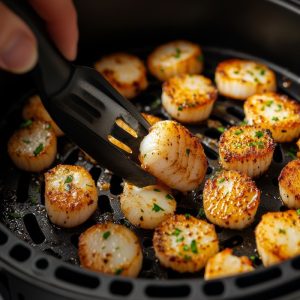
| Shrimp + Garlic | Sweet, briny shrimp gain savory lift from garlic. Quick-cooked garlic perfumes without overpowering. |
| Avocado + Lime | Creamy avocado brightens with lime’s acid. The citrus prevents greasiness and refreshes the mouth. |
| Honey + Yogurt | Sweet honey balances tangy yogurt. Texture contrast and mild flavors make a smooth, pleasing bite. |
| Ginger + Soy/Sesame | Spicy, aromatic ginger pairs with salty, umami soy and toasty sesame. The trio creates bright, savory depth. |
| Beets + Goat Cheese | Earthy beets pair with tangy, creamy goat cheese. Acid and creaminess lift the root’s sweetness and texture. |
Flavor Conflict Table
Color Key
Green → Good combination Yellow → Can work with careful balance Pink → Likely clash
This gives you an easy, visual guide to see which flavor types naturally clash and which can complement each other.
| Flavor Type | Sweet | Salty | Sour / Acidic | Bitter | Umami / Savory |
|---|---|---|---|---|---|
| Sweet | Good | Can work but balance carefully | Clash – acid can overpower sweet | Clash – bitter can overwhelm sweet | Can work – savory adds depth if balanced |
| Salty | Can work but balance carefully | Good | Can work – acid can brighten salt | Clash – bitter can dominate | Good – natural savory pairing |
| Sour / Acidic | Clash – acid can overpower sweet | Can work – brightens salty flavors | Good | Can work – bitterness cuts sharpness | Can work – enhances savory flavors |
| Bitter | Clash – bitter can overwhelm sweet | Clash – can dominate salty flavors | Can work – balances sharp acid | Good | Can work – adds depth if balanced |
| Umami / Savory | Can work – sweet adds contrast | Good – natural combination | Can work – acid brightens umami | Can work – bitter adds complexity | Good |
Herb and Vegetable Pairings
| Herb + Protein | Why they pair so well |
|---|---|
| Rosemary + Lamb | Rosemary’s piney aroma cuts through lamb’s rich, gamey flavor. The herb adds depth and balance. |
| Thyme + Chicken | Thyme’s earthy, savory notes complement chicken’s mild flavor and add warmth to roasts or soups. |
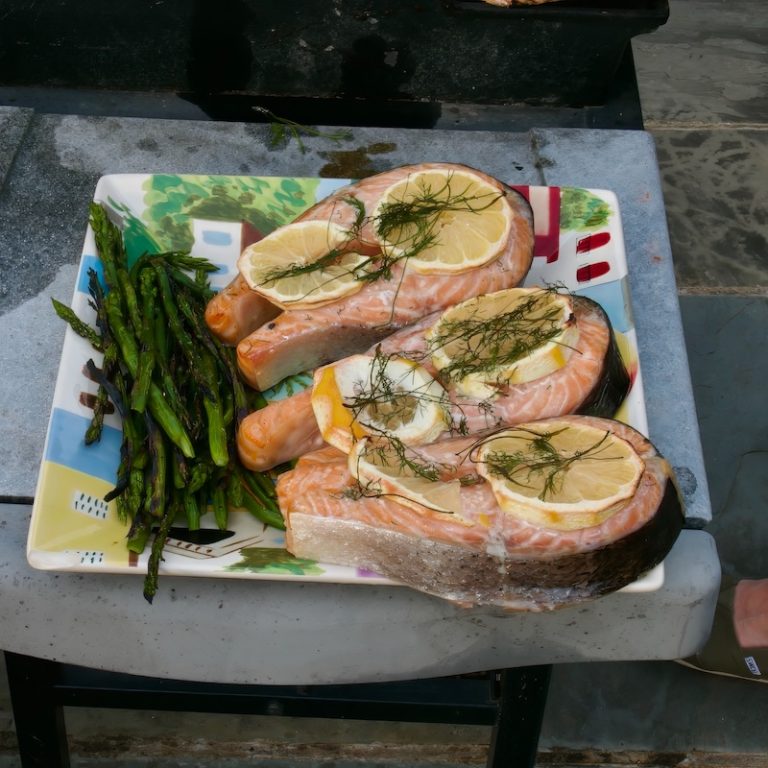
| Dill + Salmon | Dill’s bright, grassy flavor balances salmon’s rich, oily taste. The pairing feels light and refreshing. |
| Sage + Pork | Sage’s robust, peppery notes highlight pork’s sweetness. The combo is hearty and comforting. |
| Basil + Chicken | Fresh basil adds sweetness and spice, lifting chicken’s mild base. Perfect in Mediterranean and Asian dishes. |
| Parsley + Beef | Parsley’s clean, fresh flavor cuts beef’s heaviness. Often used as a garnish to brighten dishes. |
| Tarragon + Fish | Tarragon’s slight licorice note enhances delicate fish flavors. It brings a French-style elegance. |
| Mint + Lamb | Mint refreshes lamb’s richness with cool, bright notes. A classic pairing in Mediterranean cuisine. |
| Oregano + Chicken | Oregano’s bold, earthy bite adds depth to chicken. Common in Italian and Greek cooking. |
| Cilantro + Shrimp | Cilantro’s citrusy freshness highlights shrimp’s sweetness. Often paired in Latin and Asian dishes. |
| Chives + Eggs | Mild onion-like chives brighten rich, creamy eggs. They add freshness without overpowering. |
| Marjoram + Veal | Marjoram’s floral sweetness enhances veal’s delicate taste. Often used in European stews and roasts. |
| Bay Leaf + Beef | Slow-cooked bay leaf releases subtle earthy bitterness that deepens beef stews and braises. |
| Sage + Turkey | Sage’s earthy, peppery flavor complements turkey’s mild meat. A Thanksgiving classic. |
| Basil + Shrimp | Basil’s sweet and peppery lift enhances shrimp’s briny taste. Perfect in pasta and stir-fries. |
| Dill + Chicken | Dill’s fresh, grassy notes brighten chicken salads, soups, and roasted dishes. |
| Rosemary + Beef | Strong rosemary stands up to beef’s bold flavor. The herb adds aroma and complexity. |
| Thyme + Pork | Thyme’s earthy and slightly minty flavor enhances pork roasts and grilled chops. |
| Mint + Chicken | Mint brings cool freshness to grilled or spiced chicken. Common in Middle Eastern dishes. |
| Oregano + Beef | Oregano’s bold herbal notes add savory depth to beef, perfect for marinades and sauces. |
Spice and Vegetable Pairings
| Spice + Vegetable | Why they pair so well |
|---|---|
| Cinnamon + Sweet Potatoes | Cinnamon highlights sweet potatoes’ natural sugars and adds warm, comforting depth. |
| Nutmeg + Spinach | A pinch of nutmeg deepens spinach’s earthy flavor, adding subtle warmth to creamy dishes. |
| Cumin + Carrots | Cumin’s smoky spice balances carrots’ sweetness, making roasted or pureed dishes richer. |
| Paprika + Potatoes | Smoky or sweet paprika enhances potatoes’ mild flavor and adds color and warmth. |
| Coriander + Beets | Coriander’s citrusy spice lifts beets’ earthy sweetness, making them taste fresher. |
| Turmeric + Cauliflower | Turmeric’s golden color and earthy flavor bring warmth and balance to mild cauliflower. |
| Chili Flakes + Broccoli | Heat from chili flakes livens up broccoli’s mild, grassy flavor, adding excitement. |
| Cinnamon + Winter Squash | Cinnamon’s warmth enhances squash’s natural sweetness, creating cozy, seasonal flavors. |
| Ginger + Carrots | Fresh ginger adds zesty brightness to carrots, balancing their sweet, earthy notes. |
| Cumin + Zucchini | Cumin’s smoky edge adds depth to zucchini’s mild, watery flavor, especially when grilled. |
| Paprika + Corn | Paprika’s warmth and smokiness complement corn’s natural sweetness, especially when roasted. |
| Curry Powder + Eggplant | Eggplant soaks up curry spices beautifully. Curry powder gives depth and complexity. |
| Black Pepper + Tomatoes | Fresh pepper adds sharp contrast to juicy, sweet-acidic tomatoes, enhancing their bite. |
| Allspice + Cabbage | Allspice adds warmth and complexity to cabbage, balancing its strong, sulfurous notes. |
| Cumin + Lentils | Cumin enhances lentils’ earthy base with smoky, nutty spice. A staple in many cuisines. |
| Cloves + Onions | Cloves intensify onions’ sweetness when braised, adding warmth and aromatic depth. |
| Turmeric + Green Beans | Turmeric adds earthy depth and color, making green beans taste heartier and more vibrant. |
| Chili Powder + Corn | Chili heat contrasts with corn’s sweetness, a street-food classic in many cultures. |
| Fennel Seeds + Cabbage | Fennel seeds bring licorice-like sweetness that balances cabbage’s strong flavor. |
| Mustard Seeds + Cauliflower | Popped mustard seeds add nutty, pungent flavor that complements mild cauliflower. |
Herb and Protein Pairings
| Herb + Vegetable | Why they pair so well |
|---|---|
| Basil + Tomatoes | Basil’s sweet, peppery notes enhance tomato acidity and sweetness. A Mediterranean classic. |
| Thyme + Carrots | Thyme’s earthy flavor complements roasted carrots’ natural sweetness and depth. |
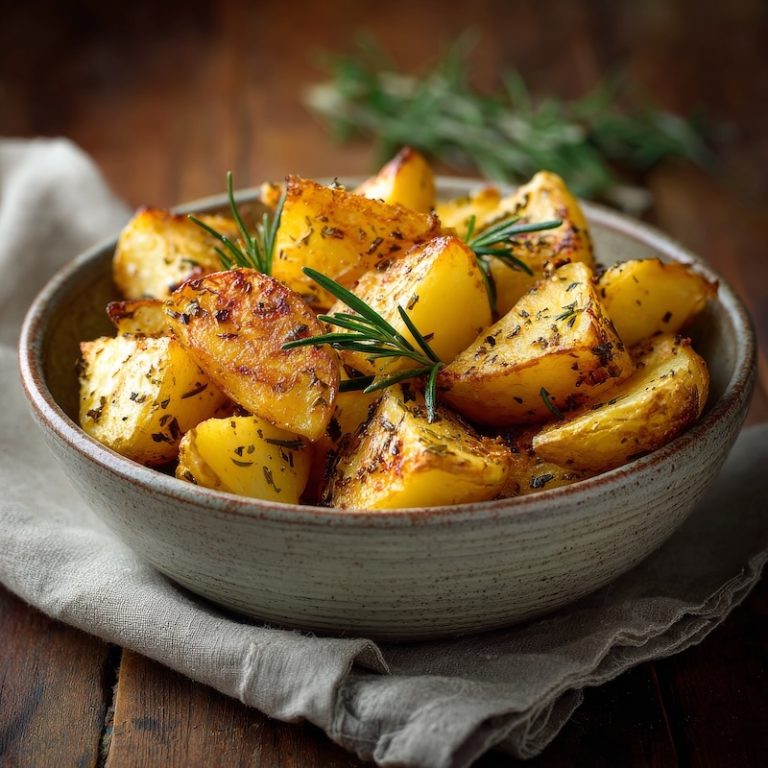
| Rosemary + Potatoes | Rosemary’s piney aroma and flavor stand up to starchy potatoes, adding fragrance and savoriness. |
| Dill + Cucumbers | Dill’s fresh, grassy notes brighten cucumber’s mild, watery flavor, ideal for salads. |
| Oregano + Zucchini | Oregano’s bold herbal notes lift zucchini’s mild taste, perfect for sautéed or roasted dishes. |
| Mint + Peas | Mint adds cool freshness to sweet peas, enhancing their natural sweetness in a light, bright way. |
| Parsley + Broccoli | Parsley’s clean flavor brightens broccoli, especially when steamed or roasted with olive oil. |
| Chives + Leeks | Chives’ mild onion notes amplify leek’s natural sweetness, adding subtle aroma. |
| Sage + Butternut Squash | Sage’s earthy, peppery flavor complements the sweet, nutty profile of roasted squash. |
| Tarragon + Carrots | Tarragon’s slightly licorice flavor lifts roasted or glazed carrots with aromatic depth. |
| Fennel Fronds + Fennel Bulb | The fronds echo the bulb’s anise flavor, amplifying its sweetness and freshness. |
| Cilantro + Bell Peppers | Cilantro’s bright, citrusy flavor complements sweet bell peppers in salsas or stir-fries. |
| Marjoram + Tomatoes | Marjoram adds subtle sweetness and aroma that enhances tomato sauces and roasted tomatoes. |
| Lavender + Carrots | Lavender adds floral warmth to roasted carrots. Use sparingly for balance and novelty. |
| Basil + Eggplant | Basil lifts eggplant’s mild, earthy flavor, common in Mediterranean dishes like ratatouille. |
| Oregano + Tomatoes | Oregano’s bold, peppery aroma complements tomato sauces and roasted tomato dishes. |
| Rosemary + Brussels Sprouts | Rosemary enhances roasted Brussels sprouts with its piney, savory depth. |
| Thyme + Mushrooms | Thyme’s earthy notes amplify mushrooms’ natural umami, ideal in sautés and sauces. |
| Dill + Carrots | Dill brightens cooked or raw carrots with fresh, slightly tangy notes. |
| Parsley + Cauliflower | Parsley adds freshness and color to cauliflower, balancing mild roasted or steamed flavors. |
Fruit and Cheese Pairings
| Fruit + Cheese | Why they pair so well |
|---|---|
| Apples + Cheddar | Sharp cheddar contrasts crisp, sweet apples. The balance of tang and sweetness is irresistible. |
| Pears + Blue Cheese | Juicy, sweet pears soften blue cheese’s sharp, tangy bite for perfect balance. |
| Figs + Goat Cheese | Figs’ honey-like sweetness pairs with creamy, tangy goat cheese. A Mediterranean classic. |
| Grapes + Brie | Sweet, juicy grapes lighten Brie’s buttery richness, making each bite balanced. |
| Strawberries + Mascarpone | Strawberries’ tart sweetness pairs with mascarpone’s mild creaminess for a fresh, dessert-like match. |
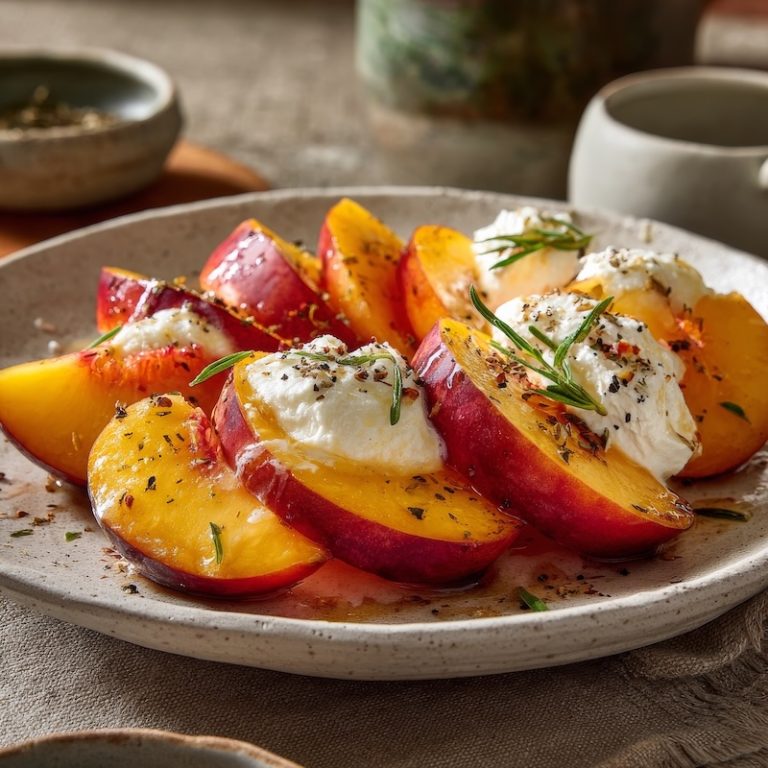
| Peaches + Burrata | Peaches’ juicy sweetness contrasts burrata’s creamy center, creating summer freshness. |
| Cherries + Ricotta | Cherries’ tart pop brightens ricotta’s mild creaminess, ideal for sweet or savory dishes. |
| Melon + Prosciutto + Mozzarella | Sweet melon pairs with mozzarella’s creaminess, while prosciutto adds salty depth. |
| Apricots + Camembert | Apricots’ tangy sweetness balances Camembert’s earthy creaminess for elegant flavor. |
| Plums + Feta | Plums’ sweet-tart notes pair with feta’s salty, tangy bite for refreshing contrast. |
| Pineapple + Cottage Cheese | Pineapple’s tropical sweetness balances cottage cheese’s mild tang. A light, classic snack. |
| Mango + Cream Cheese | Mango’s rich sweetness pairs beautifully with cream cheese’s smooth tang. |
| Apples + Gruyère | Apples’ crisp sweetness meets Gruyère’s nutty, savory depth. A fondue favorite. |
| Dates + Blue Cheese | Sticky-sweet dates contrast blue cheese’s bold tang, creating intense balance. |
| Kiwi + Ricotta | Kiwi’s tart brightness lifts mild ricotta, creating a refreshing, light pairing. |
| Cranberries + Goat Cheese | Tart cranberries cut through goat cheese’s creamy tang, popular in salads and appetizers. |
| Bananas + Cream Cheese | Bananas’ mellow sweetness pairs with cream cheese’s slight tang for a smooth balance. |
| Oranges + Feta | Citrusy, sweet oranges contrast with feta’s salty sharpness, brightening salads and bowls. |
| Pears + Parmesan | Pears’ delicate sweetness complements Parmesan’s salty, nutty sharpness. |
| Blackberries + Brie | Blackberries’ tartness cuts Brie’s creamy richness, making the flavors pop. |
Three-Ingredient Combinations
| Ingredients | Why they pair so well |
|---|---|
| Tomato + Basil + Mozzarella | Tomato’s acidity, basil’s fresh peppery notes, and mozzarella’s creamy mildness create perfect balance. Classic in Caprese salad and pizza. |
| Garlic + Lemon + Olive Oil | Garlic adds depth, lemon brings brightness, and olive oil carries flavor smoothly. Ideal for dressings and roasted vegetables. |
| Apples + Cinnamon + Butter | Sweet apples, warm cinnamon, and rich butter complement each other for comforting, well-rounded flavors. Used in pies and roasted fruit. |
| Chicken + Thyme + Lemon | Chicken’s mild flavor is lifted by earthy thyme and bright lemon. Great for roasting or sautéing. |
| Carrots + Ginger + Honey | Sweet carrots, zesty ginger, and sticky honey combine for warmth, sweetness, and brightness. Perfect for glazed vegetables. |
| Potatoes + Rosemary + Garlic | Potatoes’ starchiness pairs with rosemary’s piney flavor and garlic’s aroma for savory roasted dishes. |
| Strawberries + Balsamic + Black Pepper | Strawberries’ sweetness, balsamic’s acidity, and pepper’s subtle heat create sophisticated, balanced flavor. |
| Salmon + Dill + Lemon | Rich salmon is brightened by lemon’s acidity and fresh dill, creating a refreshing, classic pairing. |
| Beef + Onion + Red Wine | Beef’s richness is complemented by sweet onions and the depth of red wine for savory braises and stews. |
| Tomatoes + Garlic + Olive Oil | Tomatoes’ acidity, garlic’s aroma, and olive oil’s smoothness form the foundation of countless sauces. |
| Peaches + Basil + Burrata | Sweet peaches, fragrant basil, and creamy burrata balance sweet, herbal, and creamy textures. |
| Lamb + Mint + Garlic | Lamb’s richness is lifted by fresh mint and garlic’s savory depth for bold, classic Mediterranean flavors. |
| Cucumber + Dill + Yogurt | Cucumber’s freshness, dill’s herbaceous notes, and yogurt’s tang create light, cooling dishes like tzatziki. |
| Chocolate + Peanut Butter + Sea Salt | Chocolate’s sweetness, peanut butter’s nuttiness, and salt’s sharpness create indulgent contrast and balance. |
| Tomato + Onion + Bell Pepper | Sweet and savory vegetables combine for layered flavor in sautés, stews, and sofrito bases. |
| Apples + Cheddar + Walnuts | Sweet apples, sharp cheddar, and crunchy walnuts deliver texture and balance in salads and snacks. |
| Eggplant + Tomato + Garlic | Earthy eggplant, sweet-acidic tomato, and aromatic garlic create rich Mediterranean dishes like ratatouille. |
| Potatoes + Chives + Sour Cream | Starchy potatoes are lifted by chives’ freshness and sour cream’s tang for classic baked potato flavors. |
| Spinach + Garlic + Lemon | Earthy spinach is brightened by lemon and flavored with aromatic garlic for sautéed greens with depth. |
| Mango + Lime + Chili | Sweet mango, bright lime, and spicy chili create contrast and excitement in fruit salsas and snacks. |

Four-Ingredient Combinations
| Ingredients | Why they pair so well |
|---|---|
| Tomato + Basil + Mozzarella + Olive Oil | Tomato’s acidity, basil’s fresh aroma, mozzarella’s creaminess, and olive oil’s richness create balanced, classic Italian flavors. |
| Chicken + Lemon + Thyme + Garlic | Earthy thyme, bright lemon, aromatic garlic, and mild chicken combine for juicy, flavorful roasts or sautés. |
| Apples + Cinnamon + Butter + Brown Sugar | Sweet apples, warm cinnamon, rich butter, and caramel-like brown sugar create comforting, dessert-ready flavors. |
| Salmon + Dill + Lemon + Olive Oil | Rich salmon is brightened by lemon, aromatic dill, and olive oil’s smoothness, perfect for roasting or grilling. |
| Beef + Onion + Red Wine + Thyme | Beef’s richness, sweet onions, deep red wine, and earthy thyme make flavorful braises and stews. |
| Potatoes + Rosemary + Garlic + Olive Oil | Starchy potatoes gain depth from rosemary, aromatic garlic, and olive oil’s richness when roasted. |
| Carrots + Ginger + Honey + Lime | Sweet carrots, zesty ginger, sticky honey, and bright lime balance sweet, warm, and acidic notes. |
| Strawberries + Balsamic + Black Pepper + Mint | Strawberries’ sweetness, balsamic’s acidity, pepper’s warmth, and mint’s freshness create a sophisticated flavor profile. |
| Peaches + Basil + Burrata + Balsamic | Sweet peaches, fragrant basil, creamy burrata, and tangy balsamic vinegar balance sweetness, creaminess, and acidity. |
| Eggplant + Tomato + Garlic + Olive Oil | Earthy eggplant, sweet-acidic tomato, aromatic garlic, and olive oil combine for Mediterranean classics like ratatouille. |
| Cucumber + Dill + Yogurt + Lemon | Cucumber’s freshness, dill’s herbaceous notes, creamy yogurt, and lemon’s bright acidity create light, cooling dishes. |
| Mango + Lime + Chili + Salt | Sweet mango, tart lime, spicy chili, and salt balance sweetness, acidity, heat, and savory contrast. |
| Tomatoes + Garlic + Onion + Bell Pepper | Sweet and savory vegetables with aromatic garlic create layered, flavorful bases for sauces and stews. |
| Apples + Cheddar + Walnuts + Honey | Sweet apples, sharp cheddar, crunchy walnuts, and honey provide texture and balanced sweet-savory flavors. |
| Spinach + Garlic + Lemon + Olive Oil | Earthy spinach, aromatic garlic, bright lemon, and rich olive oil make a simple, flavorful side dish. |
| Lamb + Mint + Garlic + Yogurt | Lamb’s richness, fresh mint, aromatic garlic, and tangy yogurt create classic Mediterranean flavor balance. |
| Chocolate + Peanut Butter + Sea Salt + Caramel | Chocolate’s sweetness, peanut butter’s nuttiness, salt’s sharpness, and caramel’s richness combine indulgent textures and flavors. |
| Tomatoes + Basil + Garlic + Balsamic | Acidic tomatoes, fresh basil, aromatic garlic, and sweet-tangy balsamic create perfect flavor harmony. |
| Roasted Squash + Sage + Brown Butter + Nutmeg | Sweet roasted squash, earthy sage, nutty brown butter, and warm nutmeg balance sweetness, richness, and spice. |
| Carrots + Honey + Thyme + Orange | Sweet carrots, sticky honey, earthy thyme, and citrusy orange create a vibrant, balanced side dish. |
Pairings That Don't Work
What Makes a Pairing Fail
- Intensity mismatch. One ingredient simply overwhelms the other. Chocolate and garlic is the clearest example — garlic's pungency destroys the delicate sweetness of chocolate. There's no balance possible when the intensities are that far apart.
- Acid-dairy conflict. Acid causes dairy proteins to coagulate. Lemon juice in milk doesn't just taste bad — it physically curdles. This is chemistry, not preference. (It can be controlled — crème fraîche and sour cream are stabilized to handle acid — but fresh milk and cream are not.)
- Competing for the same register. Two strong, assertive flavors fighting for dominance rather than playing different roles. Anchovies and bitter melon is the extreme version. Both are intense. Neither softens for the other.
- Water content dilution. Tomato and cucumber together can taste flat and watery if the ingredients aren't fresh and well-seasoned. The issue isn't flavor clash — it's that both release liquid and dilute each other. Salt draws moisture, then drain before combining.
Flavor Conflict Chart
Color Key
Pink → strong flavor clash (overpowering) Yellow → sweet vs. savory or acid vs. dairy conflict
| Ingredients | Why they clash |
|---|---|
| Chocolate + Garlic | Sweet vs. pungent – garlic overwhelms chocolate’s delicate sweetness. |
| Strawberries + Blue Cheese | Sweet vs. strong/salty – strawberries cannot balance blue cheese’s tang. |
| Lemon + Milk | Acid vs. dairy – lemon curdles milk, producing lumps and off textures. |
| Watermelon + Bacon | Sweet vs. salty – watermelon’s sweetness clashes with bacon’s smokiness. |
| Tomato + Chocolate | Acid vs. sweet – tomato acidity conflicts with chocolate’s richness. |
| Banana + Onion | Sweet vs. pungent – banana’s mellow sweetness is overpowered by onion. |
| Orange + Soy Sauce | Acid vs. salty/umami – citrus overwhelms soy’s depth. |
| Mint + Cheese | Overpowering flavor – mint can dominate cheese unless carefully paired. |
| Pineapple + Beef | Sweet vs. meaty – pineapple’s sweetness can clash with beef’s savoriness. |
| Grapes + Garlic | Sweet vs. pungent – grapes’ delicate sweetness is overshadowed by garlic. |
| Spinach + Lemon (raw, overdosed) | Acid vs. delicate – too much lemon can dull raw spinach flavor. |
| Milk + Fish | Strong flavor vs. mild creaminess – fish can make milk taste off. |
| Chocolate + Citrus Peel | Bitter vs. sweet – citrus peel can overpower chocolate. |
| Tomato + Cucumber (some cases) | Water content vs. acid – can taste watery and bland together if freshness is off. |
| Blueberry + Onion | Sweet vs. pungent – blueberries’ sweetness clashes with sharp onion. |
| Banana + Tomato | Sweet vs. acidic – banana clashes with tomato acidity. |
| Milk + Citrus Juice | Acid vs. dairy – curdling occurs, producing lumps and sour taste. |
| Beets + Fish | Earthy vs. delicate – beets’ strong flavor can overpower mild fish. |
| Cabbage + Strawberries | Earthy vs. sweet – cabbage’s heaviness clashes with strawberry sweetness. |
| Chocolate + Hard Cheese | Sweet vs. salty/strong – hard cheeses overpower chocolate’s richness. |
Flavor Combos with Ingredients
Here you can see examples of flavor combinations that work and clash with examples of food ingredients plus whys.
| Flavor Type Combo | Example Ingredients | Result | Why |
|---|---|---|---|
| Sweet + Salty | Prosciutto + Melon | Good | Salt highlights melon’s natural sweetness. |
| Sweet + Acidic | Milk + Lemon Juice | Clash | Lemon curdles milk, ruining texture. |
| Sweet + Bitter | Banana + Raw Kale | Clash | Bitter kale overpowers mild banana. |
| Sweet + Umami | Pineapple + Pizza | Can work | Sweet balances salty/umami flavors if not overdone. |
| Salty + Umami | Soy Sauce + Mushrooms | Good | Deep, savory flavors reinforce each other. |
| Salty + Bitter | Anchovies + Bitter Melon | Clash | Too intense; bitter and salty compete harshly. |
| Salty + Acidic | Olives + Lemon | Can work | Lemon can brighten olives, but too much is sharp. |
| Acidic + Umami | Tomatoes + Parmesan | Good | Acid cuts richness; umami adds depth. |
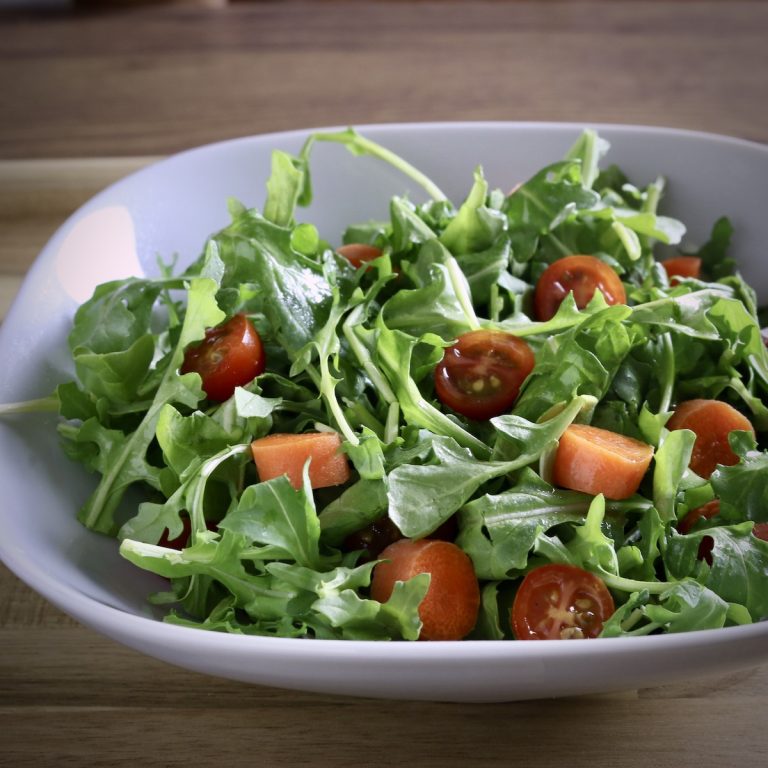
| Acidic + Bitter | Lemon + Arugula | Can work | Sharp lemon heightens peppery bitterness. |
| Acidic + Sweet | Orange Juice + Chocolate Milk | Clash | Acid curdles dairy, unpleasant flavor clash. |
| Bitter + Umami | Radicchio + Parmesan | Good | Bitterness balanced by rich, salty cheese. |
| Bitter + Acidic | Grapefruit + Vinegar | Can work | Double sharpness can overwhelm unless balanced with sweet. |
| Bitter + Sweet | Coffee + Artificial Sweetener (excess) | Clash | Sweetener highlights bitterness instead of smoothing it. |
| Sweet + Fat | Butter + Sugar | Good | Foundation of countless baked goods. |
| Acidic + Fat | Lemon + Cream | Can work | Lemon cuts richness, but risks curdling if mishandled. |
| Bitter + Fat | Dark Chocolate + Cream | Good | Cream softens bitterness, making it smooth. |
| Sweet + Garlic | Chocolate + Garlic | Clash | Garlic’s pungency overwhelms chocolate. |
| Sweet + Spice | Honey + Chili | Can work | Spicy-sweet balance is bold but needs moderation. |
| Umami + Fat | Beef + Butter | Good | Richness amplifies savory depth. |
| Acidic + Bitter + Fat | Lemon + Endive + Cream Sauce | Clash | Too many sharp notes create imbalance with richness. |
Frequently Asked Questions
Q: What are the most classic food pairings? Tomato and basil, lemon and fish, pork and apple, lamb and mint, cheese and wine, garlic and olive oil, mushrooms and thyme, chocolate and sea salt. These combinations have persisted because each one works through a clear flavor mechanism — contrast, harmony, or bridging — that holds across different preparations and cuisines.
Q: Why do salt and sweet work so well together? Salt suppresses bitterness and amplifies sweetness — it’s a physiological response, not just a matter of taste preference. A pinch of salt in a chocolate chip cookie doesn’t make it taste salty. It makes the chocolate taste more intensely like chocolate. Prosciutto and melon works the same way: the salt makes the melon’s sweetness more vivid than it would be on its own.
Q: Why does lemon work so well with fish? Acid cuts fat and brightens delicate flavors. Fish — especially oily fish like salmon — has a fatty richness that can feel heavy without contrast. Lemon’s acidity slices through that richness and refreshes the palate between bites. It also shares aromatic compounds with many fresh herbs that pair naturally with fish, which is why lemon, dill, and fish feel like a natural three-way combination.
Q: What foods don’t pair well together and why? Chocolate and garlic — intensity mismatch, garlic overwhelms. Lemon and milk — acid curdles dairy. Beets and delicate fish — earthy beets overpower mild flavors. Strawberries and blue cheese — the fruit’s sweetness can’t hold up against the cheese’s sharpness and salt. In each case, the failure comes from one ingredient dominating rather than both playing distinct roles.
Q: How do herbs pair with proteins? Delicate herbs go with delicate proteins; robust herbs go with robust proteins. Fresh basil and tarragon work with chicken and fish because their flavors are in the same intensity range. Rosemary and sage work with lamb and pork because all four are assertive enough to hold their own. Pairing a delicate herb with a strong protein (fresh chives on beef) usually results in the herb disappearing entirely.
Q: Can I use this guide to create new flavor combinations? Yes — that’s the point. Once you understand the three mechanisms (contrast, harmony, bridging), you can reason about new combinations rather than just following a list. Start with a primary ingredient, identify its dominant flavor characteristic (rich, delicate, acidic, earthy, sweet), then look for an ingredient that contrasts with it, harmonizes with it, or bridges it to a third element.
Explore More on This Topic
- Umami and Why It Matters — Why umami-rich ingredients deepen mild flavors — understanding the fifth taste explains why mushrooms, aged cheeses, and cured meats make every pairing more complex than the sum of its parts.
- Pasta with Garlic and Oil — The simplest demonstration of garlic and oil as a pairing — aglio e olio stripped to its essentials, where the bridging mechanism between garlic, fat, and pasta is impossible to miss.
- Insalata Caprese — The three-ingredient pairing in its purest form — tomato, mozzarella, and basil as a live demonstration of how contrast, harmony, and bridging work on a single plate.
- Shrimp Scampi — Shrimp and garlic in practice — one of the clearest examples of how garlic bridges a delicate protein with butter and white wine without overpowering it.
- Bouquet Garni — How classic herb bundles are built around pairing logic — thyme, bay leaf, and parsley stems together because each herb complements the others and the dish they're infusing, not by accident.