Cole Slaw Recipe

My Dad’s Favorite Slaw

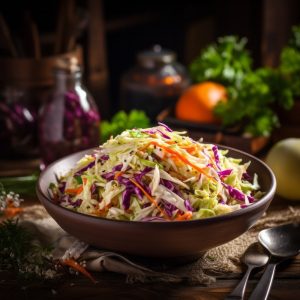
Cole slaw is a classic side dish that never goes out of style. It brings crunch, creaminess, and a refreshing bite to almost any meal. You can serve it with barbecue, fried chicken, sandwiches, or seafood.

It works at summer cookouts, family dinners, and casual lunches. Cole slaw is versatile, quick to prepare, and always a crowd-pleaser.

The beauty of cole slaw comes from its balance. Crisp shredded cabbage and carrots create a fresh base. A creamy dressing ties everything together with tang, sweetness, and just the right amount of seasoning.

Some people like it extra tangy with vinegar, while others prefer a sweeter, creamier style. Either way, it’s a dish that adapts easily to your taste.

Making cole slaw at home is simple and rewarding. You control the ingredients, adjust the flavors, and keep it as light or rich as you want. Fresh vegetables and a homemade dressing make all the difference. Once you try it, you’ll skip the store-bought versions.

This cole slaw recipe gives you a perfect balance of crunch and creaminess. It’s easy, reliable, and delicious. Add it to your next cookout, picnic, or weeknight meal. Let’s dive in and make the best cole slaw from scratch.

This is my dad’s favorite coleslaw recipe. As a kid, he would make it for summer cookouts growing up in New Jersey. I found it on a piece of yellow notebook paper amongst some boxes after he passed. 

Cole Slaw Recipe
Print Recipe
4 from 1 vote

Cole Slaw

Prep Time15 minutes
Cook Time35 minutes
Total Time50 minutes
Course: Side Dish
Cuisine: American
Servings: 4 people

Ingredients

  • ½ head of cabbage sliced thin
  • 4 tablespoons white vinegar
  • 4 tablespoons olive oil
  • 2 scallions chopped
  • 1 carrot shredded
  • garlic powder to taste
  • ½ teaspoon mustard
  • 1 tablespoon fresh parsley chopped
  • dash Worcestershire sauce
  • salt & pepper to taste
  • 2 tablespoons sugar
  • juice ½ lemon
  • ½ cup orange juice
  • ¼ cup raisins
  • mayonnaise just enough

Instructions

  • Mix all the ingredients except for the mayonnaise. Let stand for at least ½ hour before adding the mayonnaise.
  • How much mayonnaise you add depends on your personal taste.
    Some folks, like my dad, like to add lots of mayonnaise. My take on it is you don't want it too dry, but at the same time, too much and all you taste is mayonnaise.
Cole Slaw Variations
Variation Key Ingredients Notes
Classic Creamy Green cabbage, carrots, mayonnaise, cider vinegar, sugar, celery seed, salt & pepper Balanced sweet-tangy flavor; serve after 30–60 minutes to let flavors marry.
Vinegar (No Mayo) Green & red cabbage, carrots, apple cider vinegar, olive oil, Dijon, honey Light and bright; great for pulled pork when you want less richness.
Southern Buttermilk Cabbage, carrots, mayo, buttermilk, sugar, lemon juice, onion powder Extra creamy with pleasant tang; keeps well for picnics.
Apple & Poppy Seed Cabbage, Granny Smith apple, scallions, poppy seeds, mayo, yogurt, lemon Crisp and lightly sweet; excellent with fried chicken or fish.
Jalapeño–Cilantro Cabbage, jalapeño, cilantro, lime juice, mayo, cumin Zippy and herby; ideal for tacos and grilled shrimp.
Sesame–Ginger (Asian-Style) Napa cabbage, carrots, scallions, rice vinegar, soy sauce, grated ginger, sesame oil Umami-forward; finish with toasted sesame seeds.
Red Cabbage & Fennel Red cabbage, shaved fennel, orange zest, white wine vinegar, olive oil Fragrant and citrusy; pairs with rich roasts and sausages.
Blue Cheese & Bacon Cabbage, crumbled blue cheese, crisp bacon, sour cream, mayo, black pepper Savory and bold; a steakhouse-style side.
Greek Yogurt Light Cabbage, carrots, Greek yogurt, lemon juice, honey, dill Protein-packed and tangy; lower fat without losing creaminess.
Vegan Creamy Cabbage, carrots, vegan mayo, maple syrup, Dijon, apple cider vinegar Dairy- and egg-free; tastes like the classic.
Gochujang Spicy Cabbage, carrots, scallions, mayo (or kewpie), gochujang, rice vinegar Sweet heat and depth; great with grilled meats or fried fish.
Pineapple Island Slaw Cabbage, pineapple tidbits, red onion, lime, cilantro, mayo Juicy and bright; perfect for jerk chicken or fish tacos.
Deli Slaw (Caraway) Cabbage, carrots, white vinegar, sugar, neutral oil, caraway seeds New-York deli vibes; superb on pastrami or Reubens.
Herbed Lemon–Capers Shredded cabbage, parsley, capers, lemon zest/juice, olive oil, black pepper Briny and fresh; balances rich, buttery dishes.
Tip: Salt shredded cabbage lightly and rest 10–15 minutes, then blot. It keeps the slaw crisp and prevents watery dressing.

What Is Coleslaw?

Coleslaw, often abbreviated as “slaw,” is a salad dish made primarily from shredded or finely chopped cabbage. It typically includes other vegetables, such as carrots, and is often dressed with a tangy mayonnaise-based dressing. Coleslaw can vary in flavor and texture depending on the specific recipe and regional variations.

Some variations of coleslaw may use alternative dressings, such as vinaigrette or a creamy dressing made with sour cream or yogurt. Additional ingredients, such as apples, raisins, or nuts, may also be added for extra flavor and texture.

Coleslaw is a popular side dish in many cuisines and is often served alongside dishes like barbecue, fried chicken, or as a topping for sandwiches and tacos. Its crisp and refreshing nature makes it a versatile accompaniment to a wide range of meals.


Who Invented Cole Slaw?

The exact origin of coleslaw is difficult to pinpoint, and it likely evolved over time through various culinary traditions. However, it is generally believed that coleslaw has European origins. The word “coleslaw” itself comes from the Dutch term “koolsla,” which means “cabbage salad.”

Cabbage has been a staple in European cuisine for centuries, and the practice of preserving cabbage through fermentation or pickling dates back to ancient times. The concept of combining shredded cabbage with a dressing made from ingredients like vinegar or fermented products may have developed independently in different regions.

As European settlers brought their culinary traditions to the Americas, variations of coleslaw became popular in the United States. Over time, regional preferences and the availability of ingredients led to diverse recipes for coleslaw. Today, coleslaw is enjoyed worldwide, and different cultures have their own unique takes on this classic cabbage salad.


Popularity in the United States

Coleslaw gained popularity in the United States, in part, due to the widespread availability of cabbage and its adaptability to different culinary styles. Several factors contributed to its popularity:

European Immigration: European immigrants, particularly those from Germany and the Netherlands, brought their cabbage-based recipes with them to the United States. As these immigrants settled in various regions, they adapted their traditional recipes to local tastes and ingredient availability.

Seasonal Availability: Cabbage is a hardy and relatively inexpensive vegetable that grows well in various climates and seasons. Its availability throughout the year made it a practical ingredient for meals, contributing to the popularity of coleslaw as a versatile side dish.

Versatility: Coleslaw is a versatile dish that can be easily adapted to different flavor profiles. With variations in dressings and additional ingredients, it became a customizable accompaniment to a wide range of main dishes, from barbecues to fried chicken.

Complementary to BBQ and Picnics: Coleslaw’s refreshing and crisp nature makes it an ideal side dish for barbecues, picnics, and outdoor gatherings. Its ability to balance the richness and heaviness of grilled or fried foods contributed to its popularity in the context of American cuisine.

Industrialization and Convenience: With the rise of industrialization and the development of food processing techniques, pre-packaged coleslaw mixtures and bottled dressings became widely available. This convenience factor further contributed to coleslaw’s popularity as a quick and easy side dish.


Best Cabbage to Use?

The best cabbage for making coleslaw depends on personal preference, but the two most commonly used varieties are green cabbage and red cabbage. Each type has its own characteristics that can influence the flavor, color, and texture of the coleslaw.

  1. Green Cabbage: This is the most traditional and widely used cabbage for coleslaw. It has a mild flavor and a crisp texture. Green cabbage works well with a variety of dressings and other ingredients, making it a versatile choice for classic coleslaw.
  2. Red Cabbage: Red cabbage has a slightly peppery taste and adds vibrant color to coleslaw. Some people enjoy the additional crunch and visual appeal that red cabbage provides. Combining both green and red cabbage can create a colorful and flavorful coleslaw.


When selecting cabbage for coleslaw, look for heads that are firm, heavy for their size, and free of blemishes. Freshness is crucial for achieving the best texture and flavor. Additionally, you can experiment with other cabbage varieties, such as Savoy cabbage, which has crinkled leaves and a milder flavor.

2 Responses

Leave a Reply

Your email address will not be published. Required fields are marked *

Recipe Rating


This site uses Akismet to reduce spam. Learn how your comment data is processed.