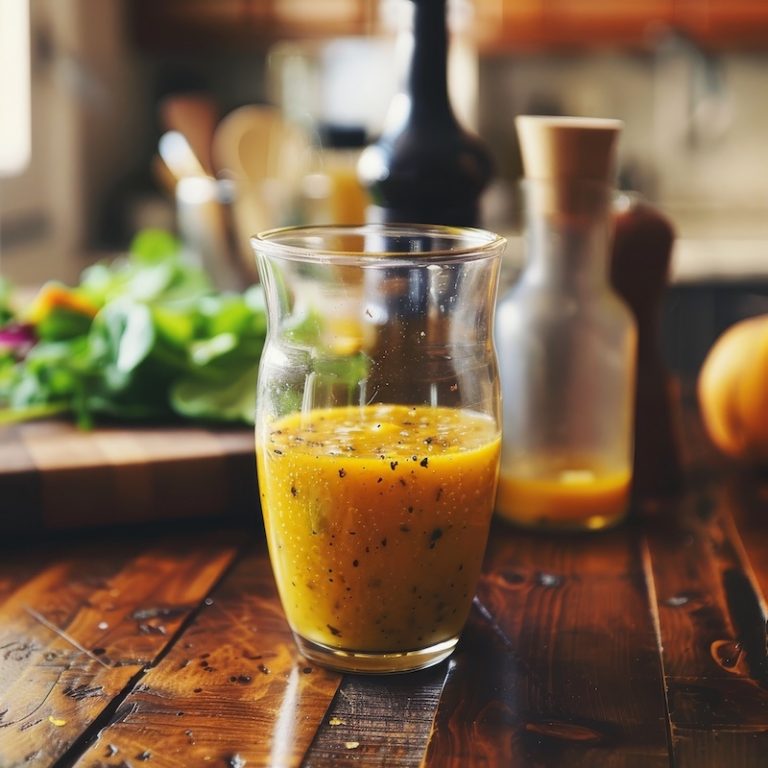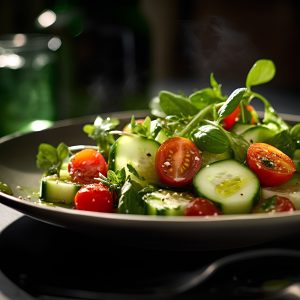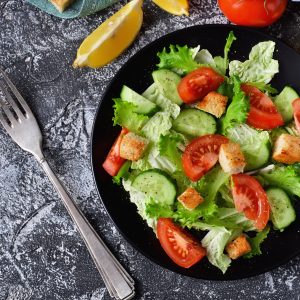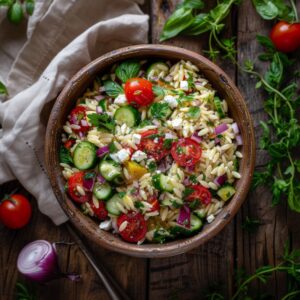
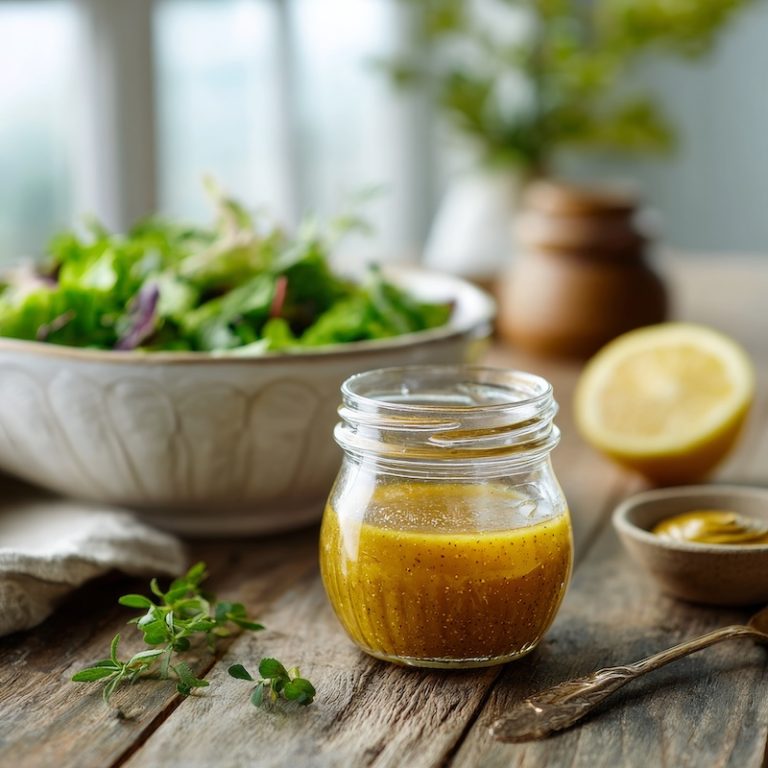

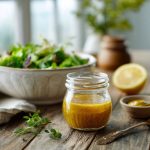
Bottled dressing who? Once you whip up this zippy mustard vinaigrette, you’ll never look at store-bought the same way again. It’s bold, balanced, and takes less time to make than scrolling for a recipe. Trust us—your salads (and your taste buds) are about to level up.
How to Make Mustard Vinaigrette (Step-by-Step)
Most home cooks follow vinaigrette recipes. Great cooks don’t.
They understand the balance between acid, fat, and emulsifier, and once they do, they stop measuring and start adjusting.
This basic mustard vinaigrette isn’t just a dressing. It’s a blueprint. Learn this one ratio and technique, and you can create dozens of variations without ever looking at a recipe again.
Once you taste the difference between a properly balanced vinaigrette and a flat one, you’ll never go back to bottled dressing.
Why This Recipe Works
- Balanced by design: The classic oil-to-vinegar ratio creates a vinaigrette that tastes bright without being harsh and rich without feeling heavy.
- Mustard builds the emulsion: Dijon acts as a natural emulsifier, helping the oil and vinegar blend into a smoother, more cohesive dressing.
- Layered flavor base: Garlic, salt, and pepper season the vinegar first, so every bite tastes evenly seasoned instead of flat.
- Oil softens and carries flavor: The oil doesn’t just mellow the acidity, it also helps distribute flavors across the salad.
- Infinitely adaptable: Once you understand this base, you can swap vinegars, oils, or add honey, herbs, or shallots to create endless variations.
🥗 Start Here: Your Mustard Vinaigrette Game Plan
- Master the ratio: Start with about 3 parts oil to 1 part vinegar, then adjust based on how bright or mellow you want the dressing.
- Mustard = your secret weapon: Dijon helps emulsify the vinaigrette so it blends smoothly instead of separating quickly.
- Build it in order: Whisk the vinegar, mustard, garlic, salt, and pepper first, then slowly drizzle in the oil while whisking.
- Taste it the right way: Dip a piece of lettuce into the dressing to judge flavor. It should taste balanced, not harsh or flat.
- Adjust like a cook: Too sharp? Add oil. Too flat? Add vinegar. Too aggressive? A touch of honey smooths it out.
Quick Question: What vinegar do you usually reach for when you make a vinaigrette, and do you follow the 3:1 rule or adjust it? Drop your answer in the comments. I read everyone.
Basic Mustard Vinaigrette Recipe
Ingredients
- 1 glove garlic smashed
- 2 tablespoons balsamic vinegar
- 1 teaspoon Dijon mustard
- 6 tablespoons oil vegetable, corn, canola, olive or some combination
- 1 pinch of dried parsley
- 1 pinch of dried thyme
- salt and freshly ground pepper to taste
Instructions
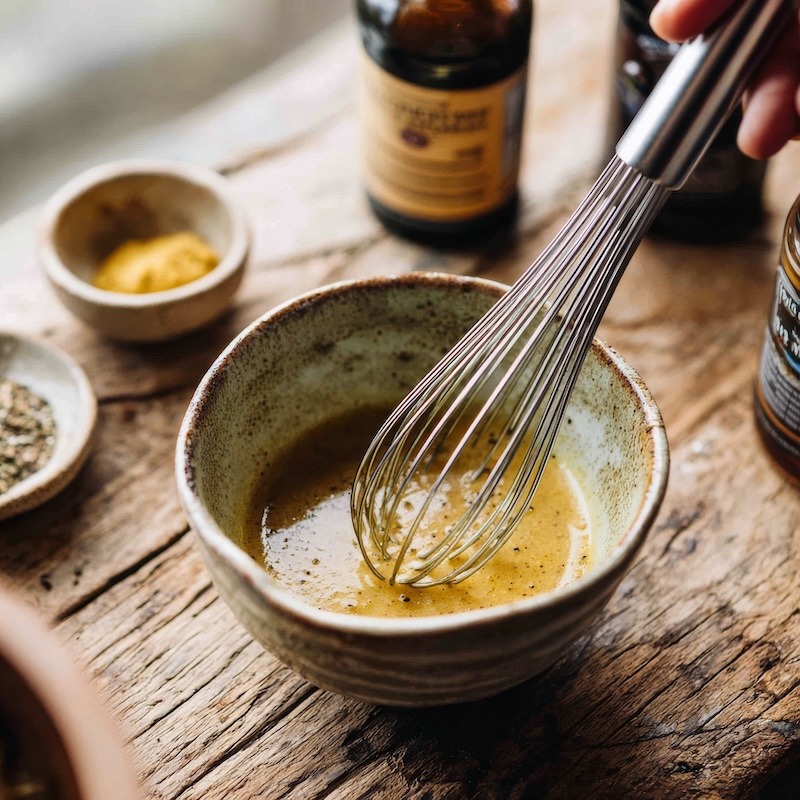
- In a clean jar or small bowl, add the vinegar, garlic, and mustard and mix well.
- Slowly add the olive oil while either whisking or stirring rapidly with your fork.
- Add the parsley, thyme, salt, and pepper, taste, and adjust the seasonings.
Notes
How to Adjust the Flavor (Think Like a Cook)
- Too sharp or acidic: Add more oil to mellow the vinegar and smooth out the flavor.
- Too oily or flat: Add a splash more vinegar or a pinch of salt to brighten it up.
- Too harsh or aggressive: A small touch of honey or maple syrup will round out the edges.
- Too bland: Add salt first, then reassess before changing anything else.
- Needs more depth: Try minced shallots, fresh herbs, or a dab of whole grain mustard.
Common Mistakes to Avoid
- Adding oil too fast: Pouring the oil in all at once prevents the vinaigrette from emulsifying and leaves it thin and separated.
- Overdoing the vinegar: Too much acid makes the dressing harsh instead of bright and balanced.
- Under-seasoning: Without enough salt, even a well-balanced vinaigrette will taste flat and dull.
- Skipping the taste test: A vinaigrette should be adjusted before serving, not after it’s already on the salad.
- Using low-quality oil: Since oil makes up most of the dressing, poor-quality oil leads to weak flavor.
When You Might Adjust the Ratio
- Using sharper acids: If you’re working with stronger vinegars or citrus juice, you may want to move from 3:1 to 4:1 or even 5:1 so the dressing stays balanced instead of harsh.
- Using richer oils: Robust oils like extra-virgin olive oil or walnut oil can sometimes handle a little more acid, which is why some vinaigrettes work well closer to 2:1.
- Wanting more tang: If the vinaigrette is meant for roasted vegetables, grains, or beans, a sharper ratio can add the brightness those earthier ingredients need.
- Dressing delicate greens: Tender lettuces often taste better with a gentler vinaigrette, so using a little more oil can soften the bite and keep the salad fresh and light.
- Adding other ingredients: Mustard, honey, yogurt, shallots, or pureed herbs can shift the balance, which means the ratio may need to change slightly to keep the flavor and texture in harmony.
Choosing Your Acid (and How It Affects the Ratio)
- Mild vinegars (apple cider, white wine): These are your everyday workhorses and fit well with the classic 3:1 ratio. They give brightness without overwhelming the dressing.
- Sharp vinegars (red wine, sherry): These have more bite, so you may want to use a little more oil (4:1) to keep the vinaigrette balanced and smooth.
- Delicate vinegars (champagne, rice vinegar): Light and subtle, these can handle slightly less oil or a touch more acid if you want a fresher, cleaner finish.
- Citrus juice (lemon, lime, orange): Brighter and more aggressive than most vinegars, citrus often benefits from more oil (4:1 or higher) to round out the sharpness.
- Balsamic vinegar: Naturally sweeter and more concentrated, balsamic works well at 3:1 or even slightly higher oil ratios to keep it from dominating the dressing.
Adding Ingredients for More Complex Flavor
- Sweeteners (honey, maple syrup): Add a touch of sweetness to balance sharp acidity and create a smoother, rounder vinaigrette.
- Aromatics (shallots, garlic): Bring depth and savory complexity. Finely minced shallots add a mild onion note, while garlic adds more bite.
- Fresh herbs (parsley, basil, tarragon): Brighten the vinaigrette and add freshness. Great for seasonal salads and lighter dishes.
- Mustards (Dijon, whole grain): Boost flavor and help emulsify. Whole grain mustard adds texture along with a milder tang.
- Creamy elements (yogurt, mayonnaise): Create a thicker, richer dressing while softening acidity and adding body.
- Umami boosters (anchovies, capers, miso): Add depth and savory richness that makes the vinaigrette more satisfying and complex.
Ways to Serve This Vinaigrette
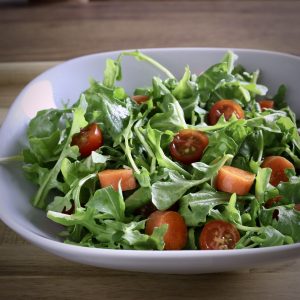
- Classic green salads: Toss with mixed greens, arugula, or spinach for a bright, balanced dressing that won’t weigh the salad down.
- Roasted Vegetables: Drizzle over warm roasted carrots, potatoes, or Brussels sprouts to add contrast and lift the flavors.
- Grain bowls: Spoon over farro, quinoa, or rice bowls to bring everything together with acidity and richness.
- Marinade for proteins: Use it to marinate chicken, shrimp, or tofu. The acid tenderizes while the oil carries flavor.
- Finishing drizzle: Add a light drizzle over grilled fish, steak, or vegetables just before serving for a fresh, vibrant finish.
- Pasta salads: Toss with cooked pasta, vegetables, and herbs for a lighter alternative to creamy dressings.
Mustard Vinaigrette FAQ
What kind of mustard works best for a mustard vinaigrette?
Dijon mustard works best for most vinaigrettes. It offers a smooth texture and balanced sharpness that emulsifies well. You can also use whole-grain mustard for added texture or spicy brown mustard for a bolder flavor.
What oil should I use for mustard vinaigrette?
Neutral oils like canola or vegetable oil work well because they don’t overpower the mustard. You can also use olive oil, but avoid whisking too aggressively to prevent bitterness. Many cooks prefer blending olive oil with a neutral oil.
Why does my vinaigrette separate?
Vinaigrettes naturally separate over time. The mustard helps emulsify the oil and vinegar, but separation is normal. Simply shake or whisk the dressing before using it.
Can I make this vinaigrette ahead of time?
Yes. You can make mustard vinaigrette up to a week in advance. Store it in a sealed jar in the refrigerator and shake well before serving.
How do I adjust the flavor if it tastes too sharp?
Add a little more oil or a pinch of sweetener like honey or sugar to soften the acidity.
What vinegar should I use?
Use balsamic, red wine, white wine, cider, or even lemon juice. Choose the vinegar based on what you’re serving the vinaigrette with.
Can I use this vinaigrette as a marinade?
Yes. This mustard vinaigrette works well as a quick marinade for chicken, pork, or vegetables.
How long does homemade mustard vinaigrette last?
Stored properly in the refrigerator, it will keep for 5 to 7 days.


20 Responses
Their is a white balsamic vinegar…
Wonderful and adaptable recipe! I am now empowered and can kiss Kraft goodbye (for the most part).
Thanks for the tip that over beating olive oil makes it bitter! I had no idea…
Mine turned out extremely thick??
How long will this dressing last in the fridge?
Trish, I am not a nutritional expert, but homemade mustard vinaigrette will keep for about 1 to 2 weeks in the refrigerator when stored in an airtight container. The vinegar and mustard help slow bacterial growth, but because it contains fresh ingredients, it’s best not to keep it for more than 2 weeks. Before using, give it a quick sniff and check for any off odors or unusual appearance—if it smells overly sour or looks cloudy, discard it. Some separation of oil and vinegar is normal, so shake or whisk the dressing before serving to restore its smooth texture.
Hi, Made one today, and it was so good, my wife really loved it, and she’s picky.
Thanks for the excellent recipe.
And further to add, i grilled asparagus, sandwiched between seasoned fried steak steak (pepper, salt, tyhme and parsly) and on the bottom, pulled pork.
The vinaigrette really complemented it well, and was drizzled generously on the outside, perfect for dipping the asparagus in.
Thank you, it’s wonderful!
How do you mix in the clove of garlic evenly so it creates a mix?
The garlic is smashed so I typically use a fork to combine the garlic and other ingredients. A small whisk works well too or how about putting everything in a jar with a tight lid and give it a shake?
Very LOW carb! I like this recipe. I add a little blue cheese crumbles and a teaspoon of mayo to make a thicker dressing.
Thanks for the recipe! I added honey and creole mustard in place of the dijon, I also used red wine vinegar! So delicious on kale and arugula with grilled salmon!
Helen, great substitution ideas. Thanks for sharing them with me. I love it when other home cooks like myself play around with a recipe to come up with something new and special. Much appreciated. Can’t wait to try your version.
What makes olive oil bitter is using anything less than extra virgin olive oil; not keeping them out of heat and light so that they oxidise (= rancidity); and using Spanish olive oils – which are the cheapest but also notoriously bitter. This doesn’t matter for some dishes, but certainly does for vinaigrette.
Please note that you should always use extra virgin olive oil for health reasons too. Refined and heat extracted olive oils – which is what anything other than extra virgin oil and lesser quality oils (canola etc) and even sunflower oil – are some of the worst things you can eat for your health. On a side note, this is why margarine is so bad for you. Sorry to be the bearer of bad news but I read up on health a lot and have been aware of the oils issue for a long time!
Sarita, I have to disagree. A vinaigrette won’t automatically turn bitter if you skip extra-virgin olive oil. Bitterness usually comes from overly strong or low-quality oils, prolonged exposure to acid, or using oils that have gone rancid.
Neutral oils like canola, grapeseed, or avocado are mild and won’t add bitterness, so your dressing will taste clean and balanced.
Extra-virgin olive oil can sometimes contribute a slight peppery or bitter note, which some people love, but it’s not essential for flavor or emulsification. Avoid rancid or overheated oils — even mild oils can taste off if old or overheated.
Try adding a dollop or two of lite mayonnaise to recipe. Adds a fullness to the taste of the marinade. Toss marinaded pounded thin chicken breasts on the grille and your guests will be asking “when’s your next bbq?”
Thanks for this tip Lee. Will give it a try.
I also add a teaspoon of honey and teaspoon of bourbon. This the only dressing I use.
Hi Kevin, great additions and I can’t wait to try them especially the teaspoon of bourbon.