
Grilling vegetables isn’t just throwing them on the heat—it’s about coaxing out smoky sweetness, perfect char, and maximum flavor. Done wrong, they flop or burn; done right, they elevate any meal. This guide shows the essential techniques, tips, and timing so your veggies impress every time, no guesswork required.
Fast Answer
Grilling vegetables works best when you control moisture, heat, and size. The goal is caramelized edges, tender interiors, and smoky flavor without turning vegetables mushy or burnt.
Grilled Vegetables Made Easy: Better Flavor, Better Texture, Every Time
Grilling vegetables is one of the easiest ways to add smoky flavor, caramelization, and texture to everyday meals, but it’s also easy to get wrong. Mushy zucchini, burnt peppers, and dry asparagus usually come down to heat control, moisture, and timing.
This guide teaches how to grill vegetables properly so you can think like a cook, adapt to different vegetables, and consistently get better results instead of relying on memorized cooking times.
Start Here
- Best for: Home cooks who want vegetables with smoky flavor, crisp edges, and real texture instead of limp grill-pan sadness.
- Use this technique when: Cooking outdoors for weeknight dinners, cookouts, burgers, steaks, chicken, or vegetarian meals.
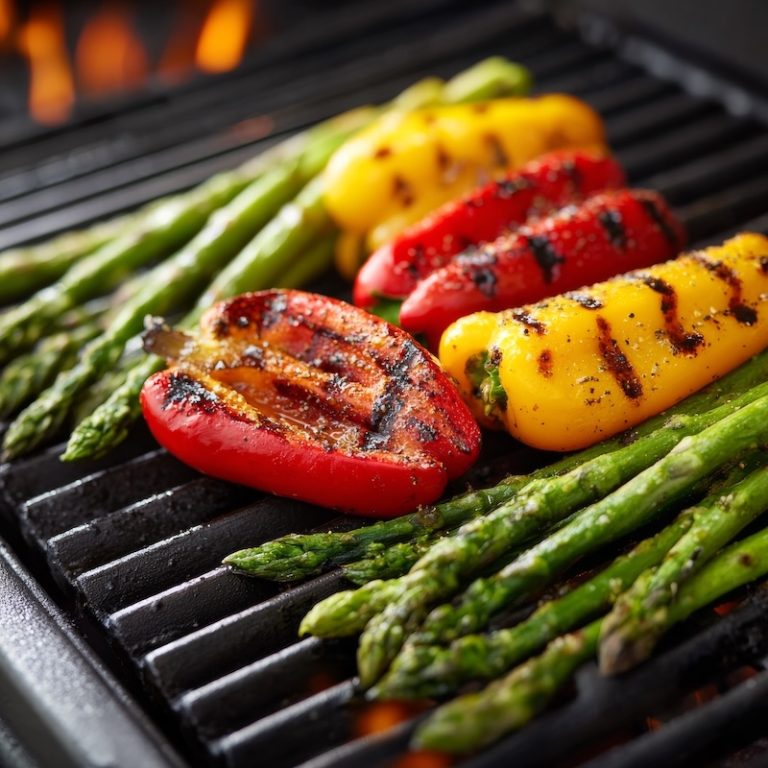
- You’ll know it worked when: The vegetables have light char marks, vibrant color, tender centers, and still hold their shape.
- Main goal: Remove excess moisture and cook vegetables over the right heat zone so they caramelize instead of steam.
Why This Technique Works
- High heat creates caramelization: Natural sugars brown on the surface and develop deeper flavor.
- Oil improves heat transfer: A light coating helps vegetables cook evenly and prevents sticking.
- Dry surfaces grill better: Wet vegetables steam before they brown.
- Different vegetables need different heat: Dense vegetables need more time while delicate vegetables need fast cooking.
- Proper spacing matters: Crowding traps steam and kills char.
Core Concept
- Think in moisture levels: Vegetables with high water content like zucchini and mushrooms need hotter, faster cooking.
- Dense vegetables need a head start: Potatoes, carrots, and Brussels sprouts often benefit from partial precooking.
- The grill is not an oven: Direct flame exposure rewards thinner cuts and punishes overcrowding.
- Your real job: Balance browning on the outside while keeping the inside tender.
Vegetable Grilling Cheat Sheet
- Use this chart as a guide, not a stopwatch. Thickness, grill heat, and moisture all affect cooking time.
- Most vegetables grill best over medium-high heat. Dense vegetables often need parboiling, indirect heat, or a little extra patience.
- Look for visual cues. Grill marks, tender centers, blistered skins, and sweet smoky aroma matter more than exact minutes.
| Vegetable | Prep | How to Cut | Best Heat / Tool | Done When | Grill Time |
|---|---|---|---|---|---|
| Asparagus | Snap off woody ends | Leave whole | Direct medium-high heat | Bright green with browned tips | 2–3 minutes per side |
| Beets | Peel and parboil until tender | Slice into 1/4-inch rounds | Direct medium heat | Lightly charred and tender | 2–3 minutes per side |
| Bell Peppers | Remove stem, seeds, and membranes | Quarter or cut into wide strips | Direct medium-high heat | Skin blistered and edges softened | 4–5 minutes per side |
| Broccolini | Trim tough ends | Leave whole or halve thick stems | Direct medium heat | Stems tender and tips lightly charred | 3–4 minutes per side |
| Brussels Sprouts | Trim ends and halve | Skewer or use grill basket | Medium heat + grill basket | Edges browned and centers tender | 5–6 minutes per side |
| Cabbage | Remove loose outer leaves | Slice into thick wedges | Direct medium heat | Edges charred and core tender | 4–5 minutes per side |
| Carrots | Peel and trim | Cut lengthwise or into thick slices | Medium heat or indirect finish | Lightly charred and fork-tender | 5–7 minutes per side |
| Cauliflower | Remove leaves and core | Slice into 1/2-inch steaks | Medium heat + indirect finish | Golden edges and tender center | 5–6 minutes per side |
| Cherry Tomatoes | Rinse and dry | Thread onto skewers | Direct medium heat + skewers | Skins blistered but tomatoes still hold shape | 2–3 minutes per side |
| Corn on the Cob | Remove husks and silk | Leave whole or cut in half | Medium heat, rotate often | Kernels browned in spots and tender | 10–12 minutes total |
| Eggplant | Trim ends, optionally salt to reduce bitterness | Slice into 1/2-inch rounds or planks | Direct medium-high heat | Soft center with browned grill marks | 3–4 minutes per side |
| Fennel | Trim stalks and fronds | Slice bulb into 1/2-inch wedges | Direct medium heat | Edges browned and bulb softened | 4–5 minutes per side |
| Green Beans | Trim ends | Skewer or use grill basket | Medium-high heat + grill basket | Blistered spots and tender-crisp texture | 3–4 minutes per side |
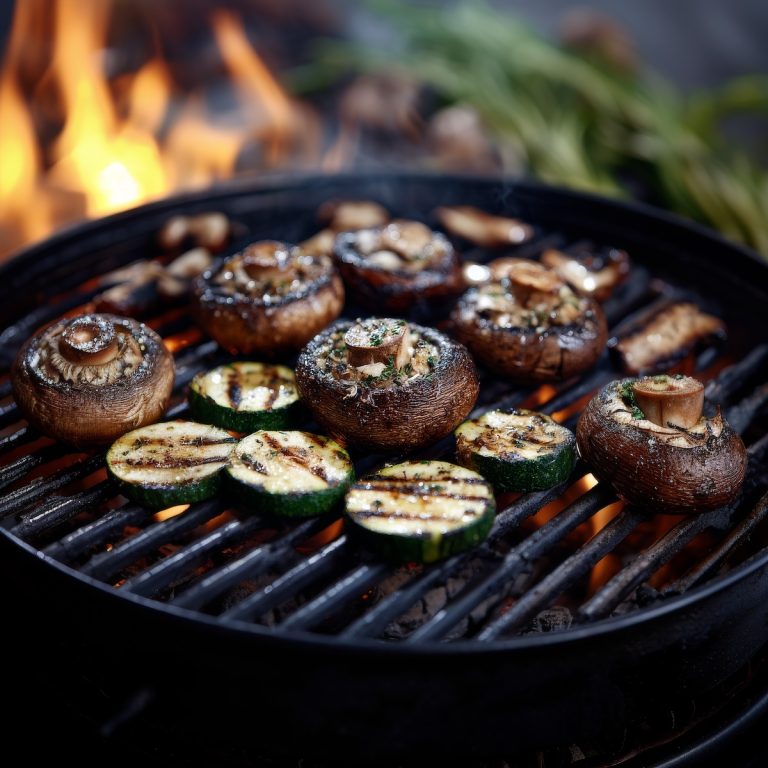
| Mushrooms (Portobello) | Clean with a damp cloth | Leave whole or slice thick | Direct medium heat | Juicy, browned, and tender | 4–5 minutes per side |
| Onions (Red or Yellow) | Peel outer layer | Slice into 1/2-inch thick rounds | Direct medium heat | Charred edges and sweet, tender centers | 4–5 minutes per side |
| Sweet Potatoes | Peel if desired; parboil if thick | Slice into 1/4-inch rounds or wedges | Medium heat + indirect finish | Caramelized outside and tender inside | 4–6 minutes per side |
| Tomatoes (Large, Firm) | Core and slice | Thick slices, at least 1/2-inch | Direct medium-high heat | Light char with slices still intact | 2–3 minutes per side |
| Zucchini | Wash and trim ends | Slice lengthwise into 1/2-inch planks | Direct medium-high heat | Tender with grill marks, not limp | 3–4 minutes per side |
Step-by-Step Technique Guide
- Step 1: Preheat the grill. Heat the grill to medium-high so vegetables start browning immediately instead of sticking.
- Step 2: Cut vegetables evenly. Similar sizes cook at similar speeds and prevent burnt small pieces next to raw large ones.
- Step 3: Dry thoroughly. Pat vegetables dry before oiling to reduce steaming.
- Step 4: Lightly oil and season. Use enough oil to coat, not drown. Add salt after oiling so it sticks evenly.
- Step 5: Use the right heat zone. Dense vegetables go over medium heat. Tender vegetables can handle hotter direct heat briefly.
- Step 6: Leave them alone. Let vegetables sit long enough to develop grill marks before flipping.
- Step 7: Finish before they collapse. Vegetables should stay vibrant and structured, not limp and gray.
Flavor Boosters for Grilled Vegetables
- Use this as a flavor guide, not a rulebook. Pick one seasoning direction before grilling, then finish with acid, herbs, cheese, or sauce after grilling.
- Keep marinades light. Too much liquid makes vegetables steam instead of char.
- Add delicate finishes last. Fresh herbs, parmesan, lemon juice, yogurt sauce, and balsamic glaze taste better after the vegetables come off the grill.
- Best quick formula: Oil + salt + one bold seasoning before grilling, then acid or garnish after grilling.
| Vegetable Type | Best Seasoning Direction | Finish With |
|---|---|---|
| Tender green vegetables | Olive oil, garlic, lemon zest, salt, pepper | Lemon juice, parmesan, toasted nuts |
| Sweet vegetables | Smoked paprika, chili powder, thyme, honey, or maple | Balsamic glaze, lime, herbs |
| Dense vegetables | Olive oil, garlic, curry powder, smoked paprika, or thyme | Yogurt sauce, tahini, parsley |
| Watery vegetables | Olive oil, garlic powder, dried herbs, salt, pepper | Fresh basil, parmesan, balsamic drizzle |
| Mushrooms | Soy sauce, balsamic vinegar, garlic, olive oil | Fresh herbs or balsamic drizzle |
What You Can Make with Grilled Vegetables
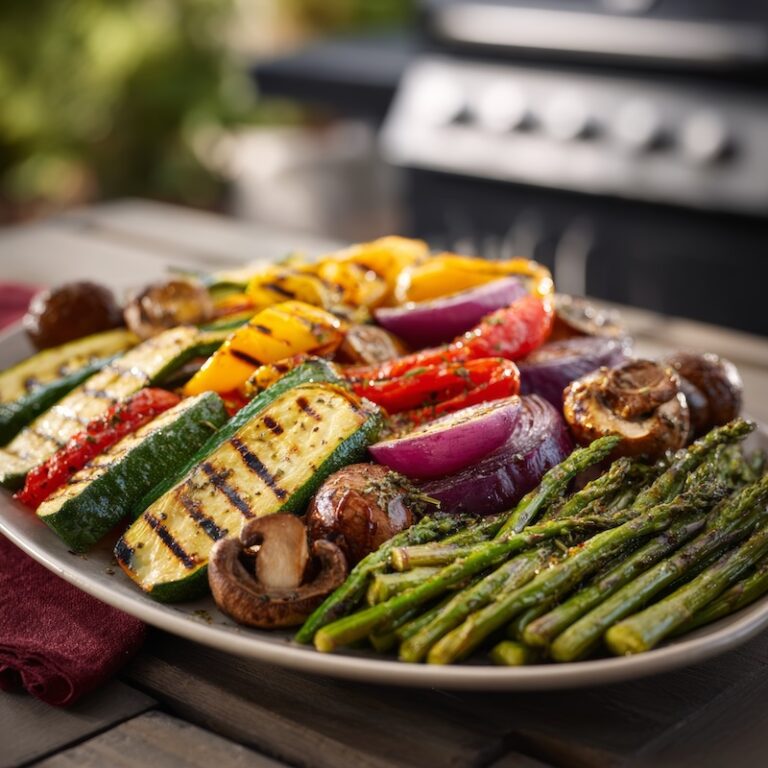
- Grilled Vegetable Platter: Serve a mix of vegetables as a colorful side dish or appetizer with herbs, olive oil, or balsamic glaze.
- Sandwiches & Paninis: Layer grilled zucchini, peppers, onions, and eggplant onto crusty bread with hummus, pesto, or melted cheese.
- Pasta Dishes: Toss grilled vegetables with pasta, olive oil, garlic, and parmesan for a fast weeknight dinner.
- Salads: Combine warm grilled vegetables with fresh greens and vinaigrette for contrast in flavor and texture.
- Pizza Toppings: Add grilled vegetables to homemade or store-bought pizza for smoky flavor and better texture.
- Grain Bowls: Pair grilled vegetables with rice, quinoa, or farro plus a sauce or dressing for an easy balanced meal.
- Tacos & Wraps: Use grilled vegetables as a filling for tacos, flatbreads, or wraps with sauces and fresh herbs.
- Egg Dishes: Fold chopped grilled vegetables into omelets, scrambled eggs, or frittatas.
- Soup Garnishes: Top creamy soups with grilled vegetables for smoky flavor, texture, and color.
- Antipasto Platters: Serve grilled vegetables alongside olives, cheeses, and cured meats for an easy appetizer spread.
Why Grill Baskets Work So Well
- They keep small vegetables from falling through the grates. Mushrooms, green beans, cherry tomatoes, onions, and pepper strips are much easier to manage.
- They promote more even cooking. You can toss vegetables quickly instead of flipping every individual piece.
- They reduce flare-ups. Oil and marinades are less likely to drip directly into the flames.
- They make mixed vegetables easier. Different vegetables can cook together without becoming a balancing act with tongs.
- Best for: Small vegetables, chopped vegetable medleys, delicate vegetables, or high-volume grilling.
- Not always necessary: Large vegetables like zucchini planks, corn, onion slices, and portobello mushrooms grill beautifully directly on the grates.
Grilled Vegetables FAQ
What vegetables are best for grilling?
Firm, hearty vegetables like bell peppers, zucchini, eggplant, asparagus, mushrooms, corn, and onions grill best. Softer vegetables like tomatoes or leafy greens need careful handling or skewering to prevent falling apart.
Do I need to blanch vegetables before grilling?
Blanching is optional but helpful for dense vegetables like carrots, broccoli, or green beans. It softens them slightly and ensures even cooking on the grill.
How should I prepare vegetables for the grill?
Wash, dry, and cut vegetables into even-sized pieces to ensure uniform cooking. Toss with olive oil, salt, and pepper before placing on the grill. Skewers or grill baskets help with smaller pieces.
How hot should the grill be?
Medium to medium-high heat is ideal for most vegetables (around 375–450°F). High heat sears and caramelizes the outside while keeping the inside tender.
How long do vegetables take to grill?
Cooking time varies:
- Bell peppers, zucchini, eggplant: 6–10 minutes
- Asparagus: 4–6 minutes
- Corn: 10–15 minutes
- Mushrooms: 5–8 minutes
Turn occasionally for even char marks.
Should I marinate vegetables before grilling?
Marinating adds flavor and moisture. Simple olive oil, lemon juice, garlic, herbs, or balsamic vinegar works well. Avoid heavy marinades that drip and cause flare-ups.
How can I prevent vegetables from sticking to the grill?
- Brush the grill grates with oil.
- Oil the vegetables, not just the grill.
- Use grill baskets for delicate pieces.
Can I grill frozen vegetables?
Yes, but thaw first and pat dry to remove excess moisture. Frozen vegetables release water that can steam rather than grill, reducing flavor and caramelization.
How do I know when vegetables are done?
Vegetables are done when they’re tender but still slightly firm and have light grill marks. Taste-testing is the best method to avoid overcooking.
Can I grill vegetables indoors?
Yes. Use a stovetop grill pan or an electric indoor grill. Preheat, use medium-high heat, and follow the same timing as an outdoor grill.
How should I season grilled vegetables?
Salt and pepper are essential. Add herbs like rosemary, thyme, oregano, or parsley. A squeeze of lemon, drizzle of balsamic, or sprinkle of parmesan can finish the dish beautifully.
Can I prepare vegetables ahead of time?
Yes. Cut, marinate, or pre-blanch them up to a day in advance. Store in the fridge in an airtight container. Grill just before serving to maintain texture and flavor.
How do I store leftovers?
Store cooled grilled vegetables in an airtight container in the refrigerator for up to 3–4 days. Reheat gently, toss in a little olive oil, or enjoy cold in salads or grain bowls.