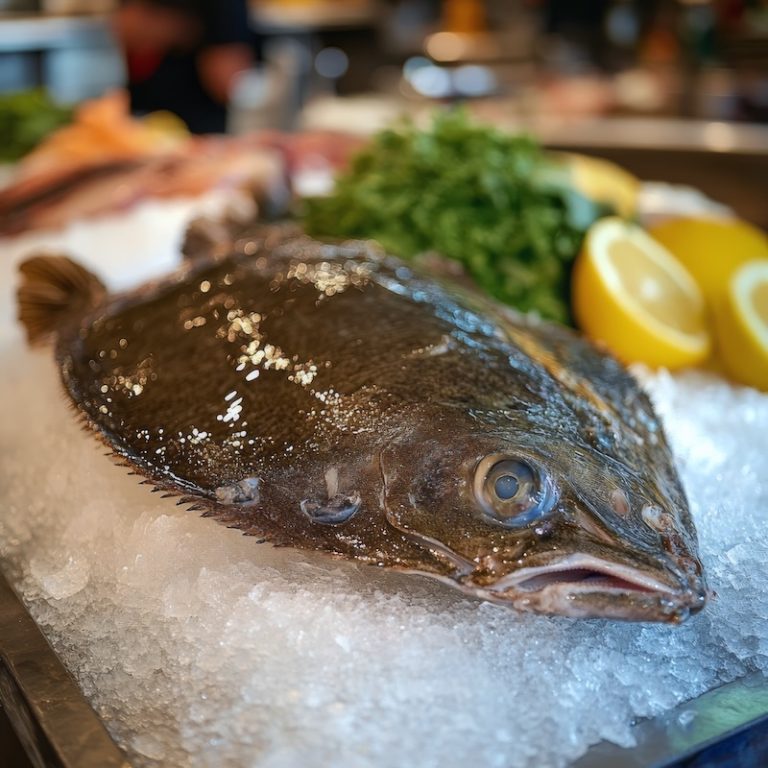
I grew up eating flounder at my grandparents' place on the Jersey shore, pulled straight from a bay full of them. I had no idea I might have been eating fluke the whole time — I didn't learn the difference existed until readers started asking me.
Fast Answer
Fluke is the common name for summer flounder — one specific species in a much larger group. Every fluke is a flounder, but not every flounder is a fluke, and in the kitchen the real difference is texture, not flavor.
The Question I Didn't Know I Should Be Asking
I ate flounder for years without ever wondering if it might actually be fluke — at my grandparents’ bay house, nobody asked; they just fried what was caught. It wasn’t until people started emailing this site with the question that I went and actually found out.
Here’s what I learned: they’re closely related, often mislabeled at the counter, and the difference matters less for flavor than most articles claim — but it does matter for how you cook them.
Start Here
- What they are: Both are flatfish in the same broad family — if you've eaten one, you've essentially eaten the other.
- The real distinction: "Fluke" is the common name for one specific species, summer flounder. "Flounder" is the umbrella term covering many related species, including winter, southern, and yellowtail flounder.
- Why it matters for cooking: Not much difference in flavor, a bit in texture, and often a real difference in price.
- At the fish counter: Labeling is inconsistent — don't assume the sign is scientifically precise.
Side-by-Side Comparison
| Feature | Fluke (Summer Flounder) | Other Flounder (Winter, Yellowtail, etc.) |
|---|---|---|
| What it is | One specific species | Umbrella term for several related species |
| Eye side | Both eyes on the left | Most have both eyes on the right |
| Flavor | Mild, sweet | Mild, very similar |
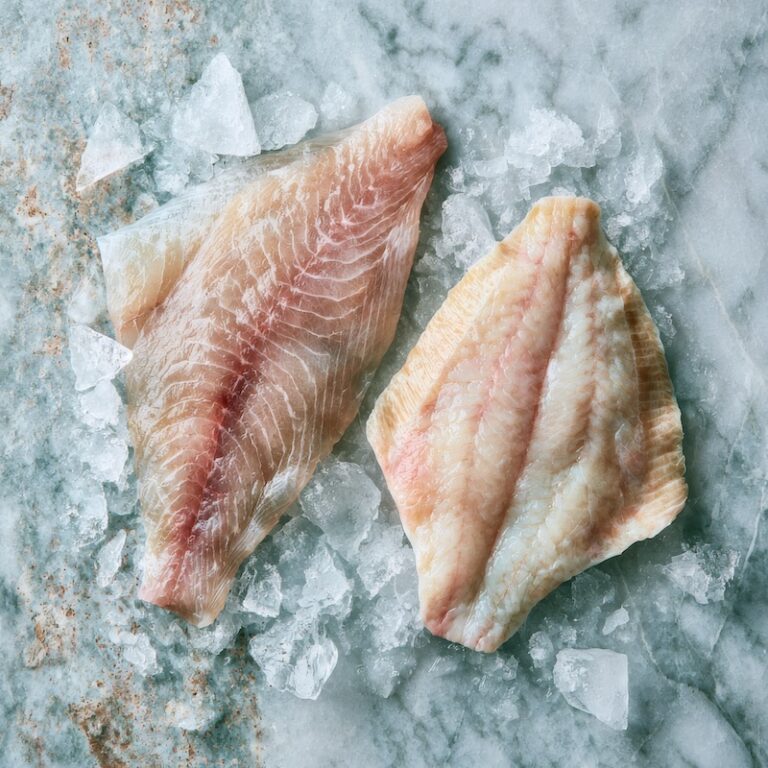
| Texture | Tender, slightly firmer | Delicate, flakier |
| Best for | Crudo, sushi, quick pan-searing | Broiling, baking, frying |
| Price | Usually pricier, especially sushi-grade | Usually more affordable |
| Substitution ratio | 1:1 | 1:1 |
| Availability | Seasonal, peak summer–early fall, Atlantic coast | Varies by species and region |
Flavor and Function
- Fluke — flavor: Mild and sweet, tender white flesh with a touch more firmness than most other flounder. Fluke — function: Holds together well enough for raw preparations like crudo and sushi, and takes quick, high-heat cooking without falling apart.
- Other flounder — flavor: Also mild and delicate, close enough to fluke that a blind taste test rarely settles it. Other flounder — function: Softer and flakier once cooked, so it wants gentler methods where that delicacy is an asset, not a liability.
Think Like a Cook
- The real question isn't which fish you have, it's how delicate the flesh is. Fluke's slightly firmer texture can take higher heat and rawer preparations; other flounders are softer and want gentler cooking. Treat the label as a rough guide to texture, not a different flavor to chase.
When to Use Fluke
- Crudo, ceviche, or sushi-style raw preparations where the texture needs to hold up.
- Quick pan-searing or sautéing where you want color on the outside without the fillet falling apart.
- Anywhere you're paying a premium and want the fish itself to be the star of the plate.
When to Use Other Flounder
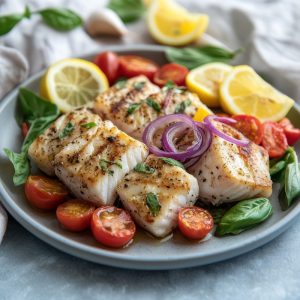
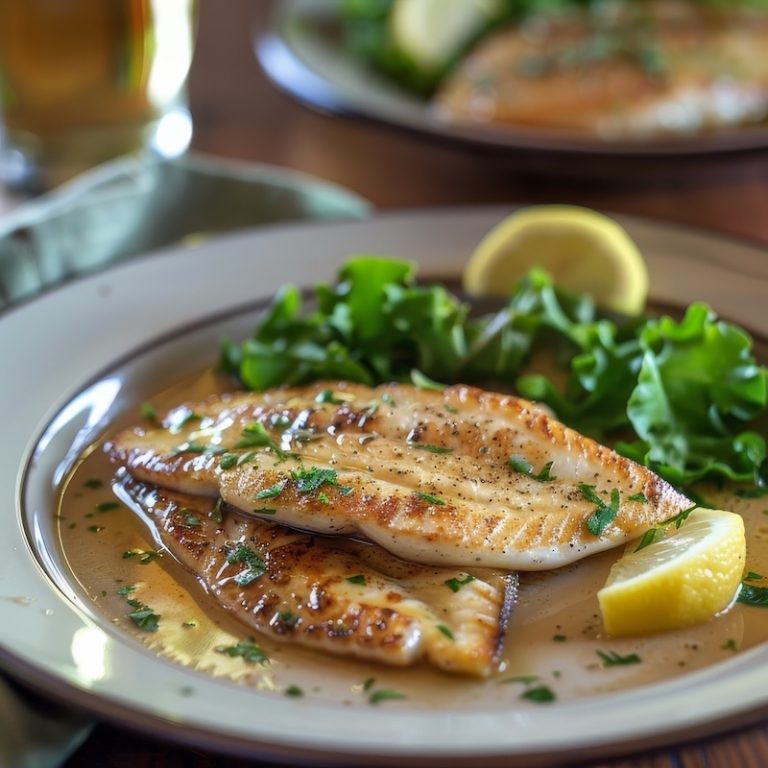
- Broiling or baking, where its delicate flake benefits from gentle, even heat — like the lemon-butter broil in this post's recipe.
- Classic weeknight preparations where a lower price point makes more sense.
- Pan-frying with a light coating, which protects the delicate flesh while it cooks.
Can You Substitute One for the Other?
- Ratio: 1:1.
- When it works fine: Almost always for baking, broiling, and pan-frying — close enough that most people won't notice.
- When it noticeably changes the dish: Raw preparations like sushi or crudo, where fluke's firmer texture is part of the point. If the fillet you have is noticeably thinner, shorten your cook time to avoid overcooking.
- Other alternatives: Sole or halibut in a pinch — though halibut is meatier and needs longer cooking, so it's not a true 1:1 swap.
Broiled Flounder in Lemon Butter
Ingredients
- For the fish
- 4 flounder fillets
- 2 tablespoons melted butter
- 2 tablespoons freshly squeezed lemon juice
- kosher salt and freshly ground white pepper to taste
For serving
- 1 lemon very thinly sliced
- fresh Italian or curly parsley, minced
Instructions
- Rinse and pat dry the fillets. Arrange in on a baking tray.
- Combine the melted butter and lemon juice and drizzle evenly over the fish, reserving about 1 tablespoon.
- Lightly sprinkle with salt and pepper.
- Broil the fish on the highest rack until the fish is white and is just starting to flake, about 5-7 minutes.
- To serve, drizzle on the last tablespoon of lemon butter. Arrange lemon slices on each fillet and sprinkle with the freshly chopped herbs.

What Most Cooks Get Wrong
- Assuming fluke automatically tastes different from flounder — most people can't tell in a blind taste test. The real difference is texture and price, not flavor.
- Cooking a thin, flaky flounder fillet the same way as a heartier fish — it overcooks fast and goes from done to mush in under a minute of extra heat.
- Trusting the fish-counter label as scientifically precise. Mislabeling is common — if the distinction matters to you, ask.
- Treating "fluke" as some rare specialty catch — it's the common name for one specific, and very common, kind of flounder.
Storage and Shelf Life
- Buy same-day if you can. These are thin, delicate fillets — they don't hold the way a thick fish steak does.
- Store on ice or in the coldest part of the fridge, and use within 1 to 2 days.
- Freeze only if vacuum-sealed. Thin fillets are especially prone to freezer burn and texture loss.
- Signs it's past its prime: Any ammonia smell, dull color, or mushy texture — trust your nose over the sell-by date.
Worth the Upgrade?
- Worth it: Paying more for fluke specifically when serving it raw — crudo, sushi — where the firmer texture and clean flavor earn the premium.
- Not worth it: Hunting down fluke by name for a broiled or baked weeknight dinner. Any well-handled, fresh flounder does the job for less.
- See the same fish handled the classic way in Pan-Fried Flounder with Potatoes and Parsley.
- If you're wondering how size and age affect which fish you're actually buying, see Baby Flounder.
- The lemon butter sauce in this post's own recipe deserves its own explanation — see All About Lemons and Fresh Lemon Juice.
- Another mild white fish worth knowing well: How to Cook Mahi Mahi.
- For the high-heat searing technique mentioned under "When to Use Fluke," see Sauteing, Pan-Frying, and Stir-Frying.
- A compound butter is an easy upgrade for either fish straight off the broiler — see Herb Butter Recipes.
Early Life
Flukes and flounders are flatfish, which is stranger than it sounds — they don’t start out flat. Every one hatches swimming upright like a normal fish, then tips onto its side as a larva, and the eye facing the bottom migrates around to the top.
Land on your left side and you become a fluke; land on your right and you’re a flounder. Why one fish becomes a lefty and another a righty, I have no idea.
Why they went flat in the first place, I’m fairly sure I do: camouflage. The mottled, dark top side blends into the ocean floor, which matters when you’re a bottom-dweller trying to ambush prey.
Fluke & Flounder Fun Facts
I did find out some fun facts about flounder and fluke, though, no matter what name you call them.
Large flounder and fluke (8–10 pounds or more) are often called “doormats” or “snow shoes” because of how flat and wide they are.
The names “summer flounder” (fluke) and “winter flounder” match their seasonal patterns:
Summer flounder spend winters offshore and come into bays during summer.
Winter flounder enter bays in the fall and stay through winter until spring.
Fluke and winter flounder usually don’t hang out together. One possible reason: fluke have teeth, and winter flounder do not (but that’s just a guess).
All fish flop when caught, but flounders are especially good at flopping around on the ocean floor, kicking up sand to hide—similar to rays.
Because flounders swim sideways, it often looks like they have trouble steering.
It’s still a bit funny that “fluke” can also mean a freak event—odd for a fish whose eyes move to one side of its head!
No matter how they look or swim, flounder is tasty when cooked. Here’s a recipe for broiled flounder in lemon butter, and be sure to check out Pan-Fried Flounder with Potatoes and Parsley. This is how my mom prepared fresh flounder for us as kids.
Fluke or Flounder Frequently Asked Questions
Is fluke the same as flounder? Fluke is one specific kind of flounder — also called summer flounder — while “flounder” is the umbrella term for many related flatfish. Every fluke is a flounder, but not every flounder is a fluke.
Do fluke and flounder taste different? Not really. Both are mild and sweet; the bigger difference is texture, where fluke tends to be a touch firmer and other flounders are more delicate and flaky.
Why is fluke fish more expensive? It’s prized for raw preparations like sushi and crudo, where its firmer texture holds up better than most other flounder, and that demand pushes the price up.
How can you tell a fluke from a flounder by looking at it? Check the eyes — fluke have both eyes on the left side of their body, while most other flounder species have both eyes on the right.
Do fluke have teeth when other flounder don’t? Generally, yes. Fluke are more aggressive predators and typically have visible teeth, while species like winter flounder have soft, toothless mouths.
Is “fluke” just a nickname, or a real distinction? It’s real — fluke is the accepted common name for summer flounder (Paralichthys dentatus), not slang, even though it sounds like one.
Can I substitute flounder for fluke in a recipe? Yes, 1:1, for almost any cooked preparation. The one place it matters is raw dishes like crudo or sushi, where fluke’s firmer texture is part of the point.


20 Responses
Great article! My son caught a fish today…I called it a flounder, my Dad said it was a fluke! I love your play with words, and appreciate you making this an easy to read and informative blog….now i gotta go read about what size is legal to keep! TY TY TY!
I grew up on the Great South Bay of Long Island NY. As I little girl I was well versed in “flounder” fishing, and then once on a bay trip with my dad I caught a big’un. As soon as I landed the fish my dad exclaimed “well, you caught a fluke!”. From that moment on, it was my understanding that a fluke is usually a much larger and heavier fish than a flounder.
Also, when we cooked it, it tasted different to me than flounder. I really didn’t like the taste. Perhaps it’s something one gets used to?!
I agree on what is Fluke or Flounder. I was in Navy stationed in NJ and fished a lot salt water even made our own Fluke or Flounder rigs, I like most newcomers to the fish was told the only difference was what side the eye was facing, But knowing how Jersey people love to joke I didn’t take it too serious, I did notice that Fluke was much larger and caught mostly at a different times and in deeper water.
After catching both I could not swear I would know the difference,, and didn’t care as they both taste the same,, GOOd!
I wish my dad had told me if I was catching a fluke or a flounder. In our house, everything was flounder but we loved it all.
If it’s got vicious looking teeth it’s a fluke, if it has a soft toothless mouth it’s a flounder. Fluke are the tastier of the two.
Making your recipe tonight for 15!!
You will have to work in batches or use multiple fry pans. Have a great meal.
This is all crap. On such fish called a fluke, only by slang.
Look it up in a dictionary.
Get the facts before you write something.
This is why people get in trouble fishing for flounder. There are winter and summer flounder. Along with sole another totally differant fish. Read the laws in your state before going fishing . But don’t depend on this screw up. So many believe crap like this.
SO START IN THE DICTIONARY. Then move to the discription of flounder. Because there is no such thing as a fluke other then by Slang
Ric, I appreciate your enthusiasm but but if you look up “fluke” in the Merriam-Webster dictionary, it describes “fluke” as a flatfish which is exactly how I described it. I also say in big, bold letters, All Fluke Are Flounders and I also say “Flukes are also called “summer flounder,” ” so I’m sure I agree with you.
You need to do more research before going ballistic, lol, I was stationed in Jersey and fished for both and made the Fluke rigs and Flounder Rigs, And have caught both,
There is a difference but in fairness they are both same species of family.
Fluke do get much larger, and if you check the eyes are set different , Now we get to west coast Halibut and there I am stumped,, lol
Wonderful article. Thank you so much for taking the time to write this. I learn something every day. Gracias
This was wonderful. I was raised in Long island NY and my grandfather and I went to scotty’s dock and would catch fluke and flounder. He was written up in magazines in the 70’s as the Flouner Kind of Long Island Andrew Barbaccia. Thank you for they wonderful story of great fish!
Same! Used to catch these like crazy in the sound until they kept jacking up the size of keepers now it’s nothing but porgies! Our pops might have know each other as my dad was the ” Duke of Fluke”!!! Until I came along….winked ?
I agree that many types of fish arte called different names depending on area they are in,, Like Florida call Bream and up North its a Blue Gill, A speck is a Crappie, and there jack Pike is a Grass Pike some place else, But I have been all over the east coast and in Many countries and Fluke and Flounder are two different fish not species, So don’t think there is any Fluke in the identity,, Pun Intended..lol
My recollection is fluke have bigger mouths and bigger hooks are used.
Fluke,summer flounder face left by that I mean with the mouth on the bottom and the Eyes On Top holding the fish up it’s facing left. Also it has teeth. Winter flounder face right Eyes On Top mouth on bottom and they are as toothless as your great-grandmother. All I can speak about is the Jersey Shore and summer flounder are usually always called fluke. As far as taste I personally do not see much of a difference they are both excellent fish. Well I hope I did’t confuse anyone so take care. T
You are the first to mention sole.
This is very simple a flounder is like all other fish with eyes on both sides of its body while a fluke has its eyes on one side of its body that’s why it’s referred to as a fluke. It’s all in the location of the eyes on the body. Get it. Lol
Hi, I was googling around for the content about the seafood. On this page, I found your fantastic resource. Just wanted to let you know how much your page has helped me. We provide fresh fish, blue crab, crab cake, alaskan crab legs, shrimp, shellfish, seafood soup, and more. Thanks for compiling your resource list and have a great day! – Divya
Great comparison! I’ve always been confused about the differences between fluke and flounder. I appreciate the insights on taste and texture. Can’t wait to try your cooking suggestions!