The Secret to Perfect Garlic Bread Every Time

How to Make the Best Homemade Garlic Bread (Crispy Outside, Soft Inside)

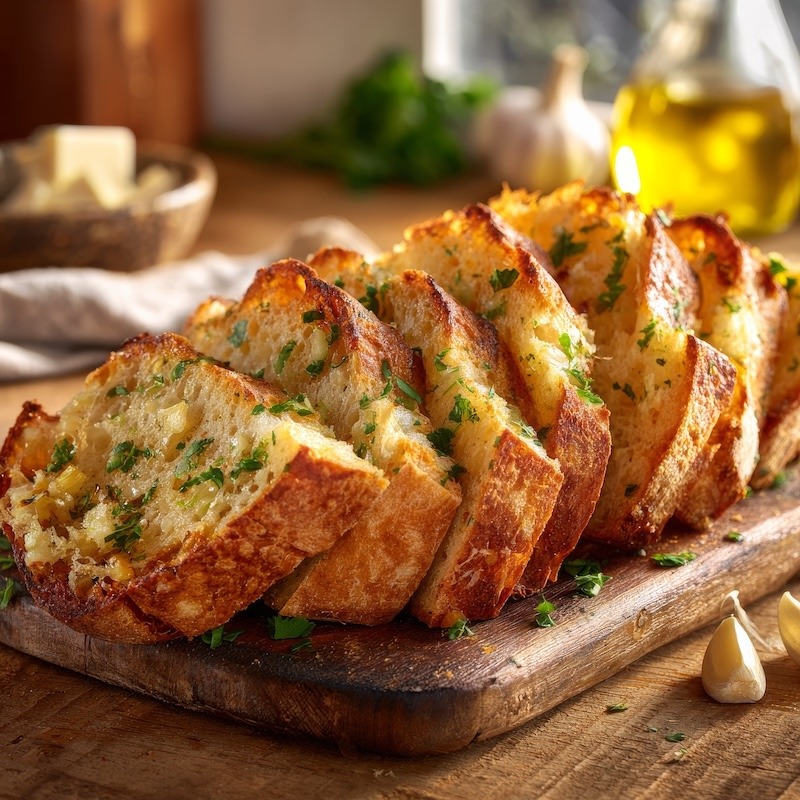
Garlic bread is one of those foods that everyone loves. It’s warm, buttery, and loaded with flavor. You smell it baking and know something good is coming.

The mix of garlic, butter, and fresh bread is simple, but it delivers big comfort. You don’t need fancy skills to make it. You just need good bread, fresh garlic, and the right touch of butter.

This recipe gives you that perfect balance of crispy edges and soft, fluffy middle. It works for a weeknight dinner, a family gathering, or a game-day spread. Serve it next to pasta, soup, or a fresh salad, and it always disappears fast.

I’ll walk through each step so you can make it with confidence. You’ll learn how to prep the bread so it soaks up all that buttery goodness without going soggy. You’ll also see how to toast it just right for maximum crunch and flavor.

Once you try homemade garlic bread, you won’t go back to store-bought. It’s quick, easy, and endlessly customizable.

Add cheese, herbs, or a sprinkle of chili flakes to make it your own. Let’s turn a simple loaf of bread into something irresistible. Dinner is about to smell amazing.

Garlic Bread

How to make homemade garlic bread the is quick, easy and delicious
Prep Time5 minutes
Cook Time10 minutes
Total Time15 minutes
Course: Side Dish
Cuisine: Italian
Keyword: bread, garlic, garlic bread
Servings: 1 loaf

Equipment

  • 1 baking sheet
  • 1 bowl

Ingredients

Instructions

  • Preheat oven to 375°F (190°C).

Prepare the bread

  • Slice the loaf in half lengthwise. Place both halves cut-side up on a baking sheet.

Make the garlic butter

  • In a bowl, mix the softened butter, minced garlic, parsley, and salt until well combined.

Spread generously

  • Coat the cut side of each bread half with the garlic butter mixture. Sprinkle Parmesan cheese on top if using.
  • Bake for 10–12 minutes until the butter melts and soaks into the bread.

Optional crisping

  • Switch to broil for 1–2 minutes until the edges turn golden brown. Watch closely to prevent burning.

Slice and serve

  • Cut into thick pieces and enjoy warm.

Notes

Pro Tip: For extra flavor, rub the cut bread lightly with a raw garlic clove before adding the butter.

Oven Baked - Under the Broiler - Air Fryer

Method Best for Typical time & temp Pros Cons Quick tip
Oven (baked) Batch cooking; even toasting; soft interior 375°F (190°C) • 10–15 minutes
  • Even heat; gentle browning
  • Good for whole loaves or many servings
  • Butter soaks in for soft center
  • Takes longer than broiling or air fryer
  • Less intense crisp on top unless broiled after
Cover with foil first if you want the interior very soft; remove foil last 2–3 min to crisp.
Broiler Fast browning; strong top crust; small batches Broil high • 1–3 minutes (watch closely)
  • Very quick — great for last-minute crisping
  • Creates a golden, slightly charred top
  • Good when you already baked the loaf
  • Easy to burn if unattended
  • Uneven results if loaf is thick or far from heat
  • Not ideal for large batches at once
Place rack 4–6 inches from the element. Stay by the oven and check every 30 seconds.
Air Fryer Quick single to small servings; super-crispy edges 350–375°F (175–190°C) • 4–8 minutes
  • Fast and energy efficient
  • Produces very crispy crust with tender inside
  • Great for reheating without sogginess
  • Limited capacity — may need batches
  • Can dry the center if overcooked
  • Smaller loaves might need trimming
Give slices space in the basket for airflow. Check at the halfway point to avoid over-browning.

Tips for Making Great Homemade Garlic Bread

  1. Use real butter, not margarine – Butter adds rich flavor without the artificial aftertaste. Soften it for even spreading.

  2. Balance the butter-to-bread ratio – Use just enough to coat the bread surface evenly. Too much butter can pool and make it greasy.

  3. Add a pinch of salt to the butter mix – Enhances garlic and bread flavor without overpowering.

  4. Mash garlic into the butter – This helps the flavor spread evenly and prevents bitter burnt garlic bits.

  5. For a golden crust and soft center – Bake at a moderate temperature (around 375°F / 190°C) so the crust crisps while the inside stays tender.

  6. Broil briefly at the end – 1–2 minutes under the broiler creates that golden finish without drying out the middle.

  7. Use fresh bread – A good French or Italian loaf toasts beautifully and holds up to the butter.

  8. Add fresh parsley or herbs after baking – Preserves bright color and fresh taste.

  9. Serve immediately – Garlic bread is at its best fresh from the oven when the butter is still melted and the crust is crisp.

  10. Experiment with toppings – Try Parmesan, mozzarella, chili flakes, or a drizzle of olive oil for extra flavor.


Storage & Shelf Life

Homemade garlic bread tastes best fresh, but you can store it for later. In the refrigerator, wrap cooled garlic bread tightly in foil or place it in an airtight container.

It will keep for about 3–4 days. Chilling helps slow mold growth, but it can dry the bread, so reheat it gently in the oven to restore softness.

For longer storage, the freezer works best. Wrap individual slices or whole halves in foil, then place them in a freezer bag to prevent freezer burn. Frozen garlic bread keeps its flavor for up to 3 months.

To serve, bake straight from frozen at 375°F (190°C) for 10–15 minutes, or until heated through and crisp. Avoid microwaving frozen bread, as it can make the bread soggy. Proper storage ensures you can enjoy garlic bread anytime without losing its flavor, texture, or buttery goodness.

Garlic Bread – Italian or American?

Garlic bread, as most people know it today — sliced bread spread with garlic butter and toasted — is an American creation with Italian inspiration.

In Italy, there’s a traditional snack called bruschetta al aglio or fettunta, which is grilled bread rubbed with fresh garlic and drizzled with olive oil. It’s rustic, simple, and doesn’t usually involve butter, parsley, or cheese. Italian immigrants in the United States adapted this idea in the 20th century.

Since butter was cheaper and more common in the U.S. than good-quality olive oil at the time, they swapped it in. Loaves like French bread or Italian-American bakery bread became the base, and garlic powder sometimes replaced fresh garlic for convenience.

The result was what we now think of as “garlic bread” — a richer, more indulgent, and distinctly Italian-American dish. So while it has Italian roots, the version most people picture was born in American kitchens and restaurants.

Leave a Reply

Your email address will not be published. Required fields are marked *

Recipe Rating


This site uses Akismet to reduce spam. Learn how your comment data is processed.