

Where In Italy Does Your Favorite Pasta Come From
Italy’s pasta is as diverse as its landscapes. Each region has its own unique shapes and styles. These differences come from local ingredients, climate, and traditions.
In the north, you find rich, egg-based pastas like tagliatelle and tajarin. The cooler climate supports wheat and dairy farming, which in turn influences these choices.
In the south, durum wheat pasta like orecchiette and busiate dominate. The warmer climate and rugged terrain shaped these sturdy, simple shapes.
Regions created pasta styles to match their sauces and lifestyles. Hand-rolled, thick pasta suits rustic mountain dishes. Thin, delicate strands pair well with light seafood sauces along the coast. Understanding regional pasta helps you cook more authentically and appreciate Italy’s food culture.
This article explores Italian pasta by region. You’ll learn how geography, history, and local needs shaped pasta styles. We’ll show you the connection between pasta shapes and their traditional sauces.
By reading this, you gain insight into Italy’s rich culinary tapestry and can confidently try new pasta varieties at home. Get ready to discover the stories behind Italy’s pasta and bring regional flavors to your table.
Pasta By Region
| Region | City/Area | Pasta Name | Description |
|---|---|---|---|
| Northern Italy | Piedmont | Tajarin | Thin, egg-rich ribbon pasta, traditionally served with butter and sage or rich meat sauces. |
| Lombardy | Pizzoccheri | Short, flat buckwheat pasta from Valtellina, typically served baked with potatoes, cabbage, cheese, and butter. | |
| Veneto | Bigoli | Thick, whole wheat spaghetti-like pasta made with a special press, usually paired with duck or anchovy sauces. | |
| Emilia-Romagna | Tagliatelle | Flat ribbons about 6-8 mm wide, traditionally served with Bolognese ragù. | |
| Emilia-Romagna | Tortellini | Small ring-shaped stuffed pasta filled with meat or cheese, often served in broth or with cream sauces. | |
| Central Italy | Tuscany | Pici | Thick, hand-rolled spaghetti-like pasta, rustic and chewy, traditionally served with garlic or meat sauces. |
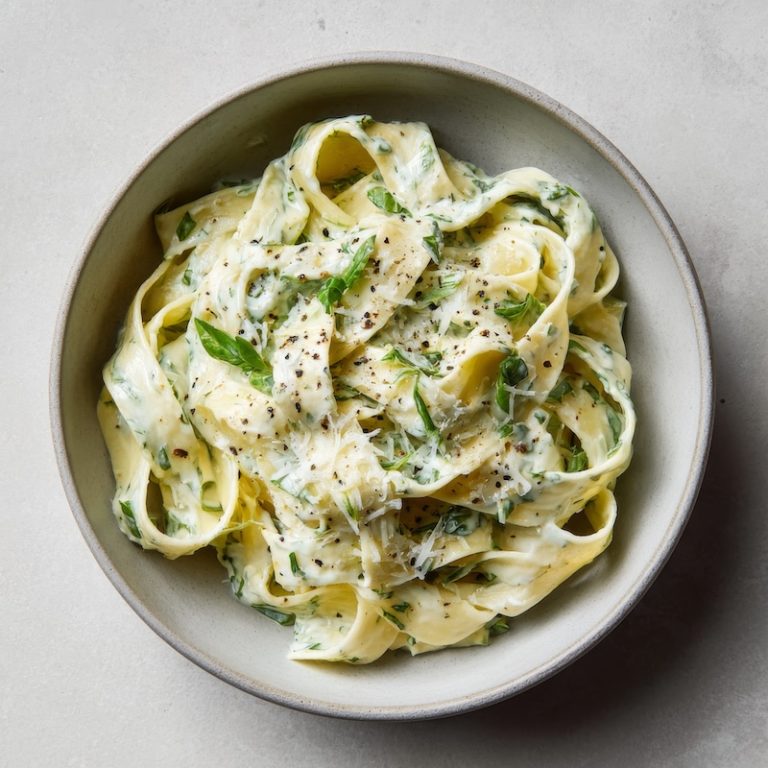
| Lazio (Rome) | Fettuccini | Thick, flat pasta ribbons often served with rich cream-based sauces like Alfredo or Carbonara. | |
| Lazio (Rome) | Gricia | Though a sauce, Gricia is often paired with rigatoni or spaghetti; it’s the “white” version of Amatriciana with guanciale, Pecorino, and pepper. | |
| Umbria | Strangozzi | Long, square-section pasta, similar to spaghetti but thicker, often served with truffle or meat sauces. | |
| Tuscany | Ribollita | Not pasta — a famous soup, just noting regional dishes alongside pasta. | |
| Southern Italy | Puglia | Orecchiette | Small ear-shaped pasta, typically served with broccoli rabe or tomato-based sauces. |
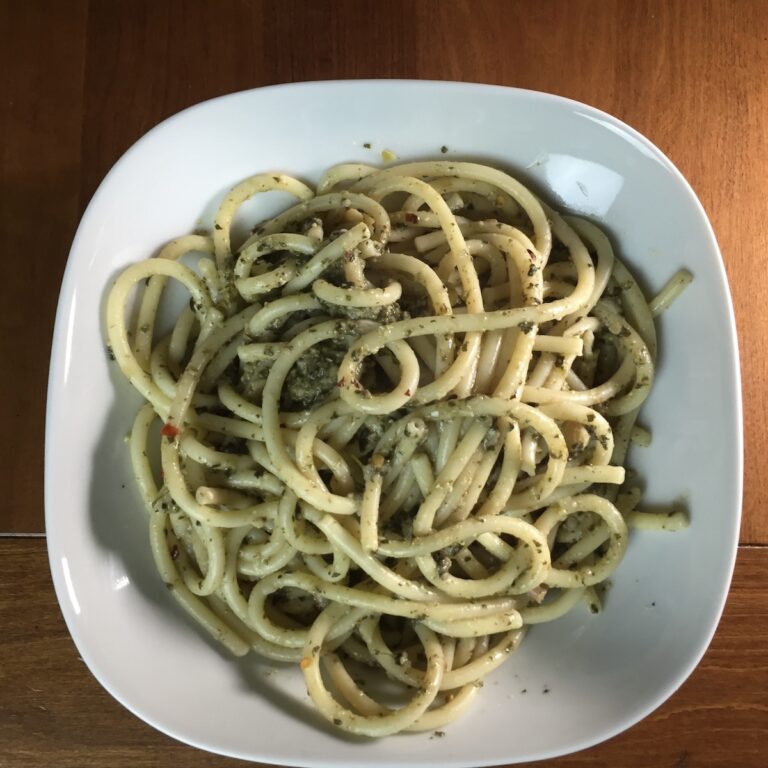
| Campania | Bucatini | Thick spaghetti with a hollow center, famous for pairing with Amatriciana sauce. | |
| Calabria | Cavatelli | Small shell-shaped pasta made from semolina, often paired with spicy or tomato sauces. | |
| Campania | Scialatielli | Short, thick flat noodles native to Amalfi Coast, often served with seafood sauces. | |
| Calabria | Fileja | Hand-rolled spiral pasta, typical of Calabria, served with spicy tomato sauces or pork-based ragù. | |
| Puglia | Fusilli | Corkscrew-shaped pasta common across Italy, but with regional variations in thickness and size. | |
| Islands | Sicily | Busiate | Long twisted pasta traditionally served with pesto alla Trapanese or sardine sauce. |
| Sicily | Maccheroni | Short tube-shaped pasta, different from northern versions, often used in baked dishes. | |
| Sardinia | Fregula | Small toasted semolina balls, similar to couscous, typically served with seafood or meat sauces. | |
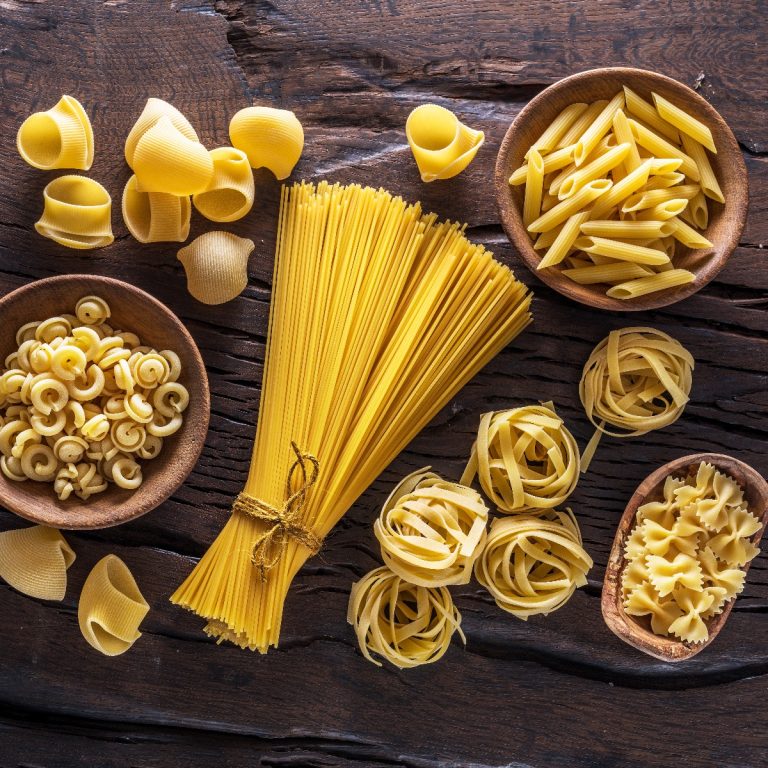
| Universal / Popular | Spaghetti | Long, thin, cylindrical pasta, popular nationwide and internationally, versatile for many sauces. | |
| Penne | Short tubes cut diagonally, common across Italy and perfect for baked dishes and chunky sauces. | ||
| Linguine | Flat, narrow pasta, commonly paired with seafood and light sauces. | ||



What Came First? The Pasta or The Sauce?
The answer isn’t simple—both pasta and sauce evolved together over centuries, each influencing the other.
Historically, simple pasta—made from just flour and water—came first. Early Italians likely made plain pasta shapes that could be dried and stored. These simple pastas were convenient staples. Sauces, especially those based on local ingredients, developed alongside to add flavor and variety.
In many regions, the sauce was created to complement the pasta’s texture and shape. For example, hearty meat ragùs pair well with thick ribbon pastas that hold the sauce. Light, fresh tomato or oil-based sauces suit thinner, delicate pastas.
So, pasta provided a blank canvas, and sauces evolved to suit it—and vice versa. The two are inseparable partners in Italian cuisine, each shaping the other through tradition and taste.
In short: pasta likely came first in a simple form, but sauces quickly followed, creating the iconic combinations we enjoy today.
Earliest Example of the “First” Pasta Ever Recorded
The first recorded example of pasta in Italy dates back to the 13th century. In 1279, a document from Genoa mentions a type of dried pasta called “macaroni” being sold to sailors because it kept well on long voyages. This is one of the earliest written references to pasta in Italy.
However, pasta-like foods likely existed even earlier in various forms, though written records are scarce. Some historians believe ancient Roman and Etruscan dishes influenced pasta, and others suggest Arab traders introduced dried pasta to Sicily during their rule in the 9th and 10th centuries.
So while pasta’s exact origins are debated, the 13th-century Genoese record is the first solid proof of pasta as a staple food in Italy. It shows how dried pasta was valued for its durability and convenience, laying the foundation for the rich Italian pasta traditions that followed.
Fresh Pasta or Dried Pasta
In Italy, both fresh and dried pasta are widely consumed, but their popularity varies by region and dish type.
Northern and Central Italy tend to favor fresh pasta like tagliatelle, tortellini, and pici, especially in traditional, homemade cooking. Fresh pasta often pairs with rich, creamy, or meat-based sauces typical of these regions.
Southern Italy prefers dried pasta, particularly shapes made from durum wheat semolina like spaghetti, penne, and orecchiette. The warmer climate favors durum wheat cultivation, and dried pasta’s longer shelf life suits the region’s culinary traditions.
National consumption data shows dried pasta dominates in volume because it’s shelf-stable, easier to produce industrially, and more common in everyday meals across Italy.