
Fast Answer
Italy has 20 regions, and nearly every one developed its own pasta shapes based on local ingredients, climate, and sauce traditions. Northern regions favor rich egg-based pastas; southern regions prefer durum wheat dried shapes. The shape isn't decorative — it's functional, designed to hold a specific sauce.
Start Here: Why Regional Pasta Actually Matters
- Pasta shapes are functional, not decorative. The curves, ridges, hollows, and thickness of a pasta shape all affect how sauce clings, pools, or gets trapped. This is engineering, not aesthetics.
- Region determines the logic. Northern Italy had eggs, dairy, and cooler temperatures — so pasta got rich, silky, and egg-based. Southern Italy had durum wheat, heat, and olive oil — so pasta got sturdy, rough-textured, and dried.
- The sauce came with the shape. In most cases, the traditional sauce for a pasta shape was developed alongside it, in the same region, using the same local ingredients. They're a matched set.
- Why this helps you cook better: Once you understand the logic — thick and rough holds hearty sauces, thin and smooth pairs with delicate ones, hollow traps chunky sauces — you can make smarter pasta decisions without memorizing rules.
- You don't need to travel to Italy. Most of the pastas in this guide are available at well-stocked grocery stores or online. The ones that aren't have reasonable substitutes noted.
Where In Italy Does Your Favorite Pasta Come From
The reason tagliatelle works with Bolognese and orecchiette works with broccoli rabe isn’t a coincidence — it’s centuries of regional cooking logic. Northern Italian egg pasta is silky and rich because the north has dairy and cooler wheat-growing conditions.
Southern durum wheat pasta is sturdy and sauce-resistant because it has to withstand heat, travel well, and pair well with the bold, oily sauces the South produces.
This guide maps every major Italian region to its signature pasta, explains the logic behind the shape-sauce relationship, and gives you the mental model to make better pasta choices every time you cook.
Flavor & Function: What Region and Ingredient Actually Change
- Egg pasta (Northern Italy): Made with soft wheat flour and eggs, sometimes additional yolks for richness. Silky texture, golden color, cooks faster than dried. Flavor is mild and slightly rich — it pairs with butter, cream, and delicate meat sauces without competing. Doesn't hold up to aggressive tomato or oil-heavy southern sauces as well.
- Durum wheat dried pasta (Southern Italy): Made from semolina and water, no eggs. Firmer texture, slightly nutty flavor, holds its shape through longer cooking and heavier sauces. The rough surface texture — especially on extruded shapes — catches and holds sauce in a way that smooth egg pasta doesn't.
- Buckwheat pasta (Lombardy — Pizzoccheri): Earthy, slightly bitter, dense. Stands up to strong flavors — aged cheese, butter, cabbage, potatoes. A very regional pasta that doesn't travel well into other sauce traditions.
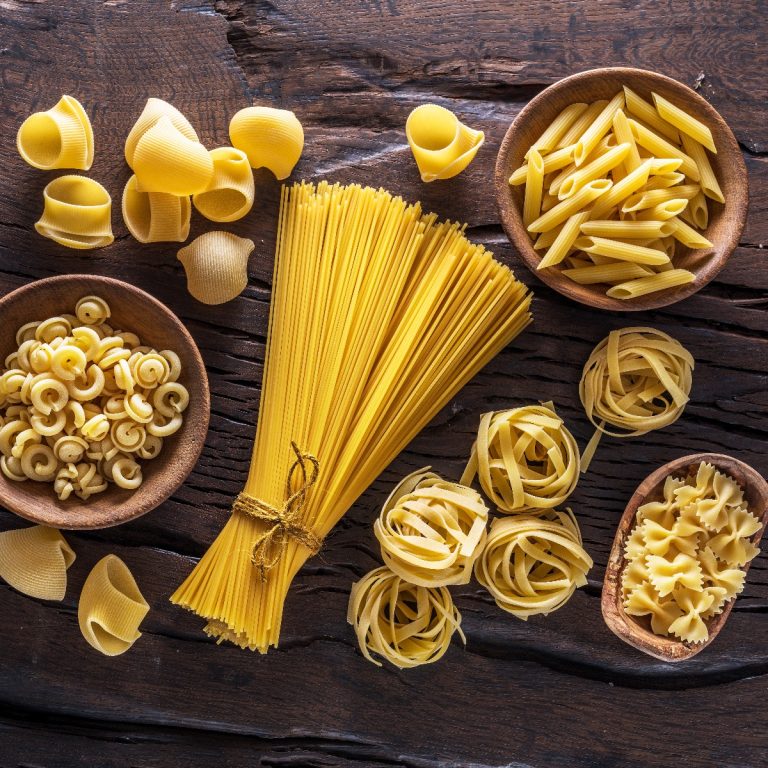
- How shape changes function: Ridges (rigatoni, penne rigate) catch chunky sauces. Hollows (bucatini, rigatoni) pool liquid sauce inside. Cupped shapes (orecchiette, shells) cradle small ingredients like broccoli rabe florets or sausage pieces. Long thin pasta (spaghetti, linguine) works with sauces that coat rather than cling.
- Fresh vs. dried is not a quality distinction. They're different products for different jobs. Fresh pasta is not better than dried — it's appropriate for different sauces and occasions.
Think Like a Cook: Match the Sauce Weight to the Pasta Structure
- The single most useful mental model for pasta: the heavier and chunkier the sauce, the sturdier and more textured the pasta needs to be.
- A delicate egg tagliatelle under a chunky lamb ragù gets overwhelmed — the pasta disappears. A thick pici under a light lemon butter sauce makes the dish feel stodgy. The mismatch is the problem.
- Think of pasta shapes in three categories: smooth and delicate (angel hair, tagliolini) for light, olive oil or butter-based sauces; medium and versatile (spaghetti, rigatoni, penne) for most tomato and cream sauces; thick and rustic (pici, bigoli, cavatelli) for hearty meat sauces and braises.
- When you're improvising a sauce, start with the pasta you have and ask: is this sauce light or heavy? Smooth or chunky? That answer tells you whether you've got the right match — or what to adjust.
Which Came First: The Pasta or the Sauce?
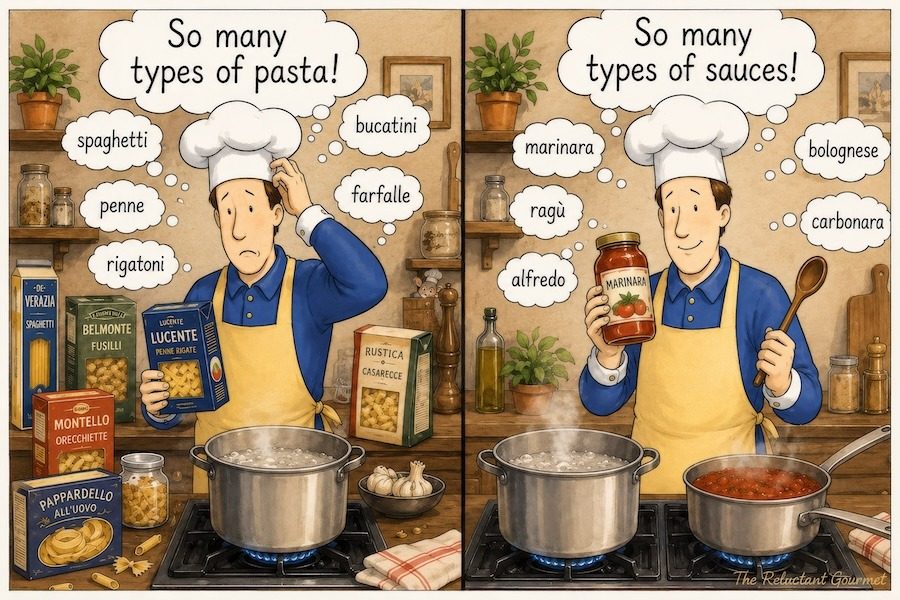
- Pasta came first — barely. The first recorded reference to pasta in Italy dates to 1279, when a Genoese document mentions dried "macaroni" being sold to sailors for long voyages. Simple, durable, made from flour and water.
- Sauces followed the shape. Early pasta was plain — a vehicle for nutrition and storage. Sauces developed alongside regional ingredients: olive oil and seafood in the coastal south, butter and cheese in the dairy-rich north, cured pork and aromatics inland.
- The Arab connection in Sicily. Historians believe Arab traders introduced dried pasta to Sicily during the 9th and 10th centuries — which would place Sicily as the entry point for pasta into Italian cuisine, not the north.
- They evolved together. Over centuries, pasta shapes and their traditional sauces became a matched set — each shaping the other. The tagliatelle-Bolognese pairing wasn't accidental; it was the result of generations of cooks in Emilia-Romagna refining what worked.
- Why this matters now: When you serve orecchiette with broccoli rabe, you're not following a recipe — you're participating in a culinary tradition that evolved over hundreds of years in Puglia. That's worth knowing.


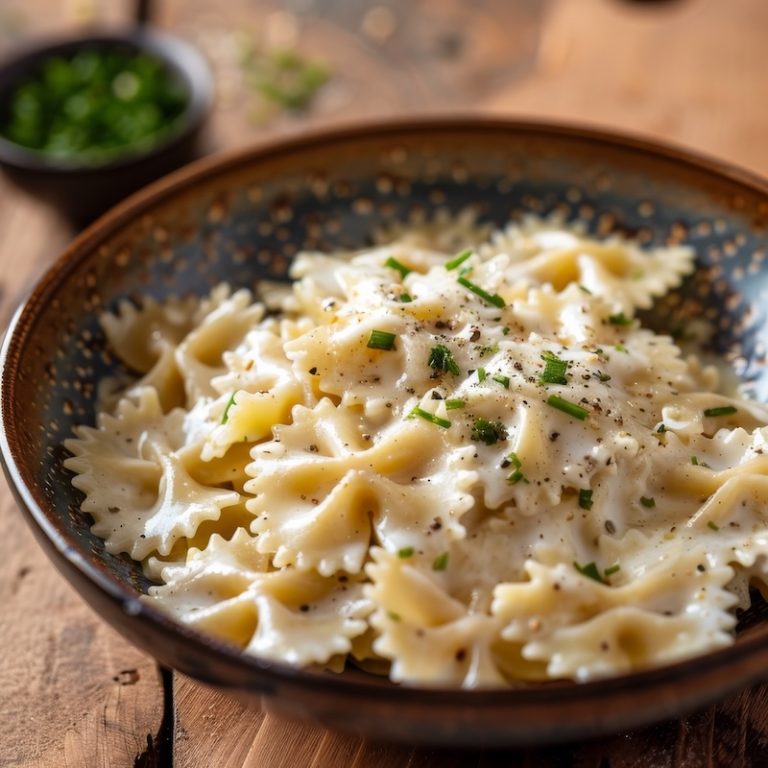

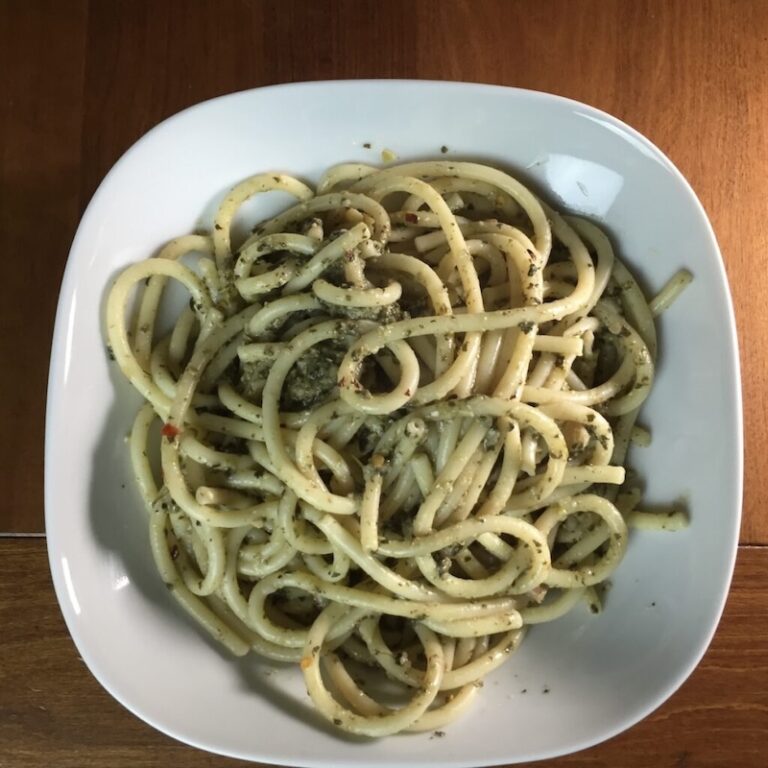
Italian Pasta by Region: Shape, Origin, and Best Use
- Tajarin (Piedmont): Extremely thin egg pasta, even finer than tagliolini. Made with a high ratio of egg yolks — sometimes up to 40 per kilo of flour. Traditionally served with butter and white truffle or a simple meat sauce. Not a weeknight pasta; it's a celebration of the egg.
- Pizzoccheri (Lombardy — Valtellina): Short, flat buckwheat pasta with a distinctive earthy flavor. Baked with potatoes, Savoy cabbage, Fontina or Casera cheese, and butter. One of the most regional pastas in Italy — the buckwheat flavor doesn't pair well outside its traditional preparation.
- Bigoli (Veneto): Thick, rough whole wheat spaghetti made with a special press. The rough texture is the point — it holds dense sauces like duck ragù or salted anchovy and onion exceptionally well. A good bronze-die spaghetti is the closest widely available substitute.
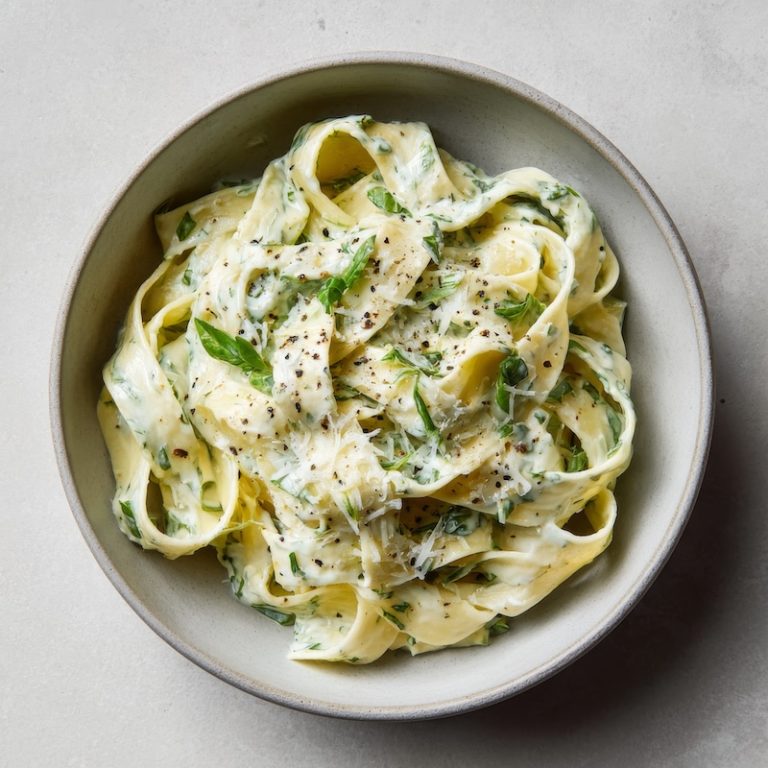
- Tagliatelle (Emilia-Romagna): Flat egg ribbon pasta, about 6–8mm wide. The official pasta of Bologna — the Bolognese Academy of Cuisine famously registered the correct width with the Chamber of Commerce in 1972. The width matters: wide enough to hold a meaty ragù, thin enough to stay delicate.
- Tortellini (Emilia-Romagna): Small ring-shaped stuffed pasta, traditionally filled with pork, prosciutto, Parmigiano, and nutmeg. Classic service is in broth (in brodo) — the broth lets the filling speak. Cream sauce is a modern adaptation.
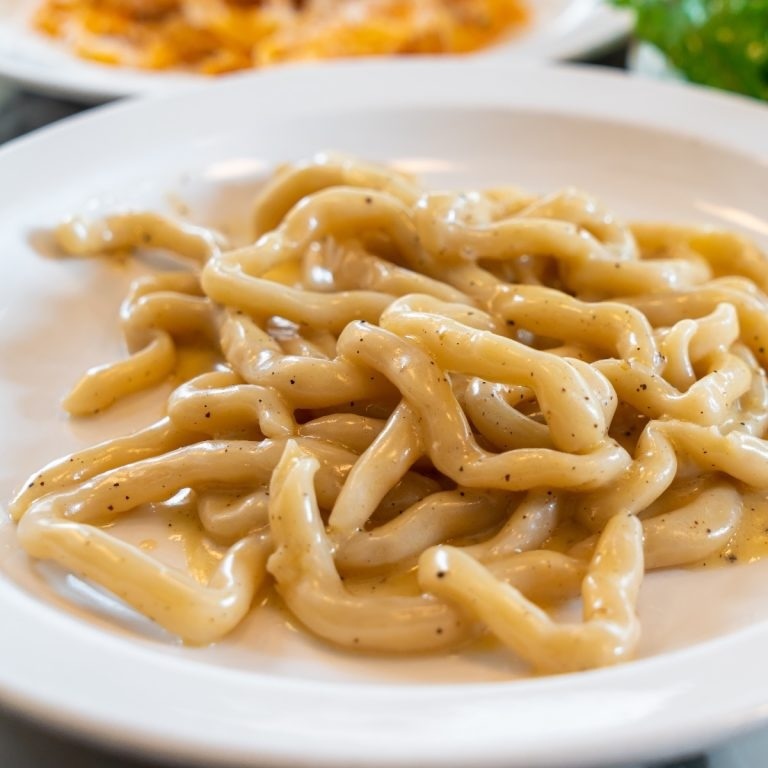
- Pici (Tuscany): Thick, hand-rolled pasta — imagine a fat, rustic spaghetti with irregular thickness throughout. The texture is chewy and satisfying. Traditional with garlic and oil (all'aglione) or a wild boar ragù. Easy to make at home with no equipment beyond your hands.
- Fettuccini (Lazio — Rome): Similar to tagliatelle but slightly wider and thicker, made with egg and flour. Rome's version pairs with Alfredo (butter and Parmigiano) or carbonara. Note: in Rome, Carbonara is served on rigatoni as often as spaghetti — the hollow traps the sauce.
- Strangozzi (Umbria): Long, square-section pasta similar to thick spaghetti. Traditional with black truffle sauce — Umbria's truffle tradition rivals Piedmont's. Also works with simple tomato and meat sauces.
- Orecchiette (Puglia): Small, ear-shaped pasta with a thin center and thicker rim. The cup catches small ingredients — the classic pairing with broccoli rabe and sausage works because the florets and sausage pieces nestle inside each piece. Not interchangeable with smooth pasta for this dish.
- Bucatini (Campania — Naples): Thick spaghetti with a hollow center that runs the full length. The hollow fills with sauce as you eat it — most famously paired with Amatriciana. Requires slightly longer cooking than spaghetti.
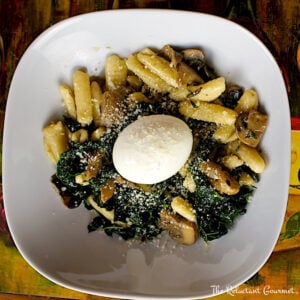
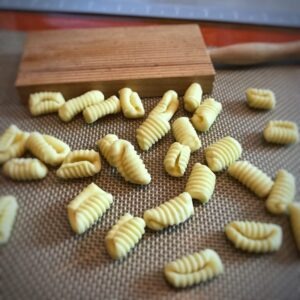
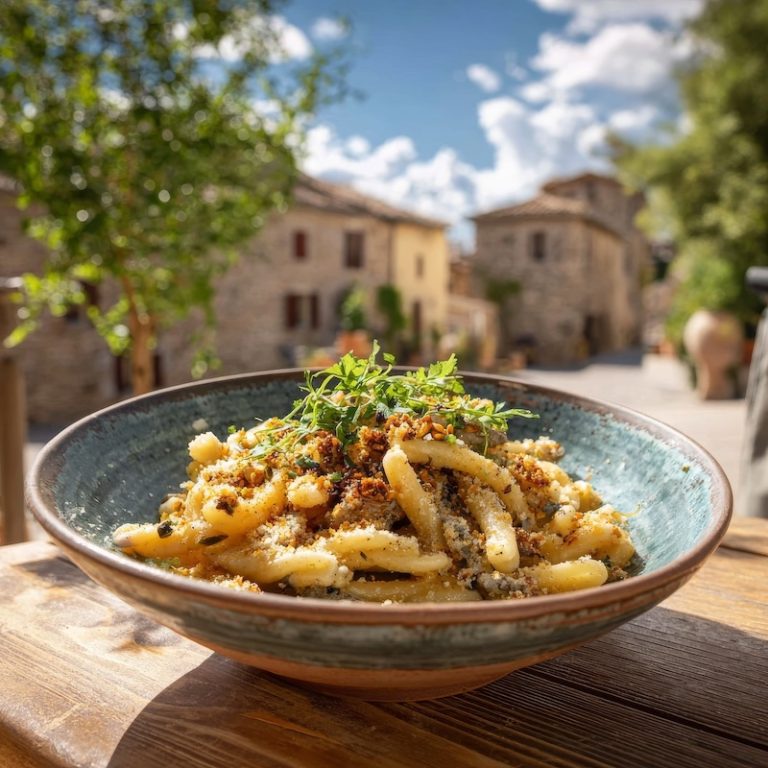
- Cavatelli (Calabria and Southern Italy): Small, curved semolina shells with a rough texture. The curl and rough surface hold chunky tomato sauces and broccoli rabe well. Related to orecchiette but longer and more closed.
- Fileja (Calabria): Hand-rolled spiral pasta made by wrapping dough around a knitting needle or thin rod. The spiral catches spicy 'nduja or pork ragù in every groove. Worth seeking out if you can find it.
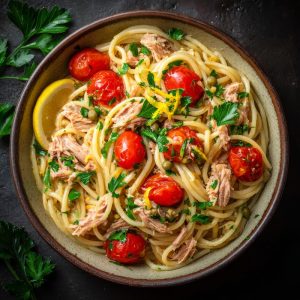
- Busiate (Sicily): Long, corkscrew-twisted pasta traditionally made by wrapping dough around a thin reed. The classic pairing is pesto alla Trapanese — a raw tomato and almond pesto that coats the twists perfectly. Also excellent with sardine sauce.
- Fregula (Sardinia): Toasted semolina balls, irregular in size, resembling large couscous. The toasting adds a nutty depth no other pasta has. Classic preparation is with clams (fregola con arselle) or in a seafood broth. Closer to a grain than traditional pasta in terms of how it behaves in a dish.
Fresh Pasta vs. Dried Pasta: Which to Use When
- Fresh pasta (Northern Italy tradition): Made with soft wheat and eggs. Silky, tender, cooks in minutes. Best with butter, cream, delicate meat sauces, and broth. Emilia-Romagna, Piedmont, Lombardy, and Veneto are the heartland of fresh egg pasta.
- Dried pasta (Southern Italy tradition): Made with durum wheat semolina and water. Firmer, nuttier, holds up to aggressive sauces and longer cooking. The correct choice for most Roman, Neapolitan, Sicilian, and Puglian dishes.
- Fresh is not better than dried. They're different products. Cacio e pepe made with fresh pasta is wrong — not because of a rule, but because the sauce behavior changes completely. Dried pasta's surface and starch content are part of how the sauce emulsifies.
- When fresh is worth making at home: Bolognese, carbonara with homemade tagliatelle, anything stuffed (tortellini, ravioli), tajarin with truffle or good butter. The effort pays off when the pasta itself is the centerpiece.
- When dried is the right call: Amatriciana, cacio e pepe, puttanesca, pasta e fagioli, orecchiette with broccoli rabe, any quick weeknight tomato sauce. Dried pasta isn't a compromise here — it's correct.
How to Choose the Right Pasta at the Store
- Look for bronze-die extruded on the package. Industrial pasta uses Teflon dies that produce a smooth surface. Bronze dies leave a rough, porous surface that catches sauce significantly better. It's usually noted on the label and worth the modest price difference for any sauce-forward dish.
- 100% durum wheat semolina for dried pasta. Cheaper dried pastas use softer wheat, which produces a mushier texture when cooked. The ingredient list should say semolina or durum wheat semolina — nothing else.
- Fresh pasta from the refrigerator case vs. homemade: Store-bought fresh pasta is convenient but often softer and less flavorful than homemade. It's a reasonable shortcut for weeknights. For a dish where fresh pasta is the point — like a proper Bolognese or carbonara — making it yourself or buying from a good pasta shop is worth the effort.
- Dried pasta doesn't mean inferior. For most southern Italian dishes — amatriciana, cacio e pepe, pasta e fagioli — dried durum wheat pasta is not a compromise. It's the correct choice.
- When a specific regional shape isn't available: Use the substitution logic — match by structure. Pici is unavailable? Use thick spaghetti or bigoli. Pizzoccheri is unavailable? Pappardelle won't replicate the buckwheat flavor but will hold the sauce similarly.
How to Cook Regional Pasta Well
- Salt the water properly. Pasta water should taste like mild seawater — roughly 1 tablespoon of kosher salt per 4 quarts of water. This is the only opportunity to season the pasta itself. Under-salted water produces flat pasta regardless of the sauce.
- Reserve pasta water before draining. The starchy cooking water is an emulsifier — it helps fat and water-based sauce components bind together. A splash added to the pan as you finish the pasta can rescue a sauce that's broken or too thick.
- Pull pasta 1–2 minutes before the package time. It will finish cooking in the sauce. This is how al dente actually happens — not by timing the boil precisely, but by finishing in the pan.
- Fresh pasta timing: 1–3 minutes in boiling water. Taste at 60 seconds. It's done when it's tender but still has a slight resistance at the center.
- Dried pasta timing: Package time is a starting point, not a rule. Start tasting 2 minutes before the suggested time. The correct texture depends on your sauce — a sauce that will continue cooking the pasta needs it pulled earlier.
- Match cooking quantity to sauce quantity. A regional pasta dish is typically 80–100g of dried pasta per person as a first course (primo), 100–120g as a main. American portions trend larger — adjust to what makes sense for your meal structure.
What Most Cooks Get Wrong About Regional Pasta
- Treating all long pasta as interchangeable. Spaghetti, bucatini, bigoli, pici, and tagliatelle are all "long pasta" but they behave completely differently with sauces. Bucatini's hollow changes how it eats. Bigoli's rough texture holds dense sauces. Pici's chewiness changes the experience entirely. Shape is not just aesthetic.
- Using smooth pasta where rough is called for. A smooth Teflon-extruded pasta under a chunky ragù means the sauce slides off and pools at the bottom of the bowl. Bronze-die extruded pasta with a rough surface is the right tool for sauce-forward dishes.
- Confusing "authentic" with "better." Tortellini in cream sauce isn't wrong — it's just not traditional. Understanding the original doesn't mean you can't deviate. It means you know what you're deviating from and why.
- Overcooking fresh pasta. Fresh pasta cooks in 1–3 minutes. The window between perfectly cooked and mushy is narrow. Taste early and taste often — you can't un-overcook fresh pasta.
- Not finishing pasta in the sauce. Draining pasta and pouring sauce on top produces a different dish than finishing the pasta in the sauce for the last 1–2 minutes of cooking. The second method lets the pasta absorb sauce and the starchy pasta water helps everything bind together. This is how it's done in every region of Italy.
- Rinsing cooked pasta. Rinsing removes the surface starch that helps sauce adhere. Never rinse pasta unless you're making a cold pasta salad.
Quick Diagnosis: When Your Pasta Dish Isn't Working
- Sauce slides off and pools at the bottom → smooth pasta surface or overcooked pasta → use bronze-die extruded pasta; finish pasta in the sauce with a splash of pasta water
- Pasta tastes waterlogged and bland → not enough salt in the cooking water, or pasta rinsed after draining → pasta water should taste noticeably salty; never rinse
- Chunky sauce ingredients fall off the pasta → wrong shape for the sauce → use a cupped or ridged shape (orecchiette, rigatoni, cavatelli) that can trap pieces
- Fresh pasta turned to mush → cooked too long → fresh pasta needs 1–3 minutes maximum; start tasting at 60 seconds
- Dish feels heavy and stodgy → pasta too thick for the sauce, or overcooked → match pasta weight to sauce weight; pull pasta 1 minute before package time and finish in the sauce
- Sauce too thin and watery → didn't reduce enough, or too much pasta water added → let the sauce reduce further before adding pasta; add pasta water a little at a time
When You Can't Find the Regional Shape: Substitutions That Work
- Pici → thick spaghetti or bigoli: You lose the hand-rolled irregularity but keep the thick, chewy structure. Works for garlic sauces and ragù.
- Bigoli → bronze-die whole wheat spaghetti: The rough texture and slight nuttiness translate reasonably well. A smooth regular spaghetti is a more distant substitute.
- Pizzoccheri → pappardelle: You lose the buckwheat flavor entirely — that's significant. But the wide, flat shape holds the butter and cheese sauce similarly. Consider it a different dish rather than a true substitute.
- Orecchiette → cavatelli or small shells: Both have a cupped structure that catches small ingredients. Not identical but functionally similar for broccoli rabe dishes.
Regional Pasta Cheat Sheet
- Northern Italy (egg-based): Tagliatelle → Bolognese | Tajarin → butter and truffle | Tortellini → broth or simple cream | Pizzoccheri → baked with potato, cabbage, cheese
- Central Italy: Pici (Tuscany) → garlic sauce or wild boar ragù | Fettuccine (Rome) → Alfredo or carbonara | Strangozzi (Umbria) → black truffle
- Southern Italy (durum wheat): Orecchiette (Puglia) → broccoli rabe and sausage | Bucatini (Campania) → Amatriciana | Cavatelli (Calabria) → spicy tomato | Fileja → 'nduja or pork ragù
- Islands: Busiate (Sicily) → pesto Trapanese or sardines | Fregula (Sardinia) → clams or seafood broth
- The rule: heavy sauce → sturdy textured pasta | light sauce → delicate smooth pasta | chunky sauce → cupped or ridged pasta
- Always: salt the water generously, pull pasta 1–2 minutes early, finish in the sauce, never rinse
Explore More on This Topic
- Regional Italian Sauces Explained — How Italy's regional sauces were built to match their pasta — traditions, flavors, and origins from north to south — the companion post to this one: once you know the pasta, here's the sauce logic that goes with it.
- Orecchiette with Sausage and Cherry Tomatoes — See exactly why orecchiette with sausage works — the cup catches every piece — the Puglia shape-sauce pairing in action.
- Bucatini all'Amatriciana — Why the hollow in bucatini matters for Amatriciana — and what unexpected ingredient gives the sauce its edge — Rome's most argued-about pasta dish, done right.
- Tagliatelle with Walnuts and Lemon — A lighter take on Emilia-Romagna's signature pasta — proof that tagliatelle works beyond Bolognese — when the egg ribbon gets a brighter, more delicate treatment.
- Authentic Roman Pasta Carbonara — The step-by-step guide to carbonara — including why dried pasta is non-negotiable here — one of Rome's four classics, explained properly.
- Mastering Pasta Sauces at Home — The technique behind finishing pasta in the sauce — and why it changes the dish completely — where the regional pasta knowledge in this post becomes a repeatable skill.
Frequently Asked Questions
Why do different regions of Italy have different pasta shapes? Geography and local ingredients drove the differences. Northern regions had dairy farms and cooler wheat-growing conditions, which led to the production of egg-based fresh pasta. Southern regions had durum wheat and warmer climates better suited to drying pasta. Each shape also evolved to work with locally available sauces — the shape and the sauce developed together, not separately.
What is the most famous pasta from Emilia-Romagna? Tagliatelle and tortellini are both from Emilia-Romagna and both are iconic. Tagliatelle with Bolognese ragù is so specifically associated with the region that the Bolognese Academy of Cuisine formally registered the correct width — 8mm when cooked — with the Chamber of Commerce in 1972. Tortellini in brodo (in broth) is the traditional Christmas preparation.
What is the difference between fresh and dried pasta? Fresh pasta is made with soft wheat flour and eggs, producing a silky, tender texture best suited to butter, cream, and delicate meat sauces. Dried pasta is made with durum wheat semolina and water — firmer, nuttier, and designed for heavier, more aggressive sauces. One is not better than the other; they suit different dishes.
What pasta is traditional in Rome? Rome’s four classic pasta dishes — cacio e pepe, carbonara, Amatriciana, and gricia — each have a traditional pairing. Cacio e pepe and carbonara work on spaghetti or rigatoni. Amatriciana is traditionally on bucatini. Gricia on rigatoni or spaghetti. The common thread: dried durum wheat pasta with enough texture to hold rich, emulsified sauces.
What makes orecchiette the right shape for broccoli rabe? The small cup of each orecchiette catches broccoli florets and sausage pieces — the ingredients literally nestle inside the pasta. A smooth, long pasta would separate the components rather than unify them. This is the regional pasta logic at work: the shape was designed around the available ingredients.
Is bucatini just spaghetti with a hole in it? Functionally, yes — but the hollow changes how it eats. The tube fills with sauce as you eat, so each bite delivers sauce from both the outside and the inside of the pasta. It also requires slightly longer cooking than spaghetti of a similar diameter. It’s the traditional shape for Amatriciana for a reason — the sauce gets inside.
What is Fregula, and how is it different from couscous? Fregula is a Sardinian pasta made from semolina that’s been rolled into small balls and toasted. The toasting adds a nutty, slightly smoky depth that couscous doesn’t have. It’s also slightly larger and more irregular than couscous. In a brothy seafood dish, it absorbs liquid while staying slightly firm — closer to a small pasta than a grain in terms of how it behaves.
Can I substitute any long pasta for spaghetti? For most dishes, yes — with caveats. Thick spaghetti substitutes like bigoli or pici significantly change the texture and sauce-holding properties. Bucatini changes the eating experience (the hollow matters). Thin pastas like angel hair or capellini work with very light sauces only. For an everyday tomato sauce, most long dried pasta works. For a specific regional dish, the shape was chosen for a reason worth respecting.
What pasta should a beginner start with? Dried durum wheat spaghetti or rigatoni covers the widest range of dishes and is the most forgiving to cook. Once you understand how to finish pasta in sauce and use pasta water properly, branch out to regional shapes that interest you. Pici is also worth trying early — it’s the most approachable fresh pasta to make at home, requiring no equipment.