
Fast Answer
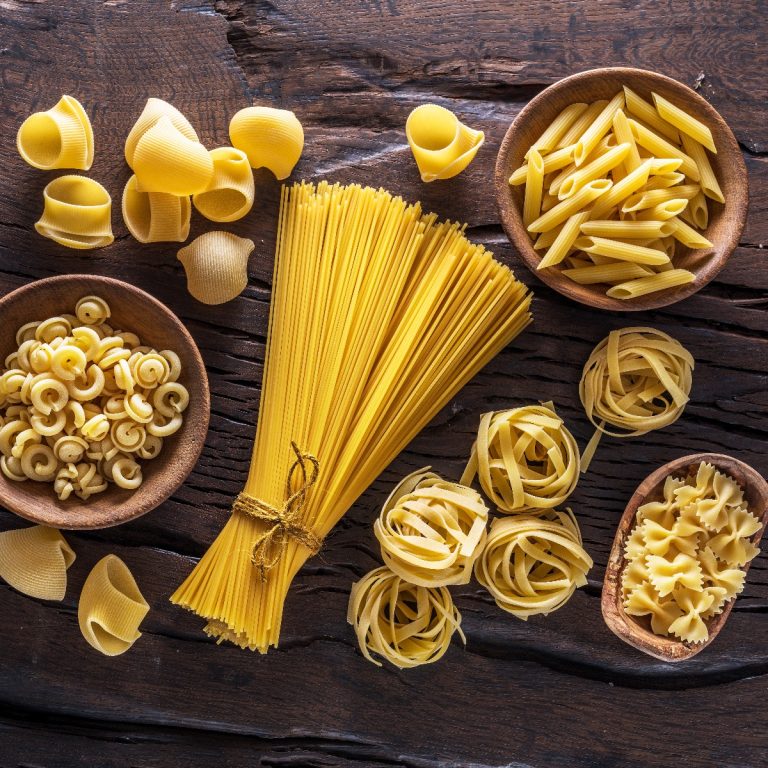
Most pasta shapes can be substituted within their category — long for long, tube for tube, cupped for cupped — because shapes in the same category behave similarly with sauce. The swap fails when you cross categories: a smooth thin pasta can't do what a ridged tube does, and vice versa.
Match Your Pasta Shape to the Perfect Sauce
Pasta shapes aren’t arbitrary. Every curve, ridge, hollow, and cup was designed to interact with a specific kind of sauce — and that’s the key to making smart swaps.
You don’t need to memorize 40 shapes. You need to understand four things: surface texture, thickness, structure, and whether the shape can hold sauce inside it or only on the outside.
This guide covers every major pasta shape, its best sauce match, and the smartest swap when you don’t have what the recipe calls for.
Start Here: How to Think About Pasta Substitutions
- Swap within categories, not across them. Long pasta swaps with long pasta. Short tubes swap with short tubes. Cupped shapes swap with cupped shapes. Cross-category swaps usually fail because the sauce behavior changes too dramatically.
- Surface texture is the most important variable. A rough, bronze-die extruded surface catches sauce in a way that a smooth Teflon-extruded surface doesn't — even on the same shape. This matters more than most people realize.
- The swap isn't always equal. Some substitutions are near-identical. Others change the dish noticeably. This guide flags which swaps are transparent and which ones shift the experience.
- Thickness and cook time travel together. When you swap shapes, check cooking times — a thick tube and a thin tube with the same sauce behave very differently in the pot. Adjust your timing accordingly.
- When no swap works: A few shapes are genuinely hard to replicate — buckwheat pizzoccheri, hand-rolled pici, and stuffed pasta like tortellini don't have real equivalents. In those cases, this guide tells you what the closest option is and what you'll lose.
Think Like a Cook: The Four Questions Before Any Swap
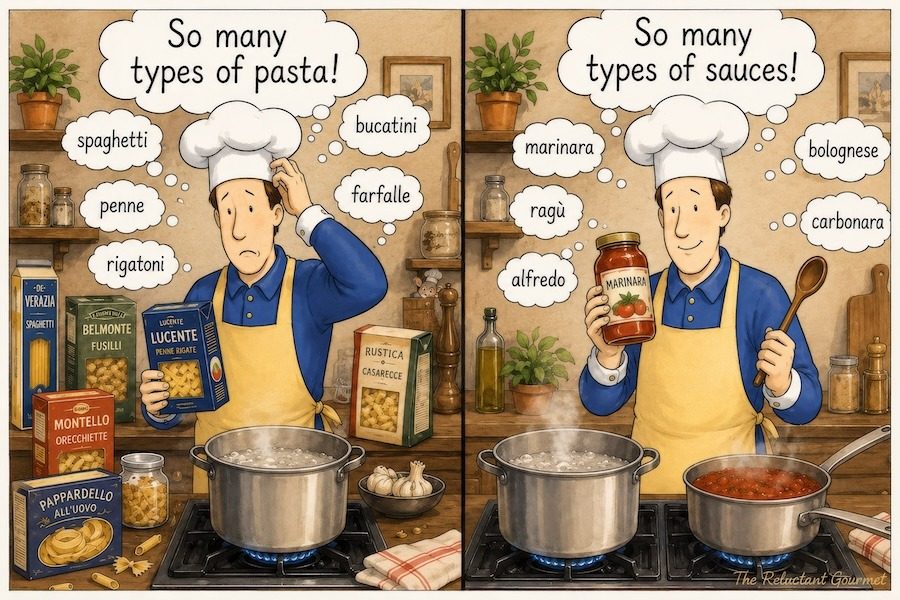
- Before swapping a pasta shape, ask four questions in order:
- 1. Is my sauce light or heavy? Light sauces (olive oil, butter, delicate seafood) need thin or smooth pasta. Heavy sauces (ragù, cream, baked dishes) need sturdy, textured pasta that won't disappear.
- 2. Is my sauce smooth or chunky? Smooth sauces work with almost any shape. Chunky sauces need a shape that can trap the pieces — ridged, cupped, or hollow.
- 3. Does the recipe need the pasta to hold sauce inside it? If yes, you need a hollow shape. No hollow shape available? The dish will still work but will eat differently.
- 4. Am I staying in the same category? Long for long, short tube for short tube, stuffed for stuffed. Cross-category swaps are the ones that fail most often.
- Answer those four questions and you can make a confident swap for almost any recipe without consulting a chart.
The Five Pasta Categories and How Each One Behaves
- Long pasta (spaghetti, linguine, fettuccine, tagliatelle, pappardelle, bucatini, pici): Coats with sauce rather than trapping it. Thin and smooth works with light, silky sauces. Wide and flat works with creamy or meaty sauces. Thick and rough works with bold, hearty sauces. Swap freely within this category — match width and thickness.
- Short tubes (penne, rigatoni, ziti, paccheri, cavatappi): Sauce goes inside and outside. Ridges catch more sauce than smooth tubes. The larger the tube, the chunkier the sauce can be. Rigatoni, penne, and ziti are nearly interchangeable for most recipes.
- Cupped and twisted shapes (orecchiette, conchiglie, fusilli, rotini, gemelli, cavatelli): Physically traps sauce and small ingredients. Essential for dishes where ingredients need to nestle inside the pasta. Swap within this group — fusilli for rotini, orecchiette for cavatelli.
- Soup and small shapes (orzo, ditalini, stelline, anellini, fregola): Designed to cook in and absorb broth. Not interchangeable with standard pasta categories — using them outside soup context usually produces an odd result. Orzo is the most versatile exception.
- Stuffed pasta (ravioli, tortellini, agnolotti, manicotti, cannelloni): The filling IS the point — the sauce complements, not competes. Swap only with other stuffed shapes of similar size. Light sauces (butter, broth, light cream) work best; heavy sauces overpower the filling.
Pasta Categories: Sauce Types and Why Each Pairing Works
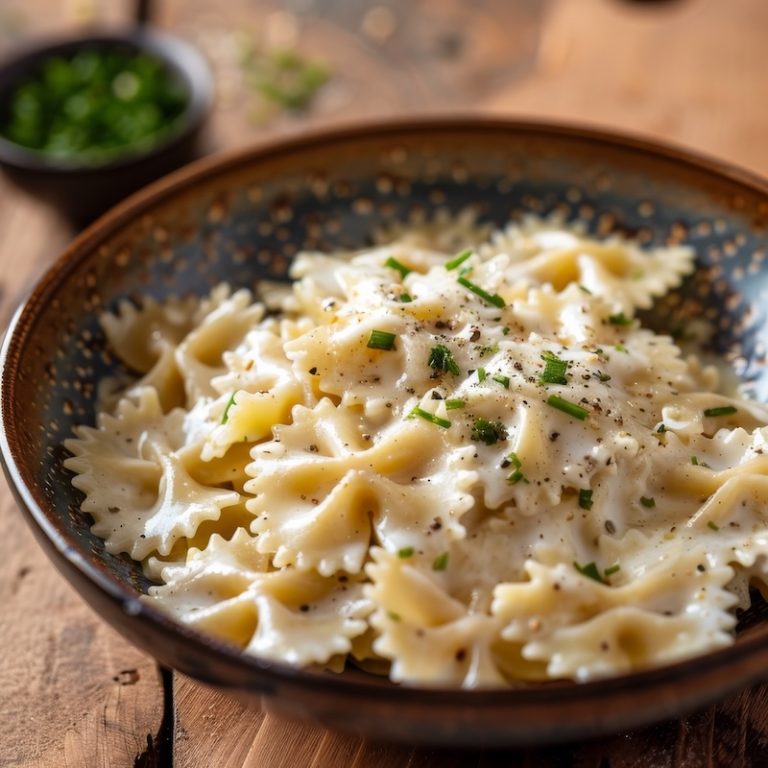
- Long pasta (spaghetti, linguine, fettuccine, bucatini): Best with oil-based, light tomato, seafood, and cream sauces. Long, smooth strands coat easily with silky sauces that cling without weighing them down. Width of the pasta should match weight of the sauce.
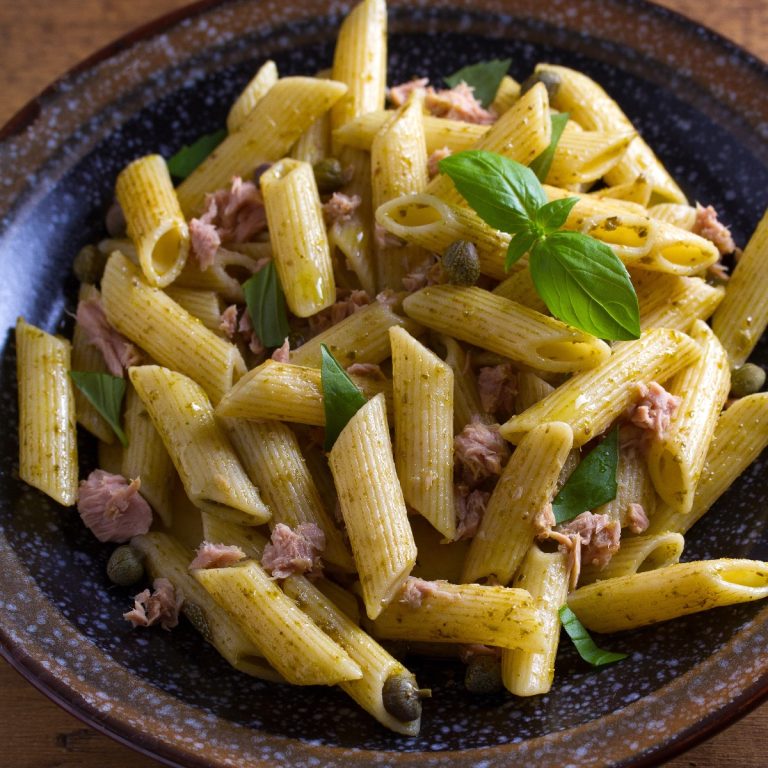
- Short ridged pasta (penne, rigatoni, fusilli, cavatappi): Best with chunky tomato, meat, pesto, and cheesy sauces. Ridges, tubes, and spirals trap sauce inside and around the shape — maximum flavor in every bite.
- Soup pasta (ditalini, orzo, stelline, anellini): Best in broth-based soups and light tomato broths. Small shapes stay suspended in broth and allow scoopable bites without overpowering the liquid.
- Stuffed pasta (ravioli, tortellini, manicotti, cannelloni): Best with light butter sauces, cream, or broth. The sauce complements the filling rather than competing with it. Broth keeps delicate shapes intact and allows the filling to shine.
- Specialty and shaped pasta (orecchiette, conchiglie, cavatelli, paccheri): Best with vegetable ragùs, rich tomato, and creamy cheese sauces. Unique folds, ridges, or cups hold big flavors and distribute ingredients evenly throughout the dish.
Choosing Pasta at the Store: What Actually Matters
- Look for "bronze die" or "trafilata al bronzo" on the label. This means the pasta was extruded through bronze dies, which leaves a rough, porous surface that grips sauce. It usually costs a little more and is worth it for any sauce-forward dish.
- 100% durum wheat semolina. Cheaper pasta uses softer wheat — it cooks up mushier and holds sauce less effectively. The ingredient list should say semolina or durum wheat semolina and nothing else.
- Italian import vs. domestic: Several domestic brands now match or beat Italian imports in quality. Brand matters more than country of origin. De Cecco, Rustichella d'Abruzzo, and Setaro are consistently excellent imports. Jovial and Banza are worth knowing domestically.
- When the exact shape isn't available: Use this guide's category logic — find a shape in the same category with similar surface texture and thickness. That's a better swap than grabbing whatever's on the shelf without thinking.
Pasta Shape - Swaps- Sauces - Whys
Type any pasta shape to see its best sauce pairings and what to use when you don't have it. Use the toggle to switch between two modes depending on your situation.
I have this pasta — show me what sauces work and what to use if a recipe calls for something else.
What Most Cooks Get Wrong About Pasta Substitutions
- Swapping long pasta for short pasta (or vice versa). This is the most common mistake. Spaghetti and penne are not interchangeable — they're in entirely different categories with different sauce behaviors. A ragù that works on rigatoni becomes slippery and awkward on spaghetti.
- Ignoring surface texture when swapping. Smooth penne and ridged penne rigate look similar but behave differently — the ridged version holds significantly more sauce. If the dish is sauce-forward, the texture of the surface matters as much as the shape.
- Using stuffed pasta as a substitute for any short pasta. Stuffed pasta has a filling that changes the entire flavor balance. It's not a swap for plain pasta — it's a different dish.
- Assuming thinner pasta cooks faster and can be swapped without adjusting time. Different shapes have very different cooking times even within the same category. Always check the package and taste early — especially when swapping to an unfamiliar shape.
- Swapping fresh pasta for dried in a dish built around dried pasta. Cacio e pepe, carbonara, and Amatriciana rely on the starch behavior of dried durum wheat pasta to emulsify the sauce. Fresh pasta produces a different — and in these cases, worse — result.
Quick Diagnosis: When Your Pasta Swap Isn't Working
- Sauce pools at the bottom of the bowl → pasta too smooth or wrong category → swap to a ridged or cupped shape; finish pasta in the sauce with pasta water
- Pasta disappeared into the sauce → shape too delicate or thin for the sauce weight → use a sturdier, thicker shape next time
- Chunky ingredients all at the bottom → long or smooth pasta can't trap them → use orecchiette, conchiglie, or cavatelli — shapes that cup around solid ingredients
- Dish feels too heavy or stodgy → shape too thick for the sauce → move to a thinner or lighter shape in the same category
- Pasta overcooked during the swap → different shapes have different timing → taste 2 minutes before package time; finish in the sauce, not just in the water
- Stuffed pasta swap made the dish taste wrong → filling is competing with the sauce → stuffed pasta needs lighter sauces; or swap back to plain pasta
How to Execute a Pasta Swap Successfully
- Check the cook time before anything else. Different shapes in the same category can vary by 4–6 minutes. Swapping rigatoni for penne sounds simple until you realize your penne cooks in 10 minutes and your rigatoni takes 14.
- Adjust sauce quantity for larger shapes. A larger tube like paccheri or rigatoni has more interior surface area than penne — the same amount of sauce may not coat it adequately. Make a little extra or reduce more aggressively.
- Finish in the sauce regardless of shape. Pull pasta 1–2 minutes before package time and finish in the pan with the sauce and a splash of pasta water. This works for every shape and produces better results than draining and topping.
- Salt the water properly every time. This doesn't change with the swap, but it's the step most people under-do regardless of shape. Pasta water should taste mildly salty — roughly 1 tablespoon of kosher salt per 4 quarts.
- When baking pasta (ziti, manicotti, cannelloni): Under-cook the pasta by 3–4 minutes before baking — it will continue cooking in the oven in the sauce. This applies to whatever shape you're swapping in.
Pasta Shapes - Cling- Texture- Sauce Pairings
| Pasta Shape | Category | Sauce Cling | Texture / Bite | Best Sauce Pairing |
|---|---|---|---|---|
| Agnolotti | Stuffed | Encases sauces inside | Soft with tender edges | Brown butter & sage |
| Anellini | Soup/Short | Light cling | Soft, tiny rings | Tomato broth |
| Bucatini | Long | Hollow tube holds sauce | Chewy and thick | Amatriciana |
| Calamarata | Short | Holds chunky sauces | Thick, ring-shaped | Seafood sauces |
| Cannelloni | Stuffed | Filled with heavy sauces | Soft after baking | Bolognese & béchamel |
| Capanelli | Short | Good with thick sauces | Firm bite | Hearty meat sauces |
| Cappelletti | Stuffed | Great with broth & cream | Tender pockets | Brodo (broth) |
| Cavatappi | Short | Ridges grab sauce well | Springy corkscrew bite | Cheese & creamy sauces |
| Cavatelli | Short | Deep grooves catch sauce | Dense and chewy | Pesto or sausage ragù |
| Conchiglie | Short | Holds chunky fillings | Soft outside, firm inside | Tomato, meat, cheese sauces |
| Ditale | Soup/Short | Light cling | Small and firm | Minestrone |
| Ditalini | Soup/Short | Broth-friendly | Small tubes | Pasta e fagioli |
| Farfalle | Short | Clings in center pinch | Firm in the middle | Cream sauces or pesto |
| Fettuccine | Long | Clings to creamy sauces | Wide and tender | Alfredo or bolognese |
| Fideo | Soup/Long | Light cling | Soft strands | Tomato-based soups |
| Fusilli | Short | Spirals trap sauces | Chewy and springy | Pesto or tomato-basil |
| Garganelli | Short | Ridges hold sauce | Firm tube | Prosciutto & cream |
| Gemelli | Short | Twists catch sauce | Compact and chewy | Pesto |
| Gnocchi | Dumpling | Coats thick sauces | Soft and pillowy | Gorgonzola or brown butter |
| Lasagna | Long Sheets | Layer absorbs sauce | Soft, wide layers | Layered bolognese & ricotta |
| Linguine | Long | Good for silky sauces | Flat with light chew | Seafood or clam sauce |
| Macaroni | Short | Holds cheese sauces | Soft tube bite | Cheddar cheese sauce |
| Mafaldine | Long | Ruffled edges catch sauce | Ribbon-like and firm | Ragù or mushroom sauce |
| Manicotti | Stuffed | Holds fillings, baked sauces | Tender and soft | Ricotta & marinara |
| Orecchiette | Short | Cups sauce inside | Chewy and dense | Sausage & broccoli rabe |
| Orzo | Soup/Short | Light sauce coat | Tender rice-like shape | Lemon-butter or broth |
| Paccheri | Short | Grabs chunky sauces | Thick large tubes | Seafood ragù |
| Pasta Mista | Mixed | Varied cling | Varied bite | Vegetable sauces |
| Penne | Short | Ridges hold sauce | Firm angled tubes | Vodka sauce or arrabbiata |
| Pici | Long | Coats rustic sauces | Thick and chewy | Cacio e Pepe |
| Radiatori | Short | Catches thick sauces | Ruffled and springy | Chunky vegetable sauces |
| Ravioli | Stuffed | Sauce complements fillings | Pillowy pockets | Light tomato or cream |
| Rigatoni | Short | Ridges + hollow = strong cling | Hearty, chewy tube | Bolognese or sausage sauce |
| Rotelle | Short | Holds in spokes | Fun firm shape | Cheesy tomato sauce |
| Rotini | Short | Curves hold sauces | Springy twists | Pasta salads & vinaigrettes |
| Spaghetti | Long | Best with smooth sauces | Classic light chew | Marinara or carbonara |
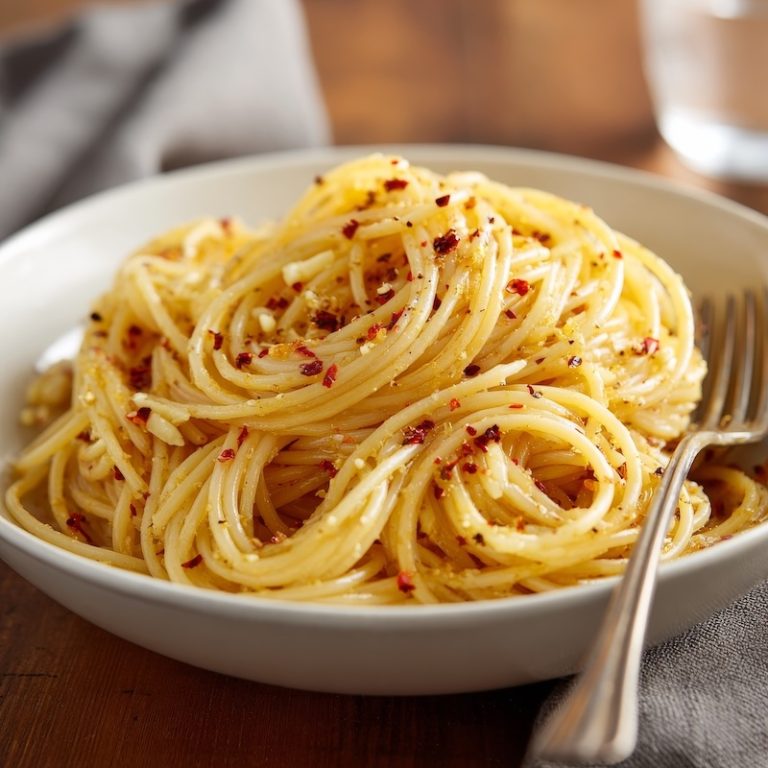
| Spaghettini | Long | Light cling | Thinner & quicker | Aglio e olio |
| Stelline | Soup | Very light cling | Tiny soft stars | Light broth |
| Tagliatelle | Long | Ideal for meat sauces | Ribbon-like bite | Bolognese |
| Taglierini | Long | Light cling | Delicate ribbons | Butter & truffle |
| Tortellini | Stuffed | Stores flavor inside | Chewy small rings | Brodo or cream |
| Tortiglioni | Short | Deep ridges grab sauce | Extra chewy tubes | Hearty tomato sauces |
| Trofi | Short | Twists adhere to pesto | Dense and rustic | Pesto (especially basil) |
| Trofie | Short | Ideal for clingy sauces | Twisted, chewy | Pesto Genovese |
| Vermicelli | Long | Light cling | Very thin strands | Light tomato sauces |
| Ziti | Short | Tube holds sauce internally | Soft when baked | Baked ziti with ricotta |
| Zucchette | Short | Holds chunky sauces | Pumpkin-shaped bite | Vegetable ragù |
How to Execute a Pasta Swap Successfully
- Check the cook time before anything else. Different shapes in the same category can vary by 4–6 minutes. Swapping rigatoni for penne sounds simple until you realize your penne cooks in 10 minutes and your rigatoni takes 14.
- Adjust sauce quantity for larger shapes. A larger tube like paccheri or rigatoni has more interior surface area than penne — the same amount of sauce may not coat it adequately. Make a little extra or reduce more aggressively.
- Finish in the sauce regardless of shape. Pull pasta 1–2 minutes before package time and finish in the pan with the sauce and a splash of pasta water. This works for every shape and produces better results than draining and topping.
- Salt the water properly every time. This doesn't change with the swap, but it's the step most people under-do regardless of shape. Pasta water should taste mildly salty — roughly 1 tablespoon of kosher salt per 4 quarts.
- When baking pasta (ziti, manicotti, cannelloni): Under-cook the pasta by 3–4 minutes before baking — it will continue cooking in the oven in the sauce. This applies to whatever shape you're swapping in.
Worth the Upgrade? Premium Pasta vs. Supermarket Brands
- Worth it: Bronze-die extruded pasta for any sauce-forward dish — the rough surface holds sauce measurably better. Brands like Rustichella d'Abruzzo, De Cecco, and Setaro are 2–3x the price of budget pasta and noticeably better in texture and flavor. Worth it for a simple cacio e pepe or aglio e olio where there's nowhere for mediocre pasta to hide.
- Not worth it: Premium pasta in a heavily sauced, baked, or spiced dish where the pasta is playing a supporting role. A box of De Cecco rigatoni in a lasagna-adjacent baked dish with lots of cheese, meat, and sauce — the premium doesn't survive the oven. Use your good pasta for simple preparations.
Explore More on This Topic
- Regional Italian Pasta Guide — Why Italian pasta shapes were built for specific sauces — and what each region's tradition tells you about how to cook — the companion post that explains the logic behind every shape in this guide.
- Bucatini all'Amatriciana — Why bucatini is the right shape for Amatriciana — and what makes this Roman classic work — the hollow tube in action, with a recipe worth making.
- Orecchiette with Sausage and Cherry Tomatoes — See exactly why orecchiette with sausage works — the cup catches every piece — the Puglia shape-sauce pairing where substituting a smooth pasta genuinely changes the dish.
- Cacio e Pepe — One of the four Roman classics — and a dish where dried pasta and surface texture make or break the sauce — the recipe that makes the case for bronze-die pasta most clearly.
- Authentic Roman Pasta Carbonara — Why dried pasta is non-negotiable for carbonara — and how the starch behavior changes everything — the clearest example of why fresh pasta can't always substitute for dried.
- Mastering Pasta Sauces at Home — The technique behind finishing pasta in the sauce — and why it produces a different dish than draining and topping — where shape knowledge becomes a repeatable cooking skill.
- Regional Italian Sauces Explained — How Italy's regional sauce traditions developed alongside their pasta shapes — the full sauce picture to go with the shape guide.
Pasta Substitution Cheat Sheet
- Rule 1: Swap within categories — long for long, tube for tube, cupped for cupped
- Rule 2: Match sauce weight to pasta thickness — heavy sauce needs sturdy pasta
- Rule 3: Chunky sauce needs a ridged, hollow, or cupped shape to trap it
- Rule 4: Surface texture matters — ridged and rough holds more sauce than smooth
- Closest swaps: Spaghetti ↔ Linguine | Penne ↔ Rigatoni | Fusilli ↔ Rotini | Orecchiette ↔ Cavatelli | Fettuccine ↔ Tagliatelle | Macaroni ↔ Small shells
- Swaps that change the dish noticeably: Bucatini → Spaghetti (loses the hollow) | Pici → Spaghetti (loses chew and thickness) | Any stuffed pasta swap
- Always: Check cook times when swapping, finish pasta in the sauce, never rinse
Frequently Asked Questions
Can I substitute any pasta shape for another? Within the same category, usually yes — with caveats about surface texture and thickness. Long pasta swaps with long pasta, tubes with tubes, cupped shapes with cupped shapes. Cross-category swaps are where dishes go wrong: spaghetti can’t do what rigatoni does, and vice versa.
What is the best substitute for bucatini? Spaghetti is the most common swap and works well — the dish will be slightly different because you lose the hollow center that fills with sauce as you eat. Perciatelli is essentially the same pasta under a different name. For Amatriciana specifically, rigatoni is a frequently used Roman alternative that works because the hollow traps the sauce differently but still effectively.
Can I use penne instead of rigatoni? Yes — these are among the closest swaps in pasta. Rigatoni is larger with more interior space for sauce, so a thick meat sauce or chunky ragù works slightly better on rigatoni. For most weeknight pasta dishes, the swap is transparent. Use penne rigate (ridged) rather than smooth penne for better sauce adhesion.
What can I substitute for orecchiette? Cavatelli is the closest — similar cupped structure, similar density, catches ingredients similarly. Small conchiglie (shells) work well too. For the broccoli rabe and sausage pairing specifically, the cup is important — a long pasta or smooth tube won’t hold the florets and sausage pieces the same way.
Is fresh pasta a good substitute for dried pasta? Not universally. For dishes built around dried pasta’s specific starch behavior — cacio e pepe, carbonara, Amatriciana — fresh pasta produces a different and usually worse result. The sauce emulsification depends on dried pasta’s surface and starch content. For dishes where pasta is a neutral vehicle for sauce, fresh pasta can substitute.
What pasta works best for baked dishes? Tubes and ridged short pasta — rigatoni, ziti, penne rigate, cavatappi. The tube holds sauce inside during baking and the ridges grip it on the outside. Critically: under-cook by 3–4 minutes before baking. The pasta continues cooking in the oven in the sauce and will turn mushy if it goes in already fully cooked.
What is the best substitute for angel hair pasta? Vermicelli is essentially the same pasta. Thin spaghetti (spaghettini) is a step up in thickness and slightly more forgiving. Note that angel hair and its substitutes only work with very light sauces — oil-based, light tomato, or delicate seafood. A heavy sauce collapses this pasta immediately.
Why does it matter if pasta is bronze-die extruded? Bronze dies leave a rough, porous surface on the pasta. Teflon dies leave a smooth, almost glossy surface. The rough surface catches and holds sauce — particularly oil-based and cream sauces — significantly better. For simple pasta dishes with few ingredients, this difference is clearly noticeable. For heavily sauced baked dishes, it matters less.