
From Pesto to Ragù: Exploring Italy’s Famous Regional Sauces
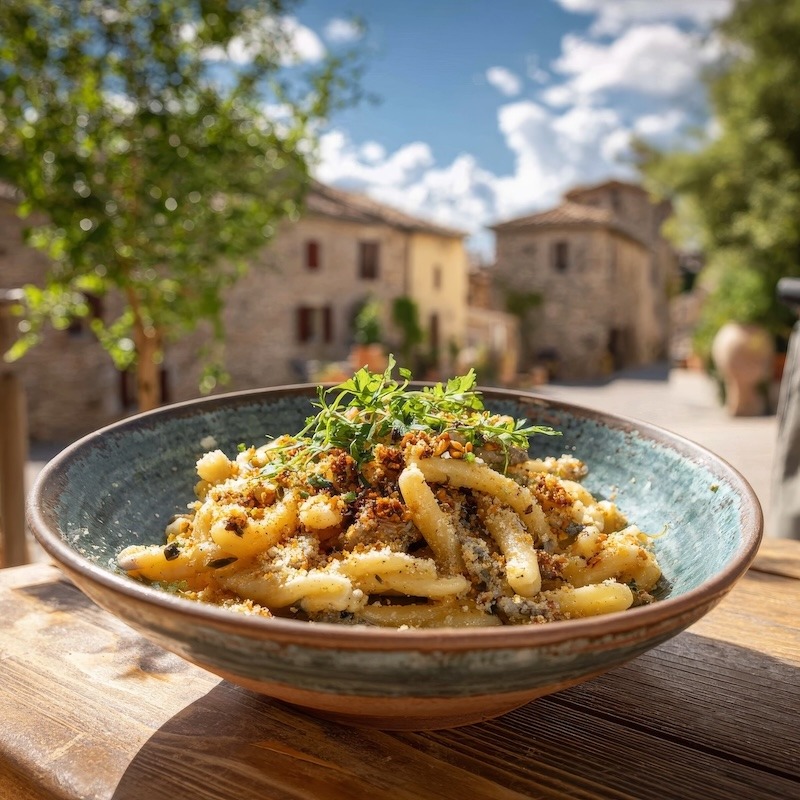
Italy’s food is a vibrant celebration of regional flavors and traditions. Each region offers unique pasta shapes and sauces, shaped by local ingredients and history.
From the rich, creamy sauces of the north to the spicy, tomato-based flavors of the south, Italian cuisine reflects its diverse landscapes and cultures.
Understanding this regional variety helps you appreciate Italy beyond the well-known dishes. Sauces like Ligurian pesto or Roman cacio e pepe tell stories of place and people. Similarly, pasta shapes—from Piedmont’s tajarin to Puglia’s orecchiette—showcase local craftsmanship and taste.
In this article, you will explore Italian sauces by region. You’ll learn how geography, climate, and culture influence ingredients and cooking styles. This knowledge can inspire your cooking, letting you recreate authentic dishes with confidence.
Whether you’re a home cook or a food lover, you’ll discover new flavors and traditions. You’ll see how sauces and pasta pair perfectly within their regions. By the end, you’ll gain a deeper respect for Italian food and maybe even your next favorite recipe. Let’s dive into Italy’s rich culinary map and uncover what makes each region’s sauces so special.
Italian Sauces By Region
| Region | City/Area | Sauce Name | Description |
|---|---|---|---|
| Northern Italy | Liguria | Pesto alla Genovese | Fresh basil, pine nuts, garlic, Parmesan, Pecorino cheese, and olive oil blended into a fragrant, green sauce. |
| Piedmont | Bagna Cauda (Hot Bath) | A warm, garlicky anchovy and olive oil dip/sauce, traditionally served with raw or cooked vegetables. | |
| Lombardy | Burro e Salvia (Butter and Sage) | Simple sauce of melted butter infused with fresh sage leaves, often served with stuffed pastas like ravioli. | |
| Veneto | Salsa di Noci (Walnut Sauce) | Creamy sauce made with ground walnuts, garlic, milk or cream, often paired with pasta like pansoti. | |
| Central Italy | Emilia-Romagna | Ragù alla Bolognese | Slow-cooked meat sauce with ground beef/pork, soffritto, tomato, wine, and milk or cream. |
| Lazio (Rome) | Amatriciana | Tomato-based sauce with guanciale (cured pork cheek), pecorino cheese, and chili flakes. | |
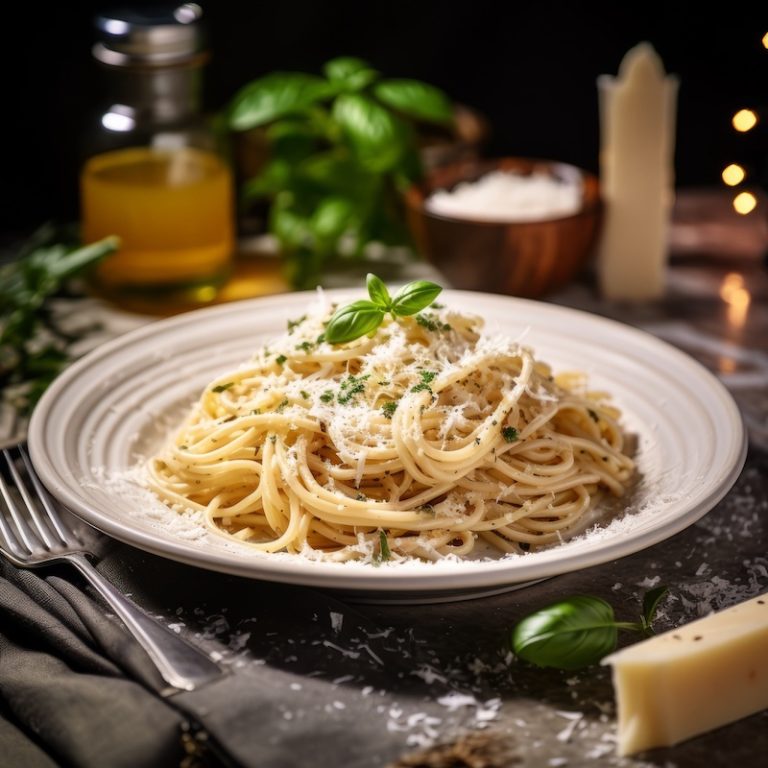
| Lazio (Rome) | Cacio-e-Pepe (Cheese and Pepper) | Simple, creamy sauce made with Pecorino Romano cheese and freshly ground black pepper. | |
| Tuscany | Sugo di Fegatini (Chicken Liver Sauce) | Rich sauce made from chicken livers, onions, capers, anchovies, and tomatoes, often served with pici pasta. | |
| Umbria | Salsa di Tartufo (Truffle Sauce) | Luxurious sauce made with truffle, butter, and sometimes cream or cheese, reflecting the region’s truffle harvest. | |
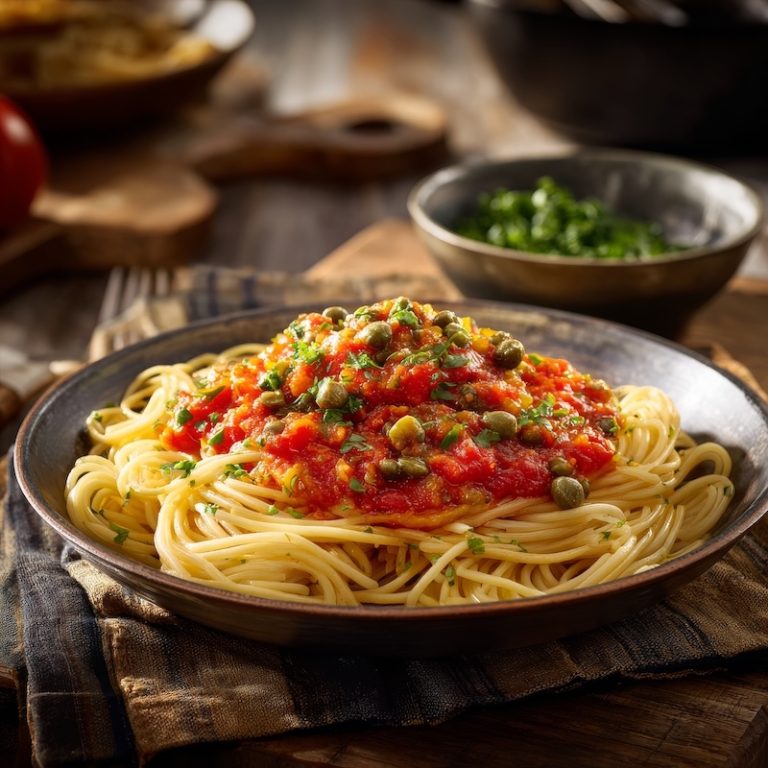
| Southern Italy | Campania (Naples) | Sugo di Pomodoro (Tomato Sauce) | Classic fresh tomato sauce with garlic, basil, and olive oil, foundational to many southern pasta dishes. |
| Calabria | Sugo alla 'Nduja | Spicy sauce made with 'nduja (spreadable spicy pork sausage), tomatoes, and chili peppers. | |
| Puglia | Salsa di Peperoncino | Simple spicy chili pepper sauce using olive oil, garlic, and local hot peppers. | |
| Campania | Ragù Napoletano | Slow-cooked meat sauce distinct from Bolognese, using larger meat cuts simmered in tomato sauce. | |
| Calabria | Salsa di Melanzane (Eggplant Sauce) | Rich sauce made from roasted or fried eggplants, garlic, tomatoes, and herbs. | |
| Basilicata | Salsa di Peperoni Cruschi | Sauce made from crunchy fried sweet red peppers unique to the region, often blended with olive oil and garlic. | |
| Islands | Sicily | Pesto alla Trapanese | A Sicilian twist on pesto using almonds, tomatoes, garlic, basil, and pecorino cheese. |
| Sicily | Salsa di Ricotta e Menta | Creamy sauce made from ricotta cheese and fresh mint, often served with pasta like busiate. | |
| Sardinia | Fregula con Sugo di Pecora | Sardinian pasta (fregula) served with a slow-cooked sheep meat sauce. | |
| Sicily | Sugo di Sarde (Sardine Sauce) | Traditional Sicilian sauce with sardines, fennel, pine nuts, raisins, and saffron. |



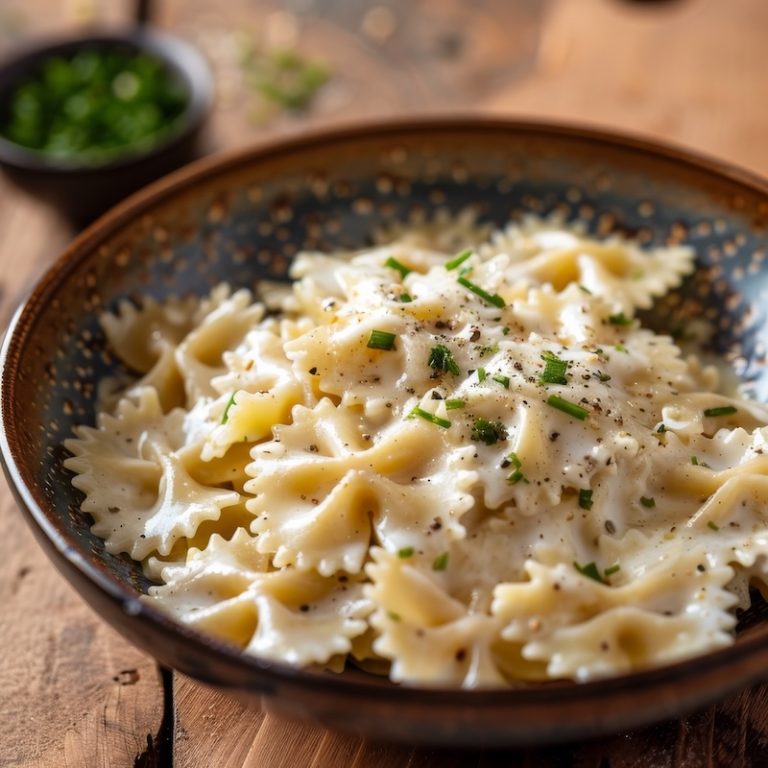

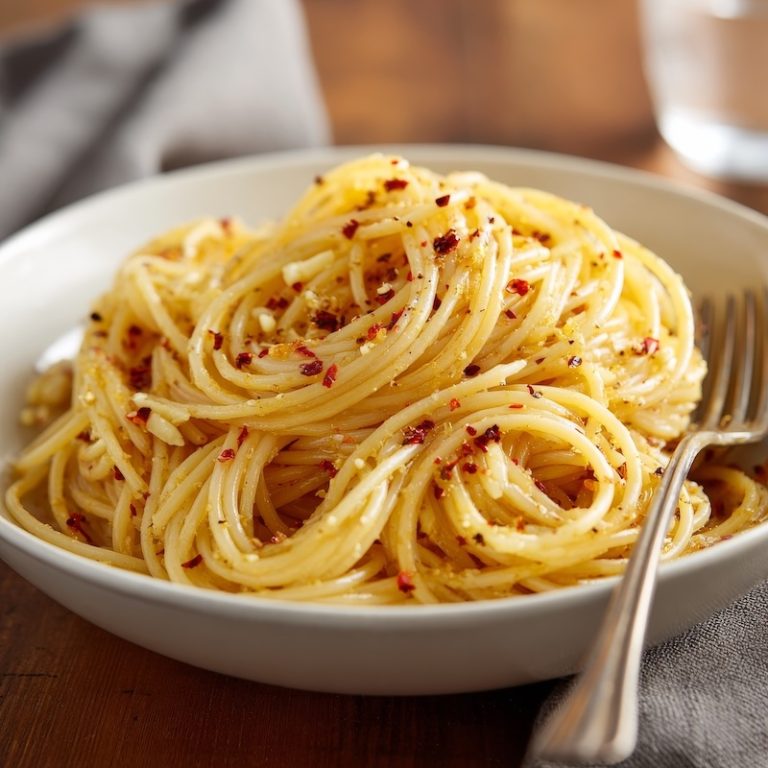

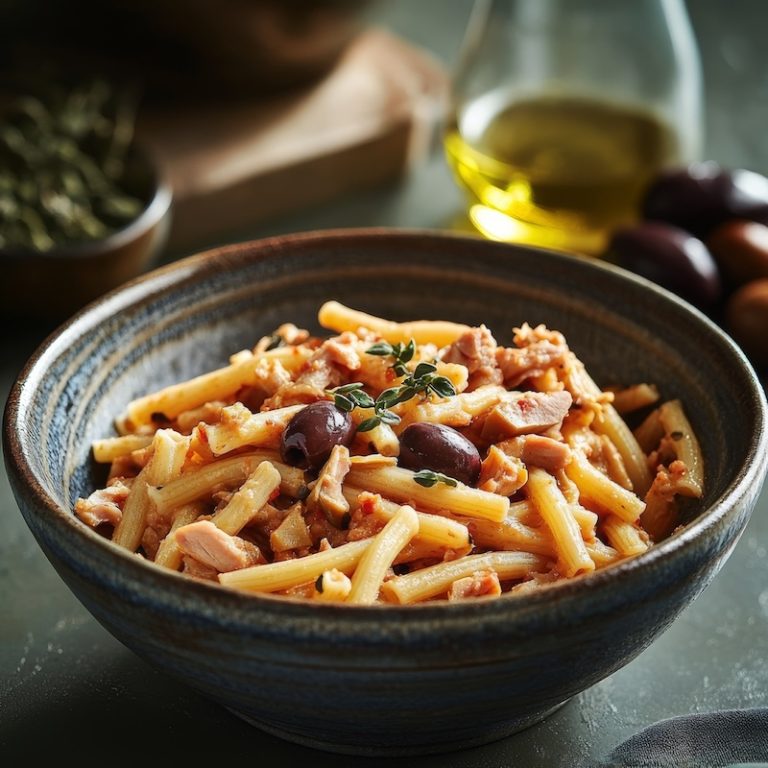

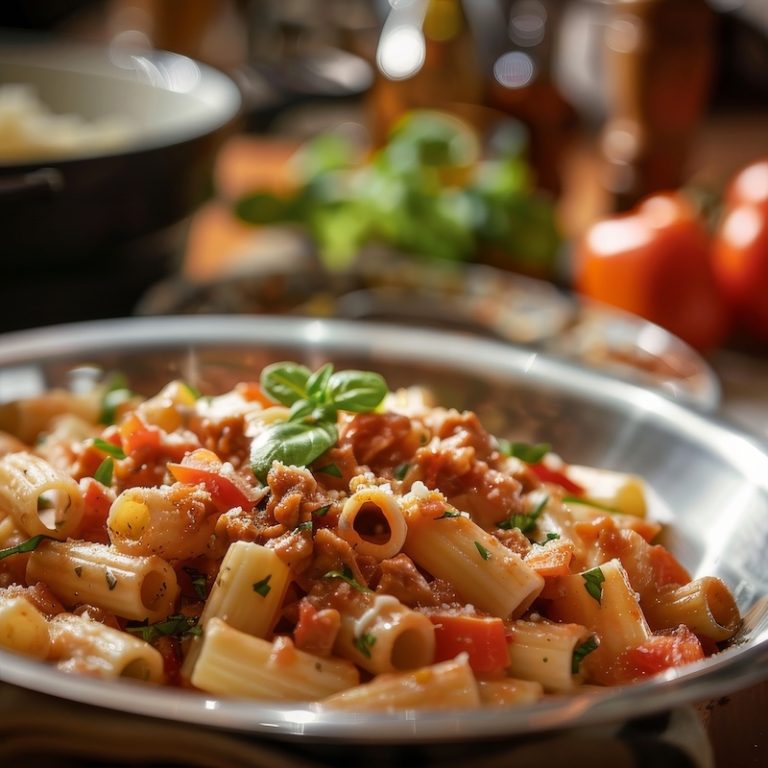
Region - Climate - Terroir - Food Produced
| Region | City/Area | Climate Range | Terroir (Landscape & Soil) | Typical Foods Produced |
|---|---|---|---|---|
| Northern Italy | Liguria | Mild Mediterranean, wet winters, dry summers | Rocky coastline, terraced hills, limestone soils | Basil, olives, pine nuts, seafood, olive oil |
| Piedmont | Continental: cold winters, warm summers | Alpine foothills, fertile plains, clay and marl soils | Rice, corn, hazelnuts, truffles, cattle | |
| Lombardy | Humid continental, cold winters, warm summers | Po Valley plains, glacial lakes, fertile alluvial soils | Rice, dairy, maize, beef, cheeses | |
| Veneto | Humid subtropical/continental | Plains, foothills, river valleys, fertile soils | Corn, wheat, radicchio, wine grapes, pork | |
| Central Italy | Emilia-Romagna | Humid subtropical, mild winters, hot summers | Fertile plains, river valleys, rich alluvial soil | Wheat, Parmigiano-Reggiano cheese, pork, balsamic vinegar |
| Lazio (Rome) | Mediterranean, mild wet winters, hot dry summers | Coastal plains, volcanic soils | Olives, wheat, grapes, artichokes, pork | |
| Tuscany | Mediterranean, mild winters, hot summers | Hilly terrain, clay and limestone soils | Olives, grapes, wheat, wild boar, truffles | |
| Umbria | Continental Mediterranean, cooler winters | Hills, forests, fertile valleys | Olives, truffles, wheat, legumes | |
| Marche | Mediterranean | Hills and coastline, marl and sandstone soils | Olives, grains, seafood, pork | |
| Southern Italy | Campania (Naples) | Mediterranean, mild winters, hot dry summers | Coastal plains, volcanic soils near Mount Vesuvius | Tomatoes, buffalo mozzarella, olives, citrus fruits |
| Calabria | Mediterranean, hot dry summers, mild winters | Mountainous with coastal plains, rocky soils | Olives, bergamot, chili peppers, figs, pork | |
| Puglia | Mediterranean, hot dry summers, mild winters | Flat plains, limestone soils | Wheat, olives, grapes, artichokes, tomatoes | |
| Basilicata | Mediterranean, mild winters, hot summers | Mountainous and hilly, volcanic and calcareous soils | Peppers, potatoes, lamb, olives | |
| Molise | Continental Mediterranean | Mountainous, valleys, fertile soils | Grains, sheep, olives, vegetables | |
| Apulia (Foggia) | Mediterranean | Fertile plains, sandy and calcareous soils | Olives, wheat, grapes, vegetables | |
| Islands | Sicily | Mediterranean, hot dry summers, mild wet winters | Volcanic soils (Mount Etna), coastal plains, hills | Citrus fruits, olives, almonds, pistachios, seafood |
| Sardinia | Mediterranean, mild wet winters, hot dry summers | Mountainous interior, coastal plains, granitic soils | Sheep, pecorino cheese, olives, wine grapes |

Italy’s cuisine is a vibrant celebration of regional flavors and traditions. Each area offers unique pasta shapes and sauces, shaped by local ingredients and history. From the rich, creamy sauces of the north to the spicy, tomato-based flavors of the south, Italian food reflects the country’s diverse landscapes and cultures.
Exploring this regional variety helps you appreciate Italy beyond the well-known dishes. Sauces like Ligurian pesto or Roman cacio e pepe tell stories of place and people. Likewise, pasta shapes—from Piedmont’s tajarin to Puglia’s orecchiette—showcase local craftsmanship and taste.
This article explores Italian sauces by region, showing how geography, climate, and culture influence ingredients and cooking styles. With this knowledge, you can recreate authentic dishes at home with confidence.
Whether you’re a home cook or a food enthusiast, you’ll discover new flavors and traditions. You’ll see how sauces and pasta pair perfectly within their regions. By the end, you’ll gain a deeper respect for Italian cuisine and maybe even find your next favorite recipe. Let’s dive into Italy’s rich culinary map and uncover what makes each region’s sauces so special.
Try Something New
If you love Italian food, I encourage you to step beyond the usual spaghetti and marinara. Italy’s diverse regions each offer unique sauces shaped by their climate, landscape, and local ingredients.
By exploring these lesser-known sauces, you’ll discover new flavors and traditions that deepen your appreciation for Italian cuisine. Take a moment to read about each region’s terroir—the soil, weather, and terrain—and see how these factors influence the foods they grow and raise.
Understanding this connection helps explain why some areas favor rich, buttery sauces, while others highlight fresh tomatoes, olives, or spicy peppers. Trying these regional sauces opens up a whole new world of taste and storytelling.
It’s an adventure for your palate and a chance to cook authentically, bringing Italy’s rich culinary heritage right into your kitchen.