The Ultimate Guide to Arrabbiata Sauce (Heat, Flavor & Pairing Tips)

Think Arrabbiata sauce is just spicy red stuff on pasta? Think again. This saucy Italian classic is a symphony of heat, tang, and flavor balance that can elevate even weeknight dinners into something worth Instagramming — and eating twice. If you’re ready to stop boiling noodles and start mastering your sauce game, you’re in the right place.

Why This Recipe Works

  • Perfect Heat Balance: Red pepper flakes give a noticeable spice without overpowering the dish.
  • Simple Ingredients, Big Flavor: Garlic, tomatoes, and olive oil combine for a classic, authentic taste.
  • Pasta-Friendly Texture: Sauce clings beautifully to penne or rigatoni thanks to its consistency and simmer time.
  • Quick & Versatile: Ready in under 30 minutes, and can be adapted with protein or veggies.
  • Flavor Deepens Over Time: Resting the sauce enhances complexity and richness.

Authentic Arrabbiata Sauce Recipe (Spicy Italian Classic)

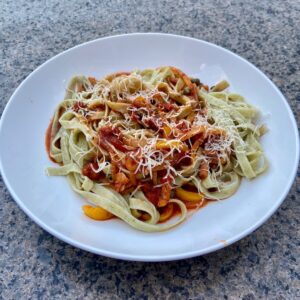
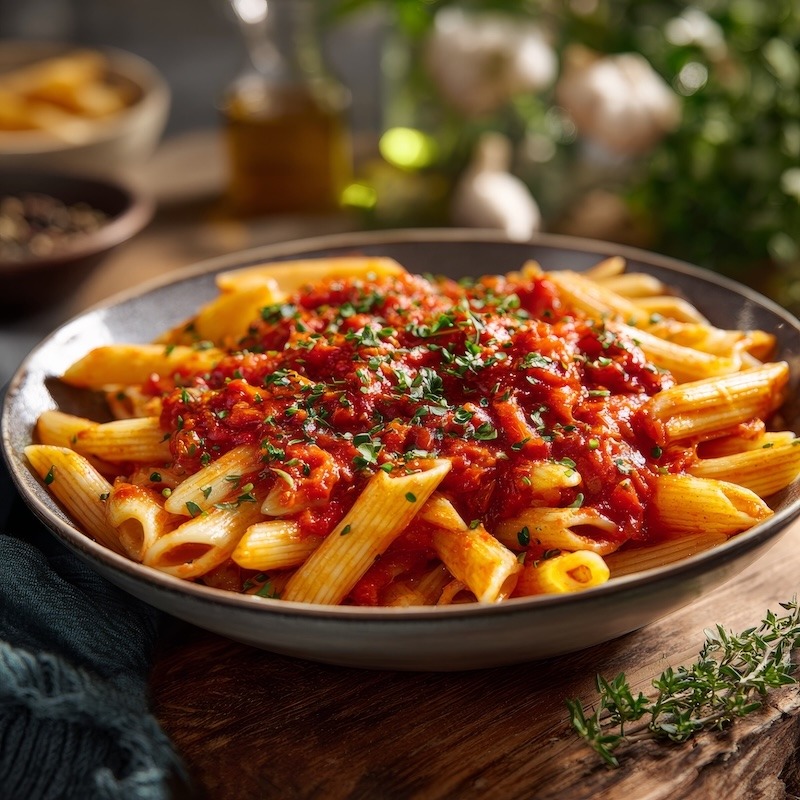
If you love bold, spicy Italian flavors, this classic Arrabbiata sauce is for you. Made with garlic, red pepper flakes, and ripe tomatoes, it delivers heat and depth in every bite. This sauce pairs perfectly with penne or your favorite pasta, turning a simple dinner into a vibrant, satisfying meal.

Making Arrabbiata at home is easier than you think. With just a few quality ingredients, you can create a sauce that tastes as if it came straight from a Roman trattoria.

Fresh garlic and extra-virgin olive oil form the base, while San Marzano tomatoes give a rich, balanced flavor. Simmering slowly allows the heat from the chili flakes to infuse the sauce, giving it a signature spicy kick without overwhelming the palate.

This recipe is perfect for weeknight dinners, casual entertaining, or meal prep. It comes together in about 35 minutes, and you can adjust the spice to suit your taste.

Toss it with freshly cooked pasta, sprinkle with parsley or basil, and finish with a touch of Parmesan for a dish that’s both simple and spectacular. Whether you’re a seasoned cook or a beginner, this Arrabbiata pasta sauce recipe will become a go-to favorite in your kitchen.

Arrabbiata Sauce Cooking Tips

  • Use quality tomatoes. San Marzano or Italian plum tomatoes deliver the ideal sweet-acidic balance.
  • Control heat early. Add red pepper flakes at the start for mellow heat, later for sharper spice.
  • Watch the garlic. Sauté only until lightly golden to avoid bitterness.
  • Crush tomatoes yourself. Hand-crushed tomatoes create a rustic, pasta-clinging texture.
  • Simmer gently. Low heat lets flavors merge without scorching.
  • Balance acidity. A small pinch of sugar can soften sharp tomato notes.
  • Finish with pasta water. Starchy water adds silkiness and helps sauce cling.
  • Cook pasta al dente. Let it finish in the sauce to absorb flavor.
  • Add herbs last. Fresh basil or parsley stays bright and aromatic.
  • Rest before serving. A short pause off heat deepens flavor and texture.

Arrabbiata Sauce

How to prepare a delicious Arrabbiata sauce for pasta.
Prep Time10 minutes
Cook Time25 minutes
Total Time35 minutes
Course: Pasta
Cuisine: Italian
Keyword: arrabbiata, barbecue sauce
Servings: 4 servings

Equipment

  • Large skillet or saucepan

Ingredients

  • 3 tablespoons olive oil extra virgin
  • 4 cloves garlic thinly sliced
  • 2 teaspoons red pepper flakes adjust to taste
  • 1 28 ounce can whole peeled San Marzano tomatoes
  • ½ teaspoon salt adjust to taste
  • 1 teaspoon sugar optional, to balance acidity
  • 2 tablespoons fresh parsley or basil chopped, for garnish
  • 12 ounces pasta penne is traditional

Instructions

Heat the Olive Oil

  • In a large skillet or saucepan, heat olive oil over medium heat until it shimmers but doesn’t smoke.

Saute Garlic and Chili Flakes

  • Add the sliced garlic and red pepper flakes. Cook for 30–45 seconds, stirring constantly, until fragrant. Don’t let the garlic brown — it should be golden and aromatic.

Add the Tomatoes

  • Pour in the whole peeled tomatoes with their juice. Use a wooden spoon or potato masher to crush the tomatoes into small pieces.

Simmer the Sauce

  • Season with salt, pepper, and sugar (if using). Reduce the heat to low and simmer uncovered for 20–25 minutes, stirring occasionally. The sauce will thicken and the oil will rise slightly to the top — that’s a good sign!

Adjust Seasonings

  • Taste and adjust salt, pepper, or chili flakes for your preferred level of heat.

Toss with Pasta

  • Cook the penne (or pasta of your choice) in salted boiling water until al dente. Reserve about ½ cup of pasta water, then drain.
  • Add the pasta to the sauce and toss well, adding a splash of pasta water to help coat evenly.

Step 7: Serve and Garnish

  • Transfer to plates or a serving bowl.
  • Top with fresh parsley or basil if desired, and a drizzle of olive oil. Serve hot with grated Parmesan or Pecorino Romano on the side.

Notes

For a deeper flavor, add a splash of dry white wine after the garlic and chili step, and let it reduce before adding tomatoes.
Use San Marzano or other high-quality Italian tomatoes for the best results.
The sauce can be made ahead and refrigerated for up to 3 days or frozen for up to 2 months.
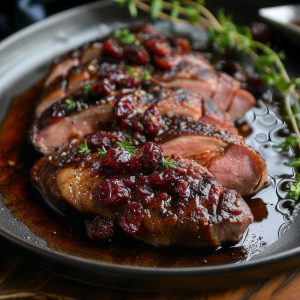
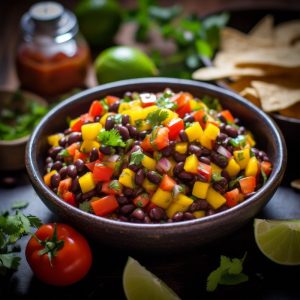
Side Dishes That Pair Well With Arrabbiata Sauce

Side Dish Flavor Profile Why it Works with Arrabbiata
Garlic Bread Buttery, crispy, savory Perfect for soaking up the spicy tomato sauce
Simple Green Salad Fresh, light, tangy Balances the heat of the sauce and refreshes the palate
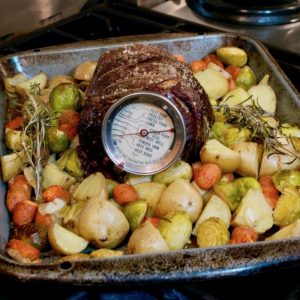
Roasted Vegetables Sweet, caramelized, earthy Adds texture and depth while complementing the sauce
Caprese Salad Fresh, creamy, slightly acidic Provides a cool, refreshing contrast to spicy pasta
Sauteed Spinach or Swiss Chard Earthy, garlicky, tender Adds color, nutrition, and a mild flavor to balance heat
Grilled Asparagus Smoky, slightly bitter, crisp Complements the spicy sauce with a subtle char flavor
Bruschetta Fresh, garlicky, tangy Light starter that echoes tomato and basil flavors in the sauce
Caprese Salad Creamy, tangy, savory Tones down spice and adds richness to the meal
Polenta Creamy or firm, mild, slightly sweet Provides a neutral base to balance the bold tomato and chili flavors
Antipasto Platter Salty, savory, varied Offers a variety of flavors and textures that pair well with spicy pasta

Wines That Pair Well With Arrabbiata Sauce

Wine Flavor Profile Why it Works with Arrabbiata
Chianti Medium-bodied, dry, bright acidity The acidity cuts through the tomato sauce and complements the spice
Barbera Juicy, tangy, low tannins Balances the heat with freshness and bright fruit flavors
Montepulciano d’Abruzzo Medium to full-bodied, earthy, red fruit notes Stands up to the bold, spicy flavors without overpowering the pasta
Sangiovese Dry, medium-bodied, cherry and herbal notes Enhances the tomato’s natural acidity and pairs with chili heat
Vermentino (white) Light, crisp, citrusy Provides a refreshing contrast to the spicy sauce for white wine lovers
Prosecco Light, bubbly, slightly sweet Softens the heat and adds a playful, refreshing touch to the meal
Rosé Dry, fruity, crisp Balances spice while complementing tomato and herb flavors

Arrabbiata Sauce FAQ

What is Arrabbiata sauce?

Arrabbiata sauce is a classic Italian tomato sauce made with tomatoes, garlic, olive oil, and red pepper flakes. Its name means “angry” in Italian, referring to the spicy heat from chili flakes.

Where did Arrabbiata sauce originate?

Arrabbiata sauce comes from the Lazio region of Italy, particularly Rome. It is traditionally served with penne pasta and kept intentionally simple.

Why is Arrabbiata sauce spicy?

The heat comes from red pepper flakes, which are infused into the olive oil. The amount and timing of the chili flakes control how spicy the sauce becomes.

How spicy is Arrabbiata sauce?

Arrabbiata sauce is moderately spicy. It should have a noticeable warmth rather than overpowering heat. You can easily adjust the spice level by using more or fewer red pepper flakes.

What tomatoes are best for Arrabbiata sauce?

San Marzano tomatoes or Italian plum tomatoes are ideal. They provide a balanced sweetness and acidity with a thick, rich texture.

Can I use canned tomatoes?

Yes. High-quality canned whole tomatoes are commonly used and often preferred for consistency and flavor, especially outside tomato season.

Should tomatoes be crushed or blended?

Crushing tomatoes by hand or with a spoon creates a rustic texture that clings well to pasta. Blending produces a smoother sauce but is less traditional.

When should red pepper flakes be added?

Add red pepper flakes early for a deeper, more rounded heat. Adding them later creates a sharper, brighter spice.

How do I prevent garlic from burning?

Cook garlic gently over medium-low heat and remove it from the heat as soon as it turns light golden. Burnt garlic will make the sauce bitter.

Does Arrabbiata sauce include onions?

Traditionally, no. Authentic Arrabbiata sauce relies on garlic rather than onions, though some modern variations include them.

Are herbs used in Arrabbiata sauce?

Classic Arrabbiata sauce does not require herbs, but fresh parsley or basil is often added at the end for freshness and color.

Is sugar traditionally added?

No. Sugar is not traditional, but a small pinch can be used to balance acidity if tomatoes taste overly sharp.

How long should Arrabbiata sauce simmer?

Simmer gently for about 20 to 30 minutes. This allows flavors to blend while keeping the sauce bright and fresh.

Can Arrabbiata sauce be made ahead of time?

Yes. The flavor often improves after resting. Store it in the refrigerator for up to four days.

Can Arrabbiata sauce be frozen?

Yes. Freeze in airtight containers for up to three months. Thaw gently and reheat on low heat.

What pasta is best with Arrabbiata sauce?

Penne is the traditional choice because its ridges hold the sauce well. Rigatoni, ziti, or spaghetti also work.

Should pasta finish cooking in the sauce?

Yes. Cooking pasta al dente and finishing it in the sauce helps it absorb flavor and improves texture.

Why add pasta water to Arrabbiata sauce?

Starchy pasta water helps emulsify the sauce, making it silkier and helping it cling evenly to pasta.

Is Arrabbiata sauce vegan?

Yes. Traditional Arrabbiata sauce contains no meat or dairy.

Is Arrabbiata sauce gluten-free?

The sauce itself is gluten-free. Just pair it with gluten-free pasta if needed.

How is Arrabbiata different from marinara?

Arrabbiata is spicier and simpler. Marinara is milder and often includes onions, herbs, and sometimes carrots.

Can protein be added to Arrabbiata sauce?

While not traditional, shrimp, chicken, or sausage are sometimes added in modern variations.

Why does my Arrabbiata sauce taste bitter?

Bitterness usually comes from burnt garlic or overheated olive oil. Gentle heat is key.

Why does my sauce taste flat?

It may need salt, acidity balance, or time to simmer. Finishing with pasta water and resting briefly can also improve flavor.

Should Arrabbiata sauce rest before serving?

Yes. Letting the sauce sit off heat for a few minutes allows flavors to settle and deepen.

History

Arrabbiata sauce (from Italian “alla arrabbiata,” meaning “angry”) is a traditional Italian pasta sauce known for its spicy, bold flavor. The name “angry” refers to the heat of the red chili peppers used in the sauce.

This sauce originates from Rome and the Lazio region of central Italy. It emerged in the mid-20th century, when tomatoes and chili peppers became widely available in Italian cooking after being introduced from the Americas centuries earlier.

Home cooks and trattorias in Rome began pairing these ingredients with simple, affordable staples like penne pasta, creating a fiery, satisfying dish that was both easy to prepare and full of flavor.

Traditionally, Arrabbiata is made with garlic, red chili flakes, olive oil, and tomatoes, keeping the recipe simple but bold. Its popularity grew in Rome’s casual dining culture and eventually spread throughout Italy and internationally, celebrated for its robust, spicy kick and simplicity.

Today, Arrabbiata sauce is considered a classic Roman pasta sauce, often served with penne, garnished with fresh parsley or basil, and occasionally paired with grated Pecorino or Parmesan cheese. Despite modern variations, the essence of Arrabbiata remains spicy, straightforward, and full of Italian flavor.

Leave a Reply

Your email address will not be published. Required fields are marked *

Recipe Rating


This site uses Akismet to reduce spam. Learn how your comment data is processed.