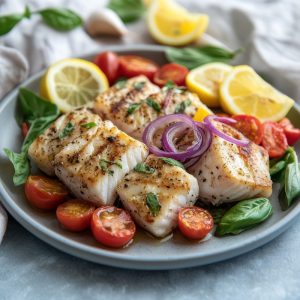
Flounder gets a bad reputation for being bland—but that’s usually the cook’s fault. Done right, it’s delicate, buttery, and incredibly satisfying. This recipe shows you how to build flavor, nail the texture, and turn a simple fish into something worth repeating.
Fast Answer
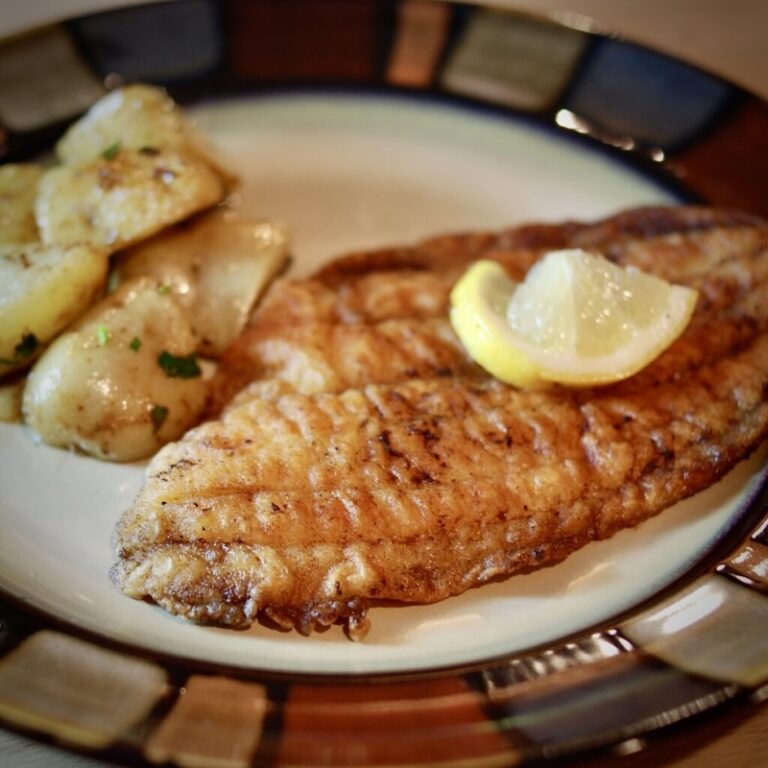
Pan-fried flounder cooks quickly in a hot skillet with a light coating for crisp texture, then pairs perfectly with sautéed potatoes and fresh parsley.Pan-Fried Flounder with Crispy Potatoes & Parsley
Pan-fried flounder is one of the fastest, most approachable seafood dishes you can make at home. When paired with crispy potatoes and fresh parsley, it becomes a complete, satisfying meal. This recipe focuses on technique—how to get a golden crust without overcooking the fish, and how to balance textures so every bite feels intentional, not accidental.
Start Here: Your Game Plan
- Dry the fish well: Moisture is the enemy of browning. Pat fillets dry before cooking.
- Cook potatoes first: They take longer and hold heat well while the fish cooks.
- Use medium-high heat: Hot enough to crisp, not scorch.
- Keep it simple: Flounder is delicate—don’t bury it in heavy seasoning.
- Serve immediately: This dish shines right out of the pan.
Why This Recipe Works
- High heat + dry surface: Creates a golden crust without overcooking the fish.
- Thin fillets cook fast: Flounder stays tender instead of turning rubbery.
- Potatoes add contrast: Crispy outside, soft inside balances the delicate fish.
- Parsley brightens: Cuts richness and adds freshness at the end.
- Simple seasoning: Lets the natural flavor of the fish come through.
Pan Fried Flounder with Potatoes and Parsley
Ingredients
- 1¾ pounds new potatoes try fingerling potatoes if you can find them
- salt and pepper
- 4 flounder filets
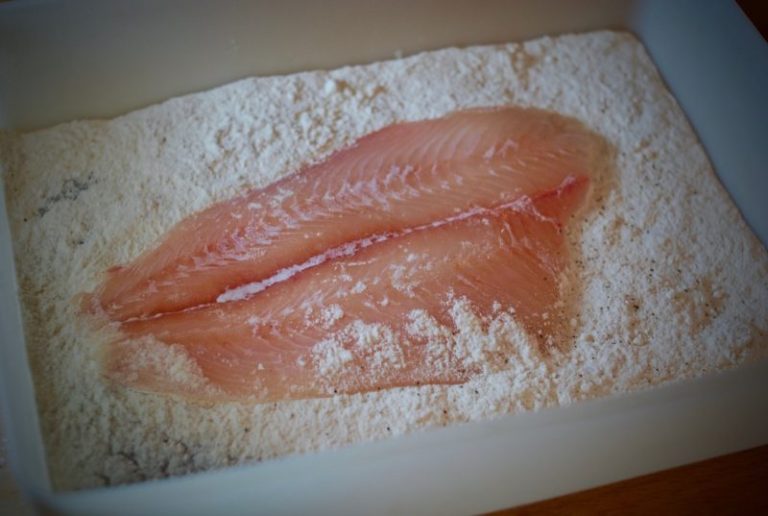
- 1 cup all-purpose flour
- 9 tablespoons butter
- ¼ cup fresh parsley minced
Garnish for Serving
- 1 lemon sliced
- 4 sprigs dill
Instructions
Prep the Potatoes
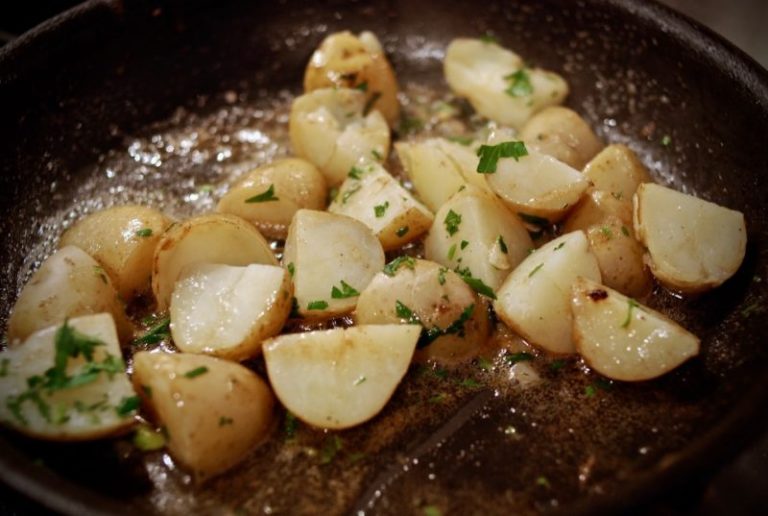
- Cut potatoes into small, even pieces for faster cooking.
- Heat oil in a skillet over medium heat and cook until golden and tender, about 12–15 minutes.👉 Tip: Don’t overcrowd the pan—crowding steams instead of crisps.
Season & Dry the Flounder
- Pat fillets completely dry. Season lightly with salt and pepper.👉 Tip: If using flour, dust lightly—too much creates a gummy coating.
Heat the Pan Properly
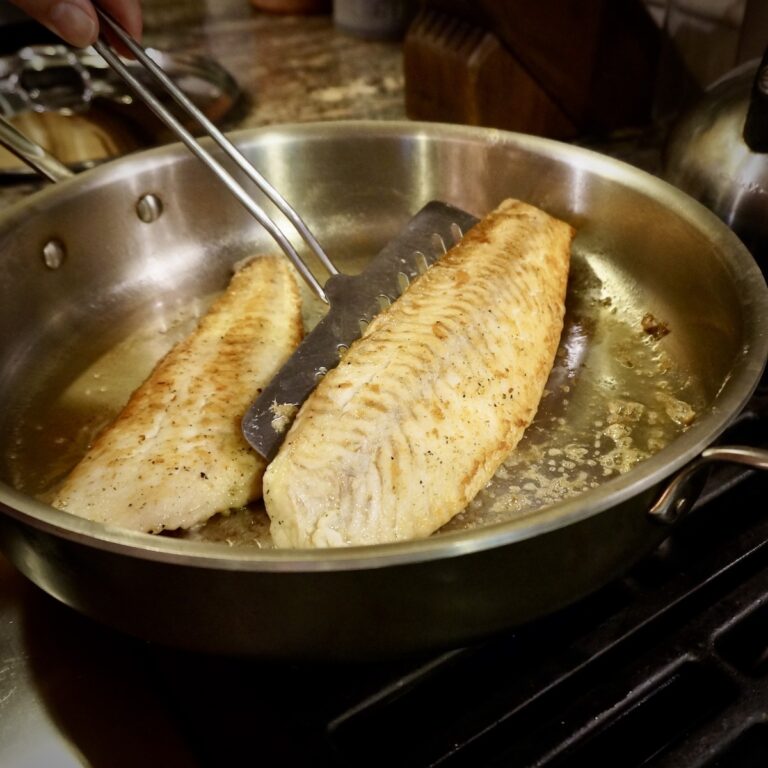
- Add oil or butter to a clean skillet over medium-high heat. Wait until shimmering.👉 Tip: If the oil isn’t hot, the fish will stick.
Cook the Flounder
- Place fillets gently in the pan. Cook 2–3 minutes per side.👉 Tip: Don’t move the fish too soon—let the crust form before flipping.
Finish with Parsley
- Return potatoes to the pan if needed. Toss with fresh parsley and adjust seasoning.👉 Tip: Add a squeeze of lemon for brightness.
Serve Immediately
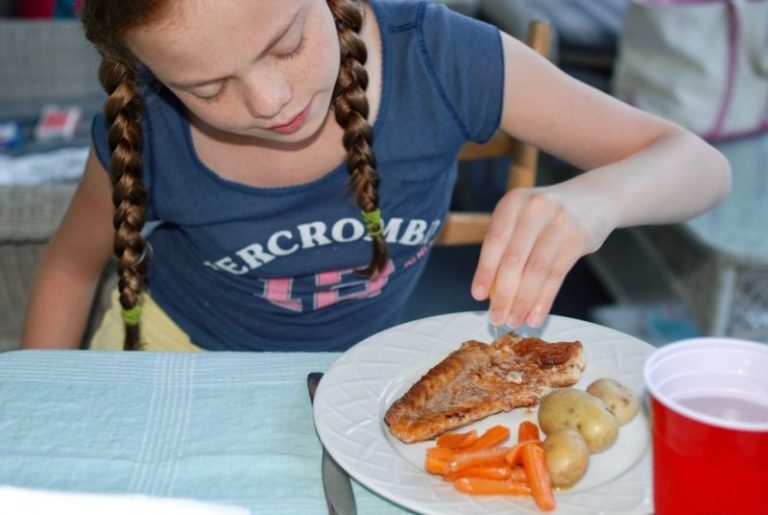
- Plate the fish over potatoes. Serve hot.👉 Tip: Flounder waits for no one—timing matters.
Notes
Nutrition
Have you tried cooking flounder before? What’s been your biggest challenge—getting a crust, avoiding overcooking, or just making it taste like something? I’d love to hear what worked (or didn’t) for you in my comments section below.
What Most Cooks Get Wrong
- Wet fish: Leads to steaming instead of browning.
- Low heat: Prevents crust formation and makes fish mushy.
- Overcooking: Flounder goes from perfect to dry in seconds.
- Too much flour: Creates a heavy, pasty coating.
- Overcrowding: Drops pan temperature and ruins texture.
Quick Fixes & Pro Tips
- Fish sticking? Wait longer before flipping—it will release naturally.
- No crust? Increase heat slightly and ensure fish is dry.
- Too bland? Finish with lemon juice or flaky salt.
- Uneven cooking? Use similar-sized fillets.
- Want extra flavor? Add garlic or capers at the end.
Storage & Make-Ahead
Store leftovers in an airtight container in the fridge for up to 2 days. Reheat gently in a skillet to maintain texture. Avoid microwaving—it softens the crust. Potatoes can be made ahead and reheated, but fish is best cooked fresh.Why This Dish Works (Danish Influence)
- Simple, fresh cooking: Danish cuisine focuses on letting ingredients shine—exactly what flounder needs.
- Built for delicate fish: Pan-frying is a traditional method that protects texture and flavor.
- Seasonal mindset: Cooking fish at peak freshness improves both taste and results.
- Minimal ingredients: Keeps the dish clean, balanced, and approachable for home cooks.
- Healthy foundation: Lean protein + light cooking method = satisfying without feeling heavy.
FAQ Section
Can I use frozen flounder?
Yes, but thaw completely and pat very dry before cooking.
What oil is best for pan-frying flounder?
Use neutral oils like canola or avocado oil for higher heat tolerance.
Do I need to use flour?
No, but a light dusting helps create a crisp surface.
How do I know when flounder is done?
It turns opaque and flakes easily with a fork.
Can I substitute another fish?
Yes—sole, tilapia, or cod work well.
Why is my fish sticking to the pan?
The pan wasn’t hot enough or the fish wasn’t dry.
Can I bake instead of pan-fry?
You can, but you’ll lose the crispy texture.
What herbs can I use besides parsley?
Try dill, chives, or tarragon.


2 Responses
I’ve always liked pan fried fish with Potatoes and Parsley.
Very simple dish, but it’s nice to learn the right way to do it. when I tried to duplicate my mother’s, I put the parsley in at the wrong time and it was never quite right. Thanks
Simple and delicious, my kind of meal. Thanks for visiting and commenting. – RG