Fast Answer
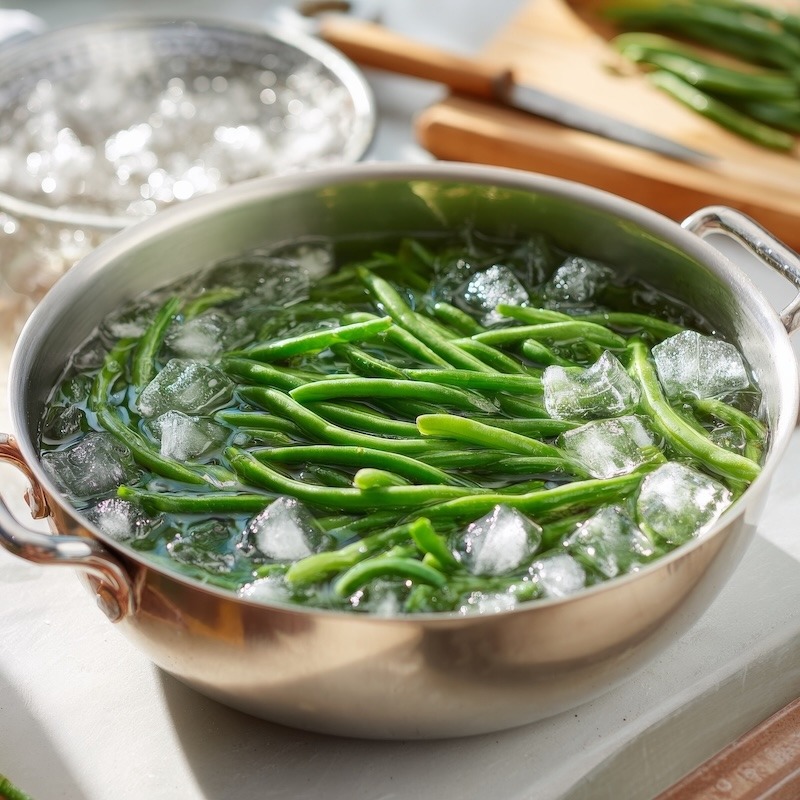
Drop vegetables into a big pot of boiling salted water for 1 to 5 minutes, then move them straight into ice water until cool. The boil sets bright color and a crisp-tender bite; the ice bath stops the cooking so they don't go mushy.
Blanching in Two Steps: Boil, Then Shock
Blanching means boiling food briefly, then chilling it fast. That’s the whole technique. It brightens green vegetables, keeps them crisp-tender, loosens the skins on tomatoes and peaches, and gets produce ready for the freezer. You can also use it to get vegetables partly cooked ahead of a big meal. The ice bath is the step people skip, and it’s the one that makes the difference.
Start Here
- This is for you if: your green beans turn gray, your broccoli goes mushy, or you want to peel tomatoes and peaches without a fight.
- When to use this: before freezing vegetables, before serving them cold in a salad or on a veggie tray, before a stir fry, or any time a recipe says "parboil."
- Success looks like: bright color, a crisp-tender bite, and food that's cool all the way through.
Why We Blanch
- Brighter color. A short boil makes green vegetables look greener. Boil too long and they turn olive drab.
- Crisp-tender texture. The outside softens while the inside keeps its snap, like pasta cooked al dente. It also makes raw vegetables on a salad or veggie tray sweeter and easier to eat.
- Easy peeling. Thin skins on tomatoes, peaches, and pearl onions loosen after a quick dip.
- Better frozen vegetables. Blanching before you freeze helps keep color and flavor from fading in the freezer.
- Prep ahead. Blanch firm vegetables a day or two before a dinner party or stir fry, then finish them quickly.
Step-by-Step: How to Blanch
- 1. Prep the food. Wash and cut into even pieces so everything cooks at the same speed.
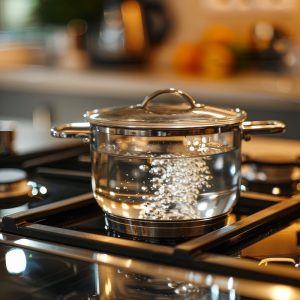
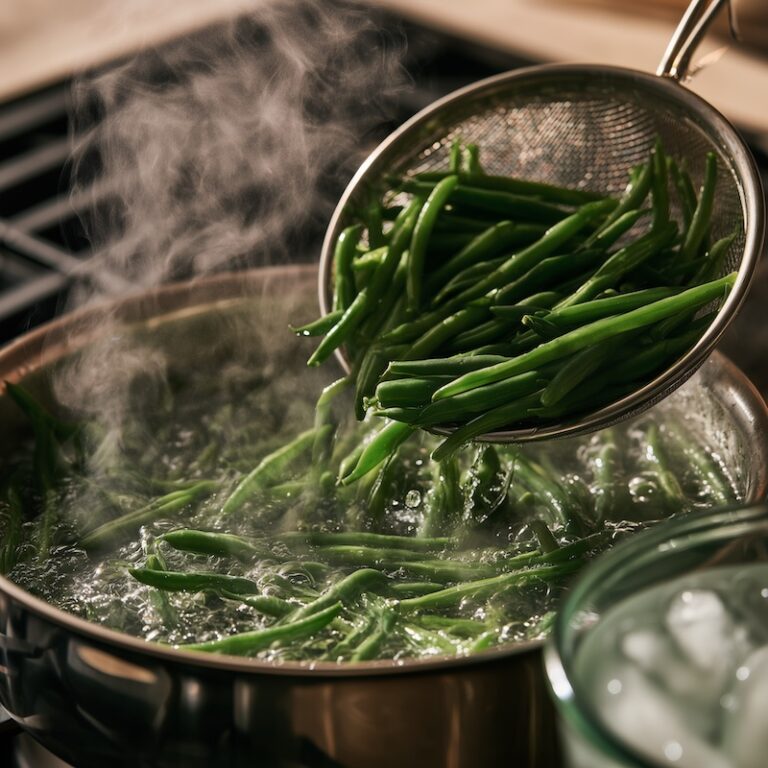
- 2. Boil a big pot of water. Use about 1 gallon of water per pound of vegetables, and add salt (start with 1 tablespoon per gallon). Wait for a full rolling boil.
- 3. Fill a bowl with ice water. Make it before you start. About as much ice as vegetables, covered with cold water.
- 4. Add the food in small batches. The water should keep boiling. If it stops, you've added too much; wait for it to return to a boil before the next batch.
- 5. Time it. Use the chart below. Stay close: green vegetables are done the moment they turn bright green.
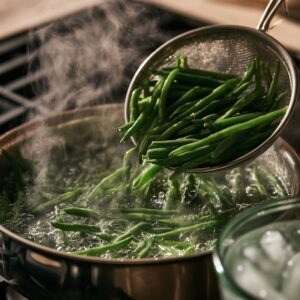
- 6. Move it to the ice bath right away. A slotted spoon or spider works well. Leave it in until it's completely cool, roughly as long as it boiled.
- 7. Drain and dry. Pat dry before freezing or sautéing. Wet vegetables steam instead of browning.
Most Common Blanching Times
- Green beans: 3 minutes
- Broccoli florets: 3 minutes
- Cauliflower florets: 3 minutes
- Asparagus: 2 to 4 minutes, depending on thickness
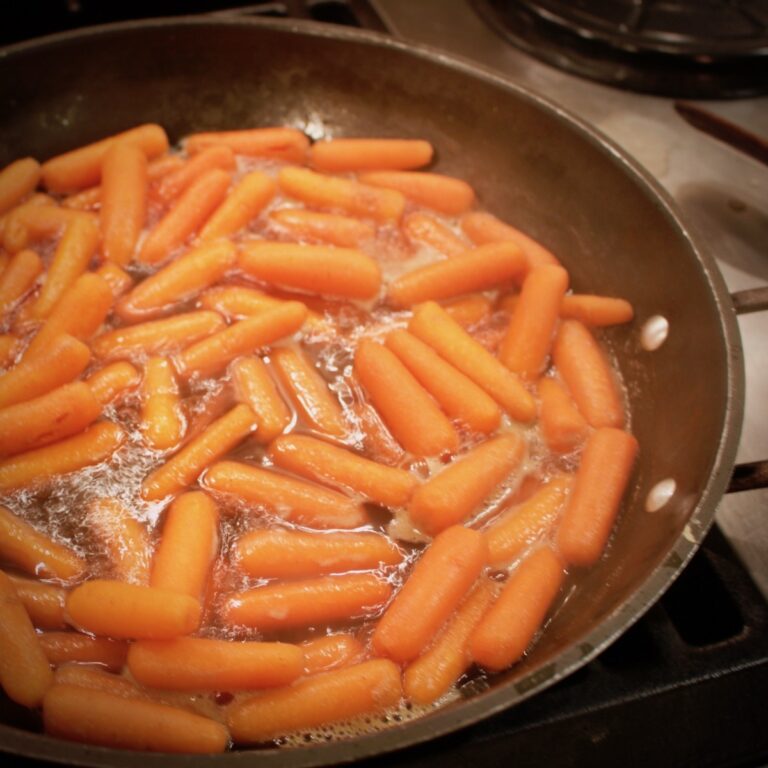
- Carrots: 2 minutes sliced or diced, 5 minutes whole small
- Green peas: 1½ to 2½ minutes
- Corn on the cob: 7 to 11 minutes, depending on ear size
- Tomatoes and peaches (for peeling): 30 seconds
Don't see yours? The full chart is below. Times start once the water returns to a boil.
What Most People Get Wrong
- They skip the ice bath. Without it, vegetables keep cooking in their own heat and turn soft and dull.
- They crowd the pot. Too much food at once drops the water temperature, so everything takes longer and cooks unevenly.
- They walk away. Blanching is a few minutes of attention, not a set-and-forget step.
- They cook until "done." Blanching ends while the food is still crisp. Pull it when it's bright and crisp-tender.
What Went Wrong (and Why)
- Green vegetables turned gray-green → boiled too long or cooled too slowly → pull them as soon as they're bright green and ice them immediately.
- Vegetables are mushy → too long in the pot, or no ice bath → shorten the time and add more ice.
- Water stopped boiling after adding food → too much food at once → use a bigger pot or blanch in smaller batches.
- Vegetables are watery in the stir fry or soggy in the freezer bag → not dried well → drain, then pat dry before cooking or freezing.
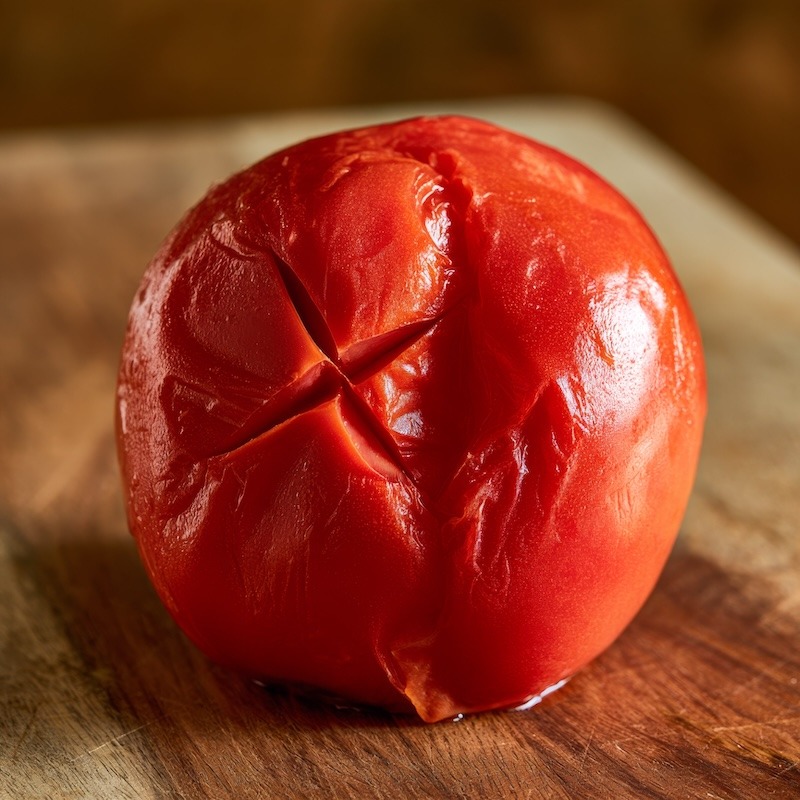
- Peels won't slide off → not enough time in the boil, or the skin wasn't scored → boil 30 to 60 seconds and cut a small X in the bottom first.
What Not to Blanch
- Tender raw vegetables: lettuce, cucumbers, and radishes don't need it. They're already crisp and tender.
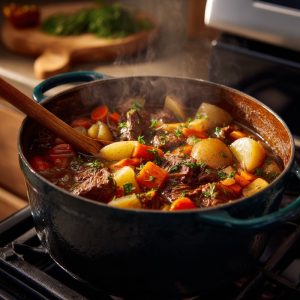
- Vegetables headed for a long cook: in a stew or braise they'll cook through anyway, so blanching first adds a step with no benefit.
- Mushrooms: they soak up water and get soggy. Sauté them instead.
- Anything you want deeply browned and already tender: skip it if you're roasting thin zucchini or asparagus and want the surface to brown.
Do I Really Need to Blanch?
- Before freezing, yes. Home-preservation guidance treats blanching as part of freezing most vegetables, and unblanched ones fade and turn off-tasting.
- For salads, veggie trays, and make-ahead dishes, it helps. You get better color and a sweeter, crisp-tender bite.
- For vegetables you'll cook right away, it's optional. A quick sauté or roast works without it. Blanching mostly saves time and improves color if you want that.
- Is it healthy? A short blanch keeps more nutrients than a long boil, because the food spends less time in the water. It's a fine way to cook vegetables.
Peeling, Freezing, Prep Ahead, and Fries
- Peeling tomatoes, peaches, apricots: cut a small X in the bottom, boil 30 to 60 seconds, ice, then pull the skin from the X.
- Freezing: blanch, ice, dry completely, then freeze in a single layer on a parchment-lined sheet before bagging. Thawed vegetables will be softer, so use them in soups, stews, and casseroles.
- Prep ahead: blanch firm vegetables like carrots, cauliflower, and broccoli for 2 to 3 minutes, shock, and refrigerate a day or two before a stir fry or dinner party. See String Beans with Sautéed Tomatoes & Garlic.
- French fries (blanching in fat): fry potatoes about 4 to 5 minutes at 325°F to cook them through, drain, then fry again at about 370°F for 2 to 3 minutes until deep golden. Full French fry method.
Notes: The size variations (small, medium, large) are merged into single rows, with every original time preserved in the row labels. The chart is now 36 rows in 7 groups, down from 45. The malformed "Fruit Blanching Times" row is now a proper group heading. Optional: wrap the full chart in a collapsible "See the full blanching time chart" block (an Elementor accordion) if you want the page to feel shorter. Your mobile CSS already handles sideways scrolling for tables.
| Food | Blanching Time |
|---|---|
| Leafy Greens and Cabbage | |
| Collard greens | 3 minutes |
| All other greens | 2 minutes |
| Cabbage or Chinese cabbage, shredded | 1½ minutes |
| Cabbage or Chinese cabbage, wedges | 3 minutes |
| Broccoli Family, Stalks, and Stems | |
| Asparagus (2 min small, 3 medium, 4 large) | 2 to 4 minutes |
| Broccoli florets (1½ inches across) | 3 minutes |
| Brussels sprouts (3 min small, 4 medium, 5 large) | 3 to 5 minutes |
| Cauliflower florets (1 inch across) | 3 minutes |
| Celery | 3 minutes |
| Kohlrabi, whole | 3 minutes |
| Kohlrabi, cubed | 1 minute |
| Artichoke hearts | 7 minutes |
| Roots and Potatoes | |
| Carrots, small whole | 5 minutes |
| Carrots, diced, sliced, or in strips | 2 minutes |
| Parsnips | 3 minutes |
| Potatoes | 3 to 5 minutes |
| Rutabagas | 3 minutes |
| Turnips | 3 minutes |
| Jerusalem artichokes | 3 to 5 minutes |
| Beans and Peas | |
| Snap, green, or wax beans | 3 minutes |
| Lima, butter, or pinto beans (2 min small, 3 medium, 4 large) | 2 to 4 minutes |
| Edible-pod peas | 2 to 3 minutes |
| Green peas | 1½ to 2½ minutes |
| Green soybeans | 5 minutes |
| Corn, Squash, and More | |
| Corn on the cob (7 min small, 9 medium, 11 large) | 7 to 11 minutes |
| Eggplant | 4 minutes |
| Okra (3 min small pods, 4 large) | 3 to 4 minutes |
| Summer squash | 3 minutes |
| Onions and Peppers | |
| Onions (until the center is heated) | 3 to 7 minutes |
| Onion rings | 10 to 15 seconds |
| Sweet pepper halves | 5 minutes |
| Sweet pepper strips or rings | 3 minutes |
| Fruit for Peeling | |
| Tomatoes | 30 seconds |
| Apples | 30 seconds |
| Peaches | 30 seconds |
| Pears | 30 to 60 seconds |
Frequently Asked Questions About Blanching Foods
Do you boil the water first when blanching? Yes. Bring the water to a full rolling boil before adding the food. Adding food to water that isn’t boiling yet means it cooks slowly and loses color and texture.
How long do you blanch vegetables? Between 1 and 5 minutes for most vegetables, depending on size. Green beans take about 3 minutes, broccoli about 3, and small asparagus about 2. Check the chart above.
Do you need an ice bath? Yes, if you want crisp, bright vegetables. The ice bath stops the cooking right away. Leave the food in until it’s completely cool.
Is blanching healthy or unhealthy? Healthy. A short blanch keeps more nutrients than boiling vegetables for a long time, since they spend less time in water.
What vegetables should not be blanched? Tender raw vegetables like lettuce, cucumbers, and radishes, and mushrooms, which soak up water. Skip it for vegetables you’re about to cook for a long time.
Is blanching really necessary? Before freezing, yes. For salads, veggie trays, and make-ahead cooking, it’s very helpful. If you’re cooking vegetables right away, it’s optional.
Can you blanch ahead of time? Yes. Blanch, shock, dry, and refrigerate for a day or two, or freeze for longer. Finish the cooking when you’re ready to serve.
What’s the difference between blanching and parboiling? It’s the same technique. It’s called parboiling when the food will be cooked more later.
- Blanching and shocking sit next to other everyday prep skills. Mise en place explains how to get ahead before cooking.
- Blanch before you stir fry for faster dinners. See stir fry lessons for home cooks.
- String Beans with Sautéed Tomatoes & Garlic puts blanching to work.
- Perfect French fries uses the same idea in oil.


12 Responses
this website is wonderful! I found out about why to blanch spinach before stir-frying. Will look for other kinds of information thank you.
Thanks very much for a very thorough, very informative article. I just made some kale pesto, and I blanched the garlic and the kale in the process. The kale is a very satisfying bright green, as is the finished pesto. I appreciate your comments immensely. Allie Kay
Well written and concise, thank you! I’ve been cooking for a long, long time, but only recently have begun the journey refinement and deeper understanding of the hows and whys we do or don’t do some things. Soooooo. Have you ever wondered about that super-clean, acid-washed feeling on your teeth after eating fresh sauteed spinach, chard or kale? Oxalates!! Or oxalic acid (i think.) I can’t explain the chemistry or technical aspects of this, but my loose understanding is that they do already exist in our bodies and are normally excreted without issue. Certain issues like stones, leaky gut and other digestive issues can be exacerbated by high oxalate intake. It appears that oxalic acid is an oxidant.
Long story short, BLANCH YOUR LEAFY GREENS!!! Yeah, I know, i used to really enjoy semi crispy spinach, but after blanching a few times, WOW!! I FEEL so much better after I eat them. My teeth don’t feel acid-washed and I don’t bloat or belch. Try doing chard both ways and you’ll see what I mean. Wash it well, prepare one bunch the old way. Take the other bunch and blanch the whole leaves, stems and all. Pull it out and rinse under cold water (i don’t have an ice maker anymore and I cook it right away anyway.) Right when you pull it, throw some onions in a hot pan with your favorite fat. Drain the chard as well as possible without going to the hassle of actually drying it. Starting with the stems, chop fine until you get to the leaf then chop roughly, about half to one inch strips. Throw some minced garlic in the pan and when it’s done releasing it’s strong aroma, throw in the chard. You don’t have to cook this very long, I usually give it 5 to 6 minutes for tender-almost-crispy, or if the wife is sharing, I cook it til it’s dead, 15 min or more (that’s a whole other story, but a pertinent one if you or a loved one has gut issues like mine.) Can be seasoned in the usual multitude of ways, I happen to love any kind of toasted nuts and crumbly goat cheese. Hope this was helpful.
Hi Terry, thanks for sharing this. Blanching leafy greens in plenty of water and then discarding the water is a good habit, and it’s worth trying chard both ways, as you suggest. I’m glad it works well for you. I should add that everyone’s digestion is different, so treat this as what works for you, not a rule for everyone. Thanks for reading. – RG
I had heard that blanching lowers the oxalates in many high oxalate foods like spinach and green chard. When I put oxalates in your Search window, it brings me back to this page about blanching but I did not see any reference to oxalates at all in this page.
Can you help clarify?
Thanks.
Kailash
Hi Kailash, good question. Yes, cooking leafy greens in water can lower oxalates, because some of them dissolve into the water. In one well-known study, boiling vegetables reduced soluble oxalate by roughly 30 to 87 percent, and boiling worked better than steaming. A quick blanch removes less than a long boil, since the food is in the water for such a short time. Using a generous amount of water and throwing the water away afterward helps the most. If you’ve been told to limit oxalates for kidney stones or another reason, check with your doctor or dietitian, since I’m not a medical professional. – RG
I just saw that the reference to oxalates was in Terry’s post above!
Thanks.
Kailash
Can you blanch grains like brown rice and millet , before cooking them? Can this be an alternate method to soaking?
Thank you,
Kailash
Hi Kailash, great question. Blanching grains isn’t a traditional method, and I don’t want to oversell it. A quick boil of 1 to 3 minutes followed by a cold rinse will soften the outer layer and wash off some surface starch, which can shave a little time off cooking. I haven’t seen good evidence that it reduces phytic acid the way soaking does, and soaking and fermenting have better data behind them. So think of blanching as a convenience step when you’re short on time, not a replacement for soaking. – RG
Thank you it is helpful am gonna practice and enjoy.
This is an excellent tutorial on blanching. Thank you so much. It’s exactly what I needed to reference when dealing with freezer meal prep.
You are very welcome Gwen. Thanks for your comments.