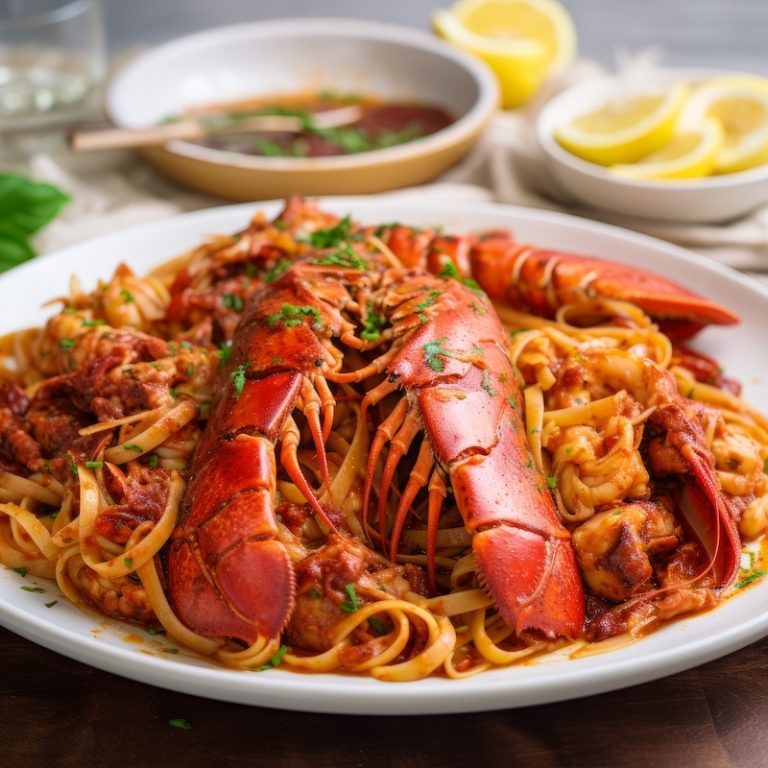
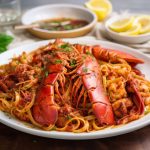
The Secret to Great Lobster Fra Diavolo at Home

Lobster Fra Diablo Recipe

The Reluctant Gourmet Newsletter Is Back!

Yes, I'm starting up a new newsletter with step-by-step recipes, helpful cooking tips, and my latest funny cooking cartoons. Would love to have you on board.

Most lobster fra diavolo recipes miss the point. They bury sweet lobster under enough garlic, pepper flakes, and tomato sauce to stun a smoke alarm. A good fra diavolo should taste fiery, yes, but the lobster still needs to win the argument. That balance is the whole game.

Fast Answer

Lobster fra diavolo works when the spicy tomato sauce supports the lobster instead of overpowering it. Build flavor in layers, keep the sauce balanced, and cook the lobster gently so it stays sweet and tender.

Lobster Fra Diavolo With Bold Tomato-Garlic Sauce

Lobster fra diavolo sounds dramatic because it is. Sweet lobster. Garlic. Wine. Tomatoes. Heat. But the real trick is restraint. Too much spice and the lobster disappears. Too much tomato, and the sauce turns heavy.

This version keeps the sauce bright, the lobster tender, and the heat sharp enough to wake up the dish without setting your tongue on fire like a cartoon dragon.

Start Here

  • Use raw lobster if possible: Pre-cooked lobster turns rubbery fast once it hits the sauce.
  • Control the heat: Fra diavolo means spicy, not painful. Start lighter with red pepper flakes. You can always add more later.
  • Don’t rush the sauce: Give the garlic, wine, and tomatoes time to build depth before adding the lobster.
  • Undercook the pasta slightly: Finish it in the sauce so it absorbs flavor instead of sitting underneath it like wet shoelaces.
  • Taste before serving: A small squeeze of lemon or extra salt at the end can completely wake up the dish.

Why This Recipe Works

  • The sauce stays balanced: The tomatoes bring acidity while butter and lobster juices soften the edges.
  • The lobster cooks gently: Finishing it in the sauce keeps the meat tender instead of tight and chewy.
  • The spice builds gradually: Red pepper flakes bloom in oil first, giving the sauce deeper heat instead of random blasts of fire.
  • Pasta finishes in the sauce: The starch helps the sauce cling to the noodles instead of pooling at the bottom of the bowl.
  • The flavors stay distinct: You taste lobster first, sauce second, heat third. That order matters.

How This Recipe Happened

  • Most holiday food gifts don’t try to escape: I’ve received pears, steaks, sauces, and wine over the years, but never two live lobsters packed in seaweed and dry ice.
  • The timing was terrible: We already had dinner plans that night, but according to the instructions, the lobsters needed to be cooked the same day they arrived.
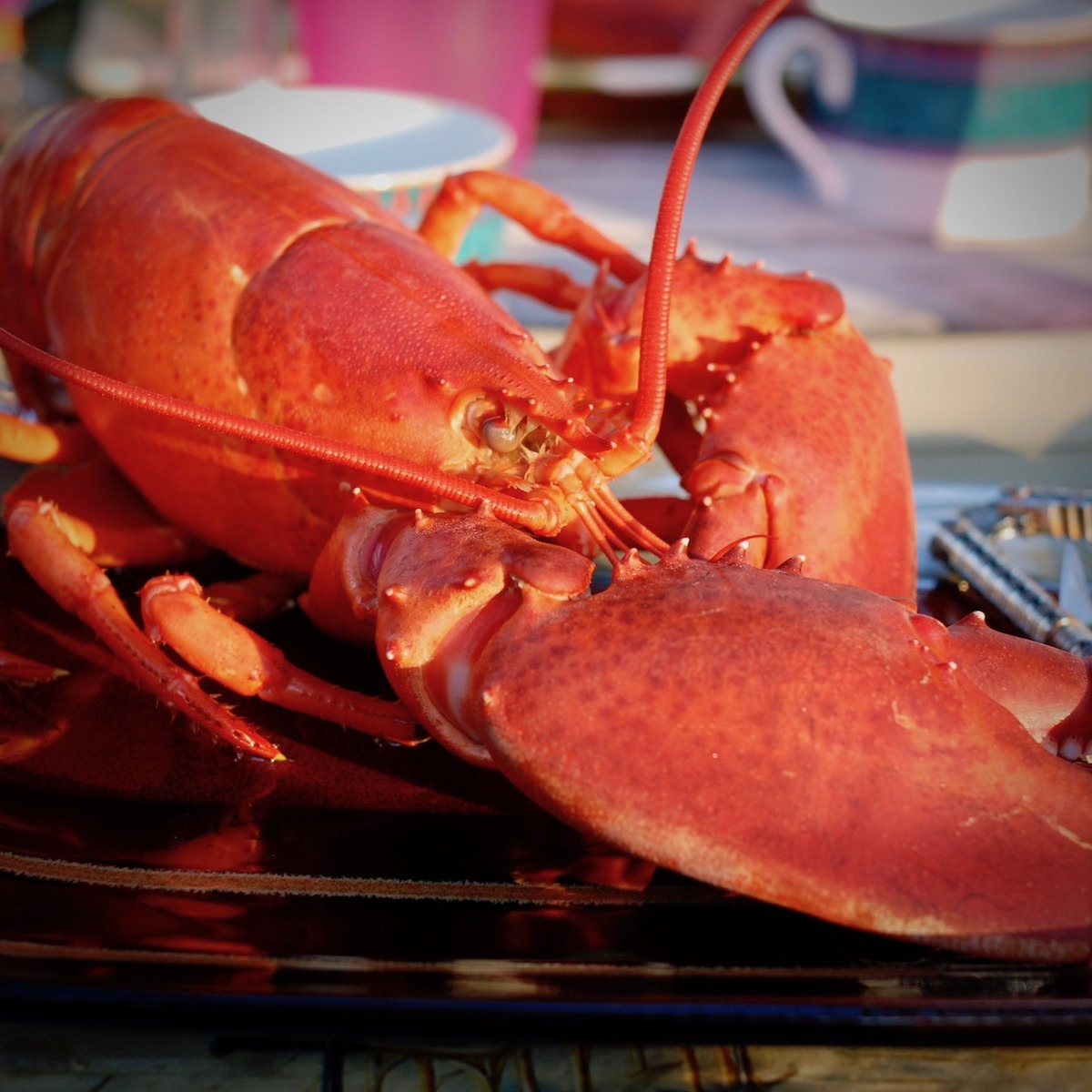
  • So out came the biggest stock pot I owned: I boiled the lobsters, cooled them outside on the porch, picked the meat the next day, and turned it into lobster fra diavolo.
  • The surprise was how well it worked: Lobster is usually treated like a delivery system for melted butter, but the spicy tomato sauce gave it structure, contrast, and just enough heat to keep the dish interesting.
  • Don’t worry if FedEx isn’t delivering live shellfish to your house: Frozen lobster tails work just fine for this recipe.

Lobster Fra Diavolo Recipe

Sweet lobster, spicy tomato sauce, and properly finished pasta create a fra diavolo that tastes bold without losing the lobster underneath all the drama.
Prep Time10 minutes
Cook Time25 minutes
Total Time35 minutes
Course: Pasta
Cuisine: American
Keyword: lobster, tomato sauce
Servings: 4 servings

Equipment

  • large pot
  • Saute Pan

Ingredients

  • 1 pound linguini
  • 2 lobsters cooked with meat removed or 4 lobster tails cooked, meat removed and split in half
  • 10 medium shrimp
  • ½ cup white wine 2 shallots finely chopped
  • 2 shallots finely chopped
  • 2 cups basic tomato sauce homemade or canned
  • 3 cloves garlic finely chopped
  • 1 teaspoon fresh oregano or 1/2 teaspoon dried
  • 3 teaspoons fresh basil chopped or 1½ teaspoon dried
  • 1 tablespoon crushed red pepper
  • ½ cup claim juice
  • salt and pepper to taste

Instructions

  • Bring a large pot of heavily salted water to a boil.
    The water should taste slightly salty. This is your only chance to season the pasta itself.
  • Heat olive oil in a wide sauté pan over medium heat. Add garlic and red pepper flakes.
    Stir constantly for 30–60 seconds until the garlic smells fragrant but has not browned.
  • Burned garlic turns the whole sauce bitter.
  • Add tomato paste if using and cook until it darkens slightly.
    This concentrates the flavor and gives the sauce more depth, rather than tasting flat and watery.
  • Pour in the white wine and scrape the bottom of the pan.
    Let the wine reduce by about half so the alcohol cooks off and the flavor concentrates.
  • Add crushed tomatoes and simmer gently for 15–20 minutes.
    The sauce should thicken slightly and lose its raw, canned-tomato taste.
  • While the sauce simmers, cook the pasta until slightly under al dente.
    The pasta should still have a little firmness because it will finish cooking in the sauce.
  • Add the lobster meat to the sauce.
    Cook gently for just a few minutes until the lobster turns opaque and barely firm.
  • Overcooked lobster becomes tight and rubbery fast.
  • Transfer the pasta directly into the sauce along with a splash of pasta water.
    Toss continuously until the sauce coats the noodles rather than sitting beneath them.
  • Finish with butter, parsley, and a squeeze of lemon juice if needed.
    Butter softens the sharp edges while lemon brightens the sauce and wakes everything up.
  • Serve immediately.
    Fra diavolo waits for nobody. The pasta keeps absorbing sauce and the lobster keeps cooking even off the heat.

Notes

You want to time the cooking of the linguini with making the fra diablo sauce. The pasta should be al dente so you have to pay attention to when you start actually cooking the pasta. Having the sauce ready and having to wait on the pasta is not great, but overcooked pasta is worse.
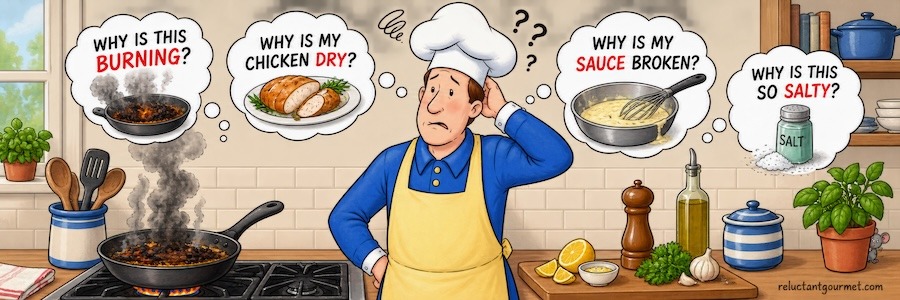
Frustrated cook making common mistakes.

What Most Cooks Get Wrong

  • Too much heat: If your mouth goes numb after two bites, the sauce is hiding the lobster instead of supporting it.
  • Overcooking the lobster: Lobster goes from tender to rubbery faster than most people realize.
  • Using watery tomatoes: Thin sauce slides off the pasta and tastes flat.
  • Adding pasta after plating: Tossing the pasta in the sauce matters. That’s where the dish comes together.
  • Skipping acidity at the end: A splash of lemon or extra wine can sharpen the entire dish.
Quick Fixes & Pro Tips

  • Sauce too spicy? Add a small knob of butter instead of sugar. Butter softens the edges without making the sauce taste sweet.
  • Sauce too acidic? Simmer it a few extra minutes before adjusting anything else.
  • Lobster overcooked? Pull it from the sauce immediately. Residual heat keeps cooking it.
  • Need deeper flavor? Add a spoonful of tomato paste before the wine and cook it until brick red.
  • Want restaurant texture? Finish with a splash of pasta water to emulsify the sauce.
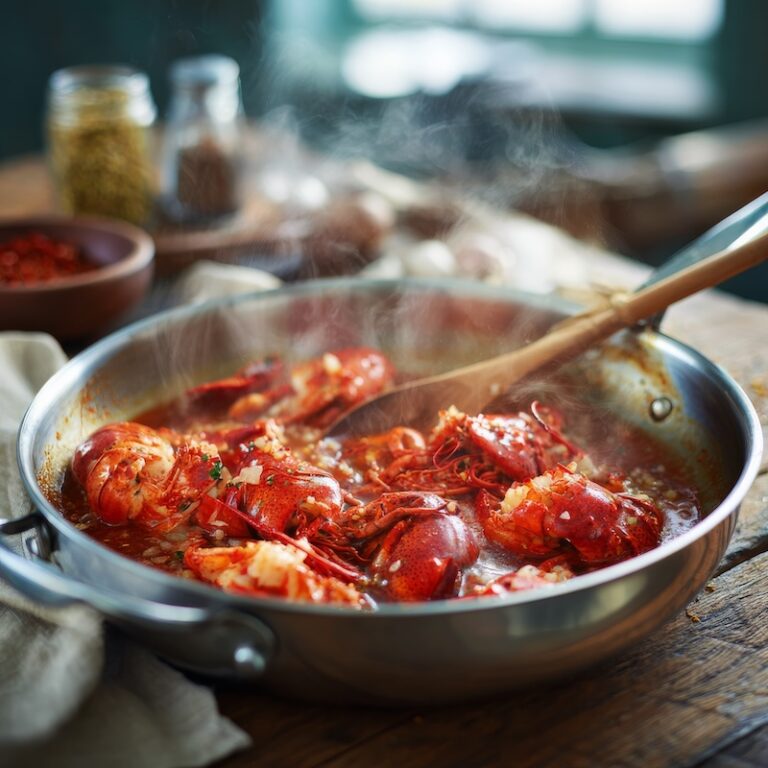
lobster meat simmering in spicy tomato garlic sauce inside a wide stainless saute pan

What You Can Serve With This

  • Crusty Italian bread: Good for dragging through every last streak of sauce.
  • Simple Caesar salad: The cold crunch balances the warm spicy pasta.
  • Roasted asparagus: Keeps the meal lighter and cuts through the richness.
  • Garlic sautéed spinach: Fast, sharp, and built for tomato sauces.
  • Wine pairing: Try Barbera, Chianti Classico, or a crisp Vermentino.
  • For a richer dinner: Serve with grilled broccolini and lemon risotto.

Storage & Make-Ahead

  • Best eaten fresh: Lobster texture declines quickly once reheated.
  • Store leftovers: Refrigerate in an airtight container for up to 2 days.
  • Reheat gently: Warm slowly over low heat with a splash of water or stock.
  • Make ahead tip: Prepare the sauce a day ahead and cook the lobster fresh before serving.

The Real Story Behind Fra Diavolo

  • Fra diavolo means “brother devil”: The name refers to the spicy tomato sauce, not some ancient lobster recipe from Naples.
  • This dish is largely Italian-American: Southern Italian immigrants brought spicy seafood traditions to cities like New York and Boston, where lobster was far more available than it had been back home.
  • The American version became bigger and richer: More lobster. More sauce. More drama. Restaurant menus loved it because it felt both rustic and expensive at the same time.
  • The best versions still keep balance in mind: The lobster should taste sweet and distinct, even with all the garlic, tomatoes, and heat surrounding it.

Tell Me How You Make It

  • Do you like your fra diavolo aggressively spicy or more balanced?
  • Have you tried this with shrimp, crab, or mixed seafood instead of lobster?
  • Tell me what you changed, added, or accidentally set on fire. That's how good recipes evolve.

Frequently Asked Questions

What does fra diavolo mean?

Fra diavolo translates to “brother devil” in Italian and usually refers to a spicy tomato-based seafood sauce.

How spicy should lobster fra diavolo be?

Spicy enough to wake up the sauce, not erase the lobster. You should still taste sweetness from the shellfish.

Can I use frozen lobster tails?

Yes, but thaw them completely and pat them dry before cooking.

What pasta works best with fra diavolo?

Linguine and spaghetti are classic because they hold the sauce well without overpowering the seafood.

Can I make this with shrimp instead?

Absolutely. Shrimp fra diavolo is one of the most common variations.

Why is my lobster rubbery?

It was cooked too long. Lobster needs gentle heat and short cooking times.

Should I use fresh tomatoes or canned?

Good canned tomatoes usually work better because they deliver consistent sweetness and acidity year-round.

Can I make the sauce less spicy?

Yes. Reduce the red pepper flakes and finish with butter to soften the heat.

Do I need wine in the sauce?

Wine adds acidity and depth, but seafood stock with a squeeze of lemon can work in a pinch.

Boiled Red Lobster

Online Source: Lobster & Lobster Tails

We don't eat a lot of lobster except for special occasions, but if we did, I would not hesitate to purchase them from Lobster anywhere. And if I wanted to send lobsters or tails to family and friends, I would use them as my source.

Lobster Anywhere has provided live Maine lobsters and premium seafood to white tablecloth restaurants, hotels, and large institutions throughout the United States for over three decades. They established an unparalleled reputation for serving customers with discerning tastes. If you want live Maine lobsters and fresh seafood delivered overnight for your business or special event, you can count on Lobster Anywhere to deliver.

Some of My Favorite Seafood Recipes

Leave a Reply

Your email address will not be published. Required fields are marked *

Recipe Rating


This site uses Akismet to reduce spam. Learn how your comment data is processed.