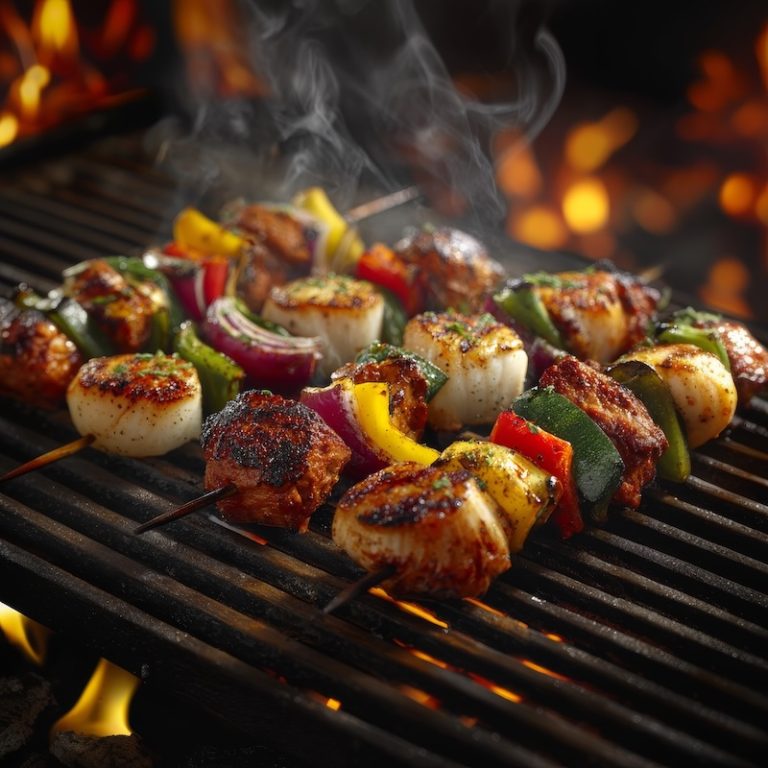
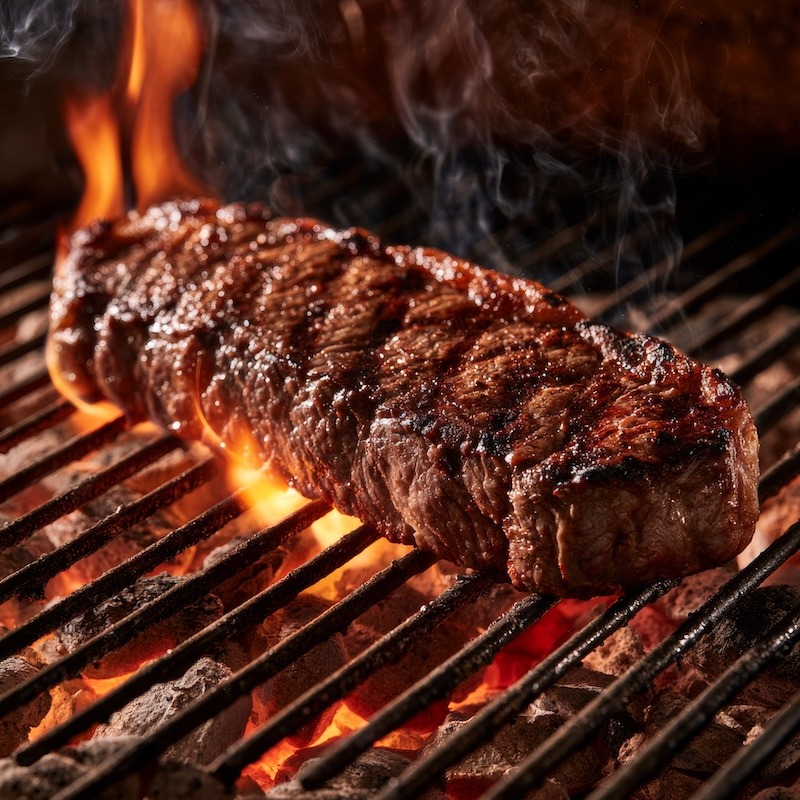
The Secret to Juicy Steak, Chicken & Scallop Kabobs
Kabobs are one of the easiest ways to grill a complete meal, but they can go sideways fast if ingredients cook at different speeds.
This guide shows you how to build better steak, chicken, and scallop kabobs using simple prep techniques, smarter skewer combinations, and grilling tips that help everything finish juicy, flavorful, and evenly cooked.
Start Here
- Match cooking times: Keep steak, chicken, and scallops on separate skewers whenever possible.
- Cut evenly: Uniform pieces cook more consistently and prevent dry spots.
- Preheat the grill: Hot grates create better browning and help prevent sticking.
- Don’t overcrowd: Leave small gaps between ingredients so heat can circulate.
- Use high heat: Kabobs cook best fast and hot, not slow and cautious.
Why This Technique Works
- Separate skewers solve timing problems: Chicken, steak, and scallops rarely finish at the same moment.
- Quick cooking preserves moisture: High heat gives you caramelization before the proteins dry out.
- Simple marinades add flavor fast: Small pieces absorb seasoning quickly.
- Uniform cuts improve consistency: Everything cooks at nearly the same speed.
- Vegetables add contrast: Peppers, onions, and mushrooms balance the richness of grilled meats.
How to Make Better Kabobs
- Start with a hot, clean grill: Preheat to medium-high or high heat. Clean and oil the grates so the kabobs don’t stick.
- Cut everything evenly: Aim for 1 to 1½-inch pieces so steak, chicken, and vegetables cook at a similar pace.
- Dry the scallops: Pat scallops well with paper towels before grilling. Dry scallops brown instead of steam.
- Marinate smart: Marinate steak and chicken for at least 30 minutes. Keep scallop marinades light and short because too much acid can make them mushy.
- Build loose skewers: Thread ingredients with small gaps between pieces so heat can circulate.
- Use separate skewers when possible: Steak, chicken, and scallops cook at different speeds. Separate skewers make timing much easier.
- Grill over direct heat: Cook steak about 8–10 minutes, chicken about 10–12 minutes, and scallops about 4–6 minutes total.
- Control flare-ups: Move skewers to a cooler part of the grill if flames get aggressive. Fire should kiss the food, not mug it.
- Rest before serving: Let steak and chicken rest for a few minutes. Serve scallops right away.
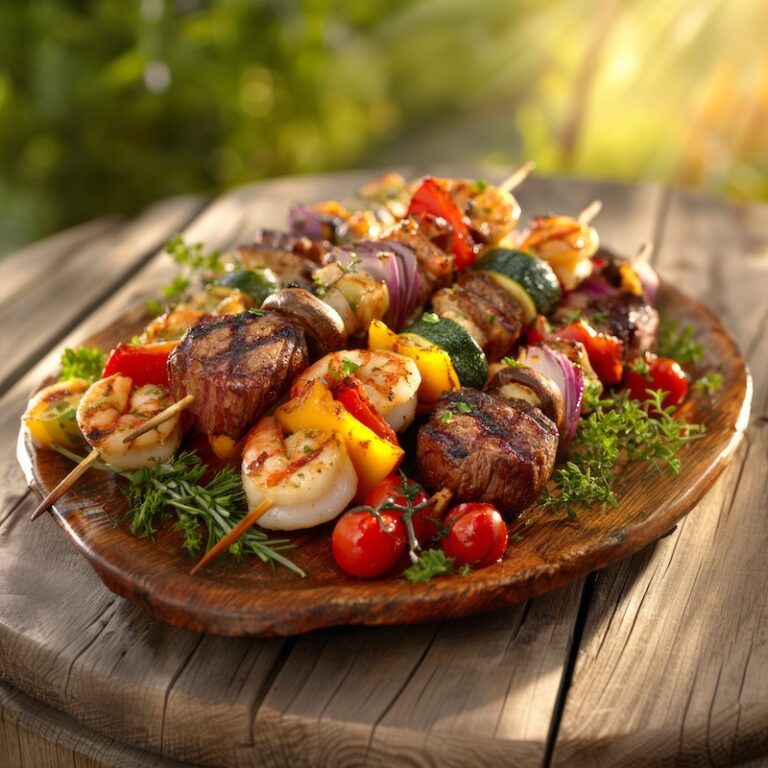
Fantastic Ingredients To Make Kabobs With, Prep, & Why
| Ingredient | Prep Tips | Why It Works |
|---|---|---|
| Beef | Use tender cuts like sirloin or ribeye; cut into uniform cubes; marinate 1–2 hours. | Grills evenly; absorbs marinades well; provides rich, hearty flavor for skewers. |
| Bell Peppers | Cut into 1–2 inch pieces; remove seeds and membranes. | Add sweetness, color, and crisp texture; cooks evenly on the grill. |
| Chicken | Cut into uniform cubes; marinate 30–60 minutes for flavor. | Cooks quickly; absorbs marinades well; pairs with most veggies and fruits. |
| Eggplant | Slice into thick cubes; brush with oil to prevent sticking. | Softens when grilled; mild flavor balances bold spices; adds bulk to skewers. |
| Lamb | Use leg or shoulder; cut into 1–2 inch cubes; marinate 1–2 hours. | Rich flavor pairs well with Mediterranean spices; stays tender on the grill. |
| Mushrooms | Use whole button or cremini mushrooms; remove stems if needed. | Firm texture holds up on skewers; adds umami and earthy flavor. |
| Onions | Cut into wedges or thick chunks; separate layers for even cooking. | Add sweetness and caramelization; layers help prevent skewers from drying out. |
| Pineapple | Cut into 1–2 inch chunks; remove core. | Add natural sweetness and acidity; helps tenderize meat and adds color. |
| Pork | Use tender cuts like loin or tenderloin; cut into uniform cubes; marinate 30–60 minutes. | Cooks evenly; pairs well with sweet, tangy, or spicy marinades; adds variety to skewers. |
| Scallops | Use large sea scallops; pat dry; marinate briefly; skewer carefully to avoid breaking. | Cook quickly; tender and flavorful; pairs well with citrus, butter, or light sauces. |
| Shrimp | Peel and devein; leave tails on for easier handling; marinate briefly. | Cooks quickly; tender and flavorful; pairs well with fruit and vegetables. |
| Zucchini | Slice into thick rounds or half-moons; brush with oil. | Add moisture and mild flavor; cooks evenly and complements meats and seafood. |
Helpful Tips for Home Cooks
- Cut Ingredients Evenly Description: Keep all pieces about the same size (1–2 inches). Why: Even sizes cook at the same rate, preventing some from burning while others stay raw.
- Soak Wooden Skewers Description: Soak bamboo skewers in water for at least 30 minutes. Why: Prevents them from burning or catching fire on the grill.
- Preheat the Grill or Oven Description: Bring grill or broiler to medium-high before cooking. Why: Hot surfaces give kabobs a good sear, lock in juices, and reduce sticking.
- Use Separate Skewers for Meat and Veggies Description: Thread proteins on one skewer and vegetables on another. Why: Different ingredients cook at different rates, so separating gives more control.
- Leave Small Gaps Between Pieces Description: Space ingredients slightly instead of packing tightly. Why: Allows heat to circulate for even cooking and browning.
Pro Tips for Perfect Kabobs
- Double-Skewer Loose Ingredients Description: Use two parallel skewers for delicate foods like shrimp or scallops. Why: Keeps them from spinning or tearing when flipped.
- Par-Cook Dense Veggies First Description: Steam or microwave potatoes or carrots briefly before skewering. Why: Ensures they’re tender by the time proteins are done.
- Use a Light Oil Brush Description: Brush ingredients lightly with oil before grilling. Why: Prevents sticking and helps achieve a golden crust.
- Rotate Skewers Frequently Description: Turn skewers every 2–3 minutes while cooking. Why: Promotes even caramelization and prevents burning.
- Rest After Cooking Description: Let kabobs rest 3–5 minutes before serving. Why: Allows juices to redistribute, keeping proteins tender and moist.
Build Better Kabobs
- Beef: Pair with soy sauce, garlic, rosemary, mushrooms, onions, and zucchini for bold savory flavor.
- Chicken: Lemon, garlic, oregano, and paprika work beautifully with peppers, tomatoes, and summer squash.
- Lamb: Yogurt marinades with cumin and coriander balance rich lamb flavor. Add eggplant and red onions.
- Pork: Pineapple juice, ginger, and soy sauce create sweet-savory kabobs that love peppers and pineapple chunks.
- Scallops: Keep marinades light. Lemon, thyme, and olive oil pair nicely with zucchini and cherry tomatoes.
- Shrimp: Lime, garlic, and chili flakes add brightness. Pair with peppers and summer squash.
- Swordfish: Mediterranean flavors like parsley, lemon, and capers work especially well.
- Tuna: Soy sauce, sesame oil, ginger, and scallions create steakhouse-style seafood kabobs.
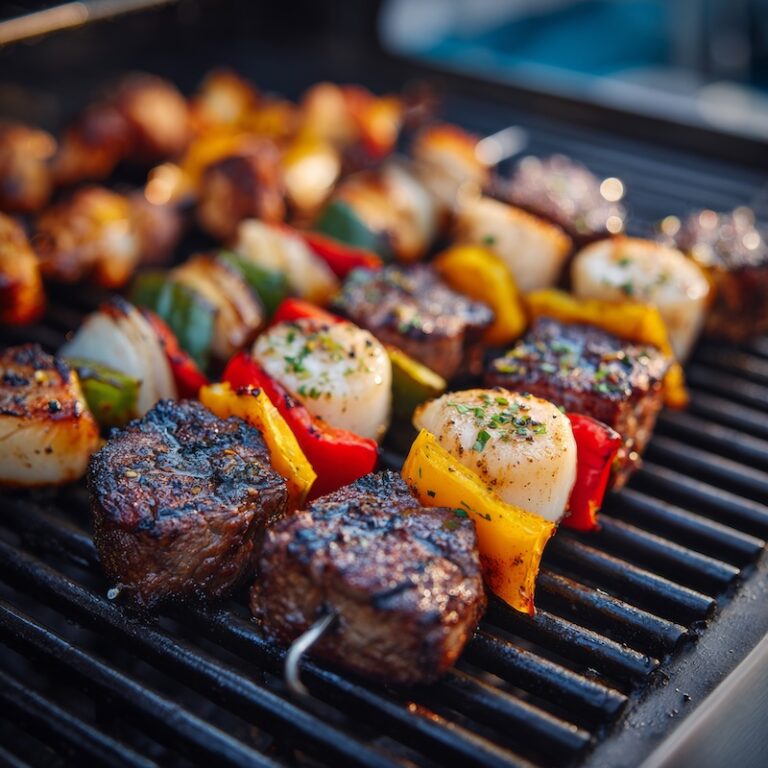
Kabobs cook fast, which is wonderful right up until the scallops turn into pencil erasers while the chicken is still raw. These timing guidelines help you group ingredients that actually finish together.
Cooking Times
| Protein | Cook Time | What to Watch For |
|---|---|---|
| Beef | 8–10 min | Nicely browned outside, medium inside |
| Chicken | 10–12 min | 165°F internal temperature |
| Lamb | 8–10 min | Best at medium doneness |
| Pork | 10–12 min | 145°F internal temperature |
| Scallops | 4–6 min | Opaque and lightly firm |
| Shrimp | 4–5 min | Pink and curled |
| Swordfish | 6–8 min | Opaque and flaky |
| Tuna | 4–6 min | Rare to medium-rare center |
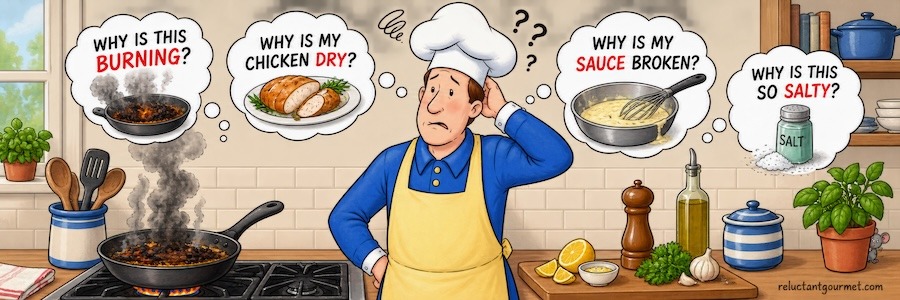
What Most Cooks Get Wrong
- Mixing everything together: Chicken and scallops do not cook at the same speed.
- Cutting uneven pieces: Small pieces dry out while larger ones stay undercooked.
- Overcrowding the skewers: Tight packing steams the food instead of grilling it.
- Skipping oil: Lean proteins stick quickly on hot grates.
- Overcooking scallops: They need only a few minutes per side.
Quick Fixes & Pro Tips
- Use two skewers: Double skewers keep ingredients from spinning when flipped.
- Soak wooden skewers: Thirty minutes in water helps prevent burning.
- Dry scallops well: Moisture prevents browning.
- Rest the meat: Give steak and chicken a few minutes before serving.
- Brush lightly with oil: This improves color and prevents sticking.
- Keep a cooler zone: Move fast-cooking items if flare-ups happen.
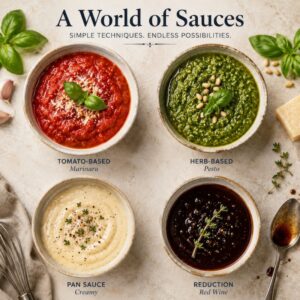
Great kabobs come off the grill tasting smoky and savory. Great finishing sauces make people suddenly “just try one more.” A spoonful of something cool, bright, spicy, or herb-packed changes the entire meal.
Choose Your Flavor Direction
- Chimichurri: Bright, garlicky, and herb-packed. Fantastic with beef, lamb, and pork kabobs.
- Garlic Yogurt Sauce: Cool and tangy with lemon and garlic. Excellent for chicken, shrimp, and lamb.
- Lemon Butter Sauce: Rich and citrusy. A natural match for scallops, shrimp, and swordfish.
- Mango Salsa: Sweet, fresh, and lightly spicy. Especially good with shrimp, tuna, and chicken.
- Mint Pesto: Fresh herbs and nuts bring brightness to lamb, pork, and grilled chicken.
- Sesame Ginger Glaze: Sweet-savory Asian-inspired flavor that works beautifully with tuna and shrimp.
- Spicy Harissa Sauce: Smoky heat that stands up well to beef, lamb, and chicken.
- Tzatziki: Cool cucumber and dill help balance smoky grilled meats.
Perfect Kabobs FAQ
- What are kabobs? Kabobs are pieces of meat, seafood, or vegetables threaded onto skewers. They cook quickly and are customizable for gatherings.
- Which cuts of beef work best? Tender cuts like sirloin or ribeye, cut into uniform 1–2 inch cubes and marinated 1–2 hours, grill evenly and absorb flavor well.
- How should I prep vegetables? Cut bell peppers, onions, zucchini, eggplant, and mushrooms into uniform pieces. Brush with oil to prevent sticking and ensure even cooking.
- Do I need to soak skewers? Soak wooden or bamboo skewers in water for at least 30 minutes to prevent burning or catching fire on the grill.
- Should I mix meat and vegetables on the same skewer? For consistent cooking, thread proteins on separate skewers from vegetables, or leave small gaps between pieces.
- How long should kabobs cook? Cooking times vary: beef 8–10 min, chicken 10–12 min, lamb 8–10 min, pork 10–12 min, scallops 4–6 min, shrimp 4–5 min. Turn every 2–3 minutes.
- How do I prevent burning or undercooking? Cut ingredients evenly, preheat grill or broiler to medium-high, rotate skewers frequently, and par-cook dense vegetables if needed.
- What are some marinade suggestions? Beef: soy sauce, garlic, olive oil, rosemary Chicken: lemon, olive oil, garlic, paprika Lamb: yogurt, garlic, cumin, coriander Pork: pineapple juice, soy sauce, brown sugar Scallops/Shrimp: citrus, olive oil, garlic, herbs Swordfish/Tuna: lemon or lime, olive oil, herbs
- Any tips for delicate proteins? Double-skewer shrimp or scallops to prevent spinning or tearing. Remove from heat as soon as opaque or cooked to desired doneness.
- Should kabobs rest after cooking? Yes, let kabobs rest 3–5 minutes before serving to allow juices to redistribute and keep proteins tender.