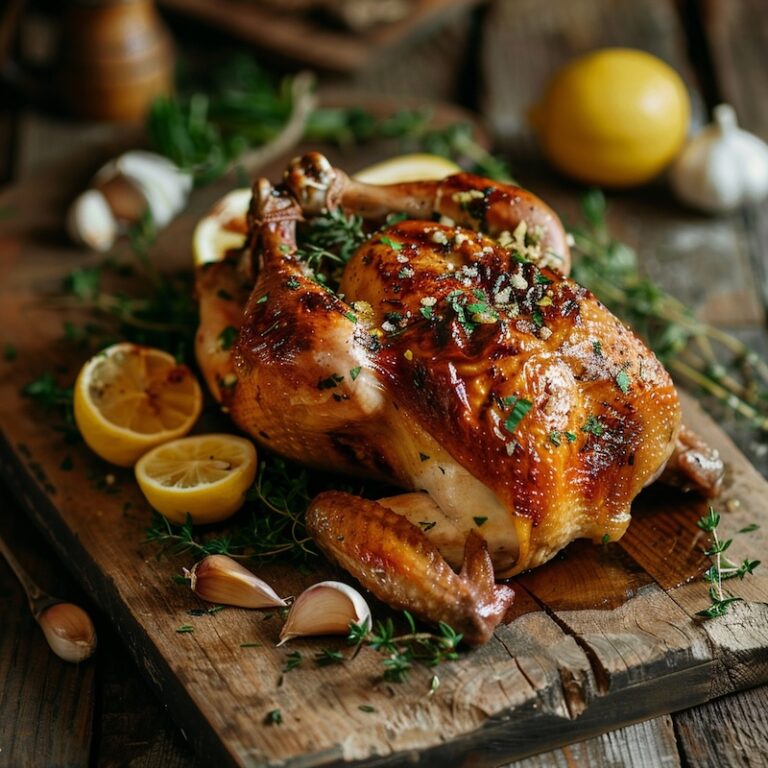
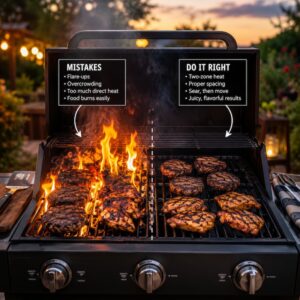
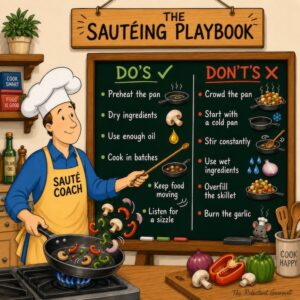
Chicken is easy to cook… and just as easy to mess up. Dry breasts, bland flavor, rubbery skin, undercooked centers. Sound familiar? These quick, no-nonsense tips cut through the noise and show you exactly what to do differently tonight. No deep dives, no culinary lectures, just practical moves that turn average chicken into something worth repeating.
Best Chicken Cooking Tips for Juicy, Flavorful Results
Cooking Tips for Better Chicken
1. Use a Meat Thermometer Every Time
Stop guessing. Chicken is perfectly cooked at 165°F, and a thermometer removes all doubt. Pull it at 160–162°F and let it rest to finish cooking.
2. Let Chicken Sit at Room Temp Before Cooking
Take it out of the fridge 15–20 minutes before cooking. This helps it cook more evenly and prevents the outside from overcooking before the inside is done.
3. Don’t Overcrowd the Pan
Give your chicken space. Crowding traps steam and prevents browning, leaving you with pale, rubbery results instead of a golden crust.
4. Pat Chicken Dry Before Cooking
Moisture is the enemy of browning. Use paper towels to dry the surface so you get better color and texture.
5. Start with the Right Heat Level
Too hot burns the outside, too low dries it out. Medium to medium-high heat is your sweet spot for most stovetop cooking.
6. Let It Rest Before Cutting
Give it 5–10 minutes after cooking. Cutting too soon lets the juices run out instead of staying in the meat.
Flavor Tips That Fix Bland Chicken
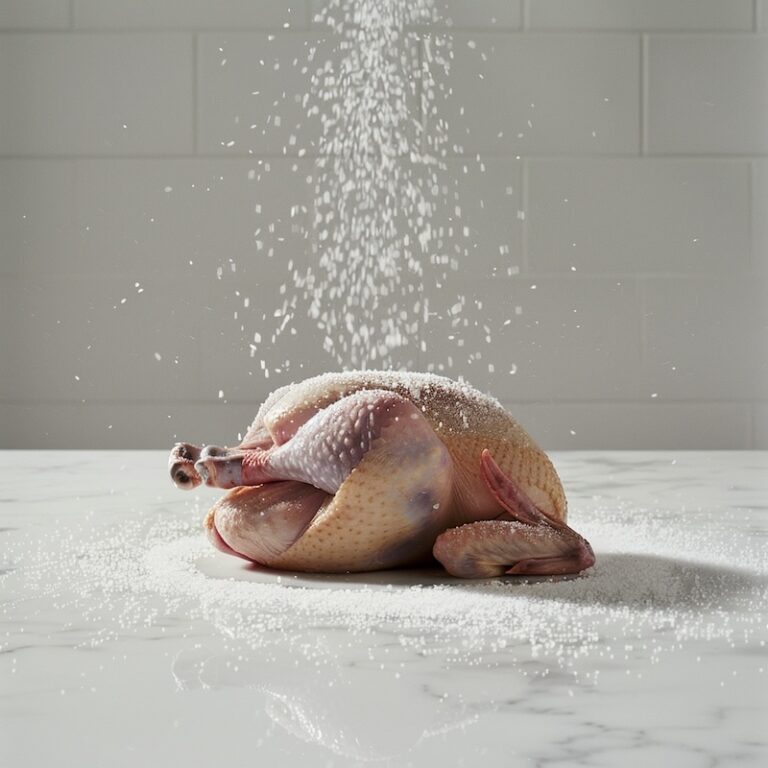
7. Salt Early for Better Flavor
Salt your chicken at least 20–30 minutes before cooking. This acts like a mini dry brine and improves both flavor and moisture.
8. Use Marinades for Lean Cuts
Chicken breasts benefit the most from marinades. Even 30 minutes can make a noticeable difference.
9. Season More Than You Think
Most home cooks under-season. Be generous with salt, pepper, and spices to avoid flat-tasting chicken.
10. Add Fat for Flavor
A little oil, butter, or even the skin itself adds richness and helps carry flavor.
11. Finish with Acid
A squeeze of lemon or splash of vinegar at the end brightens everything and balances richness.
Texture & Technique Tips
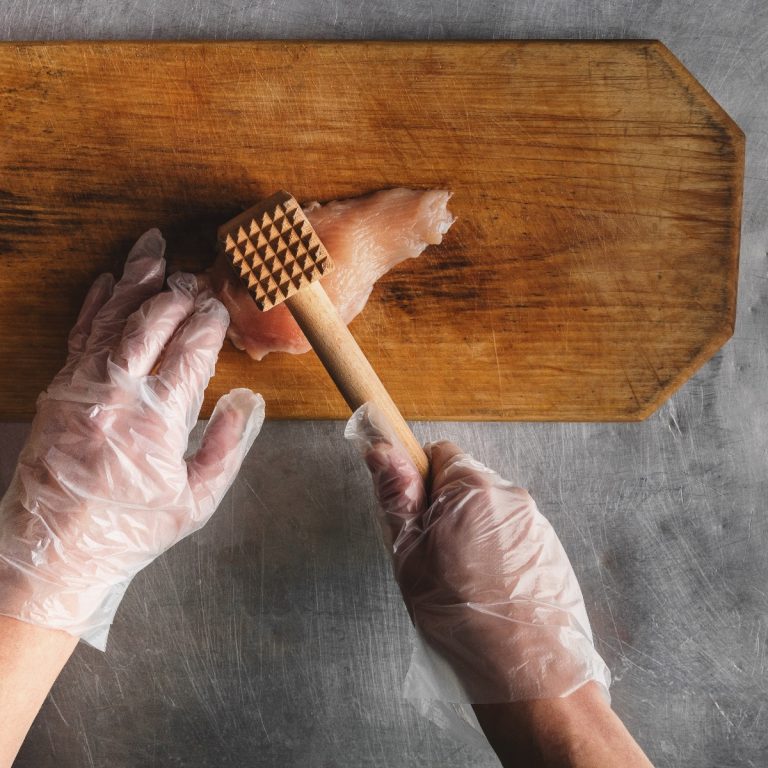
12. Pound Chicken Breasts to Even Thickness
Uneven chicken cooks unevenly. Pound thicker parts so everything cooks at the same rate.
13. Cook Skin-Side Down First
If your chicken has skin, start there. It renders fat and creates that crispy, golden finish.
14. Use Bone-In Cuts for More Flavor
Bone-in chicken stays juicier and has deeper flavor than boneless cuts.
15. Don’t Flip Too Often
Let the chicken develop a crust before turning. Constant flipping prevents proper browning.
Safety Tips You Shouldn’t Ignore
16. Don’t Wash Raw Chicken
Washing spreads bacteria around your kitchen. Cooking properly is what makes it safe.
17. Thaw Chicken Safely
Use the fridge or cold water method. Never thaw chicken on the counter.
Master these tips, and you’ll fix the most common chicken mistakes instantly. Once these become habit, cooking chicken stops feeling unpredictable and starts feeling automatic.