

Bold Mediterranean Tapenade with Olives, Capers & Anchovies

Tapenade is what happens when olives stop being polite and start becoming the life of the party. Salty, briny, garlicky, and ridiculously versatile, this Mediterranean spread can rescue bland chicken, wake up sandwiches, or make crackers disappear faster than you planned. And the best part? It takes almost no effort to make something that tastes this sophisticated.

Fast Answer

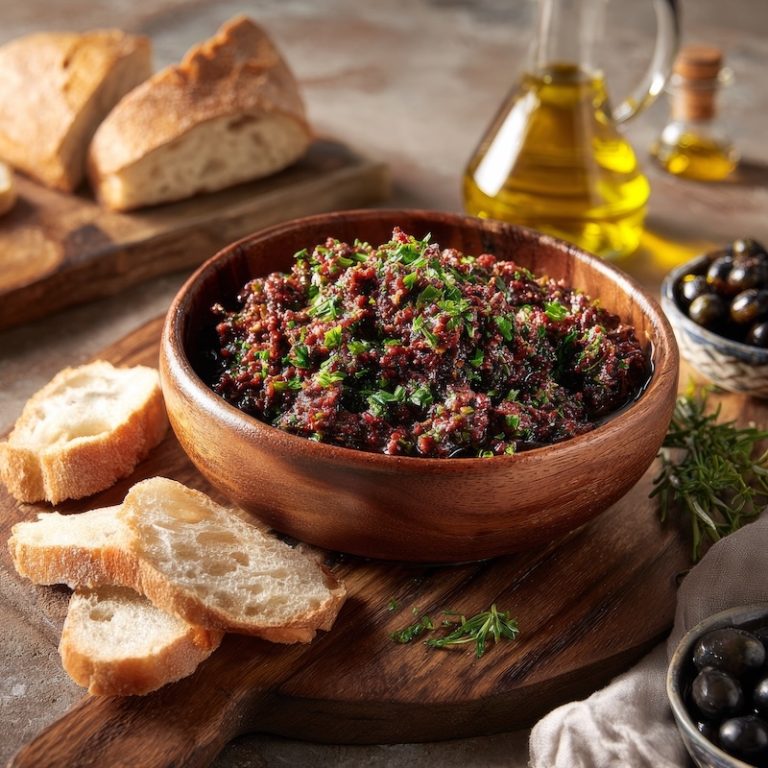
Classic tapenade is a Mediterranean olive spread made with olives, capers, garlic, olive oil, and often anchovies. It delivers bold, salty flavor in minutes and works as a dip, spread, sauce, or topping for meats, fish, vegetables, and crostini.

Easy Olive Tapenade Recipe for Crostini, Pasta & More

Tapenade may sound fancy, but it’s one of the easiest flavor boosters you can make at home.

This classic Mediterranean olive spread combines olives, capers, garlic, olive oil, and anchovies into a bold, savory condiment that instantly upgrades appetizers, sandwiches, grilled meats, and pasta dishes. Once you understand the balance of salty, briny, and acidic flavors, you can customize it endlessly to match your taste.

Start Here

  • Use good olives: Tapenade lives or dies by the olives. Choose flavorful olives packed in brine, not bland canned versions.
  • Think texture: A rustic, slightly chunky texture tastes more authentic than a completely smooth purée.
  • Balance the salt: Olives, capers, and anchovies already bring plenty of salt. Taste before adding any extra.
  • Use it beyond crackers: Tapenade works as a pasta toss, chicken topping, sandwich spread, or quick sauce starter.
  • Let it rest: Ten to fifteen minutes of resting time helps the flavors meld and soften the garlic.

Why This Recipe Works

  • Layered salty flavors: Olives, capers, and anchovies create depth instead of one-note saltiness.
  • Olive oil smooths everything out: It rounds the sharp edges and creates a silky spreadable texture.
  • Garlic adds bite: Raw garlic cuts through the richness and keeps the spread lively.
  • Lemon brightens the finish: A little acid prevents the tapenade from tasting heavy or muddy.
  • Fast preparation: Most of the work happens in the food processor, making this an easy last-minute appetizer.
“What’s your favorite way to use tapenade? On crostini, tossed with pasta, spooned over fish, or straight from the bowl with a cracker in hand? Tell me how you serve it and any twists you added to make it your own.”

Olive Tapenade Recipe
Print Recipe
5 from 1 vote

Classic Provencal Olive Tapenade Recipe

This classic tapenade recipe combines olives, capers, garlic, and olive oil into a bold Mediterranean spread that instantly upgrades appetizers, sandwiches, pasta, and grilled meats.
Prep Time15 minutes
Total Time15 minutes
Course: Side Dish
Cuisine: Mediterranean
Keyword: tapenade
Servings: 1 cup

Equipment

  • Food Processor

Ingredients

  • 1 cup pitted black olives Niçoise or Kalamata preferred
  • 2 tablespoons capers rinced and drained
  • 3 anchovy filets in oil, drained
  • 2 cloves garlic peeled
  • 2 teaspoons fresh lemon juice or to taste
  • 1 tablespoon fresh parsley leaves or ½ teaspoon dried thyme
  • ¼ teaspoon black pepper freshly ground
  • ¼ cup extra virgin olive oil more if needed

Instructions

Prepare the Ingredients

  • Rinse the capers under cool water to remove excess salt or brine. Pat them dry. Roughly chop the garlic, anchovies, and herbs so they blend more evenly.

Combine in a Food Processor

  • Add the olives, capers, anchovies, garlic, parsley, thyme, lemon juice, and black pepper to a food processor or blender.

Pulse to Blend

  • Pulse several times until the mixture is finely chopped but still has texture. Scrape down the sides as needed.

Add the Olive Oil

  • With the processor running, slowly drizzle in the olive oil until the mixture forms a thick, coarse paste. You can make it smoother or chunkier depending on preference.

Taste and Adjust

  • Taste your tapenade. Add a few drops of lemon juice if it needs brightness or a drizzle of olive oil if it’s too thick. Adjust pepper as desired — it rarely needs salt since the olives and anchovies provide plenty.

Serve and Store

  • Transfer to a small bowl and drizzle a little olive oil over the top to seal in freshness. Serve immediately or refrigerate for up to 5 days. Bring to room temperature before serving.

Frustrated cook making common mistakes.

What Most Cooks Get Wrong

  • Over-processing: Turning tapenade into baby food destroys its rustic Mediterranean character.
  • Using low-quality olives: Since olives are the main ingredient, weak olives create flat flavor.
  • Adding too much salt: Capers and anchovies already provide intense salinity.
  • Skipping acid: Without lemon juice or vinegar, the spread can taste dull and heavy.
  • Serving it ice cold: Tapenade tastes best slightly cool or near room temperature when the olive oil loosens up.
Quick Fixes & Pro Tips

  • Too salty? Add more olives, lemon juice, or a drizzle of olive oil to rebalance it.
  • Too thick? Loosen with olive oil a teaspoon at a time.
  • Too sharp? Let it rest 20 minutes so the garlic mellows naturally.
  • Want more freshness? Stir in parsley, thyme, or basil just before serving.
  • Need texture contrast? Top crostini with chopped tomatoes or shaved Parmesan.
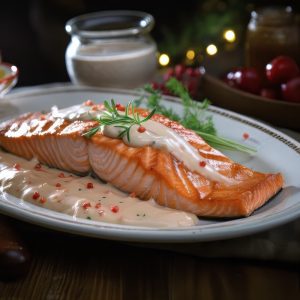
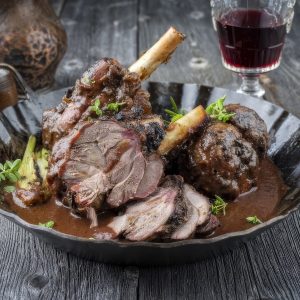
  • Make it dinner-worthy: Spoon tapenade over grilled chicken, lamb, salmon, or roasted vegetables.
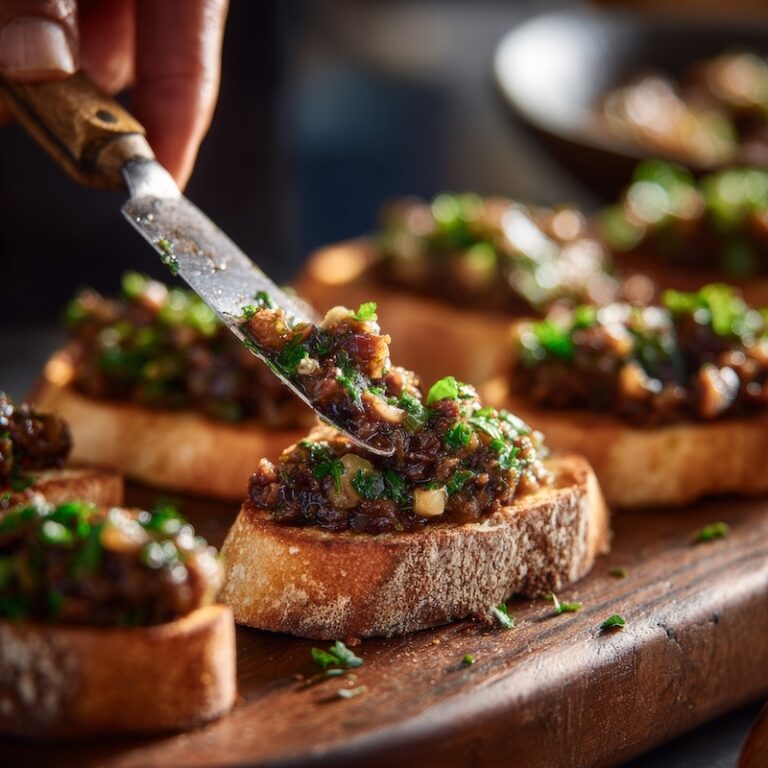
homemade olive tapenade being spread onto grilled crostini

Tapenade Success Tips

  • Use bold olives: Tapenade depends on olive flavor, so choose briny, flavorful olives like Kalamata, Niçoise, or Castelvetrano.
  • Keep some texture: Pulse the mixture instead of fully puréeing it. Rustic tapenade tastes more authentic and interesting.
  • Taste before salting: Olives, capers, anchovies, and preserved lemon already bring plenty of salt.
  • Balance with acid: A squeeze of lemon juice brightens the spread and keeps it from tasting heavy.
  • Let it rest: Tapenade tastes better after sitting 30 minutes because the garlic and olive flavors mellow together.
  • Serve at room temperature: Cold olive oil dulls flavor and firms up the texture.
  • Think beyond appetizers: Spoon tapenade onto grilled fish, chicken, pasta, roasted vegetables, or sandwiches.

What You Can Serve With This

  • Crostini or grilled bread: The classic pairing and perfect for appetizers.
  • Grilled fish: Especially salmon, cod, tuna, or swordfish.
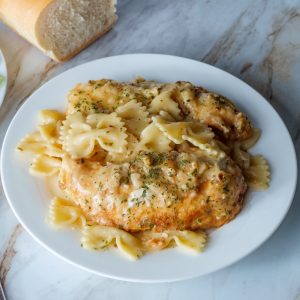
  • Roasted chicken: Tapenade acts like an instant flavor sauce.
  • Pasta: Toss with warm pasta and a splash of pasta water.
  • Cheese boards: Pair with goat cheese, feta, or Manchego.
  • Wine pairing: Serve with Sauvignon Blanc, Provençal rosé, Vermentino, or a light Pinot Noir.
  • Vegetables: Excellent with roasted zucchini, eggplant, or grilled peppers.

Storage & Make-Ahead

Tapenade stores beautifully, making it a great make-ahead appetizer. * Refrigerate in an airtight container for up to 5 days. * Add a thin layer of olive oil on top to help preserve freshness. * Let it sit at room temperature for 15 to 20 minutes before serving. * The flavor often improves after a few hours as the ingredients meld together. * Freezing works, but the texture softens slightly after thawing.

Tapenade FAQ

What olives are best for tapenade?

Kalamata and Niçoise olives are traditional choices because they have a rich, briny flavor and a soft texture.

Do I need anchovies in tapenade?

No, but anchovies add depth and umami. Even people who dislike anchovies often enjoy them in tapenade.

Can I make tapenade without a food processor?

Yes. Finely chop everything by hand for a more rustic texture.

Is tapenade supposed to be smooth or chunky?

Slightly chunky is best. You want texture, not olive paste.

Can I make tapenade ahead of time?

Absolutely. It often tastes better after resting for several hours or overnight.

How salty should tapenade be?

Bold and savory, but not aggressively salty. Lemon juice and olive oil help balance the brine.

What can I use instead of capers?

Green olives or a small amount of chopped cornichons can add similar briny notes.

Is tapenade healthy?

In moderation, yes. It contains healthy fats from olives and olive oil and is naturally low in carbohydrates.

Can I use green olives instead of black olives?

Yes. Green olive tapenade tastes brighter, sharper, and slightly more acidic.

What’s the difference between tapenade and olive spread?

Tapenade traditionally includes capers and often anchovies, giving it a deeper Mediterranean flavor.

2 Responses

Leave a Reply

Your email address will not be published. Required fields are marked *

Recipe Rating


This site uses Akismet to reduce spam. Learn how your comment data is processed.