Fast Answer
This habanero sauce takes about 25 minutes. Simmer red bell pepper, one habanero, shallot, garlic, red wine vinegar and spices for 8 minutes, then blend. One habanero makes it hot. Remove the seeds and white membranes for less heat, or add a second habanero for more.
One Habanero Is All This Sauce Needs
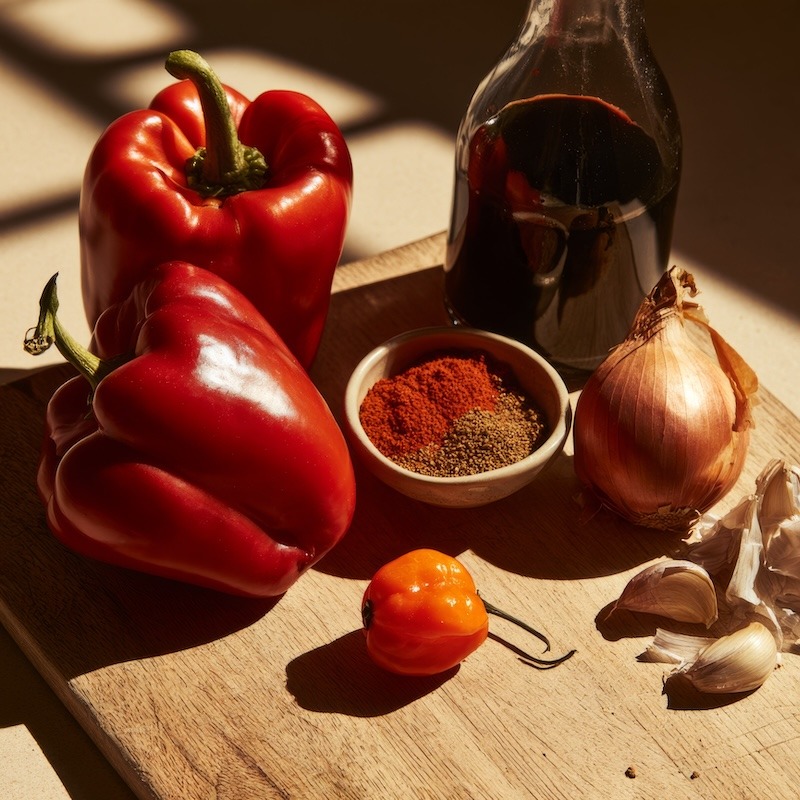
That’s why this sauce uses just one habanero. Habaneros make any sauce hot, so one is enough, and the rest of the sauce is red bell pepper, shallot, garlic and a few spices. It goes on chicken, tacos and eggs, and on most anything else that needs spicing up. Below is how to make it, how to turn the heat up or down, and what to watch out for.
Start Here
- Wear gloves when you cut the habanero, and don't touch your eyes.
- Turn on the vent fan before you start simmering.
- One habanero is enough. Add a second only after you've tasted the first batch.
- Let it cool a few minutes before blending, and vent the blender lid.
What Most Cooks Get Wrong
- Skipping the gloves: the oils stay on your skin and can burn hours later.
- Not ventilating: simmering habaneros puts fumes in the air.
- Blending hot liquid with a sealed lid: the steam can push the lid off.
- Tasting a big spoonful: taste a drop first.
- Serving it to kids without warning: it's hot, and most kids won't like it.
Why This Works
- One habanero supplies the heat, and the red bell pepper supplies the body and a little sweetness.
- The vinegar adds tang that keeps the heat from tasting flat.
- Paprika, coriander and cumin give it a warm, Mexican-style flavor under the heat.
- Simmering before blending softens the peppers so the sauce comes out smooth.
How to Dial the Heat Up or Down
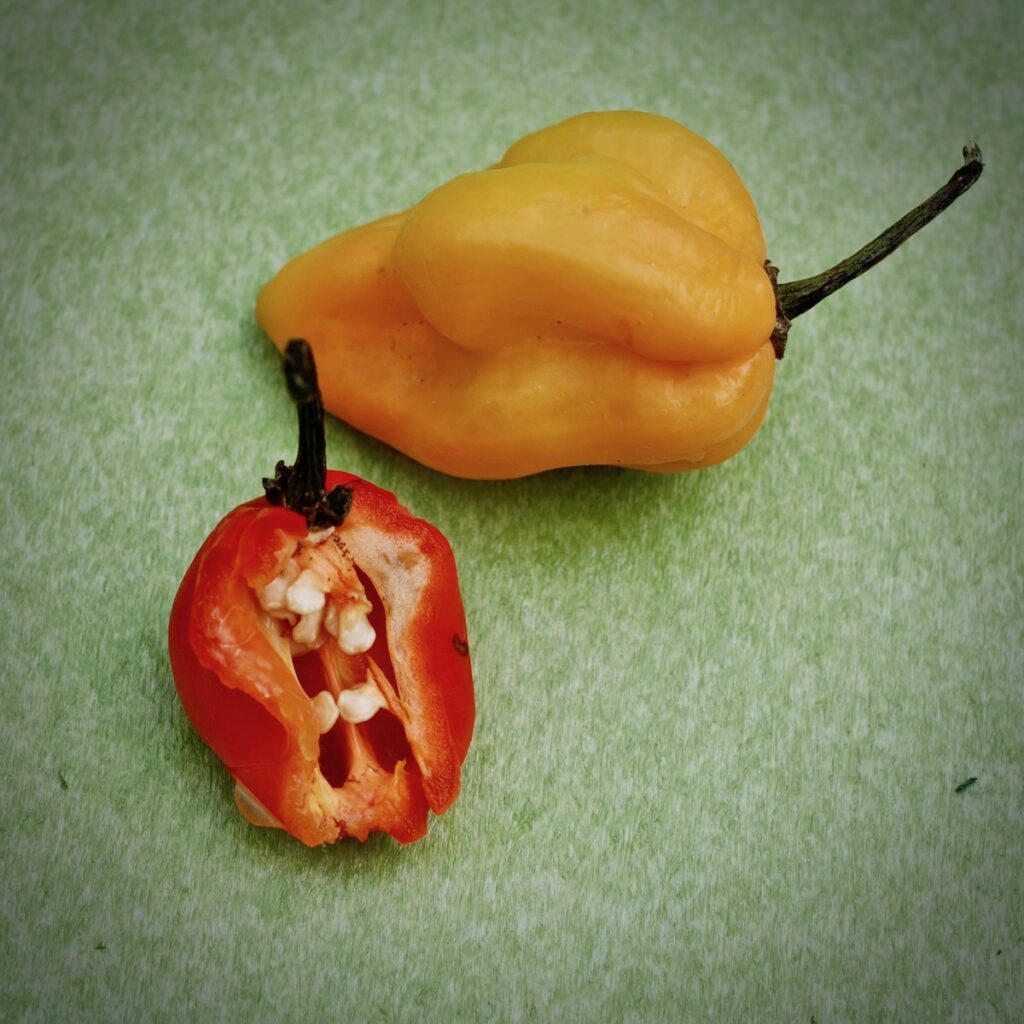
- For less heat: remove the seeds and white membranes from the habanero, since that's where much of the heat sits. Or add a second bell pepper or a carrot to the pot.
- For more heat: add a second habanero and leave the seeds in. Add one at a time.
- Cooking won't help: simmering the sauce does not make a habanero milder.
- To tame it on the plate: a spoonful of yogurt, sour cream or cheese helps.
Habanero Sauce Recipe
Equipment
- Blender
Ingredients
Instructions
Prep the Peppers
- Put on gloves, then roughly chop the bell pepper and the habanero. If you're using a dried habanero, grind it.
Prep the Shallot and Garlic
- Mince the shallot and garlic.
Simmer
- Turn on the vent fan. Combine all of the ingredients in a saucepan, bring to a boil, then simmer for 8 minutes.
Blend
- Let the mixture cool for a few minutes, then puree it in a blender, venting the lid so the steam can escape.
Quick Fixes and Tips
- Too hot? Blend in more cooked bell pepper or a carrot.
- Too thick? Thin it with a little water.
- Tastes flat? A pinch more salt, or a splash of red wine vinegar.
- Want it smoother? Blend a little longer.
Storage and Make-Ahead
- Keep it refrigerated and use it within 2 weeks to be safe.
- It can be frozen. Freeze it in small portions.
- This recipe hasn't been tested for canning, so don't can it.
Goes Great With These Foods
| Food | Description | Why It Works |
|---|---|---|
| Tacos (especially pork or fish) | Street-style or grilled, tacos soak up the heat and brightness of habanero sauce. | The citrusy heat cuts through rich meats or enhances the freshness of fish. |
| Grilled Chicken | Juicy, charred chicken gets a bold flavor boost from the fruity spice. | The sauce adds depth and contrast to the smoky grilled flavor. |
| Eggs (scrambled, fried, or in burritos) | Morning eggs become far more exciting with a dash of heat. | The richness of eggs balances the intense spice and brings out the flavors. |
| Burgers or Sandwiches | A fiery layer between buns turns a basic sandwich into a flavor bomb. | Habanero sauce adds contrast to creamy cheeses or fatty meats. |
| Rice and Beans | Classic Latin staples soak up flavor and heat beautifully. | The sauce adds complexity to otherwise mild, earthy ingredients. |
| Ceviche | Fresh citrus-marinated seafood pairs beautifully with habanero’s zing. | The fruity heat complements lime and enhances the seafood’s brightness. |
| Pizza | A drizzle on top of cheesy pizza adds surprise and personality. | Habanero’s heat cuts through cheese and brightens tomato-based sauces. |
| Grilled Shrimp or Scallops | Seafood’s sweetness plays off the habanero’s sharp, tropical notes. | The contrast creates a balanced and elevated dish. |
| Roasted Vegetables | A bold finish on sweet or earthy roasted veggies like carrots or sweet potatoes. | The sweet/spicy combo is addictive and brings out hidden flavors in the veggies. |
| Pulled Pork or Ribs | Habanero sauce kicks BBQ classics up a notch without overshadowing them. | Its brightness cuts through fatty richness and adds a zesty edge. |
Habanero Peppers
Habanero peppers pack a serious punch and a ton of flavor. These small, lantern-shaped chilis are known for their intense heat and bright, fruity notes that set them apart from other hot peppers.
Native to the Amazon region and now cultivated across the Americas, habaneros have become a favorite among spice lovers seeking to add a touch of complexity to their dishes. They typically ripen from green to vibrant orange or red, though you’ll also find chocolate, white, and even purple varieties.
When you bite into a habanero—or more likely, when it hits your tongue in a sauce—you’ll first notice a floral, citrusy burst before the burn sets in. And that burn is no joke. Habaneros range from 100,000 to 350,000 Scoville Heat Units, which makes them roughly 12 to 100 times hotter than a jalapeño, depending on the pepper.
Cooks use habaneros in everything from hot sauces and marinades to fruit salsas and chili pastes. Handle them carefully—wear gloves, avoid touching your eyes, and taste with caution. A little goes a long way.
My Personal Experience With These Hot Peppers
We were having a party a couple of years ago, and I made a mango salsa that I wanted to spice up, so I cut up a fresh habanero into 8 pieces. I know it was 6 pieces because I was told by a friend to make sure I removed all 6 pieces before serving because you don’t want anyone to get a whole piece in a bite.
So I let the habanero pieces sit in the salsa for about an hour, removed them, and tasted the salsa, which was hot. Not too hot, but after a few bites, it got me sweating.
I wanted to see just how hot these peppers are, so I took a 1/6 piece, cut it in half, and put it in my mouth. That was a mistake. Maybe I’m a wimp when it comes to hot peppers, but this felt like someone lit a fire in my mouth. WOW!
So please be careful with this sauce, especially if you are serving it to kids who I can tell you right now are not going to like it because of the heat.
FAQ for Habanero Sauce
How do you make habanero sauce at home? Simmer red bell pepper, a habanero, shallot, garlic, water, red wine vinegar, and spices for about 8 minutes, then blend until smooth. Wear gloves and run a vent fan while it simmers.
What are the ingredients in habanero sauce? This one uses red bell pepper, one habanero, shallot, garlic, water, red wine vinegar, paprika, coriander, cumin, and salt.
How many habaneros does it take to make hot sauce? It depends on the sauce. Some recipes use 10 to 20 habaneros. This one uses a single habanero with a red bell pepper base, and it is still hot.
What is the best-tasting habanero sauce? That depends on how you like it. Cooked sauces built on sweet vegetables like bell pepper or carrot balance the heat with some sweetness, which is how this one is made.
How do I make habanero sauce less hot? Remove the seeds and white membranes from the habanero, use less of it, or add more bell pepper or a carrot to the pot. Cooking the sauce does not make the habanero milder.
How do I make habanero sauce hotter? Add a second habanero and leave the seeds and white membranes in. Add peppers one at a time, because habaneros make any sauce hot.
How long does homemade habanero sauce last? Keep it refrigerated and use it within 2 weeks to be safe, or freeze it. This recipe has not been tested for canning.
Can I use dried habaneros instead of fresh? Yes. Grind a dried habanero and use it in place of the fresh one.
Do I need to wear gloves when handling habaneros? Yes. The oils stay on your skin and can burn your eyes or other sensitive spots hours later. Wash your hands well with soap even if you wore gloves.