
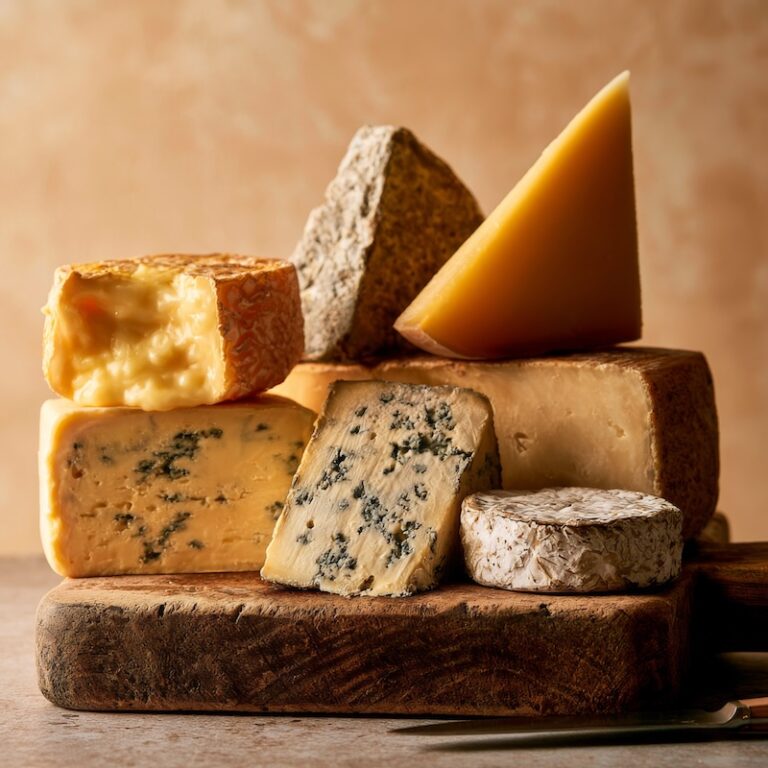


What a Danish Mother and a True Cheesemonger Taught Me About Cheese
My mother was from Denmark, which meant that when my mormor came to visit, or on holidays when my mother felt like cooking the way she grew up cooking, something different appeared on the table. Tilsit. Havarti. Mycella blue. Vesterhavsost. These weren’t served with crackers from a box. They were just there, matter-of-factly, the way serious food tends to appear in households that have always taken it seriously. I didn’t fully understand what I was eating. I understood it was different.
The real education came later. When my wife and I moved to Park City in 1996, I met a man named David B. who ran a small specialty food business called Campagne. He supplied the high-end restaurants in Park City and Deer Valley — cheese, imported meats, greens that most kitchens in the area had never seen. Eventually he opened a small takeout operation out of the front of his warehouse where locals could buy the same things he was selling to the best chefs in the valley. Walking in there felt like being let in on something.
David introduced me to washed-rind cheeses. The first thing he did before letting me taste one was make me smell it. He was testing me — but he already knew I’d love it. He was right. There’s a specific kind of person who smells Epoisses for the first time and leans in rather than pulling back. I was apparently that person. I just didn’t know it yet.
David went on to become one of the top personal chefs in the area, running a business called World Kitchen. Campagne is long gone. But everything I know about how to think about cheese started in that warehouse. This page is my attempt to organize what I’ve learned since.
The Cheese Selection Tool — filter by milk type, texture, and best use to find the right cheese
to find your cheese.
The Full Cheese Reference Table
How to Think About Cheese Texture
- Spreadable: Soft enough to go on a cracker without a knife fight. Cream cheese, chèvre, mascarpone, ricotta.
- Creamy: Holds its shape but yields easily when you cut it. Brie, Camembert, fresh mozzarella, burrata.
- Sliceable: Firm enough to cut clean slices but not crumbly. Gouda, Fontina, Havarti, Provolone.
- Crumbly: Breaks apart rather than slicing cleanly. Feta, blue cheese, aged cheddar, Manchego.
- Hard / Grate-able: Too dense to slice usefully — grate or shave it. Parmesan, Pecorino Romano, aged Gouda, Gruyère.
What Cheese Color Tells You
Color alone won’t identify a cheese, but it narrows the field — and it tells you something about the milk, the age, and sometimes the process.
The color of cheese can vary widely, influenced by factors such as the type of milk used, the presence of certain additives or flavorings, and the aging process. Here are some common color ranges found in different types of cheese:
- White: Fresh cheeses, such as mozzarella, feta, and ricotta, often have a naturally white or creamy color.
- Yellow to Orange: Many cheeses, particularly those made from cow’s milk, have a natural yellow or orange hue. This color comes from the presence of beta-carotene, a compound found in grass consumed by cows. Cheddar, Colby, and many American cheeses fall into this category.
- Ivory to Pale Yellow: Cheeses like Swiss, Gruyère, and Emmental often have an ivory to pale yellow color. The aging process and the type of milk used contribute to these shades.
- Off-White to Beige: Brie, Camembert, and some soft-ripened cheeses can have an off-white to beige exterior with a creamy interior.
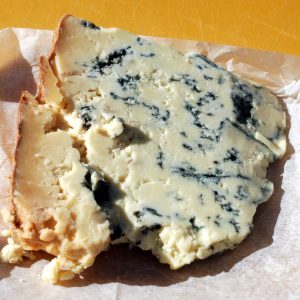
- Blue or Greenish-Gray: Blue cheeses, such as Roquefort, Stilton, or Gorgonzola, are characterized by the presence of mold cultures, giving them a distinct blue or greenish-gray color.
- Yellow-Orange with Specks: Some cheeses, like Mimolette, feature a deep orange color due to adding annatto, a natural dye. The exterior of Mimolette is often pitted and speckled.
- Brown Rind: Washed-rind cheeses, such as Limburger or Munster, can have a brownish-orange rind due to the bacteria used in the washing process.
- Black: Some cheeses, like Blacksticks Blue, have a distinctive black or dark gray appearance due to the presence of edible charcoal or ash in the production process.
These color variations contribute to the visual diversity of cheese and often correspond to differences in flavor, texture, and aroma. It’s important to note that these color ranges are generalizations, and individual cheeses may vary within these categories.
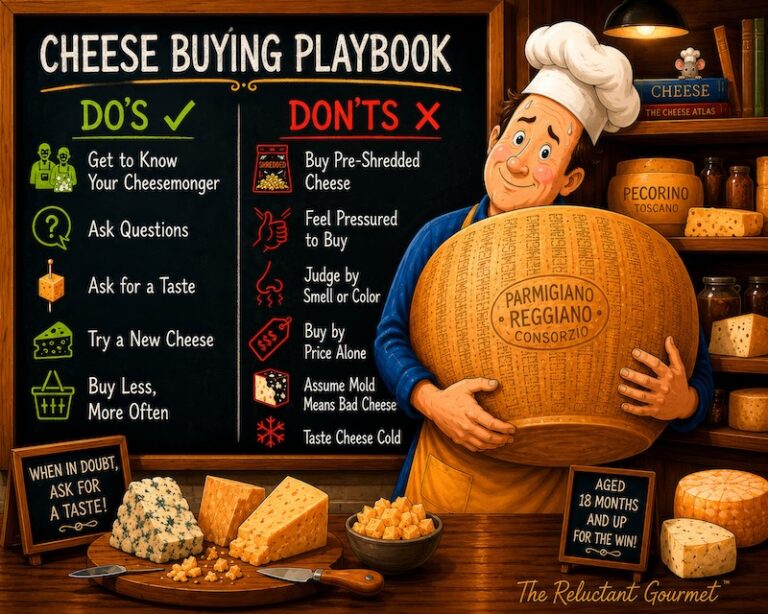
Which Cheeses Cook Best — and How
A reader once pointed out that knowing whether a cheese gets stringy, grainy, or smooth when it melts is more useful than any wine pairing chart. She was right. Here's what I've put together.
| Cheese | Taste | Texture | Good for Cooking? | Sample Recipes |
|---|---|---|---|---|
| Cheddar | Sharp, tangy, nutty | Firm, crumbly when aged | Yes | Mac and cheese, grilled cheese, cheddar biscuits |
| Mozzarella | Mild, milky | Soft, stretchy when melted | Yes | Pizza, lasagna, caprese salad |
| Parmesan | Salty, nutty, savory | Hard, granular | Yes | Pasta, risotto, Caesar salad |
| Brie | Buttery, earthy | Soft, creamy | Sometimes | Baked brie, crostini, puff pastry tarts |
| Blue Cheese | Pungent, tangy, salty | Creamy, crumbly | Sometimes | Steak topping, salads, dressings |
| Goat Cheese | Tangy, slightly sweet | Soft, spreadable | Yes | Stuffed chicken, flatbreads, salads |
| Swiss (Emmental) | Mild, slightly nutty | Semi-firm, smooth | Yes | Quiche, fondue, sandwiches |
| Fontina | Mild, buttery, nutty | Semi-soft, creamy | Yes | Gratin, pasta, grilled cheese |
| Gruyère | Rich, slightly sweet, nutty | Firm, melts well | Yes | French onion soup, fondue, croque monsieur |
| Ricotta | Mild, slightly sweet | Soft, grainy | Yes | Lasagna, stuffed shells, pancakes |
Understanding Cheese Rinds
Dry Natural Rinds
A dry natural rind cheese is a type of cheese that develops a natural, protective outer layer during aging. This rind forms without adding wax, oils, or other external coatings. Instead, it occurs naturally as the cheese is exposed to the surrounding environment.
Creating a dry natural rind involves the interplay of moisture, air, and microorganisms on the cheese’s surface. The outer layer dries out as the cheese ages, forming a protective barrier. This process allows certain beneficial molds and bacteria to flourish on the rind, contributing to the cheese’s flavor and texture.
Many traditional and artisanal cheeses are crafted with dry natural rinds, including aged varieties like Parmigiano-Reggiano, Pecorino Romano, and certain cheddars. The rind can range in appearance from rough and textured to smoother, and it often plays a role in preserving and enhancing the flavor of the cheese.
Soft White Bloomy Rinds
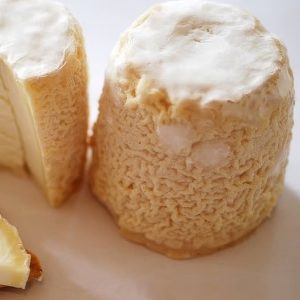
A soft white bloomy rind cheese has a delicate, edible, and velvety white mold on its surface. This type of mold is typically a penicillium species, creating a thin, powdery layer on the outside of the cheese during the aging process. This characteristic gives the cheese its distinctive appearance and contributes to its unique texture and flavor profile.
The term “bloomy rind” comes from the exterior’s blooming, or softening, as the mold matures. This process creates a creamy and gooey texture beneath the rind, allowing the cheese interior to remain firmer.
Examples include: Brie, Camembert, Brillat-Savarin, Saint Andre, and Explorateur.
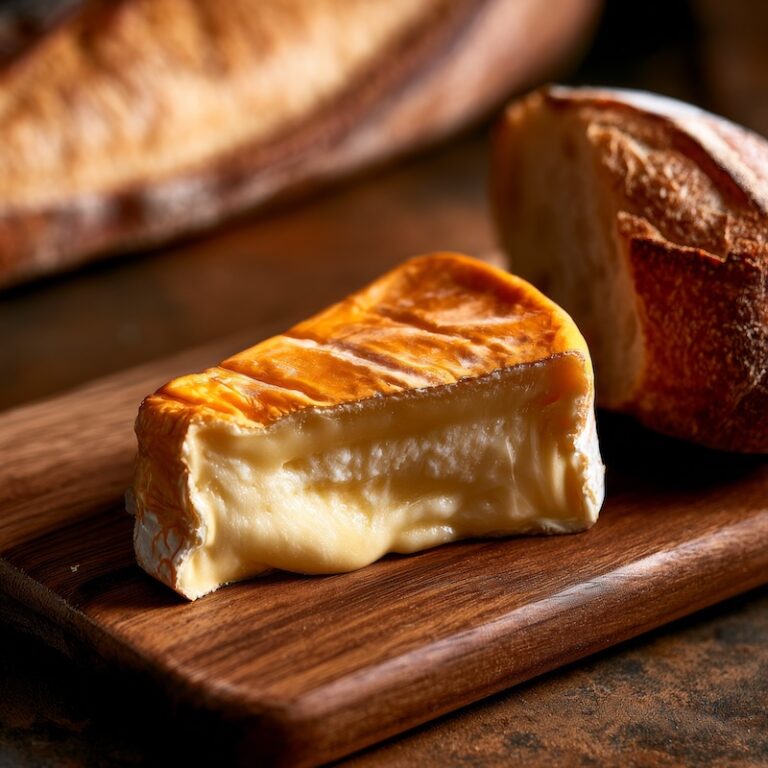
A washed rind cheese is a type of cheese that undergoes a specific affinage (aging) process where the surface of the cheese is regularly washed or rubbed with a liquid, often a brine solution, beer, wine, or spirits. This washing process encourages the growth of specific bacteria, molds, and yeasts on the cheese’s surface, resulting in a distinctive rind. The washing helps to develop unique flavors, textures, and aromas in the cheese.
Examples include Epoisses, Taleggio, Munster, Raclette, and Limburger.
Frequently Asked Questions
What’s the easiest way to identify a cheese I don’t recognize?
Start with texture and rind. If it’s soft with a white powdery exterior, you’re likely looking at a bloomy rind cheese — Brie, Camembert, or something in that family. If it’s firm with a sticky orange rind, it’s probably washed rind. Hard and granular with no rind at all means it’s been aged a long time. Milk type is harder to identify by sight, but goat and sheep cheeses tend to be whiter than cow’s milk cheeses.
Does the rind tell you how a cheese will taste?
Often yes. A bloomy white rind — Brie, Camembert — signals a buttery, earthy interior. A washed orange rind — Epoisses, Taleggio — means the cheese will smell stronger than it tastes and have a savory, meaty quality. A hard natural rind — Parmesan, Pecorino — means long aging and concentrated flavor. The rind is a reliable shortcut when you don’t recognize the name.
Can you eat the rind on most cheeses?
Bloomy rinds (Brie, Camembert) and washed rinds (Taleggio, Epoisses) are edible and worth eating — they’re part of the flavor. Hard natural rinds on aged cheeses like Parmesan are technically edible but unpleasant — most people don’t bother. Waxed rinds on Gouda and some cheddars are not edible. The Reference Guide above has an “Eat the Rind?” column for every cheese on this list.
What’s the difference between sheep’s milk, goat’s milk, and cow’s milk cheese — and does it matter?
It matters more than most people realize. Goat’s milk cheeses tend to be tangier and brighter, with an unmistakable earthiness. Sheep’s milk cheeses are richer and slightly sweeter, with more fat than cow’s milk, which is why Pecorino and Manchego have such a distinct richness. Cow’s milk is the most neutral baseline, which is why it produces the widest range of styles. If you find cow’s milk cheese bland, try sheep. If you find both too heavy, try goat.
Why does the same cheese taste different depending on where I buy it?
Age, storage, and temperature. A Brie that’s been sitting in a supermarket refrigerator for two weeks tastes completely different from one that’s been properly aged and sold at the right moment. The best cheese counters manage this carefully. The worst ones don’t. This is why buying from a cheesemonger — someone who actually knows and tastes what they’re selling — makes a real difference.
What does “washed rind” mean and why do those cheeses smell so strong?
Washed rind cheeses are rubbed or bathed during aging in brine, beer, wine, or spirits. That moisture encourages specific bacteria to grow on the surface — the same bacteria responsible for the pungent, barnyard smell. The flavor inside is almost always milder than the smell suggests. Epoisses is the extreme example: it smells aggressively funky and tastes rich, savory, and complex. If you’ve been avoiding washed rind cheeses because of the smell, try one served at room temperature. That’s when they make their case.
How do I know if a cheese has gone bad versus just being strong?
Strong smell alone isn’t a reliable indicator with aged or washed rind cheeses — that’s often exactly what they’re supposed to smell like. What actually signals a problem: ammonia smell so sharp it stings your eyes (over-ripe bloomy rind), visible mold that isn’t part of the cheese’s normal appearance, a slimy or wet texture that wasn’t there before, or a flavor that’s bitter rather than sharp. Blue cheese is supposed to be funky. Brie is supposed to smell earthy. Neither of those is a sign something went wrong.
Is there a simple rule for which cheeses melt well?
Moisture and fat content are the two levers. Higher moisture cheeses — young Gouda, Fontina, Havarti, Monterey Jack — melt smoothly and cleanly. Lower-moisture-aged cheeses — Parmesan, aged cheddar, Pecorino — don’t melt so much as they brown and crisp. The exceptions worth knowing: Gruyère melts beautifully despite being relatively firm, which is why it’s the standard for fondue and French onion soup. Feta and ricotta don’t melt at all — they just get warm and soft.
What cheeses work best on a cheese board for people who don’t know much about cheese?
Build around contrast rather than trying to please everyone with mild options. One soft and creamy (Brie or Camembert), one firm and sliceable (young Gouda or Manchego), one crumbly and sharp (aged cheddar or blue cheese if your crowd is adventurous). Three cheeses is enough. More than five and nobody knows where to start. Serve everything at room temperature — cold cheese tastes like nothing.
What’s the best way to store cheese at home?
Wrap it in wax paper or cheese paper rather than plastic wrap — cheese needs to breathe. Then loosely wrap that in plastic or put it in a container to keep it from drying out completely. Store in the warmest part of the refrigerator, usually the vegetable drawer. Hard cheeses keep for weeks. Fresh cheeses like ricotta and cottage cheese are best used within a few days of opening. And take cheese out of the refrigerator at least 30 minutes before serving — this is the single most impactful thing most home cooks don’t do.


4 Responses
It would be great to have chart of the most popular cheeses, with their taste, and texture – what makes that cheese good to cook with… Maybe even what types of recipes they are good in.
(Kind of like a spice chart)
What a great idea! I’ll have to work on it. Two new charts added above. Thanks for the suggestion.
A chart is a great idea! I’d be more interested in the cooking characteristics of different cheeses than in wine pairings, even though I don’t cook with cheese often. Even though are certain generalities and particular pairs that appeal to most palates, wine-and-cheese pairing still comes down to individual preferences. I’d trust my own palette before I’d trust a chart. But whether a cheese I’ve tasted but haven’t cooked with gets stringy or grainy or smooth when it melts is objective information that I could use.
Another great idea to create a chart for cooking characteristics of different cheeses. Of course different pairings depend on personal preferences but there may be some people who need a place to start, get some ideas before they come to their own conclusions. It might help if they knew tannic red wines go better with rich, aged cheeses and sweet wines go better with salty cheeses because of their characteristics, not because of preferences. I like your idea and will look into seeing what I can come up with. Thanks