
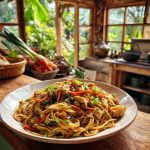
Authentic Samoan Sapasui Recipe – Easy Island-Style Noodles

Samoan Sapasui – A Comfort Food Favorite from American Samoa

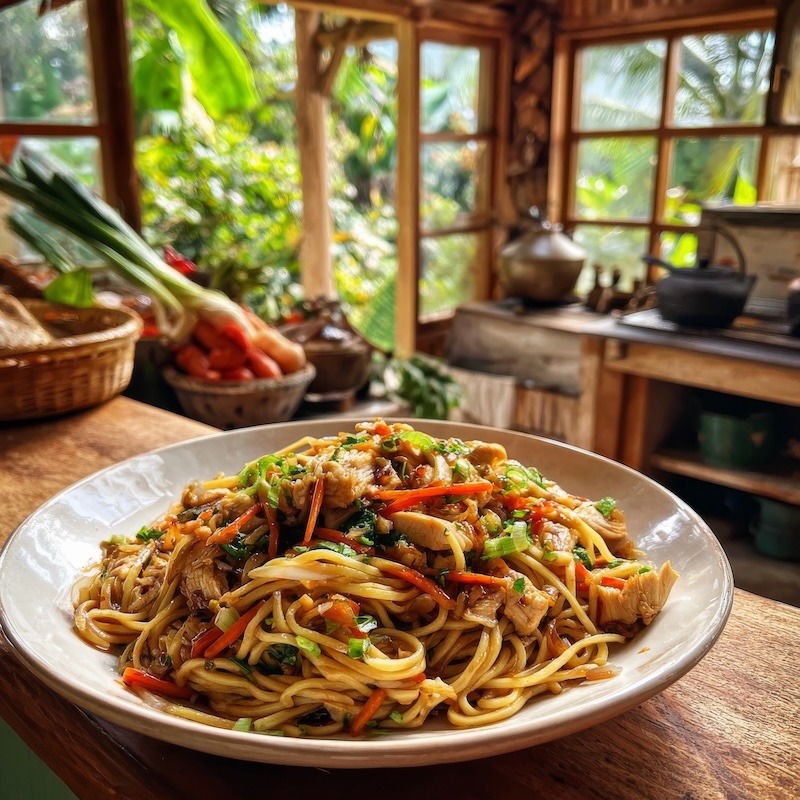
Samoan Sapasui is a comfort food favorite in American Samoa. This stir-fried noodle dish combines tender chicken, fresh vegetables, and glossy noodles in a savory soy sauce blend. It’s simple to make, full of flavor, and perfect for family dinners or casual meals.

If you’ve never tried Sapasui, now is the time. This recipe shows you how to cook authentic Samoan Sapasui at home, step by step. You don’t need fancy ingredients.

Just noodles, chicken, soy sauce, and a few colorful vegetables. The result is a warm, hearty dish that tastes like it came straight from an island kitchen.

Sapasui is more than a meal; it’s a tradition. Families in American Samoa have been enjoying this dish for generations. It’s quick, versatile, and loved by kids and adults alike. You can swap chicken for beef, pork, or tofu to suit your taste.

In this post, you’ll learn easy cooking tips, how to get the perfect texture for your noodles, and how to balance flavors just right. Make Samoan Sapasui tonight and bring a little taste of the islands to your table.

Cooking Tips for Samoan Sapasui

  1. Choose the right noodles: Thin spaghetti or vermicelli works best. Avoid overcooking—they should stay slightly firm before stir-frying.

  2. Prep ingredients ahead: Slice vegetables and chicken before heating the pan. Stir-frying moves quickly, so having everything ready saves time and keeps veggies crisp.

  3. High heat for stir-fry: Cook chicken and vegetables on medium-high to high heat. This prevents soggy noodles and ensures a glossy, flavorful coating.

  4. Don’t overcrowd the pan: Stir-fry in batches if needed. Overcrowding traps steam and prevents proper browning.

  5. Balance flavors: Taste before serving. Add a splash of soy sauce, oyster sauce, or a pinch of sugar if needed to achieve the savory-slightly sweet balance.

  6. Add vegetables last: For crunch and color, toss in bell peppers and green onions at the end. Carrots and onions can go in earlier since they take longer to soften.

  7. Protein swaps: Chicken works best, but beef, pork, shrimp, or tofu are great alternatives. Adjust cooking time according to protein choice.

  8. Garnish for freshness: Sprinkle chopped green onions or fresh cilantro just before serving to add aroma and visual appeal.

  9. Leftovers reheat well: Store Sapasui in an airtight container in the fridge up to 2–3 days. Reheat gently to avoid overcooking the noodles.

  10. Experiment with texture: For slightly crisp noodles, pan-fry a portion of the cooked noodles before tossing with the sauce and chicken.

Samoan Sapasui (Samoan-Style Chop Suey)

How to prepare authentic Samoan sapasui.
Prep Time15 minutes
Cook Time20 minutes
Total Time35 minutes
Course: Dinner
Cuisine: Samoan
Keyword: chop suey, samoan, sapasui
Servings: 4 servings

Equipment

  • Large Pan or Wok

Ingredients

  • 8 ounces thin spaghetti or vermicelli noodles
  • 2 tablespoons vegetable oil
  • 1 pound chicken breast or thigh cut into bite-sixed pieces
  • 1 small onion thinly sliced
  • 1 medium carrot julienned
  • 1 green bell pepper thinly sliced
  • 2 cloves garlic minced
  • 3 tablespoons soy sauce
  • 1 tablespoon oyster sauce optional
  • 1 cup chicken stock
  • salt & pepper to taste
  • green onions chopped, for garnish

Instructions

Cook the noodles

  • Bring a large pot of water to boil. Add noodles and cook until just tender. Drain and set aside.

Sear the chicken

  • Heat vegetable oil in a large pan or wok over medium-high heat. Add chicken and cook until lightly browned, about 5–6 minutes. Remove from pan and set aside.

Cook the vegetables

  • In the same pan, add onion, carrot, bell pepper, and garlic. Stir-fry for 3–4 minutes until slightly tender.

Combine ingredients

  • Return chicken to the pan. Add soy sauce, oyster sauce (if using), sesame oil, and chicken broth. Stir to coat evenly.

Add noodles

  • Toss cooked noodles with the chicken and vegetables. Stir-fry for 2–3 minutes until everything is well combined and heated through.

Season

  • Taste and adjust salt and pepper as needed.

Serve

  • Plate Sapasui hot and garnish with chopped green onions.
Sides Dishes & Drinks That Pair Well With Sapasui

Pairing Type Description Why It Works
Steamed White Rice Side Dish Simple fluffy rice to balance the savory Sapasui. Absorbs the flavorful sauce, making every bite satisfying.
Fried Plantains Side Dish Sweet and golden plantains, fried until crisp on the edges. The natural sweetness contrasts the savory noodles perfectly.
Green Salad with Tropical Dressing Side Dish Fresh greens with a light citrus or mango dressing. Adds freshness and crunch to balance the rich Sapasui.
Pineapple Juice Beverage Sweet, tangy juice served chilled. The acidity and sweetness refresh the palate between bites.
Samoan Kava Beverage Traditional drink made from the kava root, earthy and calming. Complements the dish authentically and adds cultural context.
Light Lager or Pilsner Beverage Refreshing beer with mild bitterness. Helps cut through the richness of the noodles and sauce.

History

Samoan Sapasui is a beloved comfort food in American Samoa. The dish arrived with Chinese laborers who settled in the islands in the early 20th century.

They brought stir-fried noodles, soy sauce, and cooking techniques. Samoans adapted these ingredients to local tastes, adding chicken, pork, or fresh vegetables and sometimes taro or coconut elements. Over time, Sapasui became a staple at family gatherings, Sunday dinners, and celebrations.

It is now considered a fusion of Chinese and Samoan culinary traditions. Families passed down their own recipes, tweaking sauces and noodle types.

Today, Sapasui represents more than just a meal—it reflects the islands’ cultural history and adaptability. Its quick preparation, savory flavors, and versatility make it popular across generations.

From home kitchens to community events, Samoan Sapasui continues to bring people together, offering both comfort and a taste of Samoan heritage.

Leave a Reply

Your email address will not be published. Required fields are marked *

Recipe Rating


This site uses Akismet to reduce spam. Learn how your comment data is processed.