Steak doesn’t come with a pause button, and guessing wrong is expensive—like “why is this shoe-leather pretending to be dinner” expensive 🥩. One minute too soon and it’s still whispering moo, one minute too long and it’s lost all its juice and joy. Learn the signs, trust your senses, and hit that sweet spot where steak actually behaves like steak.
How to Tell When Steak Is Done (Without Cutting Into It)
Steak doesn’t wait politely for a timer. Luckily, you can read its doneness through pressure, color, and juice behavior—no slicing required. Think of it as decoding heat written in beef.
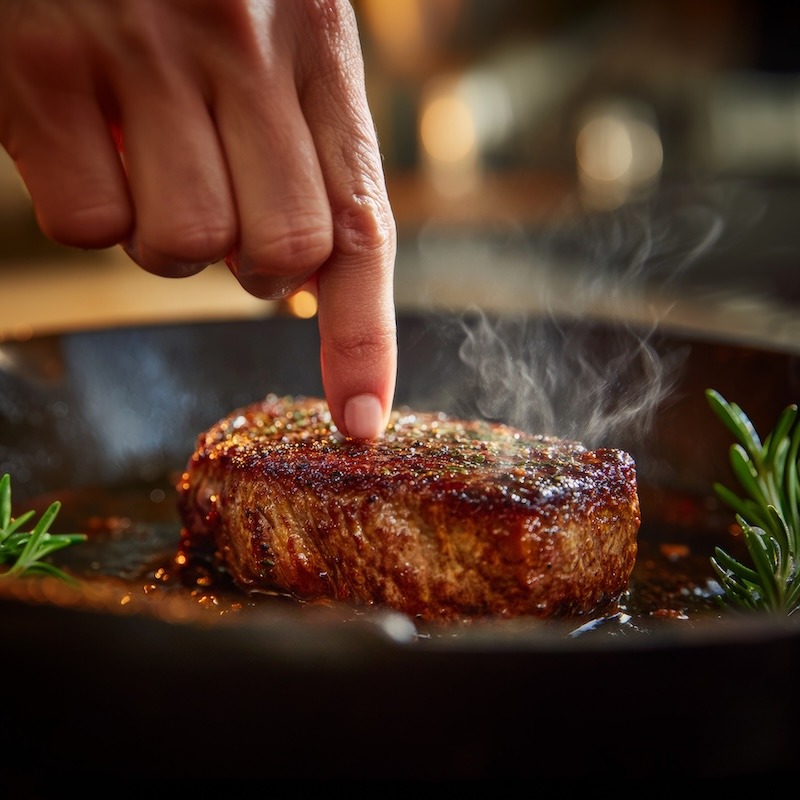
- ✋ Finger Press Test: Rare feels soft like the base of your thumb, medium-rare has gentle spring, and medium firms up slightly. The tighter it gets, the more cooked it is.
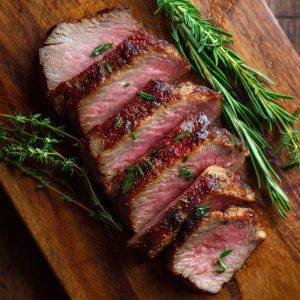
- 🎨 Color Gradient: Rare is deep red, medium-rare turns warm pink, medium is mostly pink with brown edges, and well-done becomes fully brown with little pink remaining.
- 💧 Juice Behavior: Rare and medium-rare release reddish juices, while medium becomes clearer. Dry surface usually signals overcooking.
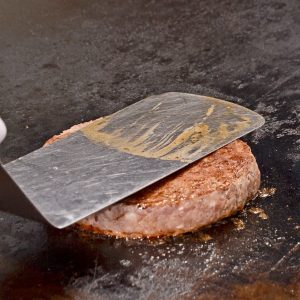
- 🔥 Surface Sear Check: A properly cooked steak shows a deep brown crust with visible caramelization—not pale or grey edges.
- 🧠 Firmness Progression: The steak moves from soft and yielding → springy → firm. If it feels hard or rigid, it has gone too far.
What Does Perfectly Cooked Steak Taste Like?
You can read the outside all day—but the real verdict happens in the bite. Perfect steak should feel balanced, juicy, and rich, with no struggle or dryness stealing the show.
- 🧈 Juicy Center: A properly cooked steak releases warm, flavorful juices with each bite—not a dry chew or crumbly texture.
- 🥩 Tender Resistance: There’s a soft give when you bite in, followed by a gentle chew—not toughness or rubbery pull.
- 🔥 Rich Maillard Flavor: The crust brings deep, roasted, almost nutty complexity from proper searing—not bitterness or char.
- ⚖️ Fat Balance: Rendered fat melts into the meat, adding buttery richness instead of sitting greasy or chewy.
- 🌿 Clean Finish: The aftertaste should feel savory and warm, not dry, metallic, or overly charred.
When You’ve Gone Too Far (Steak Overcooked Signs)
Steak doesn’t shout when it’s overcooked—it just quietly dries out and stops being fun. If you notice these signs, you’ve crossed past juicy territory into the land of chewable regret.
- 🥀 Dry Interior: The center loses its moisture and becomes firm, dry, and crumbly instead of juicy and tender.
- 🪨 Tough Chew: Each bite requires effort, with a rubbery or dense texture instead of a soft, yielding one.
- 🌫️ Gray Throughout: The interior loses its pink gradient and turns uniformly gray or brown from edge to edge.
- 💧 No Juice Release: Cutting or biting produces little to no visible juices—just dryness.
- 🔥 Crust Dominates: The sear may still look good, but it overwhelms the interior because the inside has lost balance.
Can You Fix Overcooked Steak?
You can’t fully reverse overcooked steak—but you can absolutely rescue it. The goal shifts from “perfect steak” to “make it tender, juicy, and enjoyable again.”
- 🔪 Slice It Thin: Cutting against the grain helps shorten tough fibers, making each bite easier and more tender.
- 🥣 Add Moisture Back: Spoon pan juices, butter, or a simple sauce over the steak to restore lost richness.
- 🌿 Use Bold Sauces: Chimichurri, peppercorn sauce, or garlic butter can mask dryness and add flavor contrast.
- 🌮 Repurpose It: Turn it into steak tacos, sandwiches, salads, or rice bowls where texture matters less.
- 🔥 Reheat Gently: Avoid high heat. Warm it slowly in a pan with broth or butter to prevent further drying.
Temperature Reality Anchor (For Reference)
Even though visual and texture cues tell you a lot, internal temperature is the most reliable reference point. Use this as a guide—not a replacement for what you see and feel.
- 🥩 Rare (120–125°F): Cool red center, very soft and buttery texture.
- 🌸 Medium Rare (130–135°F): Warm red center, tender with light spring and maximum juiciness.
- 🌷 Medium (135–145°F): Warm pink center, firmer but still juicy and balanced.
- 🌰 Medium Well (145–155°F): Slight hint of pink, firmer texture with noticeable moisture loss.
- 🪵 Well Done (155°F+): Fully brown throughout, firm and significantly less juicy.
Steak Doneness FAQ
How can you tell when a steak is done without a thermometer?
You can check doneness using touch, color, and juice cues. Rare feels very soft, medium-rare has a gentle spring, and medium becomes firmer. Juices shift from red to clearer as the steak cooks.
What is the best doneness for steak?
Medium-rare is widely considered the best balance of flavor, tenderness, and juiciness. It allows fat to render while keeping the center warm, pink, and tender.
Why is my steak tough and chewy?
Steak becomes tough when it’s overcooked or sliced with the grain instead of against it. Overcooking tightens muscle fibers and removes moisture, leading to a dense texture.
Can you fix an overcooked steak?
You can’t reverse overcooking, but you can improve it. Slice it thin against the grain, add sauce or butter, and use it in dishes like tacos, salads, or sandwiches to restore moisture and flavor.