Wild mushrooms aren’t just fancy fungi—they’re flavor powerhouses that can transform simple dishes into gourmet experiences. Their earthy, nuanced taste adds depth to pastas, risottos, sautés, and more, but cooking them wrong can flatten their magic. This guide shows you how to select, prepare, and cook wild mushrooms for maximum flavor and texture.
A Home Cook’s Guide to Wild Mushrooms: Flavor, Safety, and Cooking Tips
Wild mushrooms deliver flavor you cannot fake. Earthy, aromatic, and rich with umami, they turn simple dishes into something memorable. When you cook with wild mushrooms, you bring the forest straight to your stove.
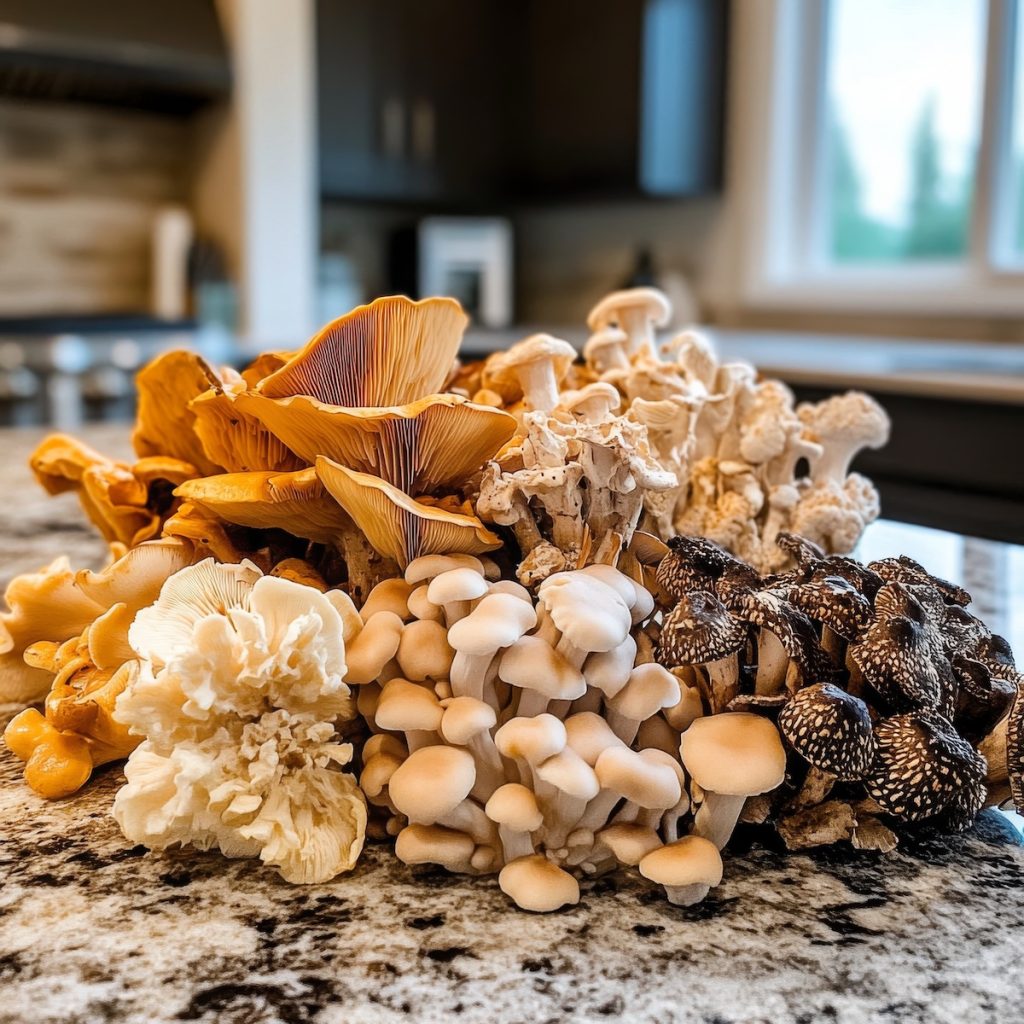
Each variety offers a distinct payoff. Chanterelles add a meaty bite, morels bring delicate nuttiness, and porcini deliver deep, savory intensity. These flavors go far beyond what grocery-store button mushrooms can offer, and home cooks notice the difference immediately.
Cooking wild mushrooms rewards confidence and restraint. A quick sauté in butter, a fold into risotto, a toss with pasta, or a simple layer on toast lets their natural character shine. They elevate a dish without extra technique or heavy seasoning, carrying the taste of the soil, the season, and the place they grew.
Wild mushrooms also earn their keep nutritionally. Many provide antioxidants, vitamins, and minerals, making them both practical and flavorful. For cooks willing to step beyond the supermarket, they offer a direct link to nature’s pantry.
In this guide, you’ll learn why wild mushrooms belong in your kitchen, how to handle them safely, and the best ways to turn their woodsy depth into dishes worth repeating.
Fast Scan: Best Ways to Cook Wild Mushrooms
- Always cook wild mushrooms
Enhances flavor, improves texture, and supports safe digestion. - Sauté for maximum flavor
Cook in butter or olive oil over medium heat until moisture releases and mushrooms turn golden. - Roast for deep, savory notes
Best for hearty mushrooms like porcini or hen of the woods; high heat creates crisp edges. - Simmer in soups and risottos
Adds rich umami to broths, sauces, and creamy rice dishes. - Mix mushroom varieties
Combine meaty and delicate mushrooms for layered texture and complexity. - Season simply
Salt, pepper, garlic, fresh herbs, and a splash of wine let wild flavors shine.
| Mushroom | Flavor | Aroma | Texture | Best Used In |
|---|---|---|---|---|
| Chanterelle | Peppery, fruity | Apricot-like | Firm, meaty | Sautéed, in cream sauces, with eggs or poultry |
| Morel | Earthy, nutty | Woodsy, smoky | Spongy yet meaty | Stuffed, sautéed, in sauces or soups |
| Porcini | Rich, umami | Deep, nutty | Dense, meaty | Risottos, pasta, soups, dried for stocks |
| Hen of the Woods | Savory, umami | Mild, earthy | Feathery, meaty | Roasted, stir-fried, soups |
| Chicken of the Woods | Mild, lemony, chicken-like | Fresh, citrusy | Firm, meaty | Grilled, fried, used as chicken substitute |
| Lobster Mushroom | Seafood-like, nutty | Shellfish-like | Dense, firm | Sautéed, in chowders or pasta |
| Black Trumpet | Smoky, earthy | Strong, musky | Delicate, thin | Dried, used in pasta, risotto |
| Lion’s Mane | Mild, seafood-like | Faintly sweet | Tender, stringy | Pan-fried, used as crab/lobster substitute |
| Cauliflower Mushroom | Mild, nutty | Earthy | Crunchy, noodle-like | Soups, stir-fries, sautéed |
| Wood Blewit | Mild, slightly sweet | Floral | Smooth, dense | Sautéed, in stews or omelets |
| Hedgehog Mushroom | Sweet, nutty | Mild | Firm, crunchy | Sautéed, baked, excellent in butter |
| Shaggy Mane | Delicate, slightly nutty | Mild | Fragile, soft | Quick sauté, used fresh only |
| Enoki | Mild, slightly fruity | Neutral | Crunchy, stringy | Soups, salads, stir-fries |
| Oyster Mushroom | Delicate, slightly sweet | Anise-like | Tender, velvety | Stir-fries, soups, grilled |
| Candy Cap | Sweet, maple-like | Maple syrup | Dry, brittle (when dried) | Desserts, cookies, custards (dried) |
| Dish | Main Mushroom Type | Description |
|---|---|---|
Button, Cremini |
Rich, creamy soup made from sautéed mushrooms, cream, and herbs. |
|
Mushroom Risotto |
Porcini, Cremini |
Italian rice dish slowly cooked with mushrooms, broth, butter, and Parmesan. |
Stuffed Mushrooms |
Button, Cremini |
Mushroom caps filled with breadcrumbs, cheese, herbs, or meats and baked. |
Beef and Mushroom Stroganoff |
Cremini, Button |
Tender beef and mushrooms in creamy sauce, served over noodles or rice. |
Mushroom Pizza |
Oyster, Cremini, Button |
Pizza topped with mushrooms, cheese, tomato sauce, and herbs. |
Sautéed Garlic Mushrooms |
Button, Cremini |
Quick side dish sautéed with butter, garlic, and herbs. |
Shiitake, Cremini |
Pasta tossed with mushrooms, cream or olive oil, garlic, and Parmesan. |
|
Mushroom and Spinach Quiche |
Button, Cremini |
Savory tart with eggs, cream, mushrooms, and spinach baked in a flaky crust. |
Mushroom Tacos |
Portobello, Oyster |
Tacos filled with sautéed mushrooms, onions, peppers, and spices. |
Mushroom Burger |
Portobello |
Burger featuring grilled or sautéed mushrooms as main topping or patty substitute. |
Mushroom Fried Rice |
Shiitake, Button |
Asian-style fried rice stir-fried with mushrooms, soy sauce, eggs, and vegetables. |
Mushroom Omelette |
Button, Cremini |
Egg omelette with sautéed mushrooms, cheese, and herbs. |
Mushroom Risotto Balls (Arancini) |
Porcini, Cremini |
Crispy fried balls filled with mushroom risotto and cheese. |
Mushroom Lasagna |
Button, Cremini, Portobello |
Layered pasta with mushrooms, ricotta, béchamel, and cheese baked until golden. |
Mushroom and Barley Soup |
Cremini, Shiitake |
Hearty soup with mushrooms, barley, vegetables, and aromatic herbs. |
Mushroom Pizza Rolls |
Button, Cremini |
Baked pizza dough rolls stuffed with mushrooms, cheese, and herbs. |
Mushroom Biryani |
Button, Cremini |
Indian-style rice dish cooked with mushrooms, spices, and herbs. |
Mushroom Tempura |
Shimeji, Enoki |
Mushrooms dipped in tempura batter and deep-fried until crispy. |
Mushroom Tart |
Portobello, Button |
Savory tart with mushrooms, cheese, and herbs in puff pastry or shortcrust. |
Mushroom Polenta |
Porcini, Cremini |
Creamy polenta served with sautéed mushrooms and Parmesan cheese. |
Comparisons Between Wild and Domestic Mushrooms
| Category | Wild Mushrooms | Cultivated Mushrooms |
|---|---|---|
| Origin | Grow naturally in forests, grasslands, or other wild habitats; harvested from native ecosystems. |
Grown under controlled conditions on substrates (straw, wood chips, compost, sawdust) in farms, greenhouses, or indoors. |
| Type | Often includes a broader diversity of species (porcini, morels, chanterelles, hedgehogs, etc.). Seasonally limited. |
Typically a smaller set of species bred for reliability and yield — e.g., button/cremini/portobello (Agaricus), oyster, shiitake. |
| Flavor | Often more intense, complex, and variable — earthy, nutty, or fruity notes depending on species and terroir. |
Milder and more consistent in flavor; cultivated varieties are selected for predictable taste profiles. |
| Texture | Can range widely — from delicate and hollow (morels) to firm and meaty (porcini); texture is species- and environment-dependent. |
Often tender, uniformly textured, and reliable when cooked; chosen strains offer consistent mouthfeel for commercial use. |
| Availability | Seasonal and geographically limited; supply is irregular and can be scarce or expensive outside peak seasons. |
Year-round availability with stable supply and pricing due to controlled production and scaling. |
| Safety | Higher risk: some wild species are toxic or deadly and may be confused with edible ones; proper identification and experienced foraging are essential. Also variable contamination risk depending on location (pollutants, heavy metals). |
Lower risk: commercially cultivated mushrooms are grown on sanitized substrates and are typically subject to food-safety standards, reducing misidentification and contamination hazards. |
Note: "Wild" flavor and texture vary strongly by species and growing conditions. Foraging wild mushrooms requires either expert knowledge or guidance from a trusted mycologist; when in doubt, do not consume.

Are Supermarket Wild Mushrooms Cultivated
Most wild mushrooms sold in supermarkets are foraged in the wild, not cultivated—especially the more exotic varieties like morels, chanterelles, porcini, and matsutake.
These mushrooms are extremely difficult or impossible to farm at scale because they rely on complex relationships with trees or soil conditions that are hard to replicate in controlled environments.
However, some mushrooms once considered “wild” can now be grown commercially. For example:
- Oyster mushrooms and lion’s mane are often cultivated in indoor farms using sawdust or straw substrates.
- Enoki is almost entirely farmed today, though it can grow wild.
- Shiitake, while native to forests, is commonly cultivated on hardwood logs or blocks.
So, if you see mushrooms like morels or chanterelles in a store and the label says “wild,” they were likely foraged by professional mushroom hunters. If they’re packaged in uniform shapes and sizes, especially varieties like oysters or lion’s mane, they were probably grown domestically in controlled settings.
Always check the label—supermarkets often indicate whether the mushrooms are “wild-foraged” or “farm-grown.”

Wild Mushrooms FAQ
What are wild mushrooms?
Wild mushrooms grow naturally in forests, fields, and grasslands rather than being cultivated on farms. Unlike grocery store mushrooms, wild mushrooms vary widely in appearance, flavor, texture, and safety.
Are all wild mushrooms edible?
No. Many wild mushrooms are toxic or deadly. Some poisonous mushrooms closely resemble edible varieties. Never eat a wild mushroom unless a qualified expert has positively identified it as safe.
Why do people forage for wild mushrooms?
People forage for wild mushrooms to experience unique flavors, connect with nature, and cook with ingredients unavailable in stores. Chefs prize wild mushrooms for their depth, aroma, and seasonal character.
What are the most popular edible wild mushrooms?
Some commonly foraged edible wild mushrooms include morels, chanterelles, porcini, maitake, hen of the woods, and lobster mushrooms. Each has a distinct flavor profile and preferred cooking method.
What do wild mushrooms taste like?
Wild mushrooms range from mild and nutty to rich, meaty, and earthy. Some taste buttery, others smoky or even slightly fruity. Their flavors often intensify when cooked.
How do wild mushrooms differ from cultivated mushrooms?
Wild mushrooms grow in natural ecosystems and reflect their environment, while cultivated mushrooms grow under controlled conditions. Wild mushrooms usually offer stronger flavors, firmer textures, and more variety.
Is it safe to eat wild mushrooms raw?
No. Many edible wild mushrooms require cooking to neutralize toxins or make them digestible. Always cook wild mushrooms thoroughly before eating.
How do I safely identify wild mushrooms?
You must use multiple identification methods, including spore prints, habitat observation, seasonal timing, and expert confirmation. Field guides and apps help, but they do not replace expert verification.
Should beginners forage for wild mushrooms?
Beginners should forage only with an experienced guide or local mycological society. Never rely on guesswork or internet photos alone when identifying mushrooms.
Where do wild mushrooms grow?
Wild mushrooms grow in forests, meadows, grasslands, and even urban areas. Many species associate with specific trees, soil types, or climates.
When is wild mushroom season?
Wild mushroom season varies by species and region. Spring brings morels, while summer and fall produce chanterelles, porcini, and many others. Rain and temperature play a major role.
How do I clean wild mushrooms?
Brush off dirt with a soft brush or cloth. Rinse quickly only if necessary, then dry immediately. Avoid soaking mushrooms, as they absorb water and lose flavor.
How should I store wild mushrooms?
Store fresh wild mushrooms loosely wrapped in paper towels in the refrigerator. Use them within a few days for best flavor and safety.
Can I freeze wild mushrooms?
Yes, but cook them first. Sauté or roast wild mushrooms before freezing to preserve texture and flavor.
What are common cooking methods for wild mushrooms?
Sautéing, roasting, grilling, and adding to sauces or risottos work well. Simple preparations often showcase their natural flavor best.
Do wild mushrooms have health benefits?
Many wild mushrooms contain antioxidants, fiber, vitamins, and minerals. However, nutritional value varies widely by species.
Can wild mushrooms cause allergic reactions?
Yes. Some people experience digestive upset or allergic reactions even to edible species. Always try small amounts first.
What should I do if I suspect mushroom poisoning?
Seek medical attention immediately. Do not wait for symptoms to worsen. Bring a sample or photo of the mushroom if possible to aid identification.
Are dried wild mushrooms safe?
Drying preserves many edible wild mushrooms, but safety still depends on proper identification. Drying does not make poisonous mushrooms safe.
Why do chefs love wild mushrooms?
Chefs value wild mushrooms for their complexity, seasonal rarity, and ability to add umami and depth to dishes without heavy sauces.

Foraging
You must be careful when foraging for wild mushrooms because misidentifying them can have serious—and sometimes deadly—consequences. Many poisonous mushrooms closely resemble edible varieties, and even experienced foragers can make mistakes.
Some toxic species cause severe digestive distress, organ failure, or neurological symptoms, and a few are fatal even in small amounts.
When you pick wild mushrooms, you take full responsibility for what ends up on your plate. That means you need to identify each mushroom with absolute certainty.
You should never rely on guesswork, old myths, or superficial traits like color or location. Instead, use reliable field guides, join local mycology groups, or consult experts before eating anything you gather.
Foraging safely also means respecting the environment. When you pull up mushrooms carelessly, you can damage their underground networks (mycelium), which affects future growth. By harvesting responsibly and verifying each find, you protect both your health and the ecosystem.
Wild mushrooms can be a delicious, rewarding part of your meals—but only if you treat them with the respect they demand.