The Pasta Mistakes I Made for Years — And What I Do Differently Now

Before I started teaching myself to cook, I made every pasta mistake there is — oil in the water, barely any salt, rinsing the pasta, breaking spaghetti into pieces, cooking it until it was limp. I didn't know any better. Then Chef Ricco DeLuca showed me what I was doing wrong, and I've never gone back.

Fast Answer

The most common pasta mistakes are under-salting the water, adding oil (which stops sauce from sticking), rinsing cooked pasta (which washes off the starch you need), and overcooking it. The fix that makes the biggest difference: finish pasta in the sauce with a splash of the starchy cooking water.

What I Got Wrong About Pasta Before I Knew Better

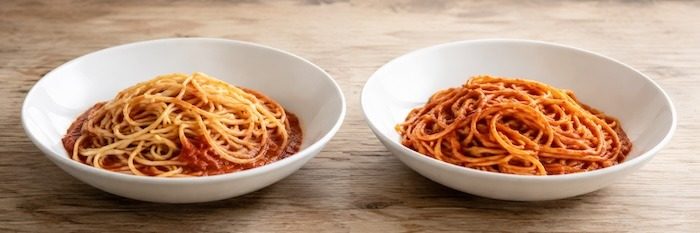
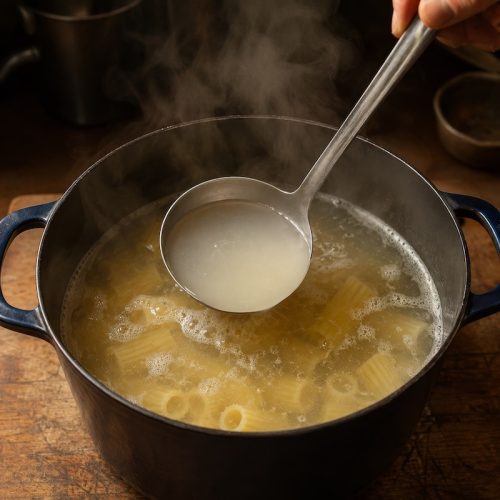
Chef Ricco DeLuca taught me a lot about Italian cooking, but the tip that changed my pasta most was one I’d never seen in a recipe: save some of the pasta water before you drain, and add it to the sauce while you finish the pasta in the pan. The starch in that cloudy water is what binds sauce to noodle.

Before I knew that, I’d plate a bowl of spaghetti and end up with the pasta sitting in a pool of sauce at the bottom. Now I don’t. This post covers the eight mistakes that make the biggest difference — what they are, why they matter, and exactly what to do instead.

Before You Start

  • This post is for you if: your pasta comes out sticky, bland, or swimming in sauce — or if you've been doing the same things since you started cooking and aren't sure why they work (or don't).
  • What to expect: eight specific mistakes, why each one matters, and what to do instead. No technique here is complicated — they just require knowing which habits to drop.
  • Success looks like: pasta that tastes seasoned all the way through, sauce that coats every strand rather than pooling at the bottom, and noodles with enough texture to hold up to what you put on them.

The 10 Pasta Mistakes Most Home Cooks Make

Not Using Enough Water

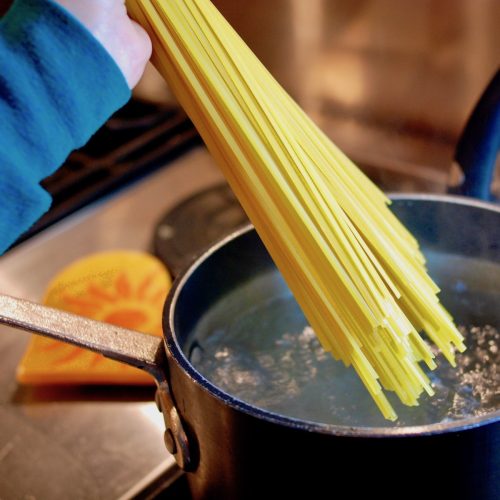
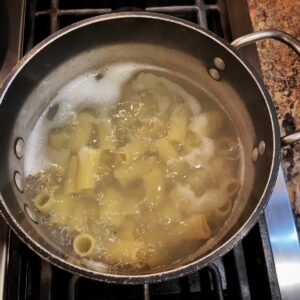
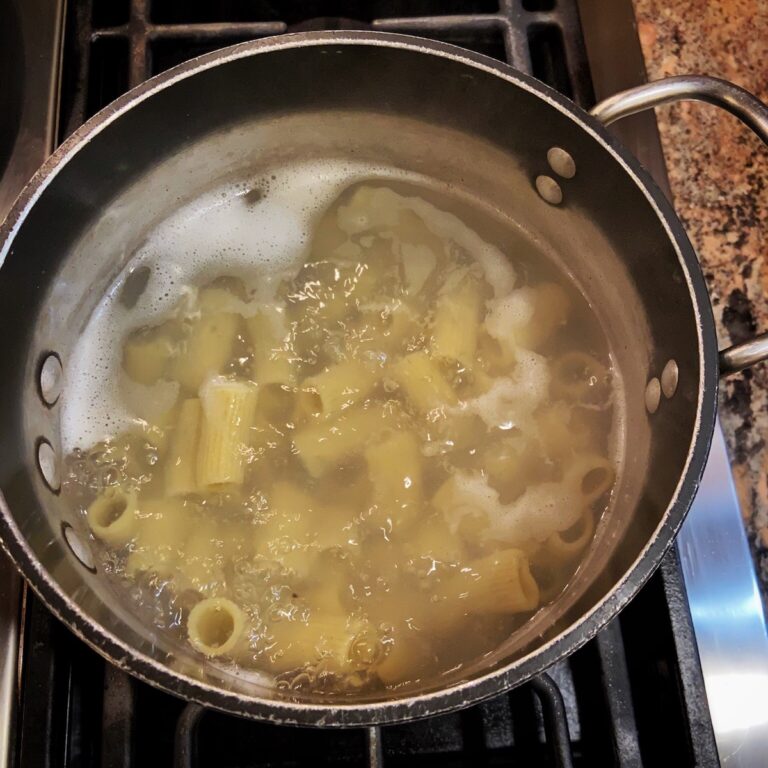
Most recipes say “a large pot of water” and leave it at that. The actual useful number is about 4–5 quarts per pound of pasta. Pasta releases starch as it cooks, and in too little water, that starch concentrates fast, making pasta sticky and gummy before it’s even done.

A wide, deep pot gives each piece of pasta room to move and keeps the starch diluted enough that it doesn’t cause problems.

The Fix

  • Use 4–5 quarts of water per pound of pasta.
  • Bring it to a full rolling boil before anything goes in — not just a simmer.
  • When in doubt, use more water than you think you need. There's no such thing as too much.
Dried Pasta Water Needed (quarts) Water Needed (liters) Why It Matters
2 oz (57 g) 1 quart 0.95 L Enough for a single serving. Prevents clumping.
4 oz (113 g) 2 quarts 1.9 L Good for one hungry eater or light meal for two.
8 oz (227 g) 3 quarts 2.8 L Allows pasta to move freely and cook evenly.
1 lb (454 g) 4–5 quarts 3.8–4.7 L Standard recommendation for a full box of pasta.
2 lb (907 g) 6–7 quarts 5.7–6.6 L Great for batch cooking or feeding a crowd.

How Much Pasta Per Person

Number
of People
Dried Pasta
(lbs / oz)
Dried Pasta
(grams)
Fresh Pasta
(lbs / oz)
Fresh Pasta
(grams)
2 0.5 lb / 8 oz 225 g 0.75 lb / 12 oz 340 g
4 1 lb / 16 oz 450 g 1.5 lb / 24 oz 680 g
6 1.5 lb / 24 oz 675 g 2.25 lb / 36 oz 1,020 g
8 2 lb / 32 oz 900 g 3 lb / 48 oz 1,360 g
10 2.5 lb / 40 oz 1,125 g 3.75 lb / 60 oz 1,700 g
12 3 lb / 48 oz 1,350 g 4.5 lb / 72 oz 2,040 g
Adding Salt to Water

Under-Salting the Water

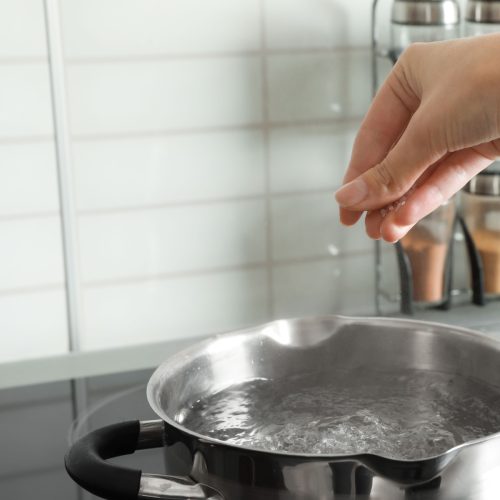
This is the one most people know about but still get wrong. Salt added to pasta water isn’t just seasoning — it’s the only opportunity to season the pasta itself, from the inside out.

Sauce added later seasons the surface. Water that tastes pleasantly salty (not ocean-level, but noticeably so) seasons every strand all the way through. If your pasta tastes flat even when the sauce is good, this is almost always why.

The Fix

  • Add 1–2 tablespoons of kosher salt per pound of pasta.
  • Taste the water — it should taste noticeably seasoned, not faintly salty.
  • If you're not sure, add more. The pasta won't absorb all of it.
Pasta Making Mistake Results

Adding Oil to the Water

I did this for years. The logic seemed reasonable — oil prevents sticking. The problem is that oil floats, so it coats the outside of the pasta as it drains, and that coating is exactly what prevents sauce from sticking later. You’ve essentially waterproofed your pasta. Short answer: NO! NO! NO!

  • It prevents sauce from sticking. The slick coating oil left on pasta means sauce slides off rather than adhering — which affects both flavor and texture.
  • Sticking isn’t actually the problem. Enough water, a rolling boil, and stirring in the first two minutes eliminate sticking without oil.
  • It adds unnecessary grease without improving texture or taste.

The Fix

  • Skip the oil entirely — it's solving a problem that doesn't exist if you're using enough water.
  • Stir the pasta frequently during the first two minutes — that's when sticking actually happens.
  • If pasta sticks after draining, loosen it with a splash of reserved pasta water, not oil.

Not Stirring at the Start

The first two minutes after pasta hits the water are when sticking happens. That’s when surface starch is at its highest, and noodles are most likely to stick to each other or to the pot.

After that, the exterior firms up and the problem largely solves itself. Most cooks stir once when the pasta goes in and then walk away — that’s the mistake.

The Fix

  • Stir frequently for the first two minutes after the pasta goes in.
  • After that, occasional stirring is enough — the exterior has firmed up.
  • No oil required. Stirring is the only thing that actually prevents sticking.

Overcooking the Pasta

Al dente isn’t a preference — it’s structural. Pasta cooked past al dente has broken down the starch network that gives it texture, and it won’t hold up when you finish it in the sauce. It also won’t have enough surface grip for the sauce to cling to.

Limp pasta and pooling sauce are often the same problem traced back to the same source: too much time in the water.

The Fix

  • Start tasting two minutes before the package says it's done.
  • Look for a faint resistance at the center — not hard and chalky, but not fully soft either.
  • Remember it'll finish cooking in the sauce — pull it from the water earlier than feels right.
pasta-water

Forgetting to Save the Pasta Water

This was the tip from Chef Ricco DeLuca that changed everything for me. Pasta water is cloudy for a reason — it’s full of starch released during cooking, and that starch acts as an emulsifier, binding the fat in the sauce to the water so they stay together rather than separating.

Without it, sauce and pasta coexist in the bowl. With it, the sauce actually adheres. I used to drain the pot and immediately realize what I’d done. Now I keep a measuring cup next to the stove as a reminder.

The Fix

  • Before draining, pull out at least a cup of pasta water with a ladle or measuring cup.
  • Keep it nearby — you'll add it a few tablespoons at a time while finishing the pasta in the sauce.
  • Save more than you think you need. You can always pour it out; you can't get it back once you've drained.

Rinsing the Pasta

Rinsing washes off the surface starch that helps sauce cling, drops the temperature so the sauce won’t heat evenly when combined, and removes the seasoning the cooking water just spent ten minutes putting in.

It solves the wrong problem. If pasta is sticking after draining, the answer is pasta water — not a rinse that undoes everything the cooking process just accomplished.

Why you should never rinse:

  • Removes surface starch, which helps the sauce adhere to the pasta.
  • Drops the temperature so the sauce won’t combine evenly when you add it.
  • Washes away the seasoning in the salted cooking water just as it’s being added to the pasta.

The Fix

  • Drain and go straight to the sauce — no rinsing.
  • If pasta is sticking while you get the sauce ready, toss it with a splash of reserved pasta water to keep it loose.
  • The one exception: cold pasta salad — rinsing stops the cooking quickly and cools the pasta down fast, which is exactly what you want there.
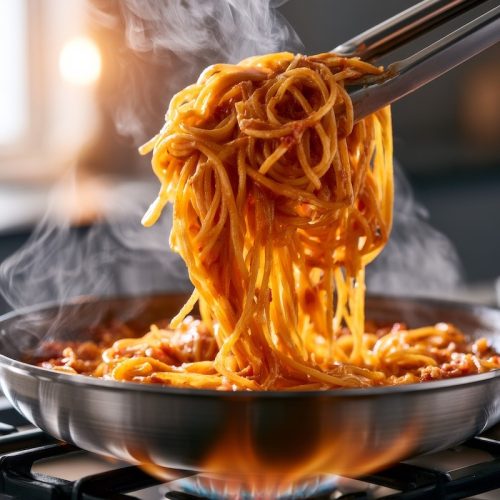
Tongs lifting a tangle of spaghetti from a wide saute pan

Not Finishing Pasta in the Sauce

This is where everything comes together — and most home cooks skip it entirely by plating pasta and spooning sauce on top. Finishing pasta in the sauce, with a little pasta water added while you stir over heat, lets the starch bind the sauce to the noodle. The result is a dish where sauce and pasta are one thing, not two things on the same plate.

The Fix: Marry Pasta and Sauce

  1. Reserve Pasta Water Before draining, save about a cup of the starchy cooking water.
  2. Combine Pasta and Sauce Return the drained pasta to the cooking pot. Add about ½–¾ cup of sauce per serving.
  3. Add Pasta Water Pour in roughly half of the reserved pasta water.
  4. Heat and Stir Over high heat, stir gently but constantly as the sauce and starchy water boil and reduce. This should take about one minute.
  5. Incorporate Fat Add a touch of butter, cream, or olive oil. Stir until fully blended.
  6. Finish with Cheese Turn off the heat and stir in a bit of hard cheese like Parmesan or Romano.

Why This Works

  • Starch: The pasta's surface starch and the cooking water thicken the sauce and help it cling to every strand.
  • Emulsification: Stirring while boiling emulsifies the fat, giving the sauce a silky texture.
  • Cheese: Adds depth and coats each strand with a thin, even layer of sauce.

Using the Wrong Sauce for the Shape

With over 350 pasta shapes, it’s easy to make this mistake without realizing it. The logic is simple once you know it: a light sauce on large noodles means you mostly taste pasta; a heavy sauce on small pasta leaves a pool of sauce once the noodles are gone.

Shape and sauce need to be matched by weight and structure — and once you understand the principle, you don’t need to memorize a chart.

The Fix

  • Light sauces → thin, delicate pasta. Long, thin shapes like capellini, spaghetti, and linguine work well with light marinara or seafood sauces.
  • Hearty sauces → robust pasta. Ribbon pastas like fettuccine, tagliatelle, and pappardelle cling to creamy sauces like Alfredo. Short, sturdy shapes like rigatoni, penne, and ziti hold up to chunky sauces like Bolognese.
  • Tiny pasta → soup, not sauce. Small shapes like stars or alphabets are built for light broths — heavy sauces overwhelm them entirely.

Over-Saucing the Pasta

In Italy, pasta is served as a single course in a multi-course meal, so the sauce is used sparingly — just enough to let the pasta itself come through. In the U.S. we tend to treat pasta as a vehicle for sauce, which can bury the noodle entirely.

Mario Batali put it well: Italians think of sauce as a condiment for pasta, not the other way around. That framing alone changes how you approach the pan.

The Fix

  • Coat, don't drown. Use just enough sauce to lightly coat each strand — the same way you wouldn't pour half a bottle of ketchup on a burger.
  • Let the pasta show. If you can't see the pasta under the sauce, there's too much sauce.
  • Add sauce gradually while finishing in the pan — it's easier to add more than to walk back a dish that's already swimming in it.
How to Cook Pasta

What About Breaking Long Pasta?

This one comes up every time I write about pasta. My position: don’t. Long strands pick up sauce more effectively than short pieces, and if the pasta won’t fit the pot, push the ends down gently — within about 30 seconds of hitting the water they’ll soften enough to submerge.

One reader pointed out that Italian pasta is often sold at double the serving length precisely because it’s meant to be cooked long. If breaking it were the right move, that’s how it would be sold. Hard to argue with that.

The Mistakes That Matter Most

  • Oil in the water feels like it's preventing sticking — it's actually preventing your sauce from adhering later. The two real fixes are more water and earlier stirring.
  • Under-salting is the most common reason pasta tastes flat even when the sauce is good. Sauce seasons the surface; water seasons the pasta itself.
  • Rinsing solves the wrong problem. Pasta sticking after draining is a sign you need pasta water to loosen it, not a rinse that strips the starch away.
  • Breaking long pasta is mostly a habit, not a technique. It makes tossing with sauce harder, not easier — long strands pick up sauce better than short ones.
  • Plating pasta and adding sauce on top is the single biggest missed opportunity in home pasta cooking. Finishing in the pan takes two extra minutes and changes the dish entirely.

What Went Wrong (and Why)

  • Pasta is sticky after draining → not enough water, or didn't stir in the first two minutes → toss with a splash of reserved pasta water immediately after draining.
  • Sauce pools at the bottom of the bowl → pasta wasn't finished in the sauce → next time, transfer pasta to the pan two minutes early and add pasta water while tossing over heat.
  • Pasta tastes bland even though the sauce is well-seasoned → water wasn't salted enough → the pasta itself is underseasoned; sauce can't fix that after the fact.
  • Sauce slides off the pasta → oil in the cooking water, or pasta was rinsed → both strip the surface starch; skip both going forward.
  • Pasta is soft and limp by the time it reaches the table → overcooked, or finished cooking in hot sauce too long → pull it from the water two minutes early and don't let it sit in the pan once the sauce has coated it.
  • Long pasta breaks when tossing → not enough sauce, or pan too small → use a wider pan and add pasta water a little at a time to loosen before tossing.
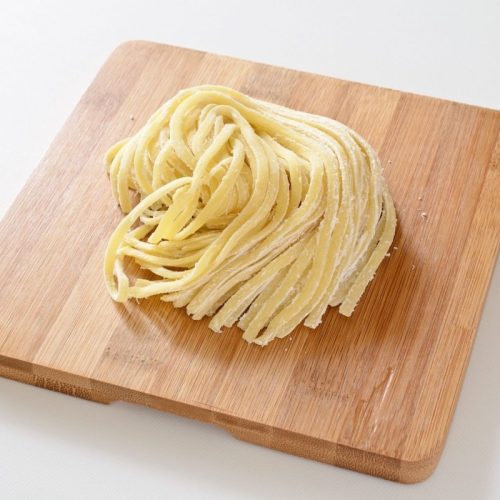
Fresh Pasta on a Wooden Cutting Board

How to Cook Fresh Pasta

Cooking fresh pasta is quicker and requires slightly different techniques than cooking dried pasta. Cooking fresh pasta is quick and rewarding, offering a delightful texture and flavor that enhances your dishes!

Step Description
Bring Water to a Boil Fill a large pot with 4–6 quarts of water per pound of pasta. Bring it to a rolling boil and season with 1–2 tablespoons of salt per 4 quarts.
Add the Fresh Pasta Gently drop the fresh pasta into the boiling water. For long noodles like fettuccine or tagliatelle, leave them whole or give them a gentle twist before adding.
Stir Immediately Stir the pasta right after adding it to prevent sticking, both to itself and to the bottom of the pot.
Cooking Time Fresh pasta cooks in 2–4 minutes. Begin checking for doneness after about 2 minutes. It should be tender with a slight bite ("al dente").
Taste Test Taste a piece of pasta to confirm it's cooked to your liking—this is the best way to know it’s ready.
Reserve Pasta Water Before draining, save a cup of the starchy cooking water. Use it to adjust your sauce’s consistency later.
Drain and Serve Drain the pasta in a colander without rinsing it. Mix it with your sauce while it’s still hot so the sauce sticks better.

Frequently Asked Questions

Does it really matter if I add oil to the pasta water?
Yes, in the wrong direction. Oil coats the pasta as it drains, and that coating prevents sauce from sticking later. The sticking problem oil is meant to solve is better fixed by using more water and stirring in the first two minutes.

How much salt should I add to pasta water?
Enough that the water tastes noticeably seasoned — roughly 1 to 2 tablespoons of kosher salt per pound of pasta. It sounds like a lot until you realize how much water you’re using and how little actually ends up in the pasta.

Should I rinse pasta after draining?
No — with one exception. Rinsing removes the surface starch that helps sauce cling and drops the temperature so sauce won’t combine evenly. The only time it makes sense is for cold pasta salad, where you want to stop the cooking quickly.

What does al dente actually mean, and how do I know when I’m there?
Al dente means “to the tooth” in Italian — pasta with a slight resistance at the center when you bite it. Start tasting two minutes before the package time. You’re looking for pasta that still has a faint firmness in the middle, not hard and chalky, but not fully soft either. It’ll finish in the sauce.

How much pasta water should I save?
At least a cup, even if you end up using only a few tablespoons. It’s much easier to save more than you need than to realize mid-sauce that you’ve already drained everything.

Why does my sauce always end up at the bottom of the bowl?
Because pasta and sauce were combined in the bowl rather than in the pan. Finishing pasta in the sauce — with a little pasta water stirred in over heat — is what makes the sauce coat the pasta rather than pool beneath it.

Is it okay to break long pasta like spaghetti in half?
Technically yes, practically no. Long strands pick up sauce more effectively than short pieces, and the traditional formats exist partly for that reason. If the pasta doesn’t fit the pot, use a wider pot rather than shorter pasta.

How many times can I reuse pasta cooking water?
You can’t — each batch of pasta needs fresh water. Reusing water from a previous batch means starting with water that’s already starchy and salted unevenly, which affects how the pasta cooks and tastes.

What pasta mistake did you make the longest before someone set you straight — and what finally fixed it? I'm especially curious whether anyone else spent years adding oil to the water thinking it was helping.

🍝 The Pasta Prep Reality Check

Click the best answer. Learn as you go!

7 Responses

  1. Why do you say “Don’t break the pasta to fit the pot”? I’ve always broken long noodles at least in half. Is it just for aesthetics or is there a specific reason for leaving them whole?

    1. Great question CJ! I suppose if the pasta makers wanted you to serve it half sized, they would sell it that size. There must be a very good reason spaghetti and linguini are sold in that length. I’m guessing it is because that’s the perfect size to twirl on your fork for a mouthful but I’m now going to ask around. I’ll also post this question on my Facebook page and see what everyone says. Thanks for bringing up this topic CJ.

      1. hi, now they sell pasta in half-size. i was surprised to see them on the shelves one day. i think it’s ingenius.

    2. I used to sometimes break the pasta in half, but I really wonder: why do this? With a large-sized pot of boiling water the pasta bends and fits in the pot anyway which (I think) gives you the pasta’s best presentation. Some Italian-branded pasta is even sold in about DOUBLE the regular supermarket-sized length… so the usual length we get over here is perhaps already ‘training wheels’ size.

      Of course my sister as a kid used to cut up her spaghetti in short lengths instead of twirling it around the fork… it’s all in the enjoyment you get out of it I guess.

  2. To test when it’s done, I always take a piece out and bite into it, if there’s barely any white left in the middle it’s al dente and perfect.

  3. 5 stars
    Pasta is very tasty and useful recipe for all age people and we can make it at home easily. these tips are very effective. Thanks

Leave a Reply

Your email address will not be published. Required fields are marked *

This site uses Akismet to reduce spam. Learn how your comment data is processed.