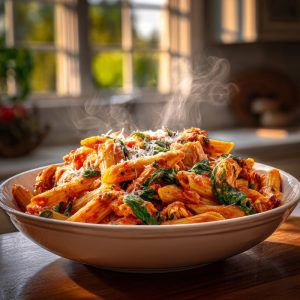
Mastering Pasta Sauces at Home: Techniques and Recipes

Most home cooks think great pasta sauce comes from secret ingredients. It doesn’t. Restaurant-quality pasta sauces usually come down to a few small techniques: properly salting pasta water, building flavor in layers, using starchy pasta water correctly, and matching the right sauce to the right pasta shape. Once you understand those fundamentals, your sauces stop tasting “homemade” and start tasting like something from your favorite Italian restaurant.

Fast Answer: What Makes Pasta Sauce Taste Restaurant Quality?

  • Build flavor in layers instead of dumping everything in at once.
  • Use pasta water to emulsify and bind the sauce.
  • Finish pasta inside the sauce, not separately.
  • Balance acid, fat, salt, and umami.
  • Match the sauce to the correct pasta shape.
  • Use heat control to avoid dull or broken sauces.
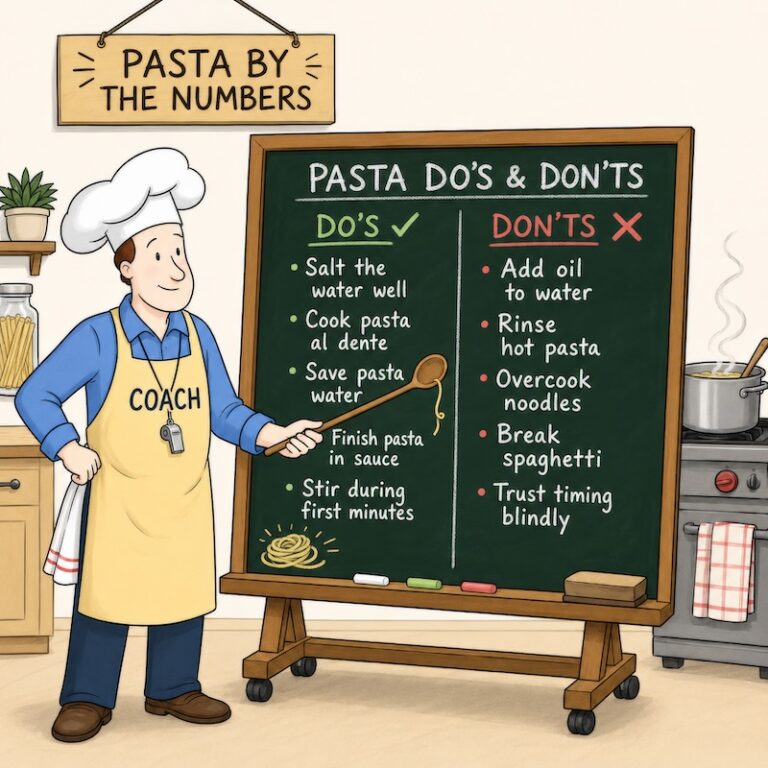
Coach Reluctant Gourmet with do's and don'ts for preparing pasta

What Most Home Cooks Get Wrong About Pasta Sauce

  • Adding sauce on top of naked pasta instead of finishing pasta in the sauce.
  • Using too little salt in pasta water.
  • Skipping pasta water entirely.
  • Cooking garlic too hot and turning it bitter.
  • Using the wrong pasta shape for the sauce texture.
  • Overloading sauces with too many ingredients.

The Pasta Sauce Balance Formula

Great pasta sauce usually follows this balance:

Acid + Fat + Salt + Umami = Depth and Balance

  • Too acidic? Add fat like butter, olive oil, or cheese.
  • Too rich or heavy? Add acid like lemon juice, tomatoes, or wine.
  • Tastes flat? Add salt or umami like Parmesan or tomato paste.
  • Tastes harsh or sharp? Add sweetness from onions, carrots, or slow cooking.
  • Feels watery? Reduce longer or emulsify with pasta water.
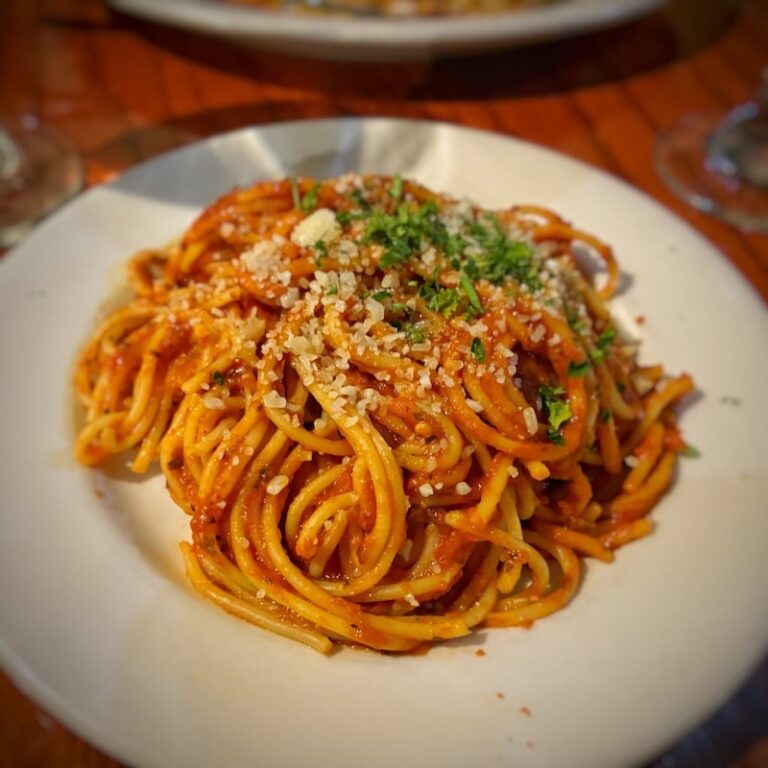
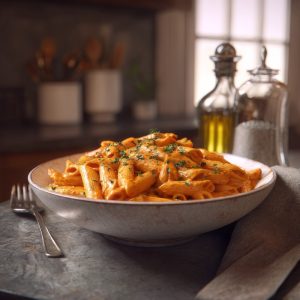
Classic Italian Tomato Sauce Over Pasta

Restaurant Pasta Sauce Secrets

  • Chefs finish pasta inside the sauce for the final minute.
  • Pasta water acts like liquid gold for silky emulsified sauces.
  • Butter is often added at the end for shine and texture.
  • Restaurants undercook pasta slightly before finishing.
  • Fresh herbs are usually added at the very end, not early.

Matching Pasta Shapes to Sauce Types

Creamy Sauces

Best Pasta: Fettuccine, tagliatelle

Wide, flat noodles hold rich creamy sauces beautifully so every bite stays silky and balanced.

Chunky Meat Sauces

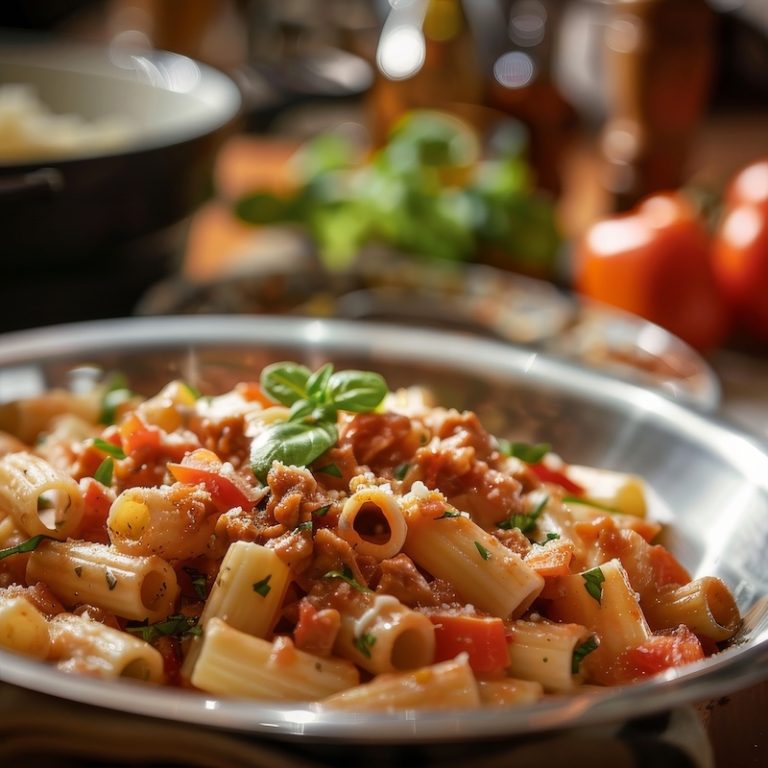
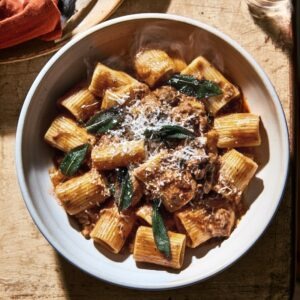
Best Pasta: Rigatoni, pappardelle

Tubes and broad ribbons trap hearty meat sauces instead of letting them slide to the bottom of the bowl.

Light Oil Sauces

Best Pasta: Spaghetti, linguine

Thin strands allow delicate olive oil and garlic sauces to coat evenly without feeling heavy.

Pesto Sauces

Best Pasta: Trofie, fusilli

Twists and spirals catch pesto inside their curves so the sauce clings instead of pooling.

Some of the Most Popular Pasta Sauces

Tomato-Based Sauces:

Marinara – A simple, vibrant sauce made with tomatoes, garlic, onions, olive oil, and herbs. Perfect for spaghetti, pizza, and dipping. Pomodoro – Similar to marinara but with a smoother texture and fresher flavor, often cooked quickly with high-quality tomatoes. Arrabbiata – A spicy tomato sauce infused with chili peppers, garlic, and olive oil, traditionally served with penne. Bolognese (Ragù alla Bolognese) – A slow-cooked meat sauce from Bologna, made with ground beef or pork, tomatoes, onions, carrots, celery, and sometimes milk or wine.

Cream-Based Sauces:

Alfredo – A rich and creamy sauce made with butter, heavy cream, and Parmesan, originally created in Rome for fettuccine. Carbonara – A Roman classic made with eggs, Pecorino Romano, pancetta (or guanciale), and black pepper, creating a silky sauce without cream. Vodka Sauce – A creamy tomato sauce enhanced with vodka, which helps release the tomatoes’ flavors, often paired with penne.

Oil & Herb-Based Sauces:

Pesto Genovese – A fresh, uncooked sauce from Liguria, made with basil, pine nuts, garlic, Parmesan, and olive oil. Aglio e Olio – A minimalist Neapolitan sauce featuring garlic, olive oil, red pepper flakes, and parsley, tossed with spaghetti.

Seafood & Specialty Sauces:

Puttanesca – A bold, salty sauce with tomatoes, olives, capers, anchovies, garlic, and chili flakes, originating from Naples. Cacio e Pepe – A simple yet flavorful Roman sauce made with Pecorino Romano, black pepper, and pasta water, forming a creamy emulsion. Amatriciana – A tomato-based sauce with guanciale (cured pork cheek), Pecorino Romano, and black pepper, hailing from Amatrice.

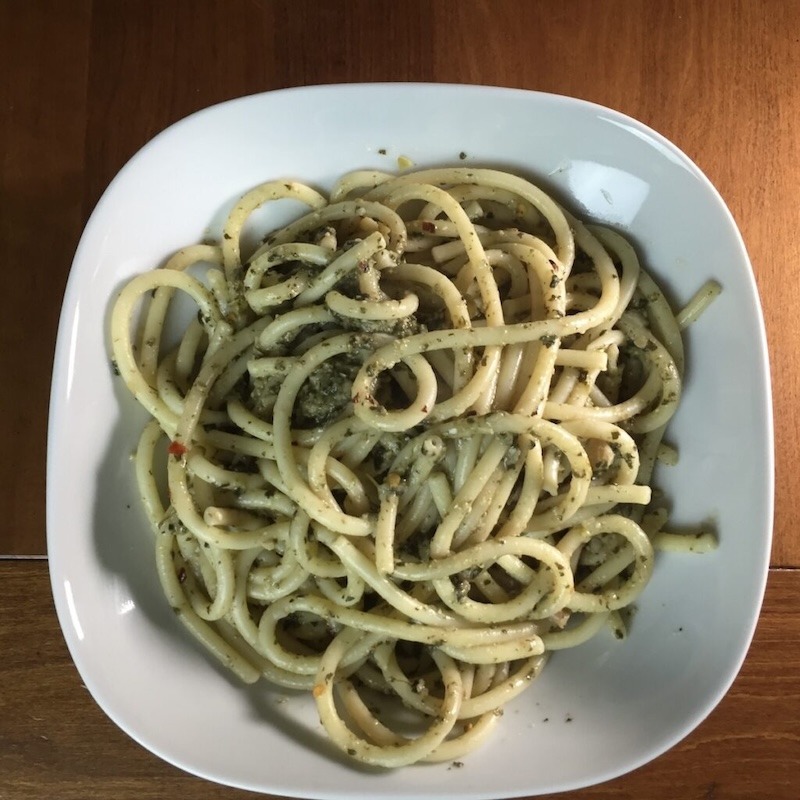
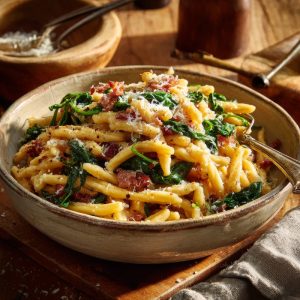
Bucatini Pasta with Spinach Walnut Pesto

A Short History of Pasta Sauces

Pasta sauces did not begin as the rich tomato sauces many cooks think of today. Early Italian pasta was often dressed simply with olive oil, cheese, herbs, or cooking juices. The goal was not to cover the pasta, but to season it.

Tomato sauces arrived much later. Tomatoes came to Europe from the Americas in the 16th century, but Italians did not immediately treat them as kitchen staples. By the 18th century, tomatoes had become especially important in southern Italy and Naples, helping shape classics like marinara and ragù.

Regional differences still explain why pasta sauces vary so much. Northern Italy leaned more on butter, cream, cheese, and herbs. Central Italy favored olive oil, garlic, cured meats, and bold simplicity. Southern Italy embraced tomatoes, seafood, peppers, and bright Mediterranean flavors.

Why Pasta Sauce History Still Matters

  • Northern sauces tend to be richer, creamier, or cheese-based.
  • Central Italian sauces often rely on olive oil, garlic, cured meats, and restraint.
  • Southern sauces often feature tomatoes, seafood, peppers, and brighter flavors.
  • Modern pasta sauces work best when the sauce matches both the region and the pasta shape.

Leave a Reply

Your email address will not be published. Required fields are marked *

This site uses Akismet to reduce spam. Learn how your comment data is processed.