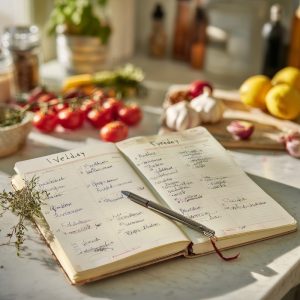


Groceries keep getting pricier, yet a surprising amount of food still ends up in the trash. Meal planning flips that script by helping you shop smarter, waste less, and stretch every dollar further. With just a little planning each week, you can turn chaotic grocery trips into a simple system that saves money and makes cooking at home far easier.
Why Meal Planning Is Important
- Reduces food waste: Planning meals helps you buy only what you need, so fewer ingredients spoil in the refrigerator.
- Cuts grocery costs: A weekly plan lets you shop with purpose, take advantage of sales, and avoid expensive last-minute purchases.
- Saves time: Knowing what you’re cooking each day eliminates the nightly “What’s for dinner?” scramble.
- Encourages smarter shopping: A clear plan makes it easier to build efficient grocery lists and avoid impulse buys.
- Helps you cook more at home: When meals are planned ahead, you’re far less likely to rely on takeout or convenience foods.
Stop Overspending: How Meal Planning Can Stretch Your Food Budget
Meal planning can transform how you shop, cook, and spend. When you plan your meals, you control your grocery list and your budget. Rising food prices make every dollar count, and meal planning helps you spend smarter. It cuts down on impulse buys and prevents food waste. You only buy what you need and use what you buy.
Planning meals also keeps you out of the drive-thru. Eating at home costs far less than takeout or restaurant meals. With a plan, you cook with ingredients you already have and stretch them into multiple dishes. This simple strategy lowers your weekly grocery bill and reduces stress around dinner time.
Meal planning saves money because it helps you shop sales and seasonal produce. You can plan around what’s on sale, which keeps costs low. It also helps you use leftovers wisely. Instead of tossing extra food, you turn it into another meal.
With a clear plan, you save time and avoid last-minute store runs. Those quick trips often lead to overspending. Meal planning puts you in control. It saves money, saves time, and makes cooking easier. Start planning today and watch your grocery costs drop while your kitchen confidence grows.
Estimates On How Meal Planning Can Save You Money
| Meal Planning Step | How It Saves Money | Estimated Savings (%) |
|---|---|---|
| Avoid Impulse Purchases | Stick to a grocery list to prevent buying unplanned snacks and convenience items. | 10–15% |
| Reduce Food Waste* | Plan meals around existing fridge and pantry items to prevent spoilage. | 10–20% |
| Buy in Bulk Strategically | Purchase staple items like rice, beans, or frozen vegetables in bulk to save per unit. | 5–10% |
| Limit Takeout and Convenience Foods** | Cooking at home instead of ordering out reduces extra food spending. | 15–25% |
| Use Leftovers Wisely | Stretch proteins and vegetables across multiple meals instead of buying more. | 5–10% |
| Shop Sales and Seasonal Produce*** | Plan meals around sales and seasonal items to lower grocery costs. | 5–15% |
| Control Portion Sizes | Buy only what you need for each meal to prevent waste and extra purchases. | 2–5% |
| Estimated Total Savings | 35–50% | |
*According to the USDA, the average U.S. household throws away 20–30% of purchased food. Meal planning can cut that roughly in half, hence the 10–20% range.
**One takeout meal can cost $10–$25 or more. Regularly replacing takeout with home-cooked meals can produce substantial savings.
***Seasonal produce and sale items can be 5–15% cheaper than off-season or regular-priced items.
Common Meal Planning Mistakes That Waste Money
- Planning too many meals: Overloading the week often leads to uneaten leftovers and spoiled ingredients.
- Ignoring what’s already in your kitchen: Failing to check the refrigerator, freezer, and pantry before planning can lead to buying duplicates.
- Not building meals around sales: Skipping weekly grocery deals means missing easy opportunities to lower your food bill.
- Buying ingredients for only one recipe: Purchasing specialty items you’ll rarely use can quietly increase the cost of a single meal.
- Not allowing for leftovers or flexible nights: Life happens, and a rigid meal plan can result in wasted groceries when plans change.
How Meal Planning Saves Money on Groceries
- Creates a focused grocery list: Planning meals ahead of time helps you buy only the ingredients you need and avoid costly impulse purchases.
- Uses what you already have: Checking your refrigerator, freezer, and pantry first allows you to build meals around ingredients you already own.
- Takes advantage of sales: You can plan meals around discounted items, store promotions, and seasonal produce to lower overall grocery costs.
- Makes leftovers work harder: Extra vegetables, proteins, and grains can easily become new meals later in the week.
- Encourages cooking at home: Planning meals reduces the temptation to order takeout or rely on expensive convenience foods.
- Prevents overbuying: Portion planning ensures you purchase the right amount of ingredients for each meal.
Start With a Budget
Starting meal planning on a budget is easier than it sounds. First, check your fridge, freezer, and pantry to see what ingredients you already have. Use those items as the foundation for your meals.
Next, pick a few simple, affordable recipes you and your family enjoy. Write down each meal and the ingredients needed. Create a shopping list based on that plan, sticking strictly to it to avoid impulse buys. Look for sales, discounts, and seasonal produce to lower costs even further.
Plan meals that can use overlapping ingredients, which reduces waste and stretches your groceries. Include one or two leftover nights to make extra meals from what you’ve already cooked.
Start small, planning three to four dinners per week, and gradually expand as you get comfortable. Keep it simple, consistent, and practical. By following these steps, you save money while making home-cooked meals easy, stress-free, and budget-friendly.
Example #1: Budget-Friendly Weekly Meal Plan
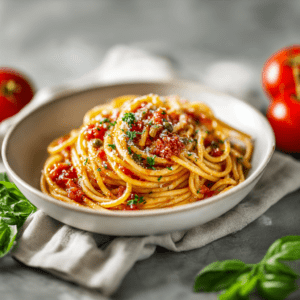
Pantry & Fridge Staples: Rice, pasta, canned beans, eggs, frozen vegetables, onions, garlic, tomato sauce. Meals:- Monday: Spaghetti with tomato sauce and sautéed vegetables.
- Tuesday: Bean and veggie stir-fry over rice.
- Wednesday: Baked chicken thighs with roasted potatoes and carrots.
- Thursday: Leftover chicken and vegetable soup.
- Friday: Veggie omelets with toast.
- Saturday: Taco night with beans, rice, and sautéed peppers.
- Sunday: Pasta salad using leftover vegetables and cooked pasta.
- Reused ingredients across multiple meals (onions, garlic, rice, beans).
- Planned a leftover night to avoid food waste.
- Chose simple, affordable proteins like eggs and chicken thighs.
- Included seasonal vegetables to save money.
Where to Find Coupons & Sales
| Tip | Notes | Where to Look |
|---|---|---|
| Sign Up for Store Loyalty Programs | Many stores offer digital coupons, member-only discounts, and points toward future purchases. | Store websites, mobile apps, or in-store kiosks. |
| Check Weekly Circulars | Weekly flyers list discounted items and special promotions. Compare prices across stores. | Store websites, local newspapers, or store entrances. |
| Use Grocery Coupon Apps | Apps aggregate manufacturer and store coupons in one place for easy use. | Popular apps like Ibotta, Coupons.com, Flipp, or Checkout 51. |
| Follow Stores on Social Media | Stores sometimes post flash sales, exclusive coupons, or promotional codes for followers. | Instagram, Facebook, Twitter, or TikTok pages of grocery stores. |
| Look for Clearance & Manager’s Specials | Discounted or close-to-expiration items can save money if used quickly. | In-store clearance sections, near expiration-date shelves, or marked end-of-aisle displays. |
| Stack Coupons and Sales | Combine manufacturer coupons with store sales for maximum savings. Check store coupon policies first. | Printed coupons, digital coupons in store apps, and weekly flyers. |
| Sign Up for Email Newsletters | Receive exclusive coupons, promo codes, and early notice of sales straight to your inbox. | Store websites or grocery brand websites. |
Frequently Asked Questions About Meal Planning and Saving Money
How does meal planning save money?
Meal planning helps you save money by organizing what you will cook before you shop. When you plan meals in advance, you create a focused grocery list and buy only the ingredients you need. This reduces impulse purchases and prevents food waste. Planning also allows you to take advantage of grocery sales, use ingredients efficiently, and cook more meals at home instead of relying on takeout.
How much money can meal planning save?
The amount varies by household, but many families reduce their grocery spending by 10–30 percent when they start meal planning consistently. Savings come from buying fewer unnecessary items, wasting less food, and reducing restaurant spending. Even planning just a few meals each week can noticeably lower your monthly food budget.
Is meal planning difficult to start?
Meal planning is easier than most people expect. Start by planning three to four dinners for the week rather than every meal. Check what ingredients you already have, choose a few simple recipes, and build a grocery list around them. As you become more comfortable, you can expand your plan to include more meals and batch cooking.
What are the biggest mistakes people make when meal planning?
Common mistakes include planning too many meals, ignoring ingredients already in the pantry, and buying specialty ingredients that only work for one recipe. Another mistake is creating a rigid plan that doesn’t allow for leftovers or schedule changes. Flexible planning helps reduce waste and makes the process easier to maintain.
Does meal planning reduce food waste?
Yes. Meal planning significantly reduces food waste because you buy ingredients with a purpose. Instead of letting produce spoil in the refrigerator, you plan when and how it will be used. Leftovers and extra ingredients can also be incorporated into future meals, preventing unused food from being thrown away.
How far in advance should you plan meals?
Most people find that planning meals one week at a time works best. Weekly planning matches the typical grocery shopping cycle and allows you to adjust based on sales and seasonal ingredients. Some households also prepare a rotating list of favorite meals to make weekly planning even faster.
Can meal planning help with healthier eating?
Yes. When meals are planned ahead, you are less likely to rely on fast food or highly processed convenience meals. Planning gives you more control over ingredients, portion sizes, and cooking methods. It also encourages balanced meals that include vegetables, proteins, whole grains, and healthy fats.
What tools make meal planning easier?
Simple tools like a weekly meal calendar, grocery list app, or recipe binder can help keep your plan organized. Many people also keep a running list of family favorite meals to rotate through each week. Checking store flyers or grocery apps for weekly sales can also help you design meals around discounted ingredients.
How do leftovers fit into a meal plan?
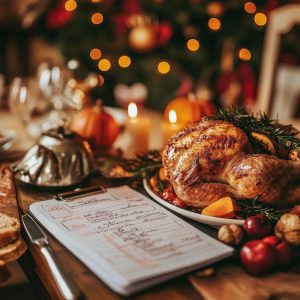
Leftovers can be a powerful money-saving strategy. Cooking larger portions allows you to reuse ingredients in new meals later in the week. For example, roasted chicken can become sandwiches, salads, soups, or pasta dishes. Planning for leftovers reduces cooking time and prevents unused food from going to waste.
Is meal planning worth the effort?
For most households, meal planning quickly becomes a habit that saves both time and money. Once you establish a simple system, the weekly planning process often takes less than 20 minutes. In return, you gain better control over grocery spending, reduce food waste, and make weeknight cooking much easier.