Are Sweet Potatoes and Yams the Same Thing?

Most Americans have probably never eaten a true yam. The confusion started decades ago in grocery stores and never really stopped. Knowing the difference matters because sweet potatoes and yams cook differently, taste different, and behave differently in recipes. If you have ever wondered why your “yam casserole” tasted sweeter than expected, this is why.

Fast Answer

  • Most “yams” sold in U.S. grocery stores are actually sweet potatoes.
  • True yams are starchier, drier, rough-skinned tubers mostly grown in Africa and the Caribbean.
  • Sweet potatoes are sweeter, softer, and more common in American cooking.
  • If you bought “yams” for Thanksgiving casserole, you almost certainly bought sweet potatoes.

How to Tell Them Apart at the Grocery Store

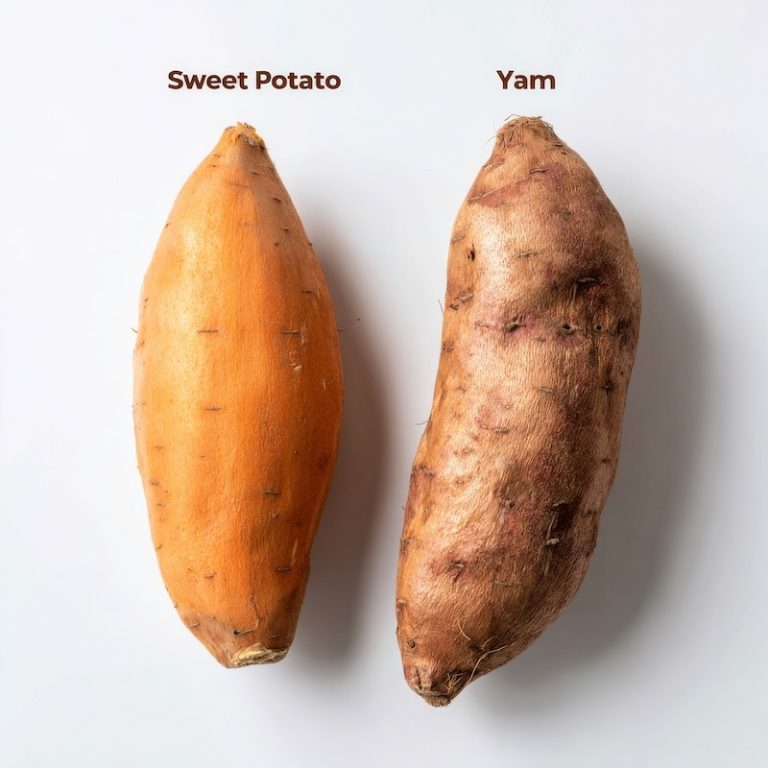
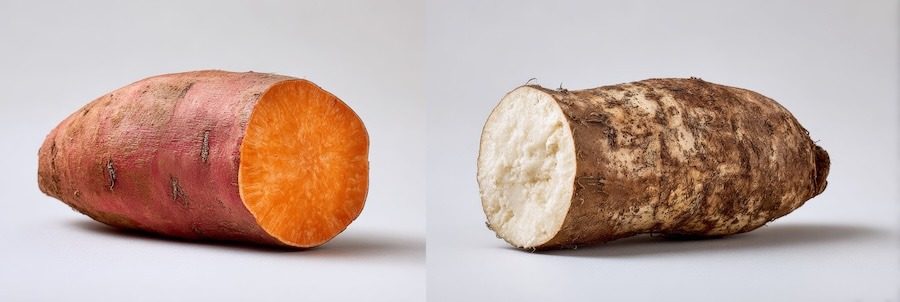
  • Sweet Potatoes: Smooth skin, tapered ends, orange/white/purple flesh, naturally sweet.
  • True Yams: Rough bark-like skin, very starchy, dry texture, cylindrical shape.
  • Most U.S. “Yams”: Actually orange sweet potatoes labeled as yams.
  • Where You’ll Find Real Yams: International, Caribbean, African, or specialty markets.
Side-by-side comparison of a sweet potato and a true yam on a clean white background

Sweet Potato vs Yam: Key Differences You Need to Know

Sweet potatoes and yams are often confused, but they are very different vegetables. Sweet potatoes have smooth skin, soft flesh, and a naturally sweet flavor. True yams have rough, bark-like skin and a dry, starchy texture.

Most “yams” sold in U.S. grocery stores are actually sweet potatoes. Knowing the difference helps you choose the right ingredient for baking, roasting, mashing, and savory dishes. 🍠
Sweet Potato vs Yams

Feature Sweet Potato True Yam
Skin Smooth and thin Rough and bark-like
Texture Moist and creamy Dry and starchy
Flavor Naturally sweet Mild and earthy
Shape Tapered ends Long and cylindrical
Flesh Color Orange, white, or purple Usually white or purple
Common in U.S.? Very common Rare
Best Uses Baking, casseroles, roasting Boiling, savory dishes

Common Sweet Potato Varieties You’ll See in Stores

Many grocery stores sell several varieties of sweet potatoes, even if they are all simply labeled “sweet potatoes” or “yams.” Their flavor, texture, and best cooking uses can vary quite a bit.

Jewel

  • Bright orange flesh
  • Soft and moist texture
  • Excellent for casseroles and mashing

Garnet

  • Deep orange-red skin
  • Very sweet and creamy
  • Great for roasting

Beauregard

  • Common U.S. variety
  • Balanced sweetness
  • Perfect for fries and baking

Japanese Sweet Potato

  • Purple skin, pale flesh
  • Drier chestnut-like texture
  • Excellent roasted whole

Hannah

  • Light tan skin
  • Firm texture
  • Ideal for savory dishes

Think Like a Cook

  • Sweet potatoes contain more natural sugar, which helps them caramelize beautifully when roasted.
  • True yams behave more like russet potatoes because they are starchier and drier.
  • If you substitute one for the other in a recipe, texture changes more than flavor.
  • The sweeter and softer the potato, the more suitable it is for pies, casseroles, and purées.
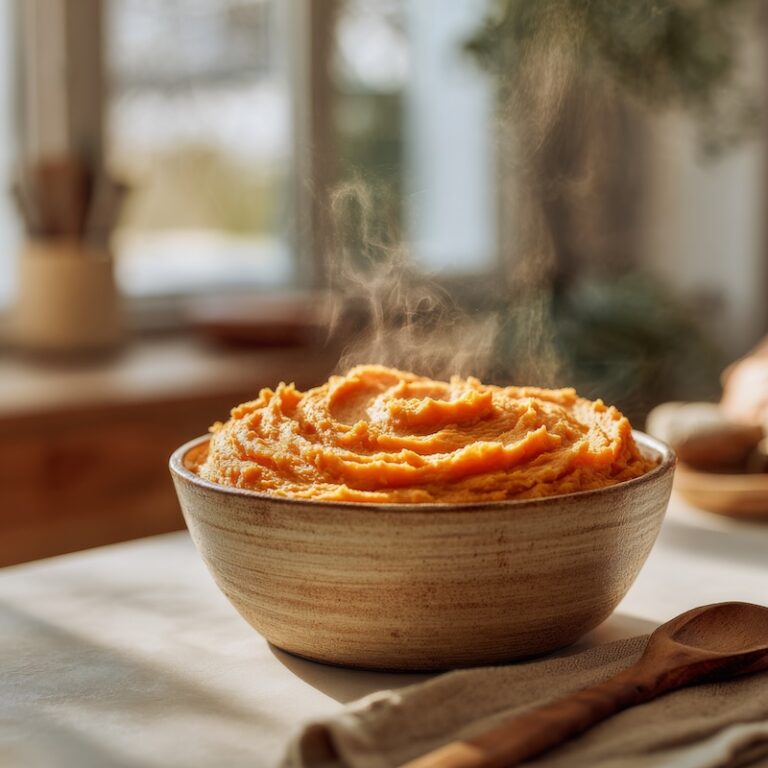
Creamy mashed sweet potatoes in a rustic ceramic bowl

Best Uses for Sweet Potatoes

  • Sweet Potato Casserole
    The soft texture and natural sweetness work perfectly with spices and crunchy toppings.
  • Baked Sweet Potato Fries
    They crisp on the outside while staying moist and tender inside.
  • Sweet Potato Pie
    The creamy orange flesh creates a smooth, rich filling.
  • Roasted Sweet Potatoes
    Roasting caramelizes the natural sugars and deepens flavor.

Best Uses for True Yams

  • Boiled Yam with Stew
    Yams hold their shape well and pair beautifully with rich sauces.
  • Fried Yam Chips
    Their firm, starchy texture crisps nicely for savory snacks.
  • Yam Porridge
    The starch thickens broths while absorbing surrounding flavors.
  • Mashed Yam
    The dry texture creates a fluffy, hearty mash.

Why Are Sweet Potatoes Called Yams?

  • The word “yam” has older roots. It comes from West African food traditions and words used for starchy tubers.
  • Orange sweet potatoes needed a label. In the early 1900s, U.S. growers used “yam” to distinguish softer orange sweet potatoes from firmer pale varieties.
  • The name stuck. Many grocery stores still label orange sweet potatoes as “yams,” even though they are not true yams.
  • The result: Most “yams” sold in U.S. supermarkets are actually sweet potatoes.

Why the Names Get Confusing

  • Most “yams” sold in U.S. grocery stores are actually orange-fleshed sweet potatoes.
  • In the early 1900s, growers began using the word “yam” to distinguish softer orange sweet potatoes from firmer pale varieties.
  • The name came from the West African word nyami, used for starchy tubers similar to true yams.
  • True yams are native to Africa and Asia and are rarely found in standard American supermarkets.
  • The USDA eventually allowed orange sweet potatoes to be labeled as “yams,” and the name stuck.
  • Today, most Americans use the word “yam” when they really mean sweet potato.

Leave a Reply

Your email address will not be published. Required fields are marked *

This site uses Akismet to reduce spam. Learn how your comment data is processed.