
Ever dive into a recipe halfway, only to realize you’re missing an ingredient—or worse, burning dinner? Most kitchen disasters happen because we don’t read the recipe all the way through before starting. Giving yourself time to prep, organize, and understand the steps keeps cooking smooth, stress-free, and actually enjoyable. Learn how to master the “read first, cook later” mindset.
Why Reading a Recipe Matters
- Prevents surprises: Avoid missing ingredients or equipment mid-cook.
- Saves time: Know prep, cooking, and resting times before starting.
- Ensures proper sequencing: Spot steps that should happen simultaneously or in advance.
- Reduces mistakes: Understand terms, techniques, and measurements to get consistent results.
- Improves efficiency: Gather ingredients, tools, and prep work in advance for a smoother workflow.
- Helps adapt recipes: Identify potential errors or adjustments before they affect the dish.
- Boosts confidence: Reading ahead makes cooking less stressful and more enjoyable.
The Secret to Stress-Free Cooking: Always Read the Recipe First
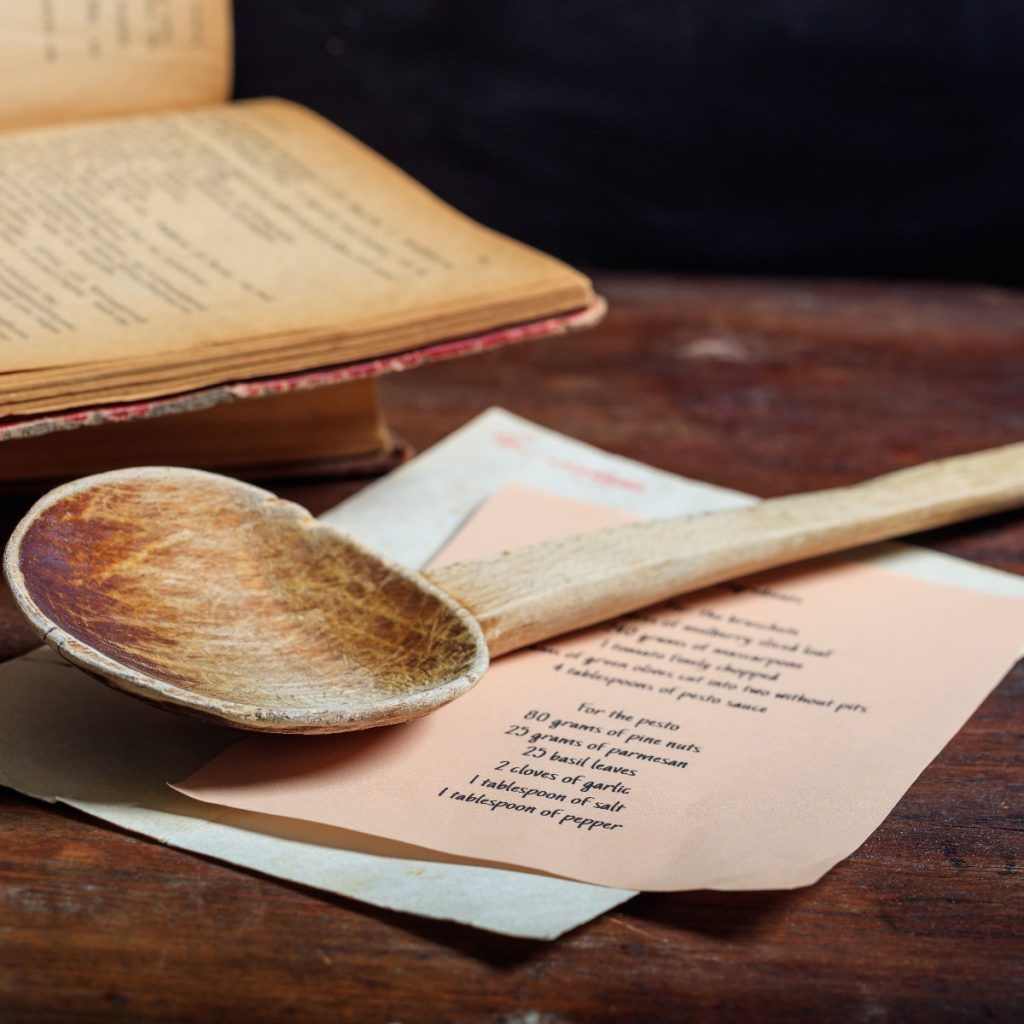
A recipe is more than a list of ingredients—it’s your roadmap to a delicious dish. Clear, well-structured recipes guide cooks of all skill levels, combining precise measurements, techniques, and cooking times to ensure consistent, tasty results.
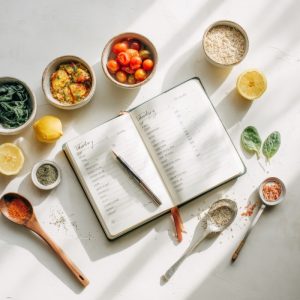
Before you start, gather all ingredients and equipment to streamline your workflow. This mise en place approach keeps your cooking organized and stress-free. Then, read the recipe from start to finish to understand each step, anticipate challenges, and plan ahead.
Organize your instructions clearly, list ingredients with exact measurements, and outline step-by-step directions. These simple preparation steps make your recipe easier to follow, reduce mistakes, and transform cooking into an enjoyable, efficient experience. Whether you’re following a family classic or trying a new flavor, starting your recipe right sets the stage for success every time.
Miriam Webster states a recipe is "a set of instructions for making something from various ingredients."
Recipe Checklist & Whys
| Checklist Item | What it Means | Why it Matters | Quick Tips |
|---|---|---|---|
| Read the recipe, then read it again | Scan ingredients, steps, timing, yields, and any special equipment. On the second pass, note verbs (marinate, rest, preheat) and temperatures. | Avoids surprises mid-cook and keeps the flow smooth. | Highlight timing cues; circle temps; jot a 1-2-3 plan. |
| Look out for “Meanwhiles” | Identify steps that happen while something else cooks (e.g., “Meanwhile, chop…”). | Helps you sequence tasks so nothing burns or gets cold. | Underline “meanwhile”; set overlapping timers; stage tools nearby. |
| Give Yourself Enough Time | Add up active + inactive time (thawing, marinating, resting, preheating) and add a buffer. | Prevents rushing and improves results and safety. | Plan +20% buffer; start preheating first; thaw safely in the fridge. |
| Have All the Ingredients | Confirm quantities and freshness; note acceptable swaps before you begin. | Stops last-minute store runs and flavor compromises. | Group items on a tray; measure spices ahead; label small bowls. |
| Prep Your Ingredients | Wash, trim, chop, and measure (mise en place) before heat hits the pan. | Cooking becomes assembly—faster, cleaner, safer. | Organize by step; chill perishables; pat proteins dry for better browning. |
| Have the right tools and equipment ready | Confirm pan size, thermometer, sheet pans, parchment/foil, tongs, and any special tools. | Correct tools = proper texture, doneness, and consistency. | Preheat pans/oven; line trays; test thermometer; clear workspace. |
Read the Recipe Thoroughly
Many home cooks (myself included) grab a recipe, glance at the steps, and dive right in—only to realize halfway through that something was missed. That’s when the timing falls apart.
The solution is simple: read the recipe all the way through—then read it again. Before you start, ask yourself:
- Do I have every ingredient?
- How much time will this take (prep, cooking, marinating, resting)?
- What prep work needs to be done first?
- Do I have the right tools?
- Do I understand every step and term?
- Does the order of instructions make sense?
Also, keep in mind: recipes often contain errors. Look out for missing ingredients, steps written out of order, or inaccurate cooking times. Just because it’s printed doesn’t mean it’s correct.
If something feels off, trust your instincts. Decide whether you can adjust as you go or if it’s better to choose a different recipe.
Understand the Terms
Don’t wait until you’re halfway through a recipe to discover you don’t know what “julienne” or “flambé” means. Cooking terms can be confusing, and guessing in the middle of a dish can ruin timing—or the dish itself.
Before you start, scan the recipe for all action words—chop, braise, sauté, sweat, knock back. If anything is unfamiliar, look it up first in a cookbook glossary or online. Knowing the terms ahead of time saves stress and helps the recipe flow smoothly.
Check Your Ingredients
Don’t start cooking only to realize you’re missing something important. Skipping a tomatillo in chili is one thing; running out of flour while baking bread is a disaster.
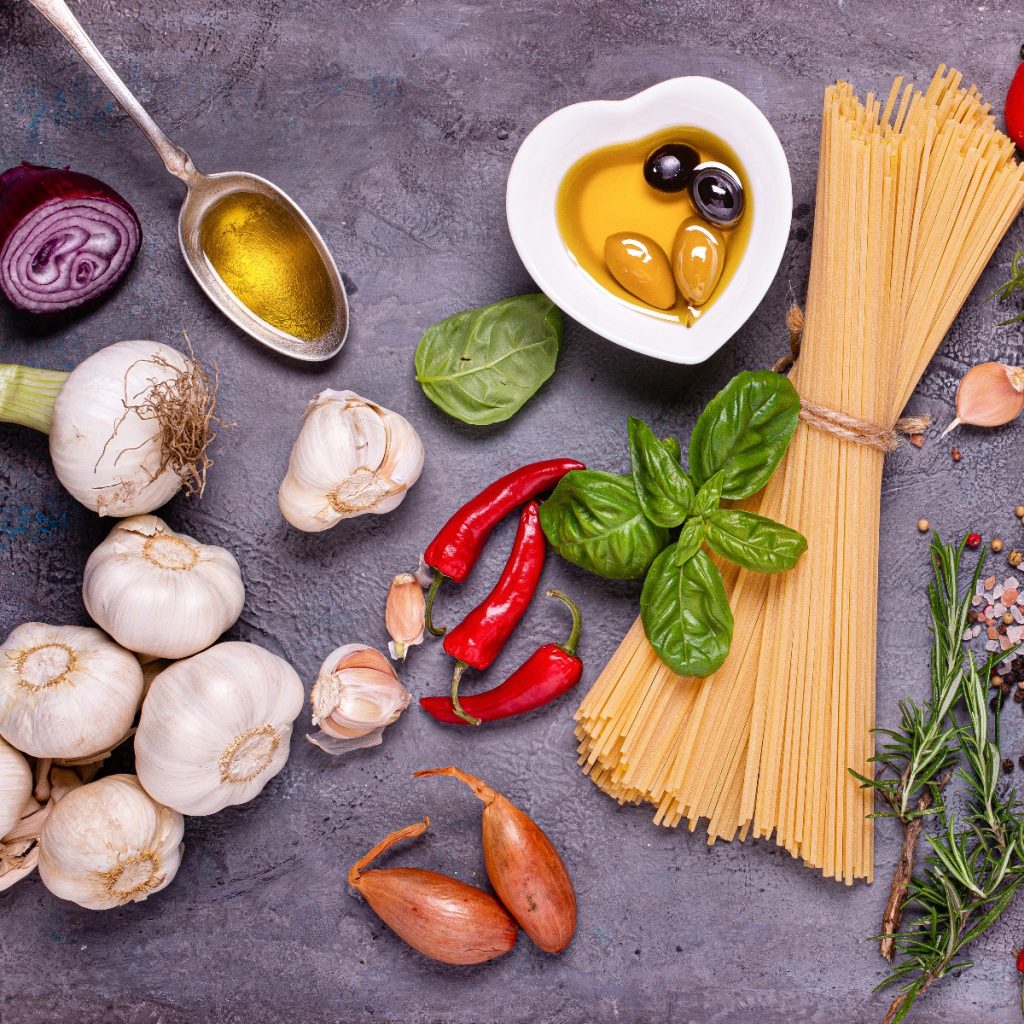
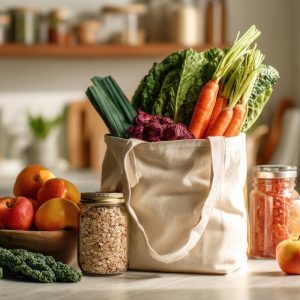
Avoid this by pulling out every ingredient before you begin. Don’t just assume you have it—put it on the counter. If you need tomato paste, find the can, don’t just “think” it’s in the pantry.
Line up all your ingredients, count them, and match that number to the recipe list. Make a quick shopping list for anything missing. Doing this upfront saves time, stress, and emergency store runs.
Recipe History 101
The earliest known recipes were found on a tablet in Babylon and date back to around 1600 BC. From that time forward, there have been books about cooking in many cultures throughout the world. Many of these books focused on elaborate meals that European nobles of rival houses would have their personal chefs make, each house trying to outdo the other.
In American history, for the most part, recipes lived in cooks’ heads. If anything was written down—a cup of milk, say—it meant a particular cup in a particular cook’s kitchen. Procedures were passed down from mother to daughter and from cook to cook.
Even the books of the day gave somewhat limited directions on doing something, and measurements were not universal. For example, consider Martha Washington’s recipe for her “Great Cake,” copied here from George Washington’s Mount Vernon Estates and Garden website:
“Take 40 eggs and divide the whites from the yolks and beat them to a froth. Then work 4 pounds of butter to a cream and put the whites of eggs to it a Spoon full at a time till it is well work’d. Then put 4 pounds of sugar finely powdered to it in the same manner then put in the Yolks of eggs and 5 pounds of flour and 5 pounds of fruit. 2 hours will bake it. Add to it half an ounce of mace and nutmeg half a pint of wine and some fresh brandy.”
It was not until Fannie Farmer wrote her The Boston Cooking-School Cookbook in 1896 that measurements began to be standardized.
The modern recipe written for professional chefs is often no more elaborate than a list of measured ingredients. These recipes rely on the chefs’ knowledge of culinary techniques and do not list procedures.

One Response
G Steven,
Happy Holidays to you and your family. I just wanted to let you know how much I enjoy your website. I don’t comment often, but I find your information useful and interesting. Thanks again.