
You slice every day, but the difference between “chopping” and real knife skill quietly controls how evenly your food cooks, how it tastes, and even how safe your prep feels. Uniform cuts aren’t just chef showmanship—they’re the hidden architecture behind better texture, faster cooking, and more consistent results. Once you see what’s happening at the blade level, you’ll never look at a carrot the same way again.
Why Are Knife Skills So Important?
⚡ Efficiency
Solid knife skills speed up prep work, letting you chop, dice, slice, and mince with control and flow, saving time and effort in every recipe.
🛡️ Safety
Proper technique reduces accidents by improving grip, control, and blade awareness, helping prevent slips, cuts, and kitchen mishaps.
🍲 Consistency
Even cuts cook at the same rate, improving texture and reliability while making your dishes more predictable and refined.
🎨 Presentation
Clean, uniform cuts elevate visual appeal, helping your dishes look intentional, polished, and restaurant-ready.
🌿 Flavor & Texture
Different cuts release different levels of flavor and change texture, giving you control over intensity, bite, and mouthfeel.
🔪 Versatility
Mastery of knife skills opens the door to more techniques, recipes, and creative cooking possibilities in the kitchen.
🔪 Knife Skills Foundation
Mastering knife skills helps you cook faster, safer, and with more precision—transforming everyday prep into confident, controlled movement.
Grip & Posture
Hold the knife with a firm but relaxed grip, thumb anchored for control. Stand with feet shoulder-width apart and keep your non-knife hand safely out of the blade’s path.
Knife Selection
Use the right tool for the job: chef’s knife for versatility, paring knife for detail work, and serrated knife for bread and delicate items.
Knife Maintenance
Hone regularly to keep the edge aligned and sharpen occasionally for peak performance. A sharp knife is safer and more efficient.
Basic Cuts
Chop for rustic dishes, dice for uniform cubes, slice for clean cuts, and mince for maximum flavor release in sauces and aromatics.
Knife Techniques
Use the rock chop for speed, slicing for precision, draw slicing for delicate cuts, and tap chopping for fine mincing.
Claw Grip
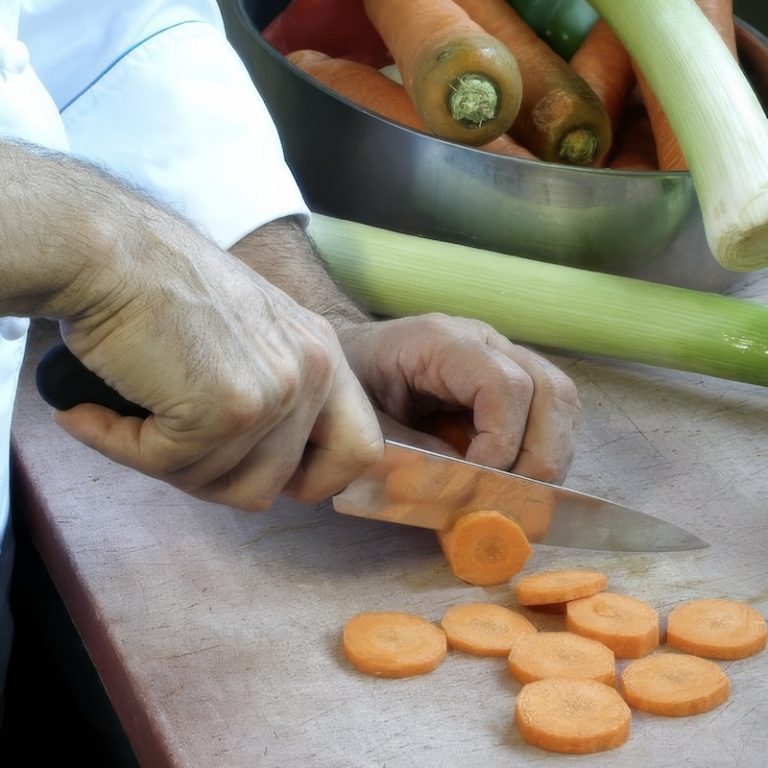
Curl your fingers under and guide the blade with your knuckles to protect fingertips while maintaining control over the ingredient.
Food Safety
Avoid cross contamination by using separate boards for raw meats and produce, and clean surfaces thoroughly between tasks.
Speed & Efficiency
Build speed through repetition while maintaining accuracy and safety—efficiency grows naturally with proper technique.
Most Important Knife Cuts
Knife skills are one of the pivotal skills that separate the professional chef from the home cook. Many home cooks are intimidated by the precision and speed seen on cooking shows, but these cuts break everything down into approachable techniques.
Julienne
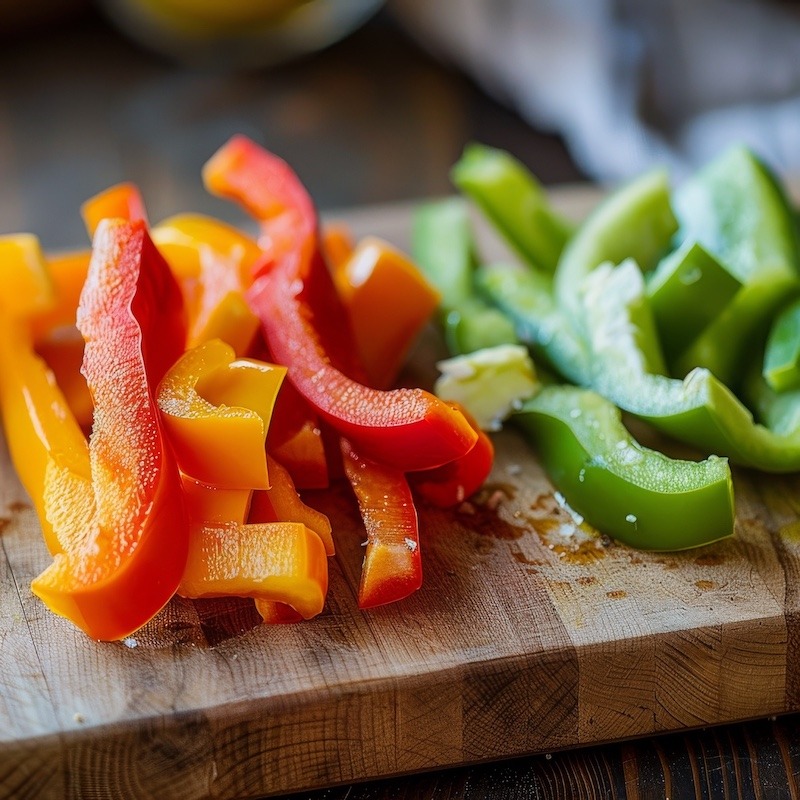
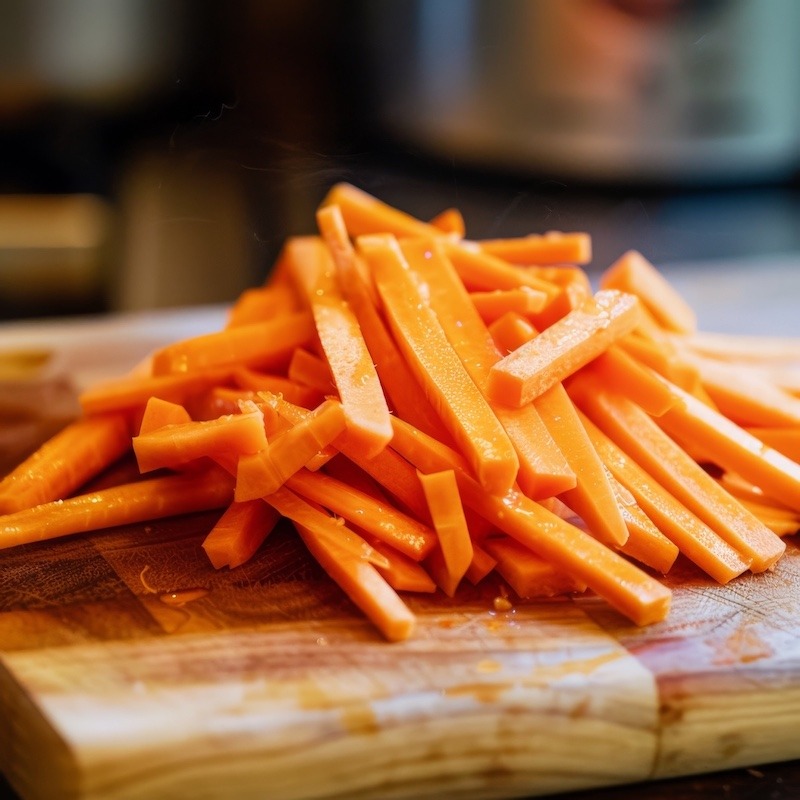
Thin matchstick-shaped cuts, typically 2–3 inches long and 1/8 inch thick. Used for carrots, celery, and peppers in salads, stir-fries, and garnishes.
Brunoise
Fine dice cut into 1/8-inch cubes. Made by julienning first, then cutting into tiny cubes. Common in sauces, soups, and fine dining presentations.
Chiffonade
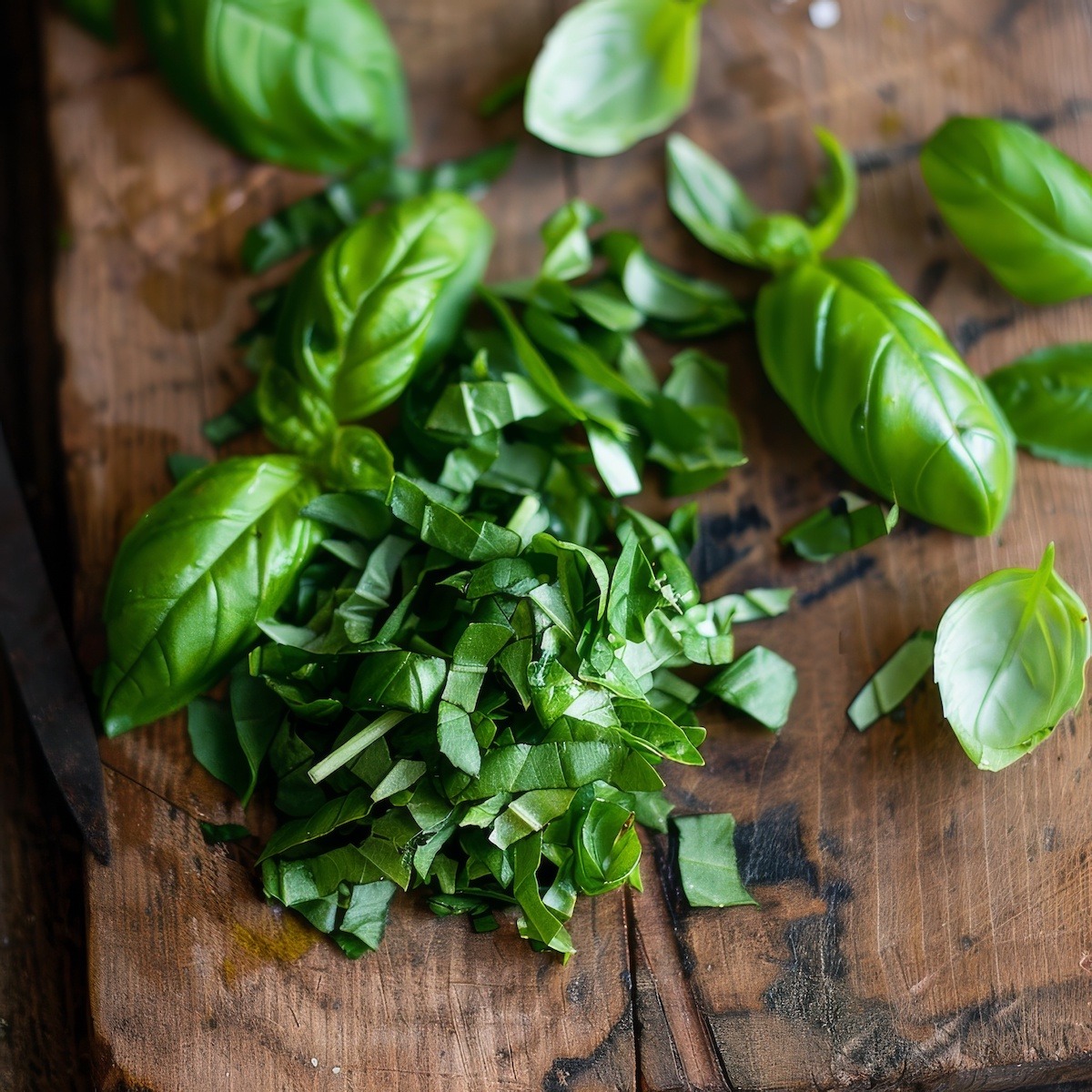
Thin ribbons of leafy greens or herbs like basil and spinach. Leaves are rolled tightly and sliced into delicate strips for garnish and flavor.
Dice
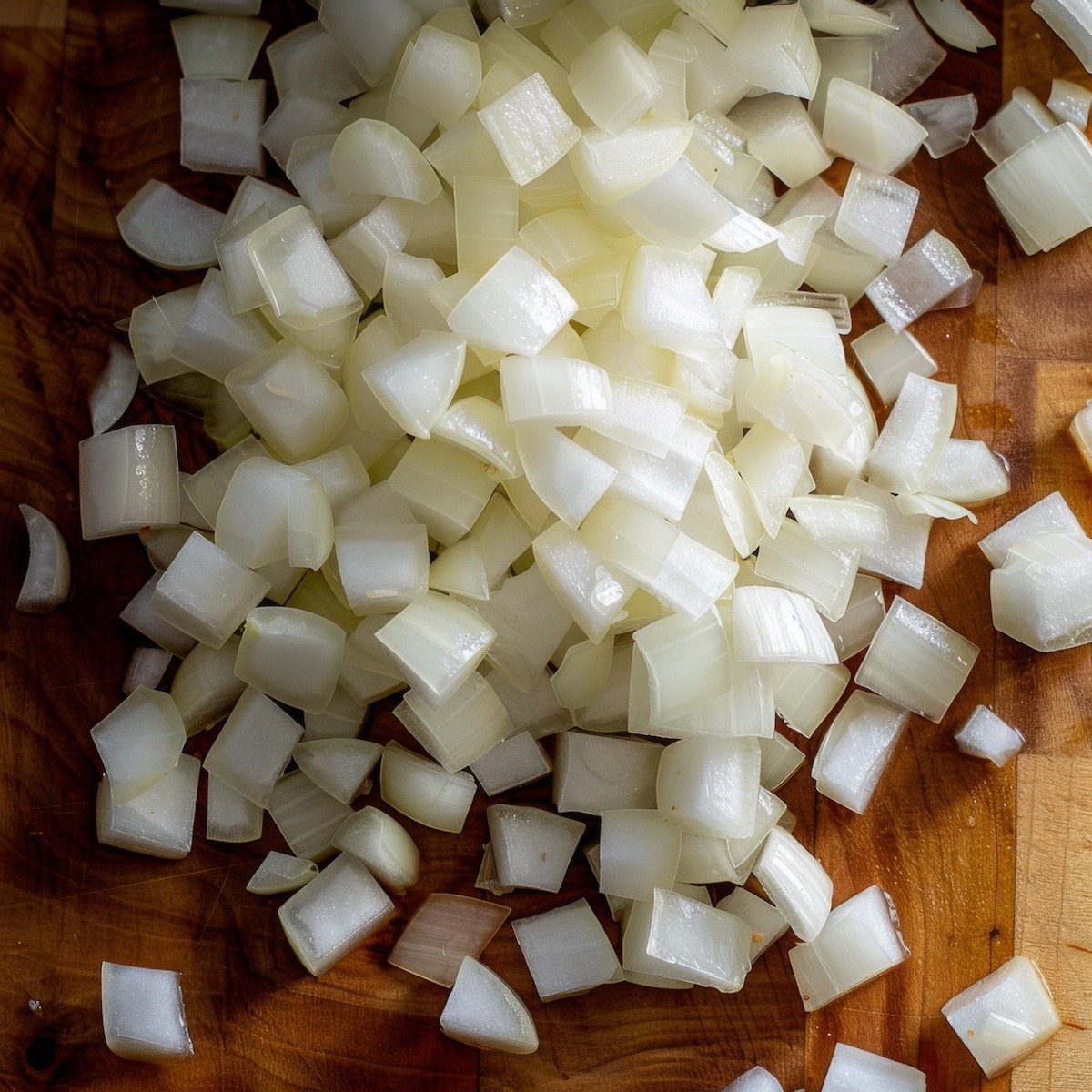
Uniform cubes for even cooking and texture.
Small: 1/4” cubes
Medium: 1/2” cubes
Large: 3/4” cubes
Mince
Finely chopped almost paste-like pieces using a rocking knife motion. Ideal for garlic, ginger, herbs, and aromatics to release maximum flavor.
Slice
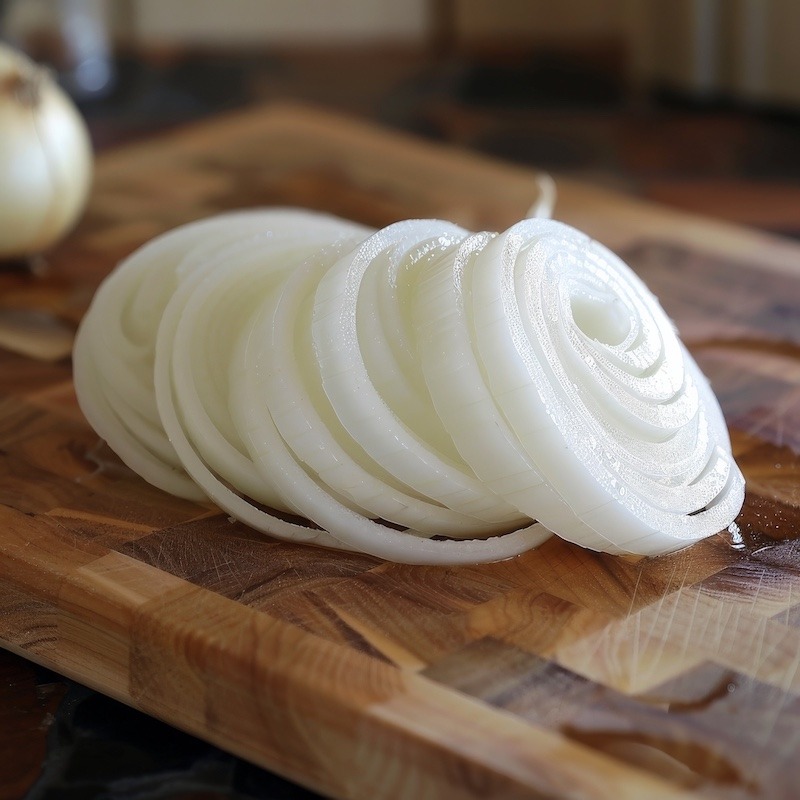
Thin, even cuts made with a smooth motion. Used for meats, vegetables, and fruits where texture and presentation matter, like sandwiches and fruit platters.
Rough Chop
Irregular, rustic pieces used for soups, stews, and casseroles. Focuses on speed rather than precision.
Paysanne
Thin, uniform slices often cut into coin-like shapes. Common with root vegetables like potatoes and carrots for gratins and sautés.
Batonnet
¼” x ¼” x 2” sticks, similar to thick matchsticks. Often recognized as the classic French fry cut.
Bias Cut
Diagonal cuts on cylindrical vegetables like carrots and celery. Increases surface area for faster cooking and better texture.
Roll Cut
A variation of the bias cut where the ingredient is rotated 180° between slices, creating dynamic shapes and even cooking.
What is the most important knife skill for beginners?
Learning how to hold a knife properly and using the claw grip is the most important starting point. These two skills improve both safety and control, making every other technique easier to learn.
Why do uniform cuts matter?
Uniform cuts ensure that food cooks evenly. When pieces are the same size, they finish cooking at the same time, resulting in better texture and more consistent flavor.
What’s the difference between chopping and dicing?
Chopping creates irregular pieces and is used for rustic dishes. Dicing produces uniform cubes, which are important for even cooking and a more refined presentation.
Do I really need different knives?
Not many—just a few essentials. A chef’s knife handles most tasks, a paring knife is great for detail work, and a serrated knife is ideal for bread and delicate foods.
Is a sharp knife really safer?
Yes. A sharp knife cuts cleanly with less force, giving you more control and reducing the chance of slipping compared to a dull blade.
How often should I sharpen my knives?
Hone your knife regularly (every few uses) to maintain the edge, and sharpen it every few months depending on how often you cook.
What is the easiest knife cut to learn first?
Start with slicing and basic dicing. These foundational cuts build control and help you transition into more advanced techniques like julienne and brunoise.
What’s the difference between julienne and batonnet?
Both are stick-shaped cuts, but julienne is thinner (matchstick size), while batonnet is thicker and often used for items like French fries.
How do I keep my fingers safe while cutting?
Use the claw grip—curl your fingertips under and let your knuckles guide the blade. This keeps your fingers out of the knife’s path.
What is a bias cut and why use it?
A bias cut slices food at an angle, increasing surface area. This helps food cook faster and creates a more visually appealing shape.
What foods should be cut differently for better flavor?
Aromatics like garlic and herbs change intensity depending on how they’re cut. Mincing releases stronger flavor, while slicing creates a milder, more subtle effect.
How can I improve my knife speed?
Focus on accuracy first, then build speed through repetition. Consistent practice with proper technique naturally leads to faster, more efficient cutting.